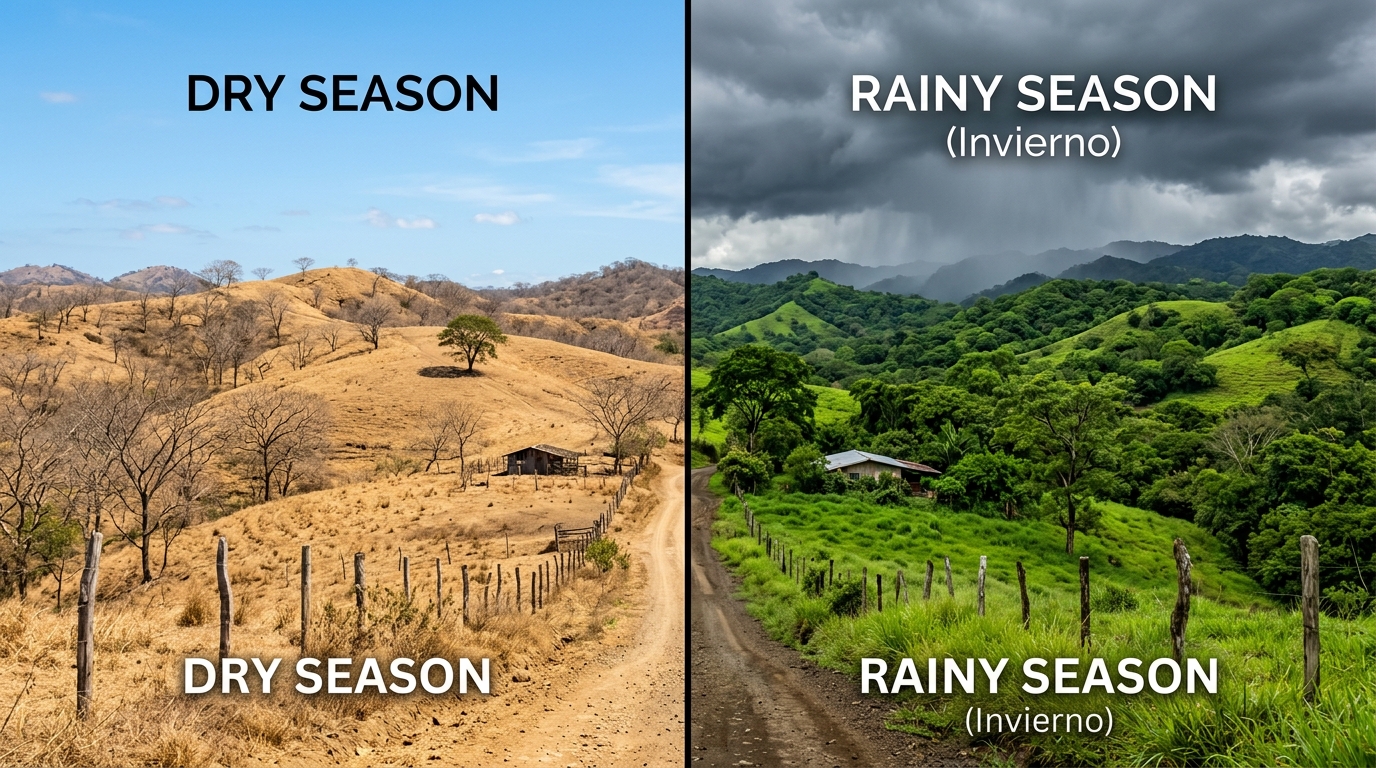

Figuring out the best time to visit Costa Rica is the single most critical decision you will make when mapping out your itinerary. Unlike destinations that follow a traditional four-season calendar, this Central American country operates on complex meteorological rules dictated by ocean currents, mountain ranges, and wildly different regional microclimates. You might picture year-round perfect sunshine and flawlessly green jungles, but the reality is heavily dependent on the month. Depending on when you land at San José (SJO) or Liberia (LIR), you could be greeted by cloudless blue skies and parched, golden hillsides, or you could face daily torrential downpours that swell rivers and wash out rural roads. Understanding how these distinct weather patterns impact pricing, wildlife migrations, and infrastructure will dictate whether your vacation is an effortless tropical escape or a logistical struggle against the elements.
Quick Summary
The Dry Season (Mid-December to April): Delivers the most reliable sunshine, especially on the pacific coast, but comes with peak pricing, sold-out hotels, and maximum crowds.
The Green Season (May to November): Brings daily afternoon thunderstorms, fiercely green landscapes, active wildlife, and drastically cheaper hotel rates (often 30-50% off).
The Shoulder Season Sweet Spot: May and November offer a phenomenal balance. You avoid peak holiday pricing but catch favorable transitional weather.
The caribbean Coast Anomaly: When the Pacific side faces severe, trip-ruining rainfall in September and October, the Caribbean coast experiences its clearest, driest, and calmest weather of the year.
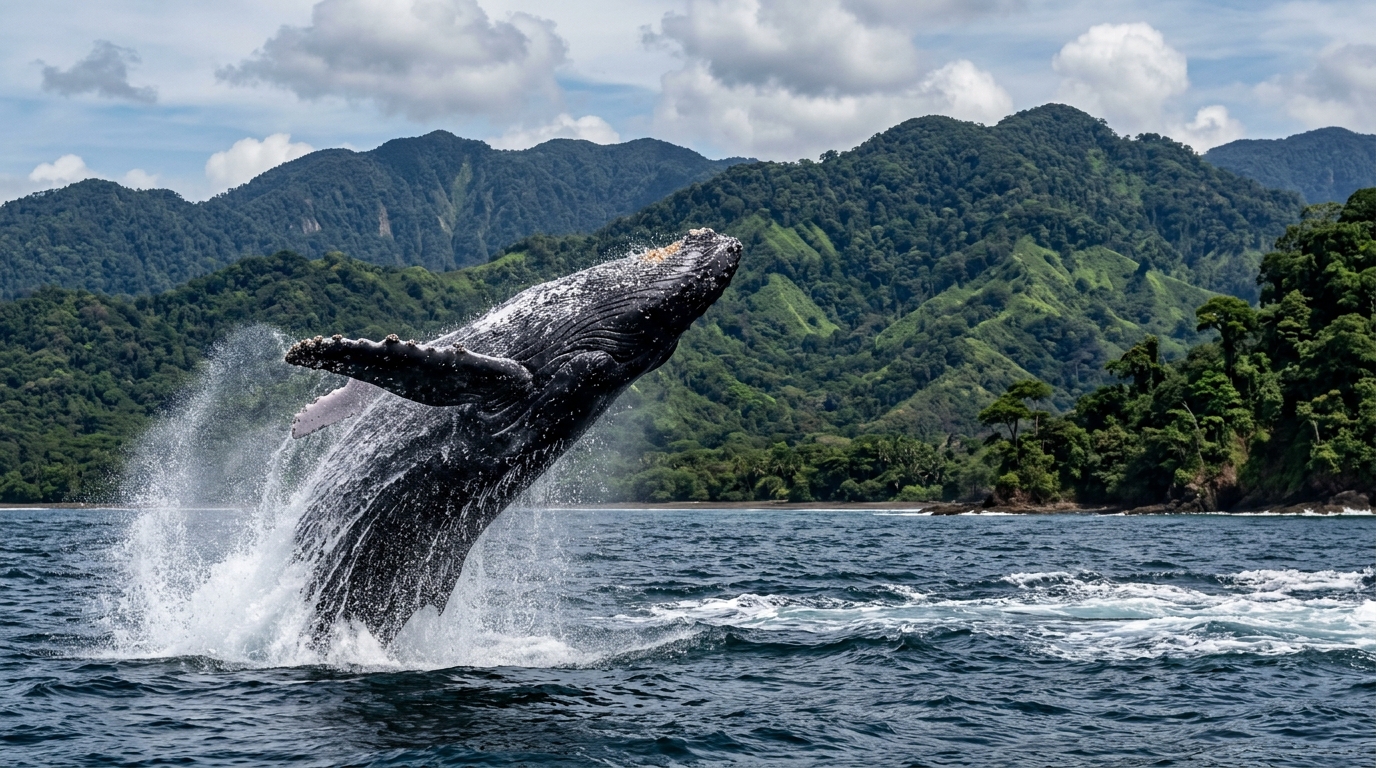
Timing Your Wildlife: Humpback whales peak from August to October, while major sea turtle nesting happens between July and October.
The Direct Answer: When Should You Go?
If you want a straightforward, no-nonsense recommendation: the absolute best time to visit Costa Rica for a mix of good weather, manageable crowds, and reasonable pricing is late November to mid-December, or the month of May.
During these short transitional shoulder months, you successfully dodge the exorbitant holiday pricing of Christmas, New Year’s, and Easter, but the weather remains largely in your favor. By late November, the aggressive rains of the green season begin to taper off, leaving the rainforests incredibly lush and waterfalls like La Fortuna flowing at maximum capacity. Conversely, in May, the intense dry season heat breaks with occasional refreshing afternoon showers, keeping the dust down on dirt roads while keeping accommodation prices well below their winter peaks.
However, if your primary goal is uninterrupted beach time, tanning, and you have a larger budget to support it, book your flights between January and March. If you are a strict budget traveler willing to trade sunny afternoons for heavily discounted luxury lodges, target August or September.
Understanding Costa Rica’s Two Distinct Seasons
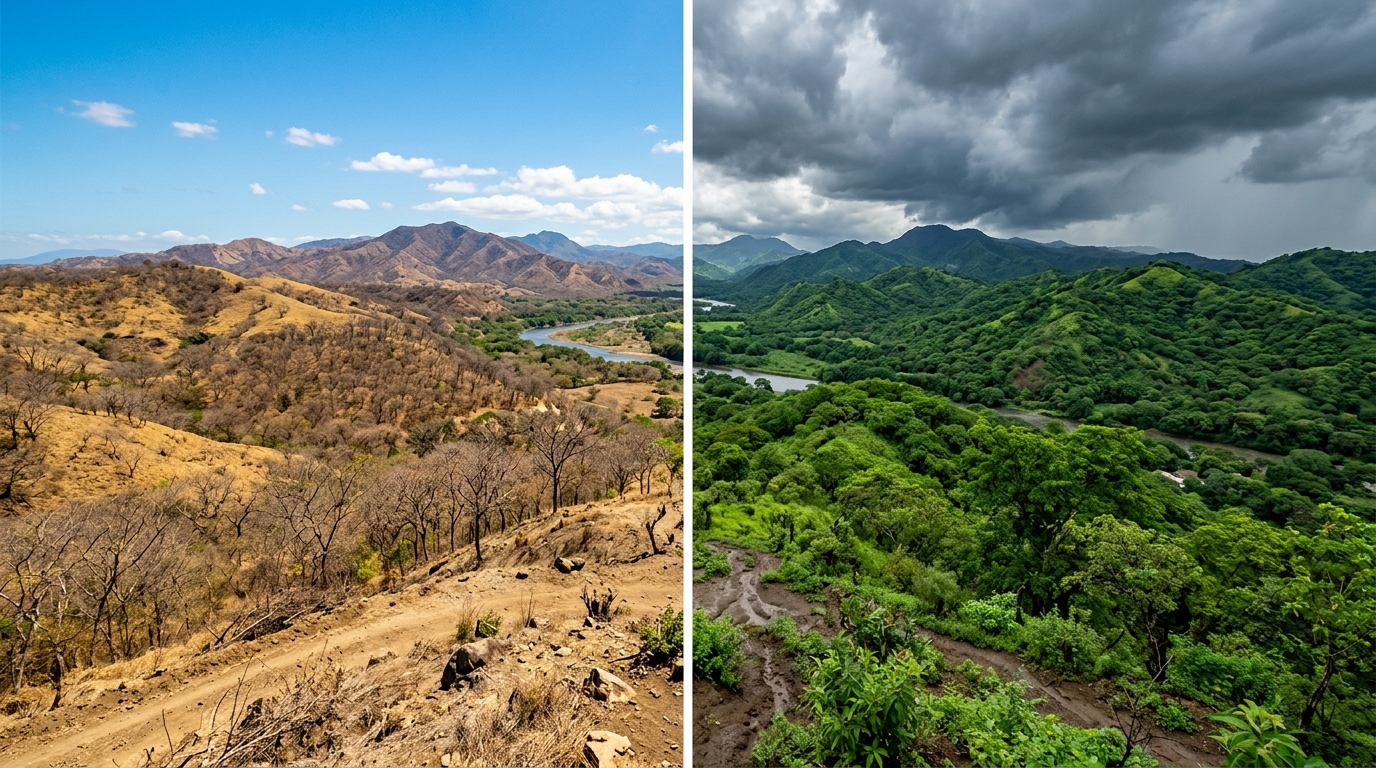
To properly plan your trip, you need to abandon the concept of spring, summer, fall, and winter. Costa Rica essentially has two primary seasons: the dry season (known locally as Verano, or summer) and the rainy season (known locally as Invierno, or winter, but marketed globally to tourists as the “Green Season”).
However, because the country is split down the middle by the Continental Divide—with the Pacific Ocean on the west and the Caribbean Sea on the east—weather patterns rarely act in unison across the entire landmass. You have to look at the regional microclimates to know exactly what you are walking into.
The Dry Season (Mid-December to April)
During these months, the Pacific coast and the Central Valley experience virtually zero precipitation. Days are defined by bright blue skies, intense UV indexes, and steadily rising temperatures. By the time March rolls around, regions like Guanacaste in the northwest become incredibly dry. The jungle foliage actually turns brown and yellow, dirt roads become aggressively dusty, and water conservation becomes a daily reality for local communities.
This is undeniably the most popular time for international tourists escaping the freezing winters of North America and Europe. Consequently, it is also the most expensive and crowded time to step foot in the country.
During my first dry season trip to the popular surf town of Tamarindo in mid-February, the sheer volume of tourists was staggering. Every decent dinner spot required a reservation three days in advance, surf breaks were crowded with beginners, and accommodation prices were inflated beyond belief. I paid $250 a night for a standard boutique hotel room that easily drops to $90 in October.
Pros of the Dry Season:
Guaranteed sunshine for full beach days and ocean catamaran tours.
All rural dirt roads and remote river crossings are dry and passable.
Mosquito populations plummet due to the lack of standing water.
Cons of the Dry Season:
Premium, non-negotiable pricing on flights, hotels, and 4×4 rental cars.
Popular spots like Manuel Antonio National Park require booking entry tickets weeks in advance.
The landscape in the northwest loses its iconic “jungle green” aesthetic entirely.
The Green Season (May to November)
The rainy season officially kicks off in May. Rather than continuous, all-day rain, the typical weather pattern involves clear, hot, and highly humid mornings followed by heavy, dramatic thunderstorms arriving predictably between 2:00 PM and 4:00 PM. These afternoon deluges usually last a few hours, cooling the air before clearing up for the evening.
September and October represent the absolute peak of the rainy season on the Pacific side. During these two months, the “afternoon shower” rule often goes out the window, and you can face consecutive days of unbroken, horizontal rainfall. Rivers swell, unpaved roads wash out, and many tour operators on the Osa Peninsula simply shut down entirely for maintenance.
However, the green season has massive, undeniable advantages. The entire country transforms into a spectacularly vibrant shade of green. The dust settles, the rivers swell to become perfect for Class III and IV white-water rafting, and tourism numbers plummet, giving you a highly authentic experience.
Pros of the Green Season:
Drastically reduced prices on luxury eco-lodges and private villas.
Empty beaches and private experiences on guided wildlife tours.
Cloud forests (like Monteverde) are exceptionally active with breeding wildlife.
Cons of the Green Season:
Unpredictable weather can cancel boat tours, snorkeling, and zip-lining trips.
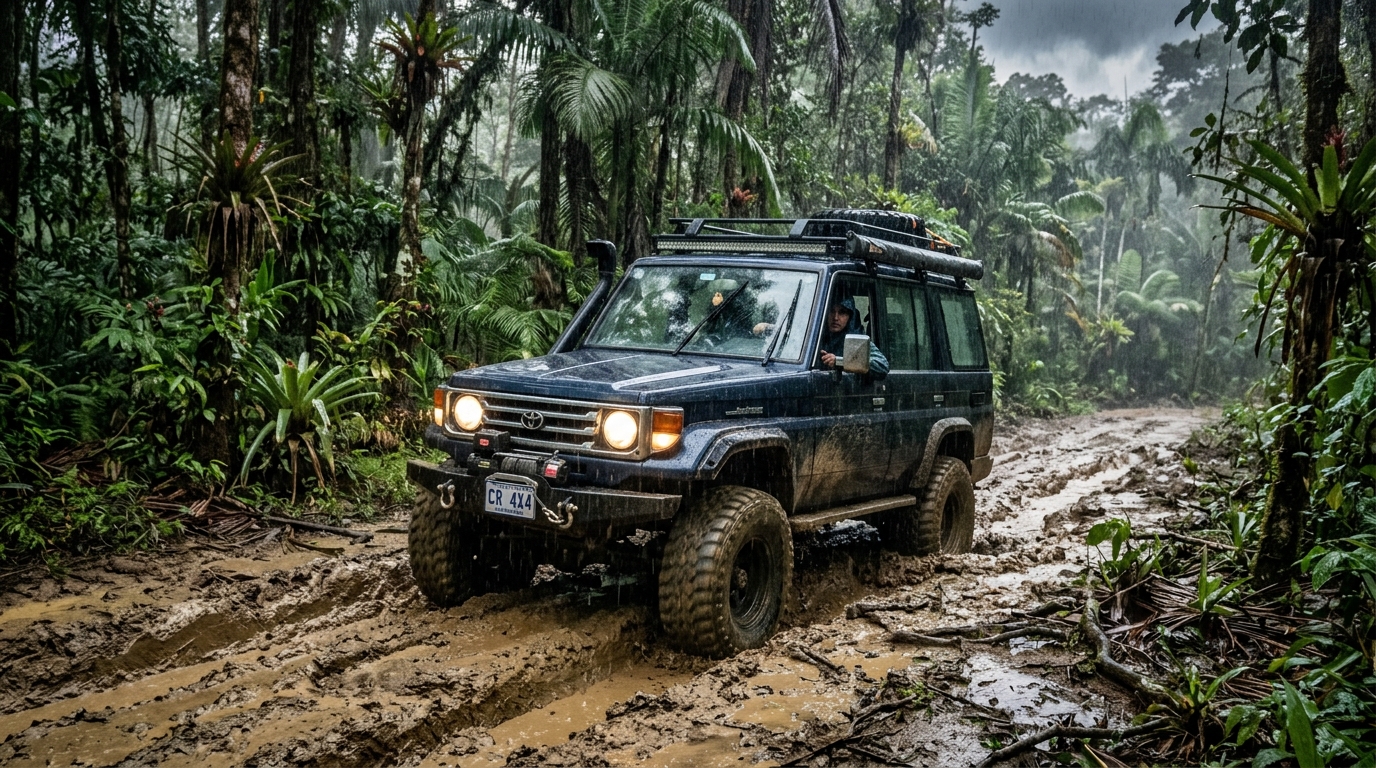
Driving becomes hazardous; river crossings absolutely require high-clearance 4x4s.
Intense humidity makes the 85°F heat feel significantly more oppressive.
The Caribbean Exception: Flipped Weather Patterns
This is perhaps the most crucial piece of meteorological trivia for anyone planning a trip: The Caribbean coast (Puerto Viejo, Cahuita, Tortuguero) does not follow the same rules as the rest of the country.
Because of the central mountain ranges, the Caribbean side has its own entirely unique microclimate. While September and October are the absolute wettest, most miserable months to visit the Pacific coast, they are the driest, sunniest, and calmest months to visit the Caribbean coast.
My experience on the Caribbean side in October completely flipped my perspective on Costa Rican travel. While the Pacific surf towns were boarding up windows and dealing with flooded streets, the water in Cahuita National Park was crystal clear, flat as glass, and perfect for snorkeling. If your work schedule forces you to take your vacation in September or October, the Caribbean coast is exactly where you should spend your time. Conversely, the Caribbean side tends to get its heaviest, most disruptive rains in December and January, exactly when the Pacific side is drying out.
Month-by-Month Breakdown
To give you absolute clarity, here is exactly what to expect from the climate, crowds, and wildlife during every month of the year.
January
Peak dry season. Clear skies dominate the Pacific coast and Central Valley. The landscape is still relatively green from the recently ended wet season. Expect peak pricing and massive crowds, especially early in the month due to lingering New Year’s travelers.
Highlight: Humpback whales begin migrating along the Pacific coast.
February
The heart of the dry season. You will find virtually zero rain in the western and central regions. It is widely considered one of the best months for unobstructed volcano viewing, as peaks like Arenal are less likely to be shrouded in mist.
Highlight: The national flower, the purple Guaria morada orchid, blooms in the Central Valley.
March
Statistically the driest month of the year on the Pacific side. It becomes very hot, with coastal temperatures regularly hitting the low 90s Fahrenheit. The northwest region of Guanacaste becomes extremely parched, and you may encounter smoke from minor brush fires. U.S. Spring Break brings a massive surge of family and college travelers.
Highlight: Excellent time for spotting Leatherback turtles on the Caribbean coast.
April
The final, sweltering month of the dry season. Easter week (Semana Santa) creates an enormous spike in domestic and international travel, causing hotels to sell out completely. By late April, the humidity begins to rise noticeably as the atmosphere prepares for the coming rains.
Highlight: High-altitude trails in the Santa Elena Cloud Forest Reserve are dry, offering elite birdwatching for quetzals.
May
A transitional “shoulder” month. The peak crowds disperse, and the intense April heat breaks as sporadic afternoon rains begin. Prices begin to drop, making this an ideal time for travelers seeking a balance of good weather and value.
Highlight: The Cano Negro Wildlife Refuge becomes far less crowded.
June
The rainy season officially begins. Rainforest flora comes back to life, transforming the landscape back to a vibrant green. You will experience sunny mornings followed by afternoon showers. There is a minor spike in tourism as North American schools break for summer.
Highlight: Swollen rivers upgrade white-water rafting on the Río Sarapiquí to Class III and IV rapids.
July
July often features a meteorological phenomenon known as the Veranillo (Little Summer). For about three to four weeks, the heavy daily rains suddenly ease up, resulting in sunny, dry weather, particularly in the northern Pacific.
Highlight: Approximately 30,000 female green sea turtles arrive at Tortuguero National Park to nest.
August
The Veranillo sometimes extends into early August, but normal rainy season patterns eventually resume. August offers fantastic travel deals and is highly recommended for honeymooners or budget travelers who want a relaxed vibe and do not mind a 3:00 PM rainstorm.
Highlight: Peak viewing for Antarctic humpback whales in Marino Ballena National Park.
September
The rainiest month for the Pacific and Central regions. Rural roads become treacherous, and outdoor activities are frequently canceled. However, this is the absolute best month to visit the Caribbean coast (Puerto Viejo), which experiences a rare dry, sun-soaked window.
Highlight: The Ostional Wildlife Refuge hosts massive arribadas (mass nestings) of olive ridley sea turtles.
October
The absolute peak of the rainy season nationally. Many lodges on the Osa Peninsula shut down entirely. If you visit the Pacific side, you will face heavy rain, but you will secure the lowest rates of the year and have beaches entirely to yourself. Again, stick to the Caribbean side if you want sunshine.
Highlight: Heavy rains cause Costa Rica’s waterfalls, like the 125-stair Rio Celeste, to swell to their most powerful and dramatic states.
November
A “bridge” month where weather is a roll of the dice. Heavy rains early in the month gradually give way to sunny mornings and drier weather by Thanksgiving. Peak-season pricing has not yet returned, making late November an incredible value window.
Highlight: Surfing conditions on the Pacific coast are highly consistent for advanced riders.
December
Early December features unpredictable weather as the rains make their final exit. The first two weeks offer relatively low prices and empty hotels, representing a major travel opportunity. By the week of Christmas, the country transitions into super-high season, with prices tripling.
Highlight: The landscape in Guanacaste is a perfect, lush green before the months of dry heat turn it brown.
Cost Comparison: High Season vs. Green Season
Timing your trip strategically can save you thousands of dollars. The Costa Rican tourism industry uses dynamic pricing based heavily on historical demand.
Let’s look at a realistic breakdown of how prices shift for a standard 7-day trip for two people, comparing the peak dry season (February) with the deep green season (September).
| Expense Category | Peak Season (February) | Green Season (September) | Difference (Savings) |
|---|---|---|---|
| Mid-Range Boutique Hotel (7 nights) | $1,750 ($250/night) | $840 ($120/night) | $910 saved |
| 4×4 SUV Rental Car (7 days) | $770 ($110/day) | $350 ($50/day) | $420 saved |
| Guided Canopy Zipline (2 pax) | $190 | $150 (Discounted) | $40 saved |
| Direct Flights (from US, 2 pax) | $1,400 ($700/ea) | $900 ($450/ea) | $500 saved |
| Total Estimated Baseline Cost | $4,110 | $2,240 | $1,870 saved |
As the data shows, traveling during the rainy season nearly cuts the baseline cost of your trip in half. You can use these massive savings to upgrade to higher-quality accommodations, hire private wildlife guides, or extend your trip by an extra week.
Timing for Specific Wildlife and Activities
Your ideal travel dates should align directly with what you want to do. The best time to visit Costa Rica shifts entirely if your main goal is seeing a specific animal.
Sea Turtle Nesting
Watching sea turtles haul themselves onto the beach to lay eggs is a flagship Costa Rican experience.
Green Sea Turtles (Tortuguero): Head to the northern Caribbean coast between July and October. September is the absolute peak.
Olive Ridley Turtles (Ostional): If you want to see the massive arribadas (where tens of thousands of turtles land simultaneously on the Pacific coast), plan your trip between August and November.
Leatherback Turtles: These massive creatures nest from October through March on the Pacific (Playa Grande), and March through July on the Caribbean.
Whale Watching
Costa Rica boasts the longest humpback whale season in the world because it receives migrations from both the Northern and Southern Hemispheres.
Southern Hemisphere Whales: The larger migration arrives between August and October. Head to Marino Ballena National Park in Uvita.
Northern Hemisphere Whales: Arrive between December and March along the Pacific coast.
Surfing Conditions
Advanced Surfers (Pacific): The biggest, heaviest swells hit the Pacific coast during the rainy season (May to November).
Advanced Surfers (Caribbean): The famous Salsa Brava reef break in Puerto Viejo fires during the dry season (December to March).
Beginner Surfers: The dry season on the Pacific offers cleaner, smaller, more manageable waves perfect for learning at beaches like Tamarindo or Nosara.
Common Mistakes to Avoid When Timing Your Trip
Even experienced travelers fall into a few specific traps when booking their flights. Avoid these major missteps:
Mistake 1: Underestimating Rural Roads in the Wet Season
Many visitors look at Google Maps and assume a 50-kilometer drive will take an hour. In the dry season, it might take 90 minutes. In the wet season, that same drive can take four hours or become completely impassable. I once tried driving a standard 2WD sedan up Route 606 to Monteverde in July to save $40 a day on the rental. Huge mistake. The deeply rutted mud nearly destroyed the car’s suspension, and the stress completely ruined the first day of the trip. Always rent a 4×4 if traveling between May and November, and never drive long distances after dark (the sun sets around 6:00 PM year-round).
Mistake 2: Packing Heavy Clothing for “Winter”
Just because it is raining heavily does not mean it is cold. The coastal regions remain aggressively hot and humid year-round, typically hovering between 85°F and 92°F (29°C to 33°C). A major packing error is bringing jeans, heavy sweaters, or thick cotton shirts. In the rainy season humidity, denim literally never dries. Once it gets wet, it stays wet for your entire trip. Pack exclusively lightweight, quick-drying synthetics, and rely on a high-quality, ventilated rain shell rather than heavy layers.
Mistake 3: Treating the Country as One Weather System
Assuming it is pouring in Puerto Viejo just because it is pouring in Santa Teresa is a massive error. The regional microclimates are separated by high-altitude volcanic ranges. Always check the specific weather data for the exact town you are visiting, not the national average.
Who Should Visit When (And Who Should Not)
Choosing your dates requires an honest look at your personal travel style, budget, and tolerance for logistical hiccups.
The Dry Season (December – April) is IDEAL for:
Families traveling with small children who need predictable, easy beach days.
Travelers looking to rent standard 2WD vehicles without stressing over unpaved mountain road conditions.
First-time visitors who want a polished, resort-style vacation with maximum sunshine.
Anyone attending surf camps to learn on smaller, cleaner waves.
You might want to SKIP the Dry Season if:
You are strictly adhering to a tight budget.
You despise crowded beaches, packed restaurants, and waiting in lines for national parks.
You want to see the jungle at its absolute greenest and most vibrant.
The Green Season (May – November) is IDEAL for:
Budget-conscious travelers seeking luxury accommodations at backpacker prices.
Advanced surfers chasing massive Pacific swells.
Wildlife enthusiasts who want to see turtle arribadas and humpback whale migrations.
Photographers who want moody, dramatic lighting and intense, saturated greens.
You might want to SKIP the Green Season if:
Having your boat tour or zipline excursion canceled due to lightning will ruin your trip.
You are an anxious driver who is uncomfortable navigating flooded roads.
You consider multiple days of heavy rain a ruined vacation.
Frequently Asked Questions
Is it safe to travel to Costa Rica during the rainy season?
Yes, it is generally very safe, but it requires common sense regarding transportation. The primary safety risks during the green season revolve around infrastructure—specifically landslides on mountain passes and flash floods in rural rivers. You should never attempt to cross a flooded river in a vehicle if you cannot gauge the depth, and you should actively avoid driving long distances through remote routes after dark.
What is the “Veranillo” or Little Summer?
In July and sometimes extending into early August, the Pacific coast and Central Valley typically experience a brief weather phenomenon known as the Veranillo de San Juan*. For about three to four weeks, the heavy daily rains suddenly ease up, resulting in sunny, dry weather. This creates a fantastic shoulder-season window where you get dry-season weather without paying peak dry-season prices.
Do tour operators close during the rainy season?
The vast majority of standard tourism infrastructure remains entirely open year-round. However, in the deepest, wettest months of late September and October, some boutique hotels and smaller tour operators in the hardest-hit regions (like the Osa Peninsula) will close down for a few weeks to do annual maintenance, give staff a break, and wait out the worst of the storms. Always email your intended lodges directly to confirm they are operating before booking flights in October.
How far in advance should I book for the dry season?
If you are traveling during the extreme peak weeks—specifically the week between Christmas and New Year’s, or the week of Easter (Semana Santa)—you need to book accommodations and rental cars at least six to eight months in advance. The inventory of 4×4 rental vehicles regularly completely sells out nationwide during these two holidays. For standard dates in February or March, booking three to four months in advance is highly recommended to secure your preferred options.
Moving Forward with Your Itinerary
Determining the best time to visit Costa Rica ultimately comes down to balancing your bank account against your tolerance for precipitation. There is no single perfect month that offers the cheapest prices, the driest weather, and empty beaches all at once.
If budget is your primary constraint, lean heavily into the shoulder months of May or November. You will deal with some mud and delayed tours, but the financial savings and lack of crowds provide massive value. If you demand flawless weather and have the budget to support it, focus strictly on January through March, but prepare to share the beaches. By making an informed decision about the seasons, setting realistic expectations about the climate, and planning your regional stops accordingly, you can engineer an incredible tropical trip regardless of what the clouds are doing.