
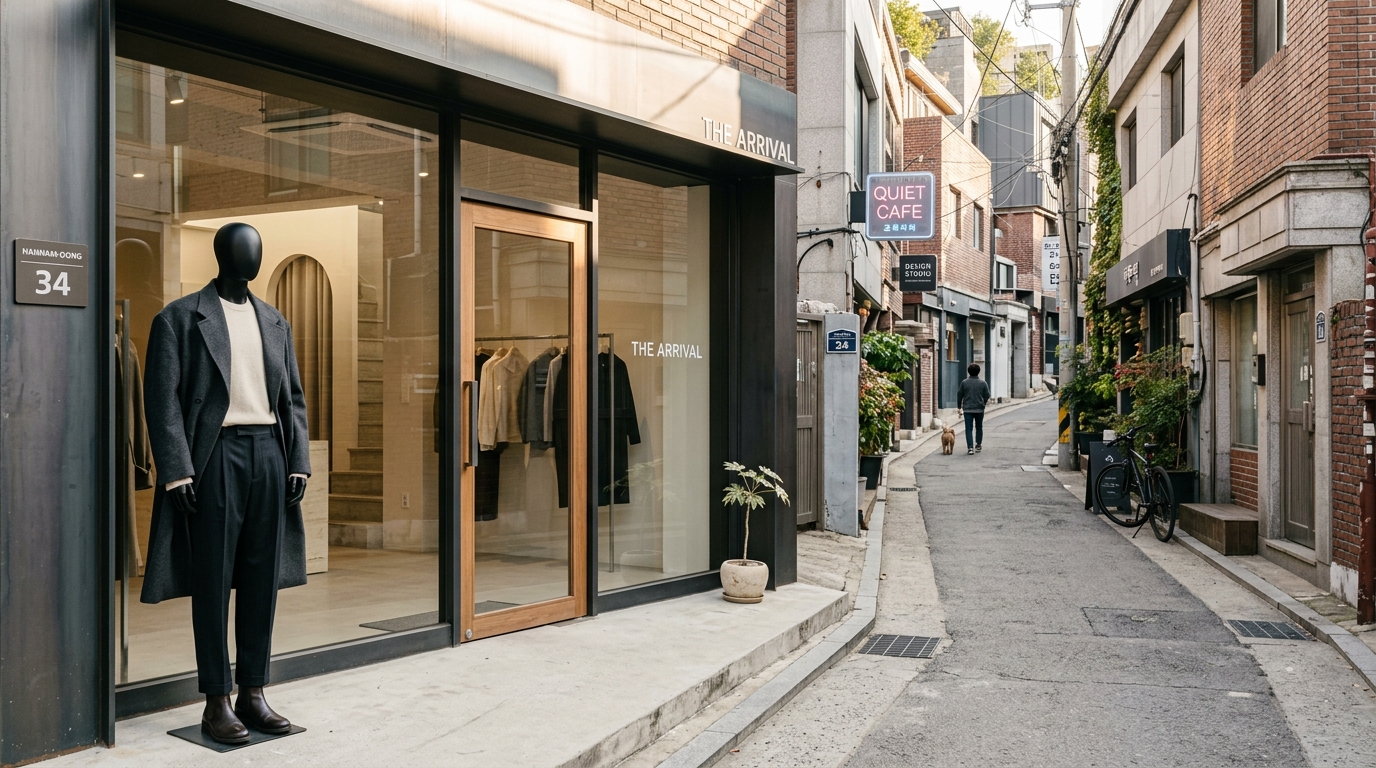

Planning your trip for shopping in Seoul requires more than just a list of the largest malls; it demands a strategic approach to uncovering the city’s hidden retail soul. While the glass-walled department stores like Lotte and Shinsegae provide a sanitized, predictable luxury experience, they often mask the authentic design culture thriving in the city’s narrow alleyways. My own journey through districts like Hannam-dong and Nonhyeon-dong taught me that the true value of the city’s retail scene lies in its independent spaces—shops where the floor staff can recite the manufacturing history of a garment rather than just reading a price tag. If you rely solely on mass-market retail, you are effectively shopping in a globalized vacuum, missing the specific aesthetic tension between Seoul’s traditional heritage and its aggressive, forward-thinking modernism.
Quick Summary
Prioritize Independent boutiques: Move beyond mainstream malls to find curated, personality-driven spaces in districts like Hannam-dong and Seongsu-dong.
Master the Vintage Scene: Distinguish between high-end archival stores and raw flea markets like Dongmyo to find authentic, one-of-a-kind vintage pieces.
Focus on Provenance: Value is found in shops where owners act as curators, offering insight into material origins and design philosophy.
Strategic Scheduling: Dedicate full days to single neighborhoods rather than jumping between districts; traffic and the fragmented nature of boutique locations can kill your productivity.
Cultural Context: Understand that local shopping here is as much about the ‘vibe’ and neighborhood culture as it is about the actual goods you purchase.
Direct Answer: How to Shop Like a Local
If you want a direct answer on how to approach your retail hunt: Skip the mainstream department stores if you prioritize individuality. Instead, dedicate at least two full days of your trip to exploring smaller, multi-brand concept stores. My experience has shown that these shops, often managed by former retail merchandisers or long-time fashion buyers, offer a level of product knowledge and aesthetic cohesion that you simply cannot replicate in a massive retail environment. You should focus your efforts on independent boutiques in areas like Hannam-dong, Seongsu-dong, or Nonhyeon-dong, where the selection is intentional and the inventory is curated for longevity over high-volume sales. If you have limited time, choose one neighborhood and walk its alleys—the best finds in this city are almost always discovered through physical, unhurried exploration rather than online lists.
The Philosophy of Curated Retail
When I first stepped into a small, nondescript boutique in Nonhyeon-dong, the atmosphere was a stark departure from the high-energy, fluorescent-lit halls of the major retail hubs. The shop owner, who had spent a decade working for major Korean retail groups, had transitioned to this smaller model to escape the pressures of seasonal fast-fashion quotas. The consensus among the regular shoppers I spoke with there was clear: the value isn’t in the brand names you recognize, but in the ones you don’t. This approach to commerce is fundamentally different from the mass-retail model.
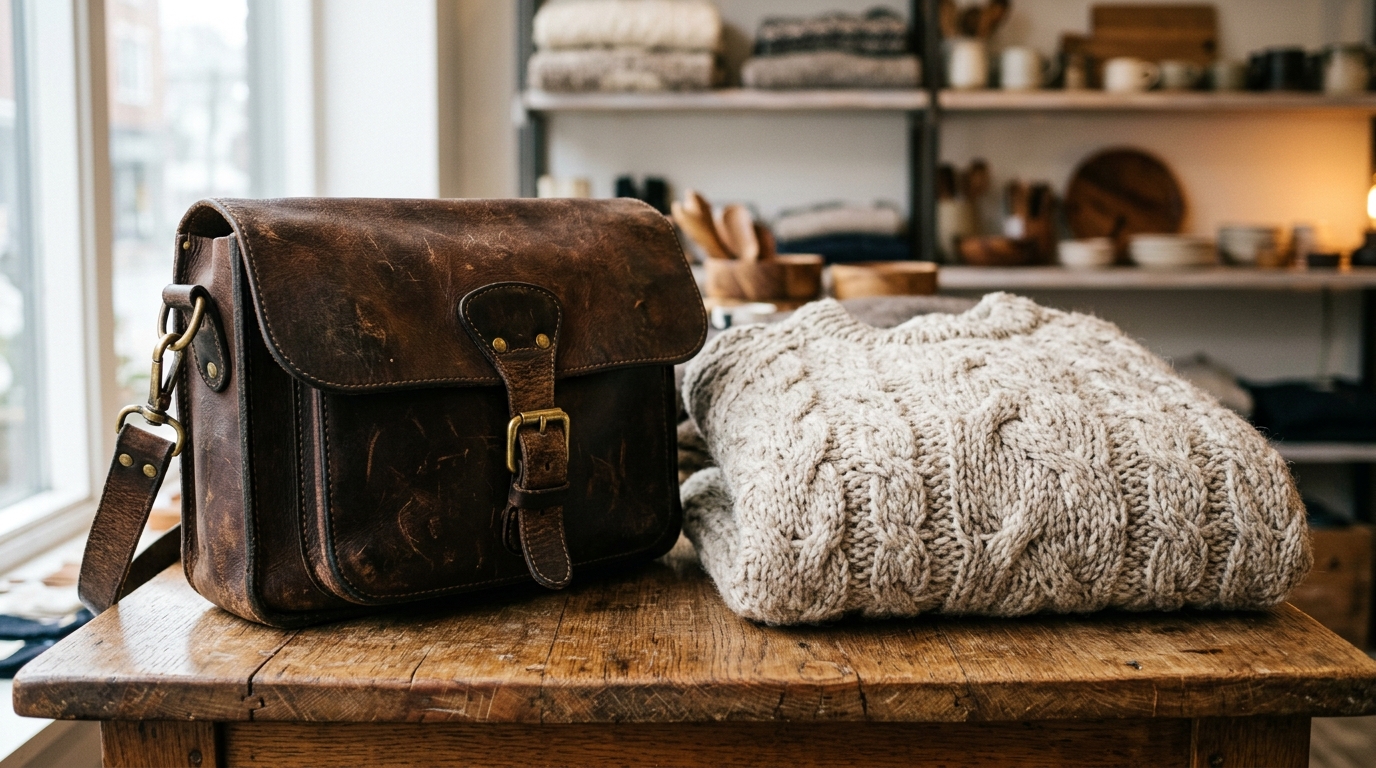
Instead of chasing influencer-driven trends that disappear in three months, these independent shop owners hunt for quality, material integrity, and ‘interesting’ design elements. When you shop here, you aren’t just buying a garment; you are buying the buyer’s expert validation that this specific item has cultural relevance and superior construction. For instance, finding a shop that carries heritage knitwear—complete with a detailed explanation of the brand’s sustainable manufacturing practices—is the kind of educational experience that defines the elite side of shopping in Seoul.
Why Independent Retailers Matter
The retail landscape in the city has become somewhat homogenized by global luxury chains. When you spend your time at these small, independent spots, you actively support an ecosystem of small-scale design and craftsmanship. During one of my afternoons spent in the Seongsu district, often described as the city’s ‘Brooklyn’ due to its repurposed industrial warehouses, I found a sweater from a niche European label that I hadn’t seen elsewhere in Asia. The shop owner could detail the history of the company’s specific knitwear techniques—a stark contrast to the scripted, often unhelpful responses provided by the floor staff at large-scale retail buildings.
This is the critical difference between shopping as a mindless commodity transaction and shopping as a meaningful, educational engagement. By choosing to frequent these spaces, you are interacting with people who are deeply embedded in the local fashion fabric. You are essentially paying for the ‘filter’ that these owners apply to the global market, curating a collection that feels relevant to the local aesthetic while remaining distinct from the ubiquitous trends flooding the high street.
Neighborhood Spotlight: Where to Invest Your Time
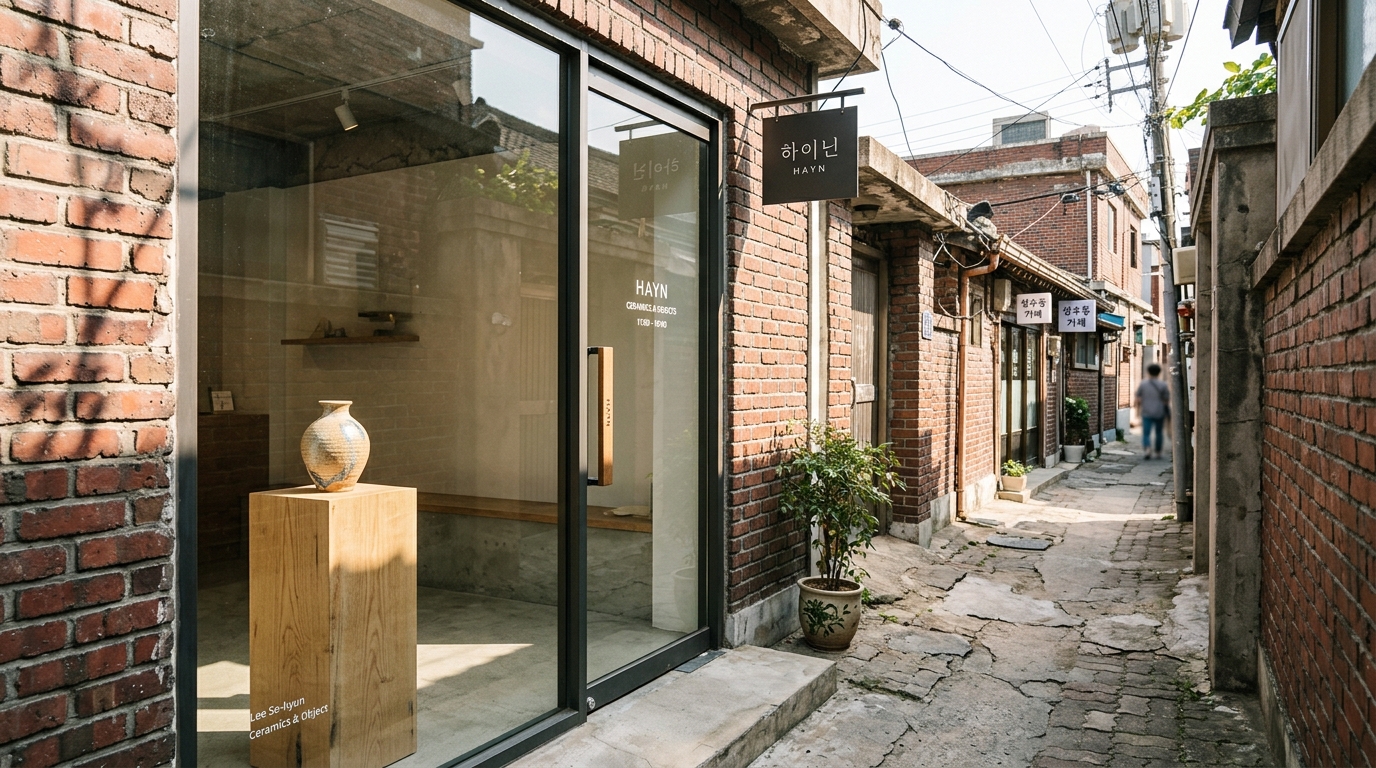
Not all districts are created equal. If you are serious about your shopping in Seoul, you need to segment your itinerary by neighborhood character. Hannam-dong remains the creative hub of the city, characterized by a ‘stylish without trying’ aesthetic. It houses the kind of high-end independent shops and innovative culinary spots where you can easily lose an entire day. The area feels more residential, yet it is packed with boutiques that blend apparel with functional craft.
In contrast, Seongsu-dong is where the youth-led, high-energy fashion scene thrives. Here, you will find warehouse-style cafes, pop-up stores, and bookshops that double as lifestyle boutiques. If you are interested in the ‘newtro’ movement—the youth-led reinterpretation of 1970s–1990s retro design—this is your primary destination. Further, don’t ignore Dongmyo Market if you are a true vintage aficionado. It offers a raw, unfiltered energy that is a world away from the luxury boutiques in Gangnam. It is the perfect place to hunt for Nike, Adidas, Carhartt, and eclectic household items if you have the patience to dig through the stacks.
Cost and Value Analysis: More Than a Price Tag
People often assume that smaller boutiques are universally more expensive. This is a common misconception that stems from confusing ‘price’ with ‘value.’ While you won’t find the massive, site-wide discounts that occur at the end of a department store cycle, you are often paying a more honest price for the actual material and labor involved.
| Item Type | Department Store Price | Independent Boutique Price | Value/Quality Note |
|---|---|---|---|
| Wool Sweater | $180 – $250 | $220 – $300 | Boutique offers better wool origin/craft |
| Denim | $120 – $160 | $150 – $220 | Boutique items are often Japanese selvedge |
| Accessories | $50 – $100 | $80 – $150 | Boutique pieces are small-batch or hand-finished |
In my experience, the initial investment at an independent boutique is higher, but the cost-per-wear is significantly lower. I have a coat I bought three years ago at a small shop in Hannam that still looks and functions as if it were new, while items I bought at larger retailers during the same trip have already lost their structure or been discarded. That longevity is the true definition of a successful retail experience.
Who Should Shop Where?
Not every traveler needs to seek out boutique, specialized retail. Sometimes, the sheer convenience of a massive department store is exactly what you need to optimize your travel schedule.
You Should Explore Independent Boutiques If:
The Intentional Collector: You value the story behind a garment, such as its textile origins or the philosophy of the design house.
The Trend-Avoider: You are tired of seeing the same five items on every person you pass on the subway; independent stores offer a necessary reprieve.
The Quality Seeker: You prefer buying one high-quality item that lasts for five years over buying three items that lose their shape in a single season.
You Should Stick to Department Stores If:
The One-Stop Shopper: You need to buy clothes, luxury gifts, cosmetics, and groceries in a single afternoon; malls are objectively more efficient for this.
The Bargain Hunter: You prioritize end-of-season sales and easy-to-track discounts that are uniform and accessible to tourists.
- The Convenience-First Tourist: If you prefer amenities like immediate tax-free counters, currency exchange booths, and English-speaking concierge desks all in one building, the department stores are your best bet.
- www.cntraveller.in
- sheerluxe.com
- www.image.ie
- sheerluxe.com
- www.cntraveller.com
- www.wmagazine.com
Common Mistakes to Avoid
One common mistake I see tourists make is assuming that every so-called ‘select shop’ in the city is high-quality. In reality, some shops use the ‘select shop’ label as a marketing gimmick to sell mass-produced, low-quality items at a significant markup. Always check the labels. If a shop refuses to let you inspect the construction of a garment, or if all the items feel identical in texture and weight, it is likely not a true independent boutique. A genuine shop will have a diverse, carefully considered mix of textures—from heavy-duty workwear cotton to fine, delicate knits.
Another error is attempting to cover too much ground. The boutique landscape is highly fragmented. If you try to visit four different districts in one day, you will spend your entire time in Seoul in traffic and end up exhausted. Choose one area—perhaps the cluster of shops around Dosan Park or the quiet streets of Hannam-dong—and dedicate your morning and early afternoon to it. If you move slowly, you will notice the shops that the locals actually use, rather than the ones that target tourists with bright signs and aggressive window displays. I once tried to hit three districts in one day, and I ended up buying nothing because I was too frazzled to actually appreciate the quality of the items in front of me.
The Reality of Local Style
There is a specific cadence to fashion here that often gets overlooked by visitors. If you walk through the streets, you notice that people prioritize silhouette and layering over overt branding. During the colder months, the aesthetic is heavily influenced by vintage workwear and oversized, structural outerwear. When I was looking for a coat last winter, I found that the mainstream department store options were almost exclusively focused on the same cookie-cutter puffer styles. However, by visiting a boutique that specialized in European imports and local sustainable brands, I found a wool coat that was both functional and aesthetically distinct, clearly tailored for a longer lifespan.
This is not to say that local fashion is better or worse than what you find elsewhere; it is simply that the selection is deep. You can find high-end streetwear that draws inspiration from the city’s unique architecture, or you can find minimalist pieces that emphasize the local preference for monochromatic palettes. The key is to be curious. If you see a storefront that looks understated, that is almost always a positive sign. The shops that work the hardest to get your attention from the street are often the ones you should avoid, as they are likely optimizing for high-volume tourist foot traffic rather than sustained product excellence.
Frequently Asked Questions
Should I worry about the language barrier when shopping at independent boutiques?
Generally, no. Most independent shop owners in trendy areas have enough English to discuss products, or they utilize digital tools to communicate details. In my experience, fashion is a universal language. If you point to a fabric or ask about the brand, most owners are thrilled to share the history of their selection. If you find a store where the owner is clearly passionate, the language barrier rarely prevents a successful transaction. Just be patient and carry a translation app if you have specific questions about sizing or material care.
Do these independent boutiques offer tax refunds for international visitors?
It depends entirely on the size of the shop. Some of the more established boutiques are equipped for real-time tax-free processing, but many of the smallest ones are not. If you are planning a large purchase, ask the staff before you head to the register. Keep in mind that for many independent owners, the tax-free system is an administrative burden. Even if you cannot get the tax refund, the value of finding a truly unique, high-quality item often outweighs the 5-7% you might save on taxes at a larger, mass-market mall.
How do I know if a ‘select shop’ is legitimate or a tourist trap?
Look for the variety of the inventory. A legitimate select shop will carry items from different origins—maybe some local designers, some French workwear, some Japanese stationery, or even carefully selected home goods. If the store only carries one type of item, like just cheap, generic t-shirts or just standard, mass-produced jewelry, it is likely a mass-market retailer using the ‘select’ name to sound more upscale. Also, check for visual consistency. A good shop has a ‘voice’ or a theme that ties all the products together, even if they come from different brands.
Is the vintage scene in Seoul really worth the effort?
It depends on what you are looking for. If you are an expert ‘archive’ collector, the city has some incredible, appointment-only boutiques that specialize in specific designers from the 1990s and 2000s. However, if you are looking for cheap, easy finds, you might find the market challenging. The vintage scene here is highly competitive and moves at a fast pace. You should only dedicate time to it if you are prepared for the ‘hunt’—it is less about finding a bargain and more about finding a piece that fits your specific personal style.
Conclusion: Making the Most of Your Trip
Ultimately, the best approach is to blend both worlds. Spend your first day getting the basics and utilizing the convenience of a major department store for items you know you need immediately, but reserve your remaining time for the smaller, independent boutiques that make the local scene so dynamic. By doing this, you are not just acquiring products; you are participating in the culture of the city.
My final recommendation is to start small. Don’t worry about hitting every top-rated store on a list you found online. Find one neighborhood, walk the alleys without a set destination, and let the windows tell you where to go. You will likely walk away with much more than just a sweater or a pair of pants—you will walk away with a story about your own experience in the city. When you choose to support independent owners, you are ensuring that these unique spaces remain a part of the local fabric for years to come, which is perhaps the best souvenir you can bring home. Every purchase you make in a small, independent shop is a vote for creativity over the monotony of mass production, and that makes your shopping in Seoul an act of cultural preservation as much as personal indulgence.