
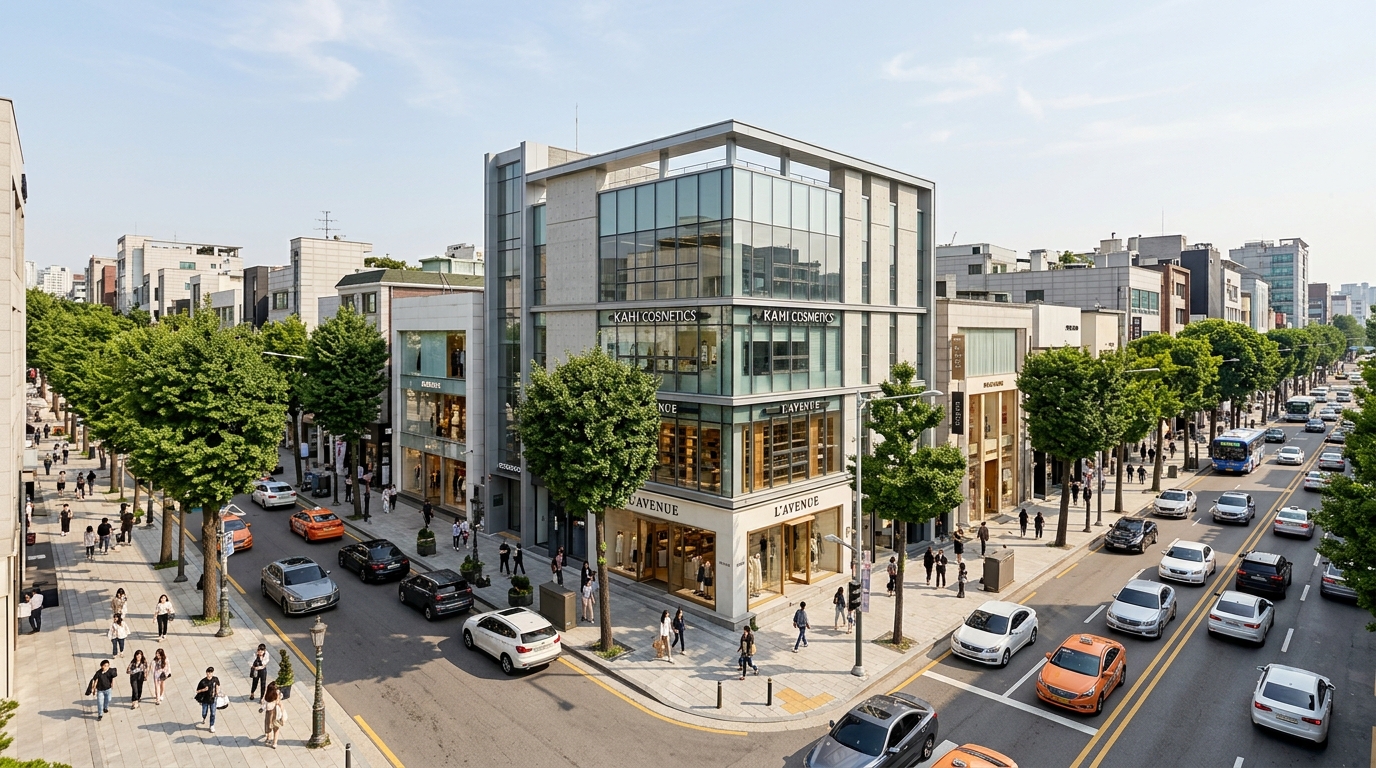

The Lee Junho building purchase represents a calculated shift in wealth management for one of South Korea’s most prominent entertainers, moving beyond the volatility of the stage into the tangible, high-stakes world of Gangnam real estate. When I first looked into the specifics of this $12.8 million acquisition, my initial reaction wasn’t just about the celebrity name attached to the headline; it was about the cold, hard logic of anchoring liquid entertainment earnings into a prime asset class. For high-earning professionals, the allure of commercial real estate is rarely about immediate returns. Instead, it serves as a bedrock for long-term capital appreciation and structural tax optimization. By examining the mechanics of this transaction, we can uncover a blueprint for how individuals with significant, albeit inconsistent, income streams should think about their own financial legacy.
Quick Summary
Asset Overview: A 17.5 billion KRW commercial building in Sinsa-dong, Gangnam, featuring a basement and four floors above ground.
Strategic Intent: The purchase aims at long-term capital growth and wealth diversification rather than immediate high-yield cash flow.
Operational Structure: Held through ‘JF Company,’ a family-owned corporate entity used to streamline tax and liability management.
Investment Performance: With a 1.4% rental yield, the focus remains squarely on the appreciation of land value in the elite Apgujeong area.
Regulatory Reality: High-profile acquisitions often trigger non-regular tax audits; proper legal counsel is not optional—it is a foundational requirement.
The Direct Answer: Why Celebrities Choose Commercial Real Estate
If you are wondering why top-tier stars choose to tie up massive amounts of capital in brick and mortar, the answer is simple: they are hedging against the uncertainty of fame. In the entertainment industry, your revenue is tied to your physical endurance, public sentiment, and project demand—factors that shift rapidly. By purchasing a building in a district like Sinsa-dong, an investor isn’t just buying space; they are buying an entry ticket to one of the most resilient real estate markets in the world.
My perspective on this, having observed similar portfolios in Asia, is that the ‘passive income’ narrative is often a misnomer for the uninitiated. This isn’t passive; it’s a structural pivot. By shifting money from a personal account into a corporate entity, an investor effectively creates a tax-efficient fortress. If you are looking to replicate this, understand that you are not buying a cafe; you are buying the location that the cafe happens to occupy. The building is merely the vessel for the underlying land value.
The Strategic Logic of Gangnam Real Estate
To truly grasp the value behind the Lee Junho building purchase, you have to look past the current facade of the brunch cafe or the nail salon currently leasing space. Sinsa-dong, and specifically the corridor near Apgujeong Rodeo, functions as a micro-economy. I’ve walked these streets and noticed how, regardless of broader economic downturns, the high-end retail sector in Gangnam remains stubbornly buoyant. This stability is the key to institutional-grade investing.
When you buy in a location with such extreme scarcity, your risk profile changes. You aren’t betting that the building will be more efficient; you are betting that the ground beneath it will remain in high demand. In the case of this 830-square-meter property, the history of previous owners—including the late actress Kang Soo-yeon—shows a clear trajectory of appreciation. When I analyze such assets, I always look for the ‘redevelopment floor.’ Even if the current building were to fall into disrepair, the land itself is worth more every decade due to local infrastructure improvements.
Understanding the Role of Corporate Entities
One of the most frequent misconceptions I encounter is that corporate ownership is solely about hiding assets. It isn’t. It is about professionalizing the investment. By using a vehicle like ‘JF Company,’ an investor creates a firewall between their personal life and their commercial liability. This is crucial when dealing with tenants, contractors, and tax authorities.
I remember working with a client who purchased a property in their own name, only to face a messy lawsuit when a visitor tripped on a loose step outside. That is a nightmare that corporate ownership mitigates. By separating the asset into a legal entity, the owner can hire professional management firms like Shinhan Asset Trust to handle the day-to-day grit. For a busy entertainer or any high-net-worth professional, this is the only way to keep the investment truly ‘passive’ without losing sleep over minor maintenance disputes.
Financial Realities: Yield vs. Appreciation
There is a common confusion among beginner investors regarding the 1.4% yield noted in this acquisition. If you look at this as a standard savings account, it looks terrible. However, in the realm of high-end Gangnam commercial real estate, this yield is almost irrelevant. The goal here is capital gains. If the building’s value increases by even a small percentage annually, the total equity growth far outstrips the monthly rental income.
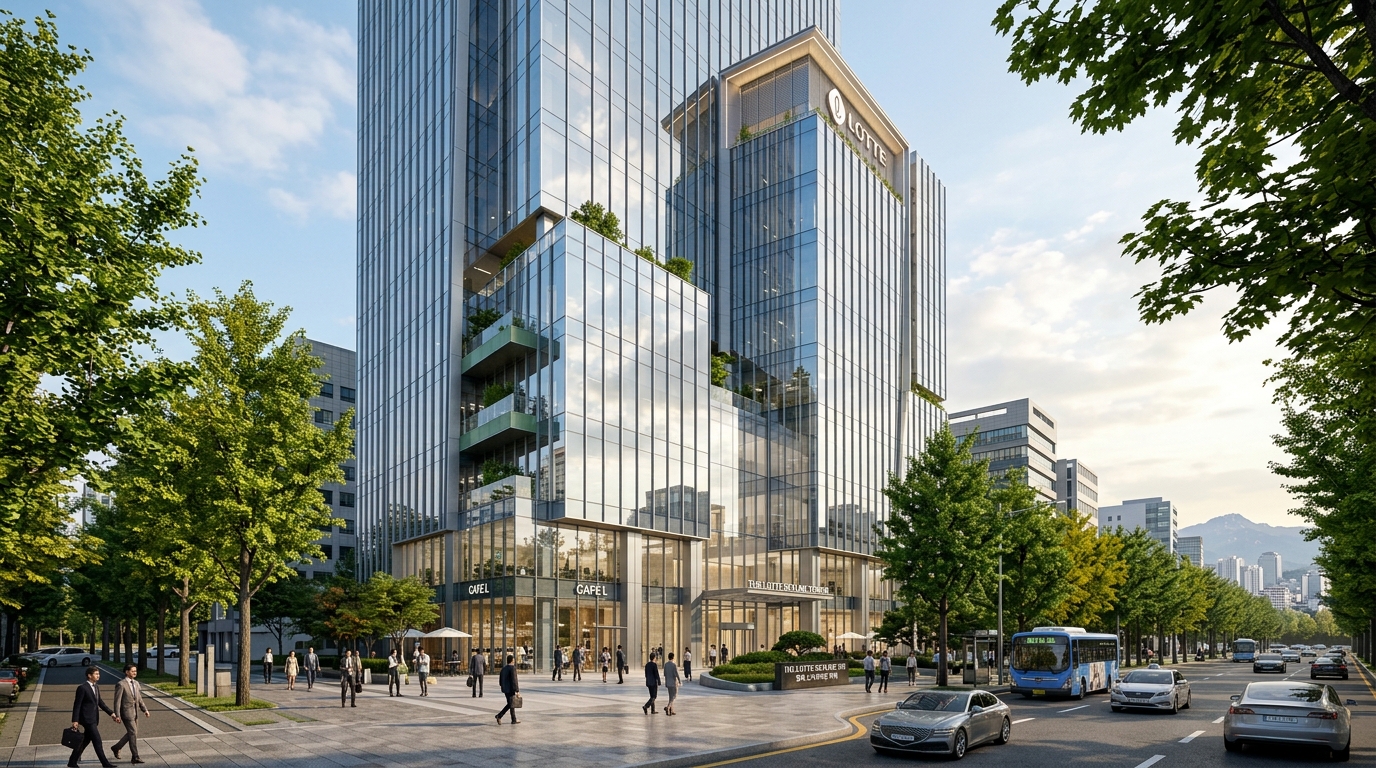
When I calculate the viability of such an asset, I ignore the immediate ‘cash on cash’ return. Instead, I focus on the ‘inflation hedge.’ Tangible, prime-location land is one of the few assets that historically keeps pace with or beats inflation in South Korea. The cost of entry is high—17.5 billion KRW is not pocket change—but the security it provides to a portfolio is unparalleled. If you have the liquidity, you aren’t looking for a paycheck from the building; you are looking for a vault for your wealth.
Navigating the Regulatory Landscape
No discussion of high-profile real estate is complete without addressing the audit process. It is important to realize that for anyone with a high profile or significant holdings, a ‘non-regular’ tax audit is often a matter of when, not if. My own experience with tax investigations is that they are rarely about criminal intent; they are usually about the complexities of interpreting corporate expense laws.
In this scenario, the issue was resolved through an additional payment, which is a standard outcome when government interpretations shift. The lesson here is to never, ever cut corners on legal representation. If you are going to play at this level, your accountants must be better than the regulators. If they aren’t, the cost of being ‘almost right’ is far higher than the cost of hiring top-tier counsel from day one. You have to treat the tax compliance part of the deal as seriously as the location scouting.
Who Should Invest in Commercial Real Estate (And Who Should Not)
Commercial property is often romanticized in media, but it is not a ‘get rich quick’ scheme. It is a ‘stay rich long’ strategy.
This is ideal for:
High-Liquidity Earners: People with consistent, excess cash flow who need to move money out of volatile markets (like stocks or crypto) into something tangible.
Long-Term Capital Preservers: Investors who are willing to wait 10, 15, or 20 years for their exit strategy. This is not for day-traders.
Passive Management Seekers: Those who have the budget to outsource property management to a third party so they can focus on their primary career.
You might want to skip this if:
You need short-term liquidity: Transaction fees, taxes, and the time required to sell a multi-billion KRW building make this one of the most illiquid investments possible.
You are sensitive to public opinion: Once you buy a building in your own name or a small private entity, it becomes public record. Expect media interest and scrutiny.
- You have thin margins: If you are over-leveraged, a single vacancy or a mandatory renovation project can lead to a liquidity crisis that forces you to sell at a loss.
- timesofindia.indiatimes.com
Common Mistakes to Avoid
Having witnessed many real estate transactions, I have seen two specific mistakes that haunt investors for years.
1. Underestimating Maintenance and Retrofitting
Many new investors look at the purchase price and calculate their return based on the current rent. They completely forget to account for the ‘hidden’ costs of ownership. What happens if the roof needs replacing? What if the city changes fire-safety regulations and demands a 500 million KRW upgrade to the sprinkler system? I once saw an investor lose their entire profit margin because they didn’t budget for the ‘hidden’ upkeep of an aging building. You must build a capital expenditure (CapEx) buffer into your annual forecast. If you aren’t setting aside at least 10-15% of your rental income for future building maintenance, you are just waiting for a disaster.
2. Misreading Market Cyclicality
Even in a place like Gangnam, prices do not go up in a straight line forever. I remember the frustration of investors who bought at the peak of a cycle only to see their property value stagnate for five years. The biggest mistake is buying during ‘FOMO’ (Fear Of Missing Out) without checking the local supply of new commercial space. If you buy at the top, your long-term gain becomes a long-term endurance test. You must be prepared to hold through the lean years, regardless of what the market is doing.
The Role of Professional Management
I cannot overstate this: the most successful investors I know never actually manage their own properties. They treat the property management fee—which usually runs 5-10% of gross rents—as the best money they spend all year. When you have a professional firm like Shinhan Asset Trust, they act as the buffer. They handle the awkward conversations about rent hikes, they manage the legal compliance for the tenants, and they ensure the building remains up to code.
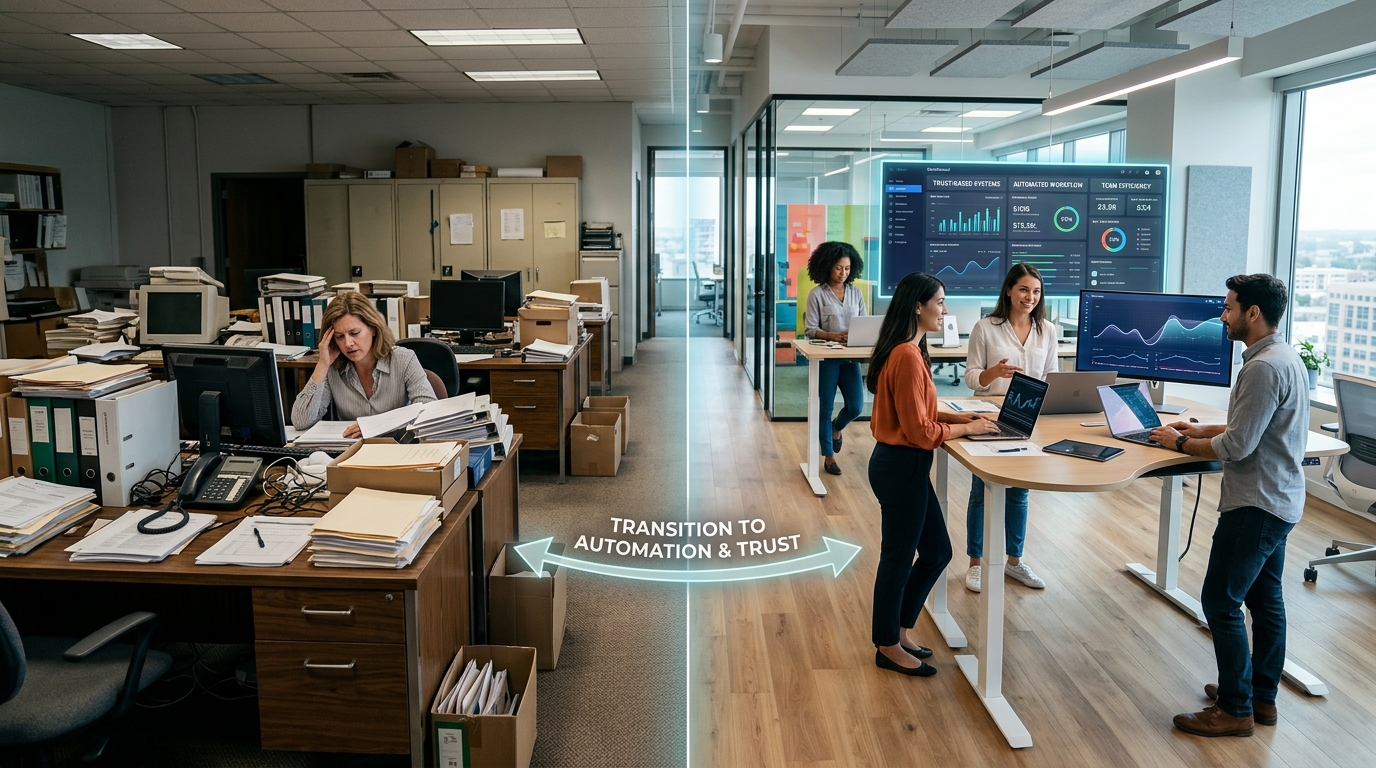
If you try to do this yourself, you are not really investing—you are taking on a second job. And let’s be honest: your time is almost certainly worth more than what you would save by being your own property manager. Treat the asset as a business, not a hobby. By delegating, you ensure that the investment remains a truly passive component of your wealth, leaving you free to focus on the career activities that generated the wealth in the first place.
Frequently Asked Questions
Was the tax audit a sign of financial trouble for Lee Junho?
No. It is a common misconception that an audit equates to financial distress. For high-net-worth individuals in South Korea, these audits are often procedural, especially when dealing with corporate-held real estate. The discrepancy in this case was a matter of professional interpretation between tax lawyers and the government. It was resolved swiftly, and the fact that the business continues to operate under the same structure suggests it was a standard regulatory hurdle rather than a systemic failure.
Is a 1.4% yield a bad return on investment?
In isolation, yes, 1.4% is low compared to other financial instruments. However, this is an incomplete way to evaluate prime commercial real estate in Gangnam. These buildings are bought for capital appreciation, which is the increase in the value of the underlying land. If the property appreciates by 5% a year, the total return is much higher than the rental yield. It is a ‘total return’ strategy where the rent covers holding costs and the appreciation builds the long-term wealth.
Why do celebrities prefer Gangnam over other districts?
Gangnam is the financial, cultural, and commercial heart of Seoul. It has the highest concentration of high-end consumer spending, meaning properties here are less likely to experience long-term vacancy compared to peripheral areas. For an investor seeking to protect wealth against inflation, there is no safer ‘moat’ than a location where every brand and business wants to have a presence. It is the real estate equivalent of a ‘blue chip’ stock.
Conclusion
The Lee Junho building purchase is a definitive example of how elite-tier wealth is managed: by transitioning from high-risk active income into low-risk, long-term capital storage. This transaction emphasizes that real estate in prime districts like Gangnam is not merely about collecting rent; it is about securing a permanent, appreciating asset that can survive the cycles of personal fame and market volatility.
If you take one lesson from this, let it be the necessity of professionalization. You must use corporate entities to manage your liability, hire trust companies to handle your maintenance, and always keep a reserve for regulatory or structural surprises. Whether your budget is 17 billion KRW or 170 million KRW, the principles remain identical: buy for location, protect through structure, and have the patience to play the long game. The building is not the end goal; it is the foundation upon which your financial legacy is built. As you move forward, evaluate your own portfolio—are you buying for a quick flip, or are you building for the next decade? If you choose the latter, you are already thinking like a seasoned investor.