
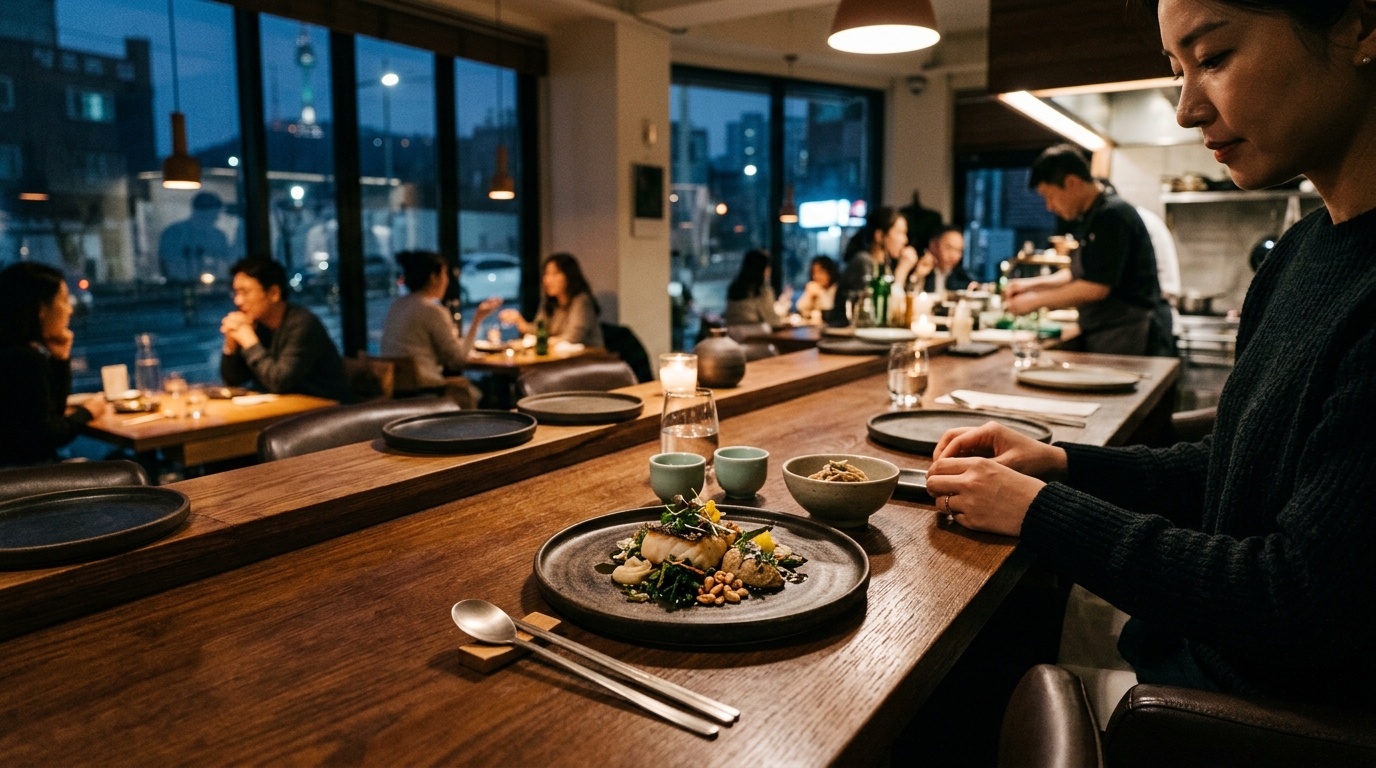

Navigating the landscape of Michelin star restaurants in seoul requires more than just a healthy bank account; it demands a deep appreciation for the friction between historical fermentation techniques and the aggressive, avant-garde innovation defining the modern Korean kitchen. When I first stepped into a high-end dining room in Gangnam, I expected white-tablecloth formality and perhaps a bit of pretension. What I found instead was a hyper-focused obsession with seasonality that shifted the way I view local ingredients entirely. The city has evolved into a global gastronomy powerhouse, and for the uninitiated, the sheer number of accolades can feel overwhelming. Whether you are hunting for the singular three-star experience or looking for the absolute best value in a Bib Gourmand noodle shop, understanding the rhythm of this city’s culinary scene is the key to a memorable trip.
Quick Summary
The Three-Star Apex: Mosu remains the singular benchmark for three-star innovation, focusing heavily on nature-driven, minimalist plating.
Strategic Dining: Lunch menus often mirror the quality of dinner courses but at a price reduction of 30% to 40%.
The Innovation Split: Distinguish between ‘Contemporary’ (traditional-forward) and ‘Innovative’ (cross-border, molecular) profiles before booking.
Reservation Rules: Walk-ins are non-existent at high-tier venues; book 4-8 weeks in advance to avoid disappointment.
Beyond the Stars: The 71 Bib Gourmand selections offer a more authentic, accessible window into daily Korean food culture than the ultra-fine dining rooms.
The Direct Answer: Where Should You Start?
If you have a limited window of time and want to experience the absolute peak of the scene, you should prioritize a reservation at Mosu. If your goal is to understand the soul of ‘New Korean’ cooking, book a table at Mingles or Jungsik, both of which serve as masterclasses in deconstructing traditional flavors like fermented soybean paste or chili, and reassembling them for a global palate. For those who want the prestige of a star but lack an unlimited budget, focus your search on the one-star lunch menus at establishments like Exquisine. You do not need to dine at five different starred venues to ‘get’ Seoul; identify whether you prefer the technical precision of a sushi omakase or the experimental, ingredient-forward approach of contemporary Korean labs, and anchor your trip around those profiles.
The Evolution of the Seoul Gastronomic Scene
I remember talking to a local chef who spent three hours just roasting and grinding black garlic for a single component of an amuse-bouche. This is the baseline in Seoul. Over the last decade, the shift from traditional court cuisine to high-concept dining hasn’t been a rejection of the past; it has been a meticulous translation of it. The 10th anniversary of the Michelin Guide in Korea recently highlighted this maturation. We are seeing a move away from ‘fusion’—a term that often implies a lack of direction—toward a more intentional synthesis where ancient jeol-gi (solar terms) dictate every ingredient that hits the plate.
The Fermentation Library
One of the most fascinating aspects of dining at top-tier spots like Evett or 7th Door is the ‘fermentation library.’ Chefs are not just using soy sauce; they are using house-made doenjang that has been aged for years, creating flavor depths that are almost earthy, dark, and challenging. In my experience, the best meals in the city are those where you can taste the passage of time in the sauce. This isn’t just about feeding guests; it is about documenting the environmental history of the Korean peninsula through preservation.
Understanding the Two-Star Tier
If the three-star category is the ‘destination’ dining, the two-star tier is the ‘battleground.’ This is where chefs are most active in pushing boundaries. Places like Jungsik are not just serving kimchi; they are forcing you to reconsider what a vegetable can be when treated with the same respect as a prime cut of wagyu. I once had a dish there that utilized a simple radish cooked in rice liquor, yet it possessed the complexity of a dish that had been simmering for three days.
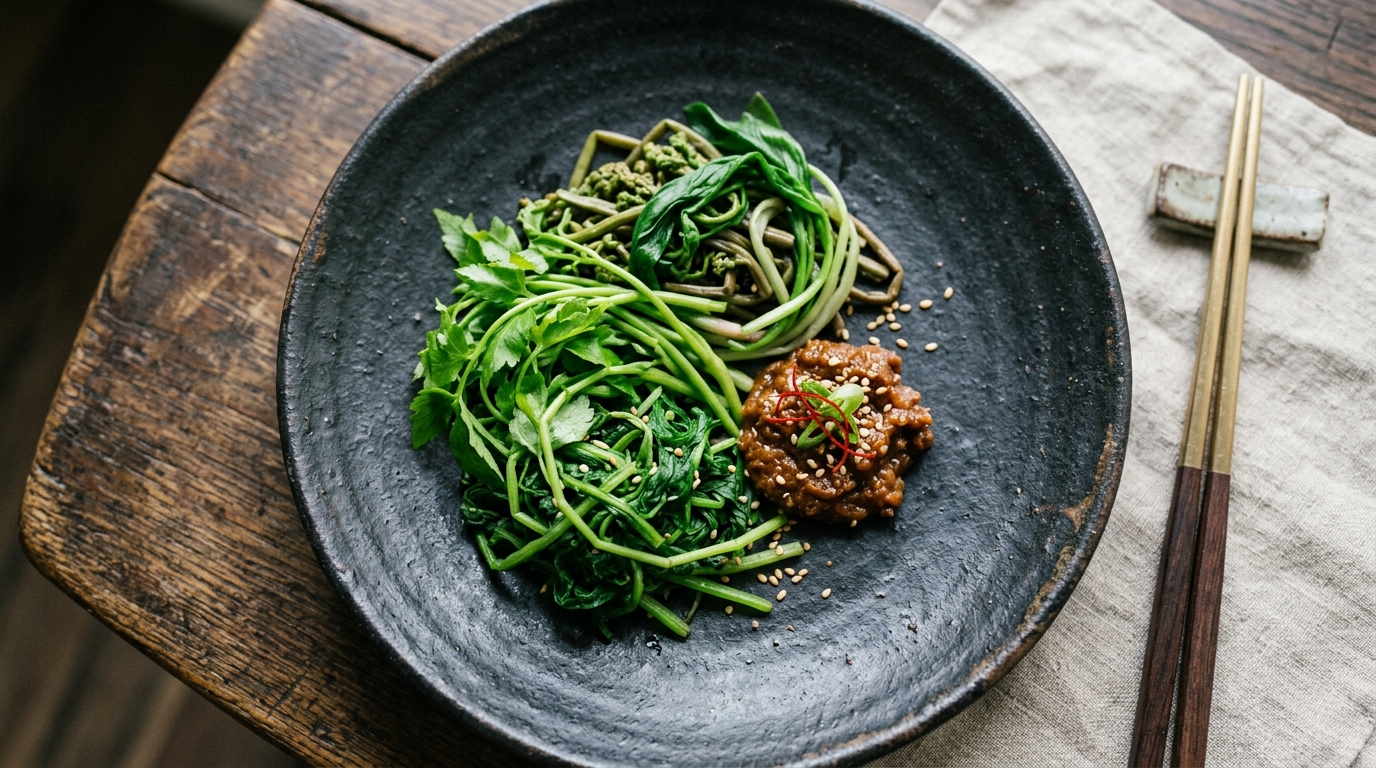
When you sit in a two-star room, you are witnessing a pivot point in the chef’s career. They have the resources to source the best ingredients, yet they are still hungry enough to experiment. If you appreciate the narrative arc of a tasting menu—where the flavors build and taper like a piece of music—this tier offers the highest value-to-experience ratio in the city.
The Japanese Omakase Presence
It is impossible to ignore the impact of Japanese culinary techniques on the Seoul dining scene. High-end sushi counters like Kojima have become institutions in their own right. I recall a meal in Apgujeong where the shari (sushi rice) temperature was adjusted mid-meal to match the increasing fat content of the fish being served. This level of granular control is common among the top sushi spots in the city. They treat fish not as a commodity but as a fragile, finite resource. For those who love the discipline of sushi, Seoul provides an experience that rivals Tokyo, often with an added layer of hospitality that feels uniquely warm and attentive.
Cost and Value Analysis: Lunch vs. Dinner
Many travelers fall into the trap of assuming dinner is the only way to experience a star-rated kitchen. This is a massive mistake. In Seoul, the lunch service is often a truncated or slightly modified version of the dinner menu, costing significantly less.
| Tier | Avg Lunch Price (KRW) | Avg Dinner Price (KRW) | Value Proposition |
|---|---|---|---|
| 3-Star | 180,000+ | 320,000+ | Exceptional narrative dining |
| 2-Star | 160,000 | 280,000 | Perfect balance of craft/cost |
| 1-Star | 110,000 | 200,000 | High-quality, accessible entry |
Note: Prices are estimates based on standard tasting menus and are subject to change based on seasonal availability and menu shifts. I have saved thousands over the years simply by timing my fine dining visits for midday, which leaves my evenings free to explore the vibrant street food culture of districts like Gwangjang Market.
Who Should (And Who Should Not) Target These Restaurants
This is ideal for:
Culinary Travelers: If your itinerary is built around the next bite, these spots are the essential anchors of your trip.
Celebratory Occasions: The level of service in these rooms—often including impeccable beverage pairings—makes them the perfect choice for birthdays or anniversaries.
Trend Seekers: If you want to see how global Asian cuisine is evolving in real-time, this is the laboratory for the future.
You might want to skip this if:
You Are on a Budget: While lunch is a deal, you can find a life-changing bowl of noodles or samgyetang in a local market for one-tenth of the price. The soul of Seoul is not exclusively found in star-rated rooms.
You Dislike Fixed Menus: If you suffer from extreme pickiness or strict food phobias, the rigid tasting menu format can feel like a prison. Most kitchens will accommodate allergies, but the chef’s vision is the priority.
- You Value Casual Chaos: If you want to drink beer, laugh loudly, and eat with your hands, the hallowed, hushed atmosphere of a high-end salon might feel restrictive to you.
- www.koreatimes.co.kr
- www.kuow.org
- www.abc.net.au
- www.koreatimes.co.kr
- www.koreatimes.co.kr
Common Mistakes to Avoid
1. The ‘Western Expectations’ Trap
Don’t go to a modern Korean restaurant expecting a steak and a glass of Bordeaux. The menu might look familiar in structure, but the flavors are built on fermented foundations that can be startling if you are expecting mild, familiar Western flavor profiles. I once took a guest who hated the smell of fermented fish to a restaurant that specialized in coastal fermentation. They left hungry and confused. Always read the menu’s ‘philosophical statement’ on the restaurant website before you commit.
2. Ignoring the Booking Window
I have seen too many travelers show up at the door of a two-star restaurant in Gangnam with a hopeful smile, only to be turned away by a receptionist who genuinely has no space for the next three months. These are not walk-in joints. You must use the official booking platforms or the restaurant’s website as soon as the reservations open, which is usually exactly thirty days in advance.
The Role of Sustainability and Innovation
I have noticed a distinct shift toward sustainability in the most recent additions to the Michelin guide. Restaurants like Doori are taking ‘zero-waste’ to an extreme, using ingredients that are traditionally discarded, like tomato skins or vegetable trimmings, to create sauces and tarts. This is not just a marketing gimmick; it is an economic necessity for modern chefs who want to show they are responsible stewards of the ingredients. When you dine at these places, look for the ‘Green Star’ designation; it usually indicates that the chef is operating with a level of intentionality that is rarely seen elsewhere in the industry.
Frequently Asked Questions
Do I need to learn Korean to enjoy these restaurants?
Absolutely not. While basic Korean phrases are helpful for general travel, the front-of-house staff at virtually every starred restaurant in Seoul speaks fluent English. Many menus are also available in English or the staff will provide a detailed walkthrough of the ingredients and the inspiration behind each dish in English.
What is the dress code for Michelin restaurants in Seoul?
Smart casual is the absolute gold standard. You do not need a suit, but you should avoid flip-flops, athletic shorts, and tank tops. Think along the lines of a crisp button-down shirt or a smart blouse. The environment is refined but not stiff; you are there to eat well, and the staff wants you to be comfortable, but showing respect for the setting is part of the culture.
How long should I plan for a meal?
Budget for at least 2.5 to 3 hours for a tasting menu. These meals are designed to be a marathon, not a sprint. Each dish is served with an explanation, and the pacing is intended to let the palate recover between courses. If you have a flight to catch or an early morning tour, do not schedule a dinner at a three-star establishment that night.
Are there any vegetarian options at these places?
This is becoming more common, but it is not universal. Because many of the techniques rely on fermented fish pastes or animal fats for depth, you must check the restaurant’s policy before booking. I have had success by calling 72 hours in advance. Some of the newer ‘temple cuisine’ inspired spots are naturally more accommodating, but always inquire first.
Conclusion: Your Seoul Gastronomic Roadmap
Dining at the Michelin star restaurants in Seoul is a commitment to understanding a culture that is in the middle of a massive, delicious identity crisis. It is a place where the chefs are as likely to have trained in Paris as they are to have spent ten years learning the secrets of a temple master’s fermentation jars. My best advice? Do not try to eat the whole city in one go. Pick one anchor experience—perhaps a three-star tasting menu that challenges your palate—and spend the rest of your time getting lost in the Bib Gourmand spots. The high-end restaurants are the fireworks, but the local noodle shops and market stalls are the foundation that makes those fireworks possible. Take your time, eat slowly, and remember that every plate here is the result of years of work. Whether you are at a high-end Gangnam table or a hidden, tiny corner shop, you are participating in a conversation that has been going on for centuries. Enjoy the feast.