
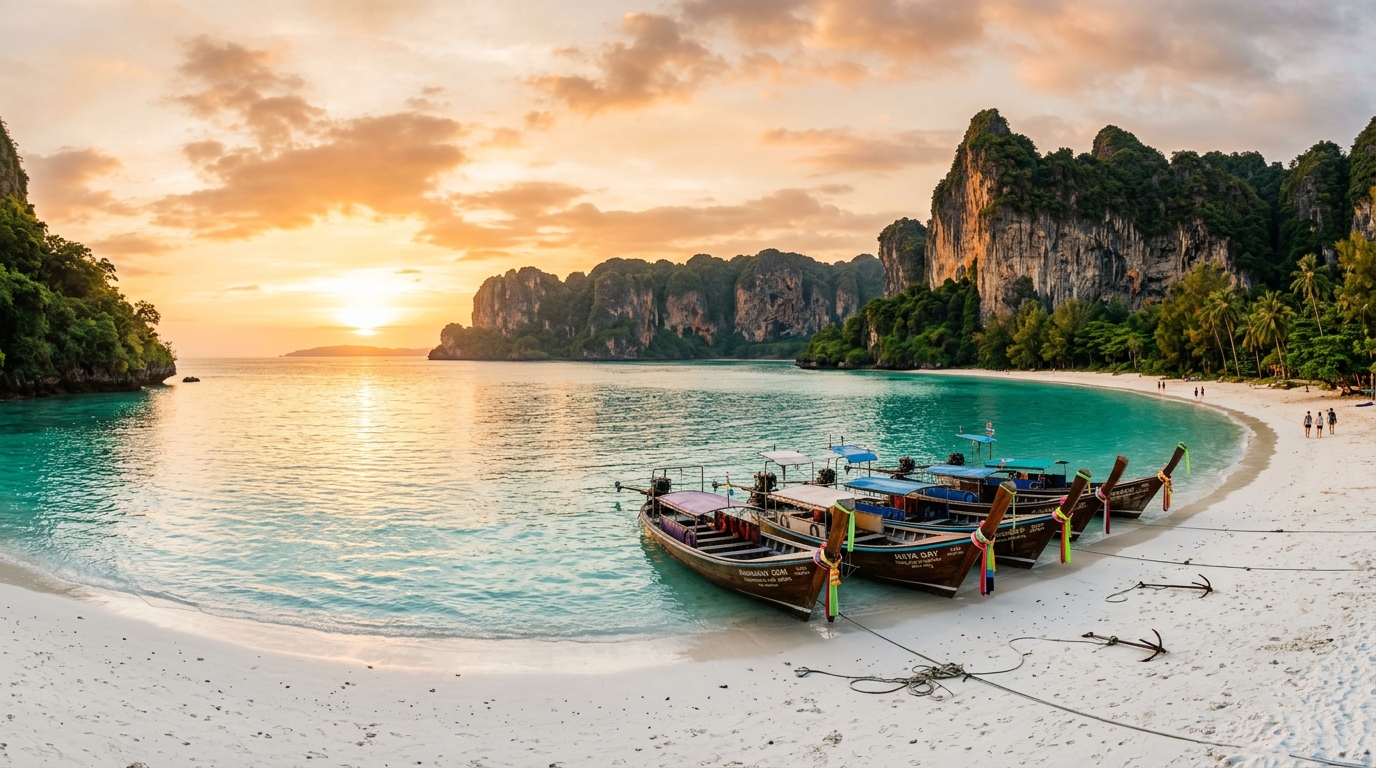

Planning a journey to the best Asia pacific destinations requires more than just picking a spot on a map; it demands an understanding of the rhythm, climate, and unique character of this vast region. When I first stepped off a plane in Bangkok, the humidity hit me instantly, followed by the intoxicating scent of lemongrass, diesel, and grilled street food—a sensory overload that defines much of this corner of the globe. Navigating the Pacific Rim is about balancing the chaotic energy of its metropolises with the quiet, meditative moments found in its mountains and coastal retreats. Whether you are seeking the hyper-modern skyline of Tokyo or the rugged, surfing-focused shores of Siargao, the region offers a depth that few other places can match.
Quick Summary
Prioritize Southern Hemisphere destinations like Australia and New Zealand during Northern Hemisphere winter months to maximize weather and airline loyalty points.
Phu Quoc, Vietnam, represents a growing shift toward high-end luxury, with recent tourism revenue jumping by 90%.
Use major regional hubs like Taipei or Singapore as your primary transit points to access secondary, more authentic locations like Sumba or Palawan.
Leverage transfer partners like Air France-KLM Flying Blue to book premium transpacific cabins, often saving thousands over cash fares.
Always carry an offline translation tool and local eSIM data; connectivity remains the biggest logistical differentiator for independent travelers.
Where Should You Go First?
If you are wondering which of the best Asia Pacific destinations to prioritize, the answer depends entirely on your travel philosophy. For those seeking a seamless transition into the region’s culture, I always recommend starting in Thailand or Singapore. these hubs provide a ‘soft landing’—excellent public transit, English-proficient service industries, and a perfect blend of tradition and modernity. If your goal is raw, unfiltered exploration, you should head directly to the Philippines or Indonesia. Places like Siargao or Sumba offer that rare, ‘lost in time’ feeling that is rapidly disappearing from more commercialized islands like Bali. You do not need to spend a fortune to enjoy these spots, but you must be prepared for less predictable infrastructure.
The Southern Hemisphere Summer Advantage
One of the biggest mistakes travelers make when looking at the Pacific is ignoring the seasonal flip. While the Northern Hemisphere enters the grip of winter, the Southern Hemisphere—specifically Australia, New Zealand, and the Cook Islands—is entering its peak summer season. I have found that late November through March is the absolute ‘sweet spot’ for these regions. The skies are generally clear, the water temperatures are optimal for swimming, and the outdoor cultural calendars are packed.
Travelers should take note of the current promotional windows for these routes. With major loyalty programs offering up to 50% off award travel for travel between November and March, it is a financially savvy time to cross the Pacific. I personally favor using Honolulu as a transit hub; the flight times are shorter and the point redemption rates are often significantly lower than routing through major mainland hubs. If you are flying from the U.S. West Coast, aim to book these segments during the early November windows to maximize your point value.
Luxury vs. Authenticity: Choosing Your Vibe
The definition of luxury in Asia is evolving. In the past, it meant gold-leaf service and grand marble lobbies. Today, places like Phu Quoc in Vietnam are redefining the experience. The island has seen a staggering 90% increase in tourism revenue over the last year, largely because it has masterfully integrated upscale entertainment complexes with its ancient temple heritage. I visited Phu Quoc last year, and what struck me was how the island managed to host world-class luxury resorts without feeling completely detached from the local fishing culture. It is not just a beach destination anymore; it is a blueprint for how sustainable tourism can scale without losing its soul.
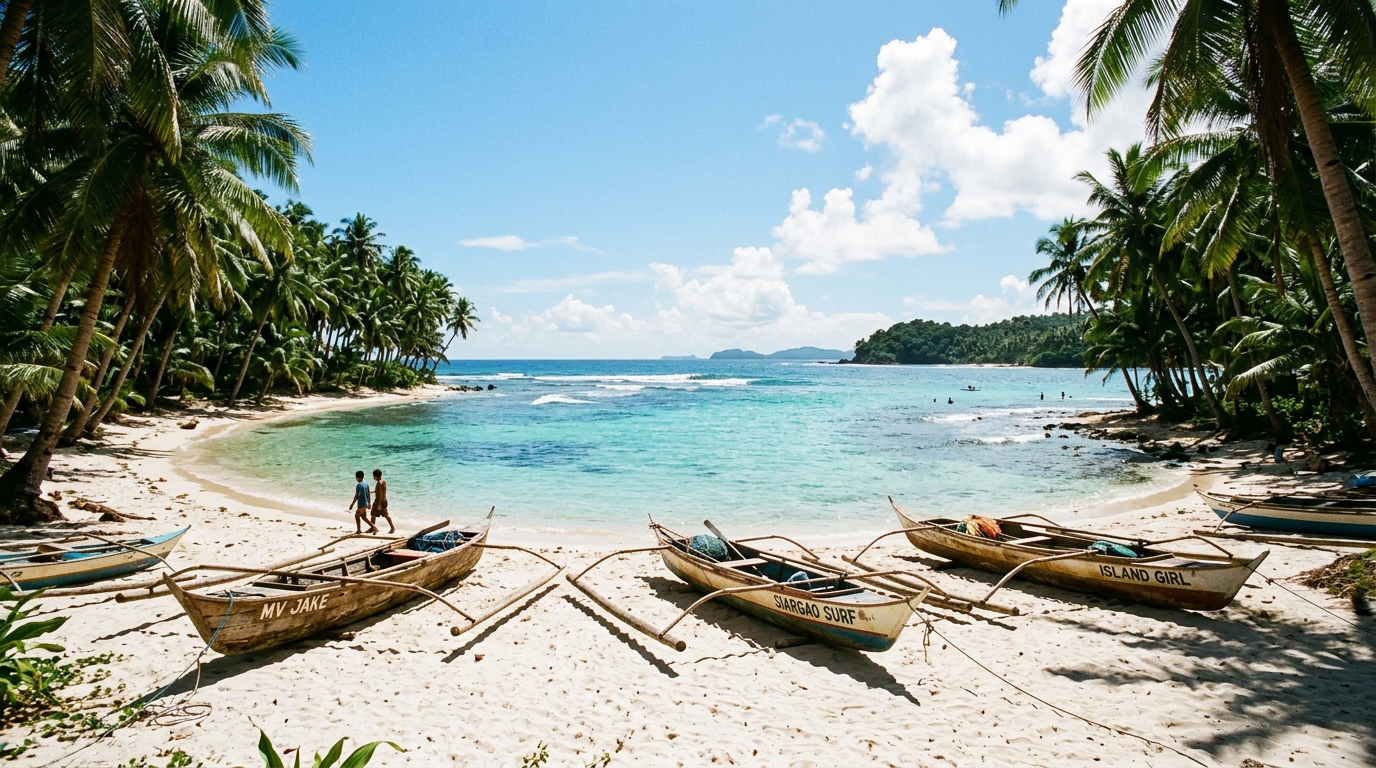
In contrast, destinations like Siargao in the Philippines are the opposite of the resort experience. If you are looking for five-star spas and climate-controlled luxury, Siargao might frustrate you. However, if you are looking for what Bali felt like in the 1970s—surf breaks, dirt roads, and communal dining—this is where you go. You are trading creature comforts for an authentic, low-impact connection with nature. I spent a week there and found that the lack of big-brand development was actually the biggest perk of the trip.
Mastering the Transpacific Flight Strategy
For travelers looking to cross the Pacific in lie-flat luxury without paying upwards of $5,000, the primary challenge is not financial—it is one of availability. My advice is to stop focusing on your final destination and instead target ‘high-capacity hubs’ in Asia. By booking the long-haul flight into a major hub and handling the final leg via a short-haul regional connection, you can drastically increase your odds of finding reward space.
Taipei is currently my top recommendation for business class seekers. According to recent aviation data, business class capacity from the U.S. and Canada to Taipei has increased by 26% compared to pre-pandemic levels. With carriers like China Airlines, EVA Air, and the newcomer Starlux Airlines competing for passengers at Taipei (TPE), the availability of premium seats has never been better. I have successfully used this route to pivot into Southeast Asian cities that otherwise rarely release award space.
Cost and Logistics: A Real-World Breakdown
Budgeting for these destinations requires you to account for more than just flights. I break my travel costs into three tiers based on infrastructure and local pricing power.
| Destination Type | Daily Budget Range | Primary Benefit |
|---|---|---|
| Metropolitan Hub | $200 – $500 | Ease, culture, dining |
| Emerging Luxury | $150 – $350 | New infrastructure, comfort |
| Off-Grid/Adventure | $50 – $150 | Authentic vibe, nature |
The Infrastructure-Heavy Tier
In cities like Tokyo, Singapore, and Hong Kong, expect to pay prices comparable to New York or London for accommodation and fine dining. However, you save on transportation due to world-class public transit systems. I typically budget $200–$400 per day here to ensure I can enjoy the culinary scene without stress. The secret is to prioritize public rail passes, which are often heavily discounted for foreign tourists.
The Balanced Tier
Bangkok, Kuala Lumpur, and Ho Chi Minh City sit in the middle ground. Your money goes incredibly far here. A $100 per day budget allows for high-end meals and boutique hotel stays that would cost three times as much in the West. I often find the best food in these cities comes from street vendors where a meal costs less than $3.00, meaning you can splurge on experiences like a private river cruise or a high-end spa treatment without breaking your budget.
The Adventure Tier
Destinations like Sumba, Siargao, and Palawan are where costs get erratic. You might find a $30 bungalow on the beach, but getting to these islands requires multiple domestic flights, boat transfers, and local transport, which adds up. Always budget an extra 20% for unexpected logistics. When I traveled to Sumba, I spent more on a 4×4 rental and private driver than I did on the actual room, but the trade-off was reaching waterfalls that saw fewer than ten visitors a week.
Culinary Tourism: Eating Your Way Through the Pacific
Hilton’s latest market research suggests that one in five global travelers now makes dining the primary motivation for their trip, and nowhere is this more evident than in Southeast Asia. I have noticed a shift where travelers are no longer just looking for a meal; they are seeking out ‘gastro-cocktail’ experiences that marry local ingredients with modern mixology.
For example, if you find yourself at the Conrad Singapore Orchard, the bar scene is now treated with the same reverence as the kitchen. I recently experienced a cocktail pairing where the drink was fat-washed with yoghurt and popcorn—a bizarre description, but a revelation in practice. When you prioritize these dining-centric locations, you are often rewarded with better service and a deeper connection to the local artistic scene, especially in cities like Saigon where rooftop bars offer a vantage point over the city that you simply cannot get from street level.
Who Should Choose These Destinations
This is ideal for:
The adaptable traveler: You appreciate a mix of cultural immersion and modern convenience and don’t mind a schedule that changes on a whim.
The culinary enthusiast: You want to explore dim sum in Hong Kong, street noodles in Vietnam, and high-end fusion dining in Singapore.
The point-savvy planner: You enjoy the game of booking award travel and want to maximize value across global airline alliances.
You might want to skip this if:
You want a rigid, 10-day package: The region often rewards those who can roll with a delay or a last-minute change in flight schedule.
You have severe mobility concerns: Many of the most authentic spots—especially island coastal paths or temple districts—require significant walking on uneven, often unpaved, terrain.
- You are looking for ‘Western’ consistency everywhere: If you need 24/7 climate control and constant English-speaking support, you will find the remote island segments of this region challenging.
- upgradedpoints.com
- thriftytraveler.com
- www.smh.com.au
- stories.hilton.com
- thepointsguy.com
Common Mistakes to Avoid
1. The ‘Island Hopping’ Trap
I see many travelers try to visit three countries in two weeks. This is a recipe for exhaustion. In Southeast Asia, logistics can be slow. A simple flight delay can cascade, ruining your entire itinerary. Pick one or two base regions and go deep rather than broad. I once spent five days in just one district of Mumbai and saw more than friends who spent two days rushing through the whole city. If you find yourself checking in and out of hotels every 48 hours, you are traveling too fast.
2. Ignoring Micro-Climates
It is easy to assume that ‘tropical’ means ‘same weather everywhere.’ In reality, the monsoon seasons vary wildly within a single country. The dry season on the west coast of Thailand may be the wet season on the east coast. Always check specific regional weather data, not just country-wide averages, or you risk spending a week in your hotel room while it pours outside. I learned this the hard way in central Vietnam, where a supposed ‘dry’ month turned into five straight days of torrential rain because I ignored the localized mountain weather patterns.
Frequently Asked Questions
When is the best time to book flights to Asia?
I recommend booking international long-haul flights at least 4-6 months in advance, especially if you are traveling during peak seasons like Lunar New Year or the December holidays. For the best deals, keep an eye on airline loyalty promotions. Sometimes, waiting for a ‘Global Getaways’ style promotion in November can save you 50% on award tickets if you have points saved, but do not count on these sales for peak holiday dates. If you are targeting a specific premium cabin, 10-11 months is your ideal window.
Is it safer to stick to luxury resorts in developing areas?
It is a common misconception that you need a luxury resort to be safe in destinations like Vietnam or Indonesia. Most of these countries are incredibly welcoming to independent travelers. However, staying in a well-reviewed boutique hotel often provides a ‘middle ground’—you get the local flavor and personal service of a smaller property with the security protocols you would expect from a larger brand. I usually opt for boutique hotels because they often have local hosts who offer better, more authentic advice than hotel concierges who might just recommend the most expensive nearby tour.
How do I manage connectivity and data?
Technology has made travel in the region much easier. I always skip the expensive international roaming plans from home. Instead, I use an eSIM app (like Airalo) to purchase a local data package the moment I land. It typically costs $10–$15 for enough data to last a week, allowing you to use navigation apps and ride-sharing services like Grab in Southeast Asia without massive roaming charges. It’s a total game-changer for solo travelers, as it keeps you connected to maps and transport apps even in remote areas.
How much do I need to worry about the language barrier?
In major cities like Tokyo, Bangkok, or Singapore, you will rarely face significant issues. In more remote areas, English is less common, but the ‘universal language’ of travel—a smile, a pointing finger, and a translation app—will get you almost anywhere. I always download an offline language pack on Google Translate before I arrive in a country. It has saved me on more than one occasion in rural Vietnam, where even simple logistics like train station signs weren’t in English.
Conclusion
Choosing among the best Asia Pacific destinations is an exercise in deciding what kind of traveler you want to be. Whether you are seeking the neon-lit energy of a metropolis like Seoul or the quiet, surf-washed beaches of Siargao, the region rewards preparation but also leaves room for spontaneity. By focusing on seasonal alignment—especially using the Southern Hemisphere summer window—and balancing your budget between high-end urban stays and authentic island adventures, you can create a trip that offers genuine value.
My best advice is to stay flexible, pack light, and keep an open mind for the unexpected detours that usually end up being the best part of the trip. If you are ready to book, start with your loyalty program’s current transfer bonuses, narrow down your region based on your specific climate preference, and dive into the planning phase now. The Pacific Rim is evolving rapidly, and the best way to experience it is to show up with a plan that has enough room to break.