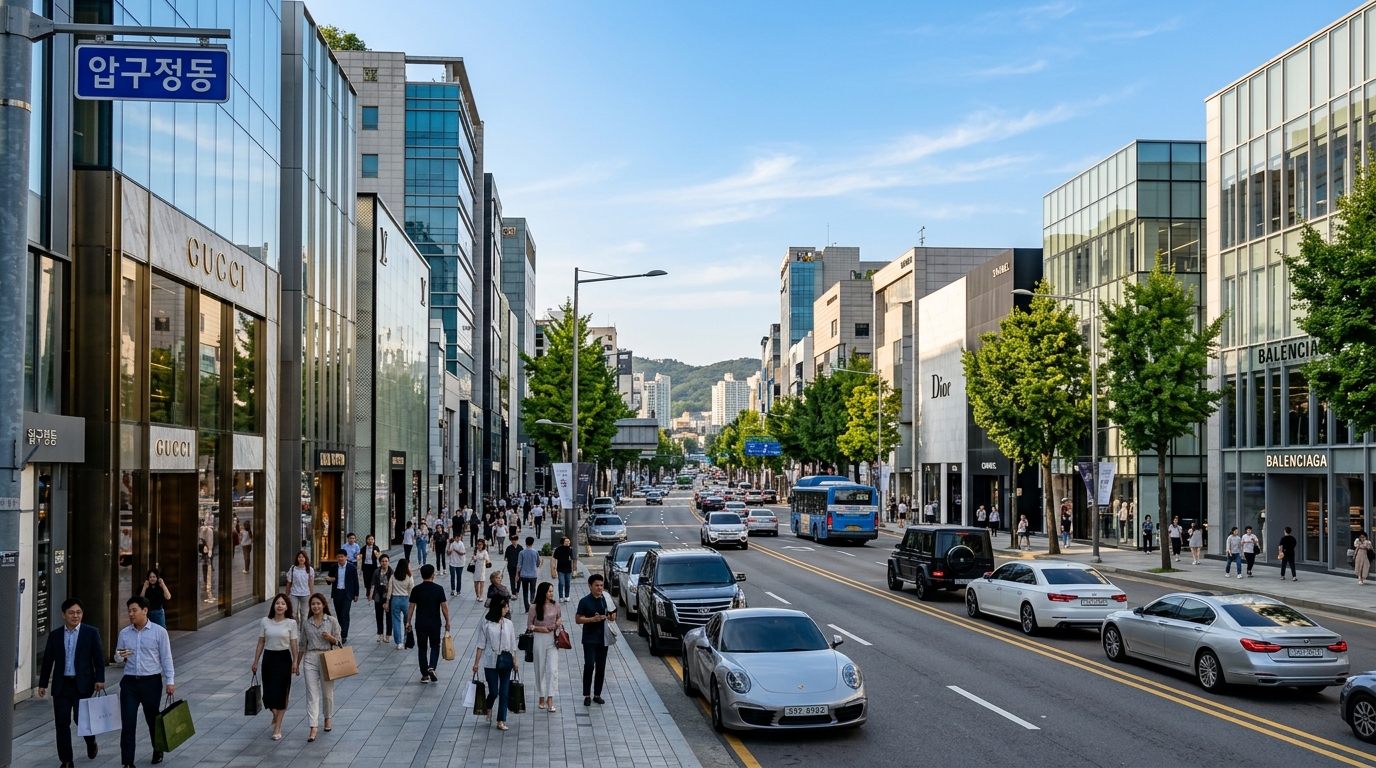

Exploring the affluent streets of Apgujeong-dong is an essential component of any curated Apgujeong-dong travel guide for those wanting to experience the unparalleled glitz of Seoul. often compared to Beverly Hills, this district sits in the heart of Gangnam-gu and represents the pinnacle of wealth, beauty, and trend-setting fashion in South Korea. If you want to understand the lifestyle of Seoul’s elite, there is simply no better place to start than the sidewalks here, where the air feels heavy with prestige and the latest designer trends.
Quick Summary
Apgujeong-dong is the epicenter of luxury, high fashion, and beauty services in Seoul, known for its extreme wealth.
The area is a hub for flagship stores, independent boutiques, and celebrity-frequented pop-up events.
Renowned for world-class dermatology and plastic surgery clinics that offer advanced procedures.
Features high-end traditional Korean dining, or hanjeongsik, and ultra-aesthetic cafes near Dosan Park.
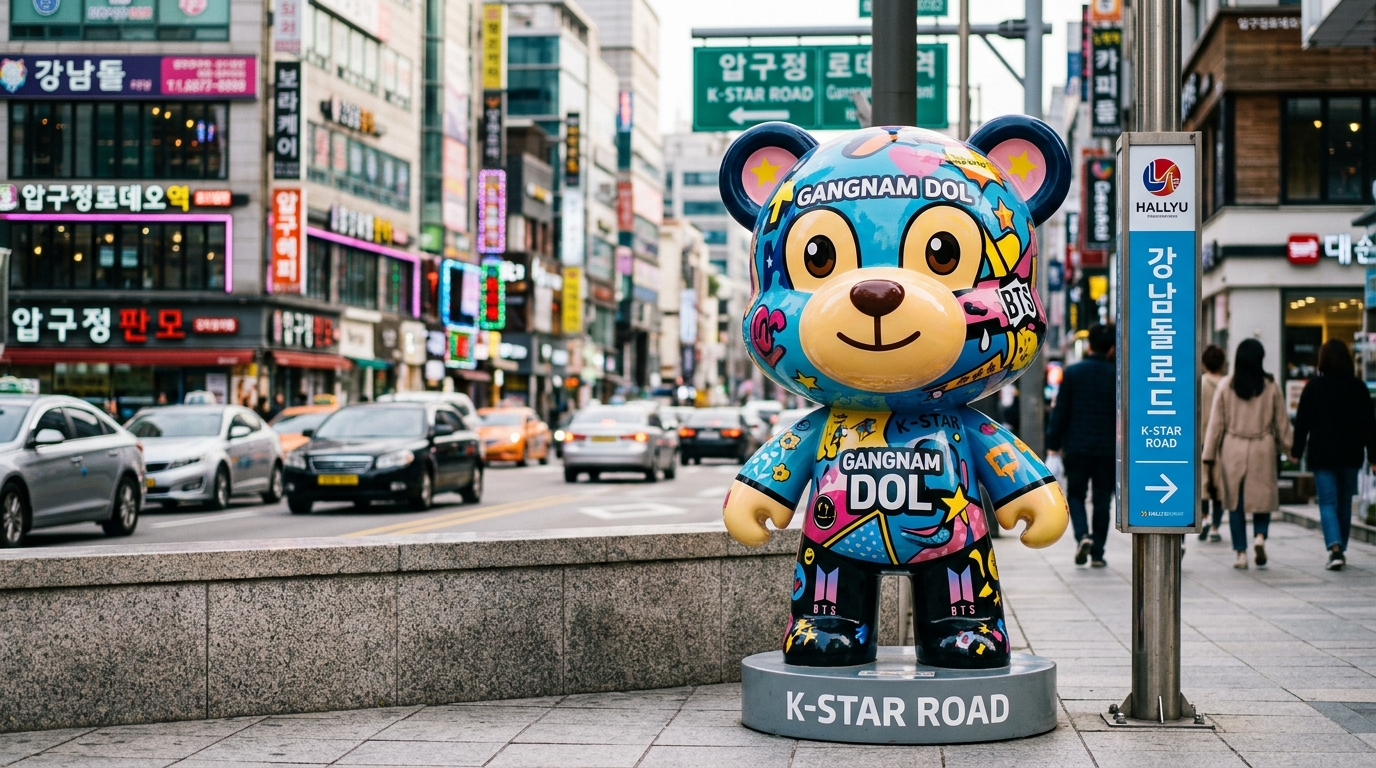
Home to K-Star Road, a dedicated path celebrating K-pop idols with unique art installations.
Your Direct Answer to Navigating Apgujeong-dong
If you are wondering if you should visit Apgujeong-dong, the answer depends on your travel goals. You should prioritize this neighborhood if your itinerary focuses on luxury shopping, aesthetic cafe-hopping, or medical tourism. However, if your goal is to find budget-friendly street food or historic traditional architecture, you should likely allocate your time to areas like Bukchon or Insadong instead. The cost of entry here is high, and the atmosphere is intentionally curated for an upscale demographic. To maximize your experience, I suggest spending one full afternoon here, starting with lunch at a cafe near Dosan Park, followed by a walk down the fashion-forward streets, and concluding with a visit to the K-Star Road.
The Evolution of the District
To truly grasp the vibe of Apgujeong-dong, you have to look at its history. Named after a pavilion built by the Joseon-era official Kwon Myeong-hoe, the area was once quiet and pastoral. That changed drastically in the late 1970s. As Seoul industrialized at an unprecedented rate, this area became the preferred residence for the nouveau riche. It served as a gateway for foreign products and luxury vehicles to enter the Korean market, creating a sharp contrast with the rest of the developing nation at the time.
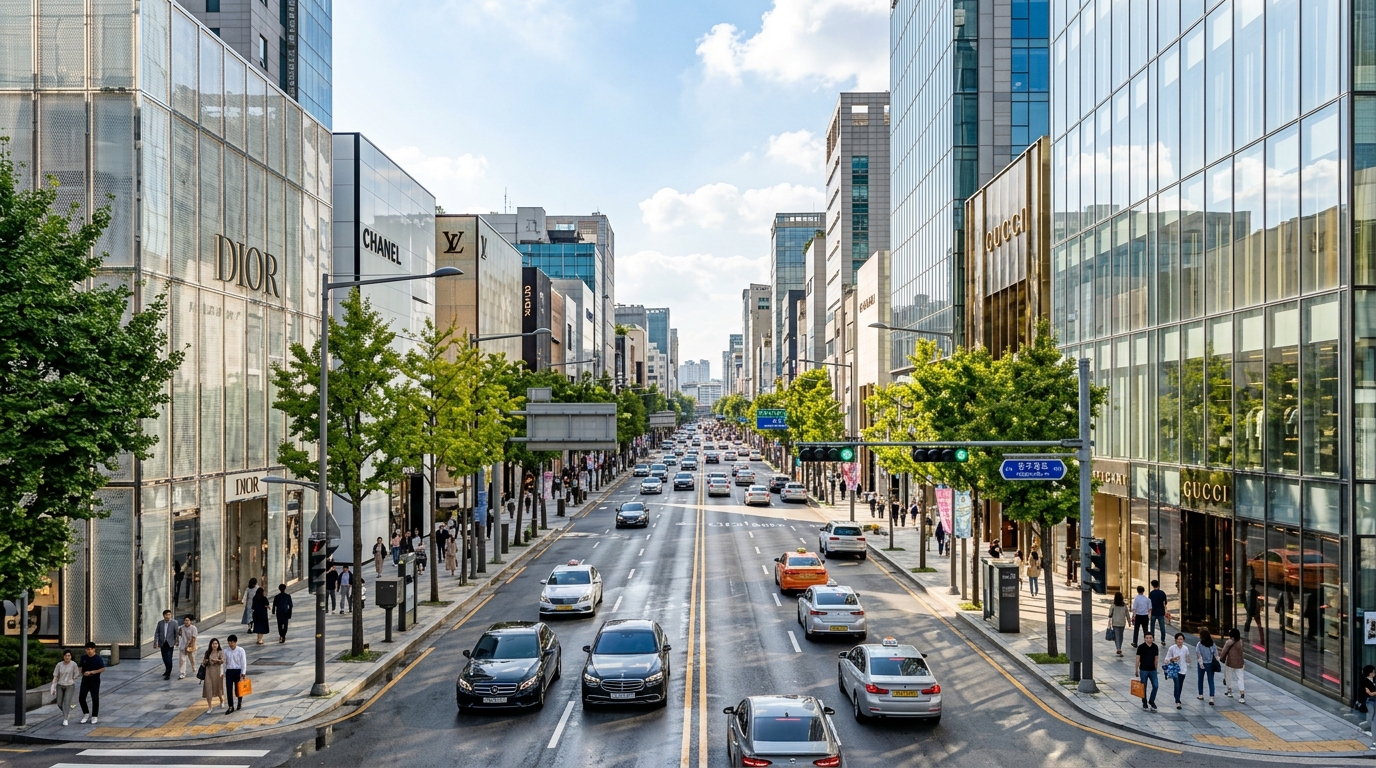
I remember walking these streets for the first time; the architecture felt like a statement of power. Unlike the cramped, narrow alleys of older districts, the roads here feel broad and intentional. Today, it stands as the gold standard for what the “Gangnam Style” phenomenon eventually put on the global map. It is not just a place for shopping; it is a display of social status and economic dominance that continues to evolve with every passing season. Understanding this historical shift is essential to appreciating why the area feels so different from the rest of the capital.
Fashion and the Neighbourhood of Style
Walking through Apgujeong-dong, you quickly notice why it earned the moniker “Neighbourhood of Fashion.” It is common to see people who look like they stepped directly off a runway. The street style here is not just an aesthetic; it is a competitive sport. Every boutique and department store seems to curate its windows to compete for the attention of the city’s wealthiest residents.
The Shopping Experience
When you go shopping here, do not expect your standard mall experience. Instead, look for the flagship stores that are often designed by world-renowned architects. These buildings are often art pieces in their own right. I have spent hours just browsing the exterior design of these shops before even stepping inside. The independent boutiques are where you will find the most unique items, often imported from Europe or created by local designers who cater specifically to the Gangnam crowd. If you are looking for rare, limited-edition streetwear or high-fashion accessories, this is your primary destination.
Navigating the Boutique Scene
Don’t limit yourself to the major fashion houses. Many of the most interesting finds are tucked away in smaller buildings. When I first visited, I mistakenly thought I needed to stick to the main road. I later realized that walking down the smaller side streets reveals exclusive vintage shops and concept stores that rarely appear on tourist maps. These shops are where the local trendsetters spend their money. Be prepared to spend at least two to three hours just exploring the retail landscape if you want to find something truly special.
Medical Tourism and Beauty Services
One of the most defining aspects of this district is its concentration of dermatology and plastic surgery clinics. Because the area caters to celebrities and wealthy elites, the quality of care is exceptionally high. When I researched the options for dermatological treatments, I found that you can access advanced laser therapies for a fraction of what they cost in North America. The technology is state-of-the-art, and the staff are often accustomed to handling high-profile clients, meaning the level of service and discretion is top-tier.
Why Prices Seem Lower
Many tourists are surprised by the pricing. Because Korea has a hyper-competitive medical market, there is significant downward pressure on prices for non-surgical procedures like fillers, chemical peels, and skin-tightening treatments. However, a word of caution: do not simply choose the clinic with the lowest price. Look for clinics that specialize in foreign patient services, as they will have English-speaking staff and the necessary accreditation to ensure you are receiving safe, regulated treatments. Never compromise your health for a discount in a sector that requires such precision.
Practical Tips for Medical Tourists
If you are planning to book a procedure, do it well in advance. Many of the reputable clinics in Apgujeong-dong are booked out weeks ahead of time. I personally made the mistake of trying to walk into a clinic once; I was turned away politely because they only accept patients with prior appointments. Also, remember to bring your passport as it is often required for identification and tax-free processing for non-residents. Factor in at least a half-day for your clinic visit to account for consultations, the procedure itself, and post-procedure recovery time.
Dosan Park: The Green Heart of Luxury
If the hustle of the shopping streets becomes overwhelming, Dosan Park provides a necessary exhale. Located in the center of the district, it is named after the independence activist Ahn Chang-ho. The park itself is beautiful, but the real draw for many visitors is the ring of cafes and restaurants surrounding it. This area is effectively the social hub of the district.
Cafe Hopping Strategy
I personally recommend visiting during a weekday afternoon. During the weekend, the cafes like Dosan Mammamia become incredibly packed. I once waited forty minutes for a seat, but the floral-themed interior and the quality of the teas and pastries made it worth the effort. It is a sensory experience—the smell of freshly baked bread combined with the sight of elaborate, whimsical decor. It feels less like a coffee shop and more like a set from a Wes Anderson movie. If you are a social media enthusiast, this is where you will get your best content.
The Park as a Retreat
While the cafes are the main draw, don’t ignore the park itself. It is a quiet oasis that offers a stark contrast to the neon and glass of the surrounding streets. On a nice day, you will see local office workers taking their breaks here. It is one of the few places in the district where the pace of life slows down significantly. Take ten minutes to sit on a bench and observe the local flow—it is the perfect way to reset your energy before continuing your exploration of the shopping streets.
Traditional Flavors: Hanjeongsik
While Apgujeong-dong is synonymous with Western-style luxury, it also houses some of the best traditional dining in Seoul. If you want to experience the heights of Korean cuisine, look for a hanjeongsik restaurant. This is a multi-course feast that serves dozens of small plates alongside a main dish, often high-quality beef like galbi (marinated short ribs).
Eating at a place like Sungnyemun, for instance, allows you to enjoy traditional flavors in an environment that maintains a quiet, dignified atmosphere. The contrast between the modern, shiny exterior of the district and the slow, deliberate pace of a traditional meal is part of the charm. It is a reminder that even in the most modern neighborhoods, Korean heritage remains the bedrock of social connection. These meals can be expensive, often ranging from 80,000 to 150,000 KRW per person, but the quality of the ingredients is unmatched.
Who Should (And Who Should Not) Visit Apgujeong-dong
To help you decide, I have broken down the visitor profile based on my observations and travel experience.
This area is ideal for:
Fashion Enthusiasts: You want to see the latest trends and shop at world-class flagship stores.
Medical Tourists: You are looking for high-quality, cost-effective dermatological procedures.
K-Culture Fans: You want to visit the K-Star Road and see the landmarks featured in your favorite K-dramas.
Aesthetic Seekers: You are looking for the perfect Instagram-worthy cafes and architecture.
You might want to skip this if:
Budget Travelers: You are working with a strict daily budget. Apgujeong-dong will quickly deplete your funds, as basic services and dining are priced at a premium.
Traditional Culture Seekers: If you are hunting for historical palaces, temples, or older Korean neighborhoods, this area will feel too modern and commercial.
The Crowd-Averse: You dislike high-density urban areas with significant traffic and long lines at popular cafes.
Cost and Budget Considerations
A trip to this neighborhood is not a budget-friendly endeavor. You should expect to spend significantly more here than in other parts of Seoul. For a standard afternoon, expect to pay at least 15,000 KRW for a coffee and cake at one of the upscale cafes near Dosan Park. If you are planning a full dinner, you should allocate at least 50,000 to 100,000 KRW per person for a mid-range dining experience. Shopping is, of course, the largest variable. While many items are priced similarly to European capitals, the markup on imported designer goods can be higher. Always check for tax-free shopping opportunities, as most shops in this area cater to international tourists and can provide the necessary documentation for a VAT refund at the airport.
Common Mistakes to Avoid
- Overestimating Your Time: A common mistake is thinking you can see all of Gangnam in one day. Apgujeong-dong is dense; if you want to explore the shops, enjoy a proper meal, and visit a clinic, that will take up your entire day. Do not try to pack it between a morning in Myeong-dong and an evening in Itaewon. I once tried to hit three districts in one day, and I ended up spending most of my time in taxis caught in traffic. Dedicate your day solely to this area to actually appreciate it.
- Neglecting Reservations: Because of its popularity, the best restaurants and cafes in the Dosan Park area are almost always booked out or have long lines. If you have a specific place you want to eat, make a reservation in advance if possible, or plan to arrive at off-peak hours like 2:30 PM for a late lunch. Nothing ruins a day like standing in a queue for an hour on a hot afternoon when you could be exploring the side streets.
Frequently Asked Questions
Is Apgujeong-dong safe for tourists?
Yes, it is exceptionally safe. Like most of Seoul, you can walk around at night without concern. The area is highly monitored and frequented by the local elite, so it is one of the safest neighborhoods in the city. Just be prepared for the high density of traffic and pedestrians. I have walked back to the subway station at 11:00 PM on a Friday and felt completely at ease among the crowds.
How do I get to Apgujeong-dong?
The best way to reach the area is via the Seoul Subway. Apgujeong Station on Line 3 is the main gateway. Alternatively, if you are coming from other parts of Gangnam, a taxi or local bus is very efficient. Be aware that traffic in Gangnam can be extremely heavy during rush hour, so the subway is often the more reliable choice. If you are taking a taxi, ensure you have your destination written in Korean to avoid confusion with the driver.
Is it necessary to speak Korean to enjoy the shops and clinics?
In the main luxury shopping areas and the popular medical clinics, English is widely spoken. Many store associates and clinic staff are accustomed to international tourists. However, it is always helpful to have a translation app handy if you wander into smaller, more local establishments or traditional restaurants. Learning a few basic phrases like ‘thank you’ and ‘how much’ will always be appreciated, even if the person you are speaking to is fluent in English.
Conclusion: Your Next Steps
Apgujeong-dong is more than just a posh neighborhood; it is a living, breathing testament to Korea’s economic rise and its obsession with style and beauty. My time here taught me that while the neighborhood is undeniably expensive and occasionally overwhelming, it offers a window into a side of Seoul that is completely distinct from the city’s historic roots. If you choose to visit, do it with intention. Research the clinics, book your table at a cafe, and take the time to soak in the atmosphere of the K-Star Road. It is a place that rewards those who come prepared to appreciate the finer details of Seoul’s modern identity. Start your planning today by creating a list of your top three ‘must-visit’ cafes or boutiques, and build your itinerary outward from there to ensure you hit the highlights without the stress of over-planning.