
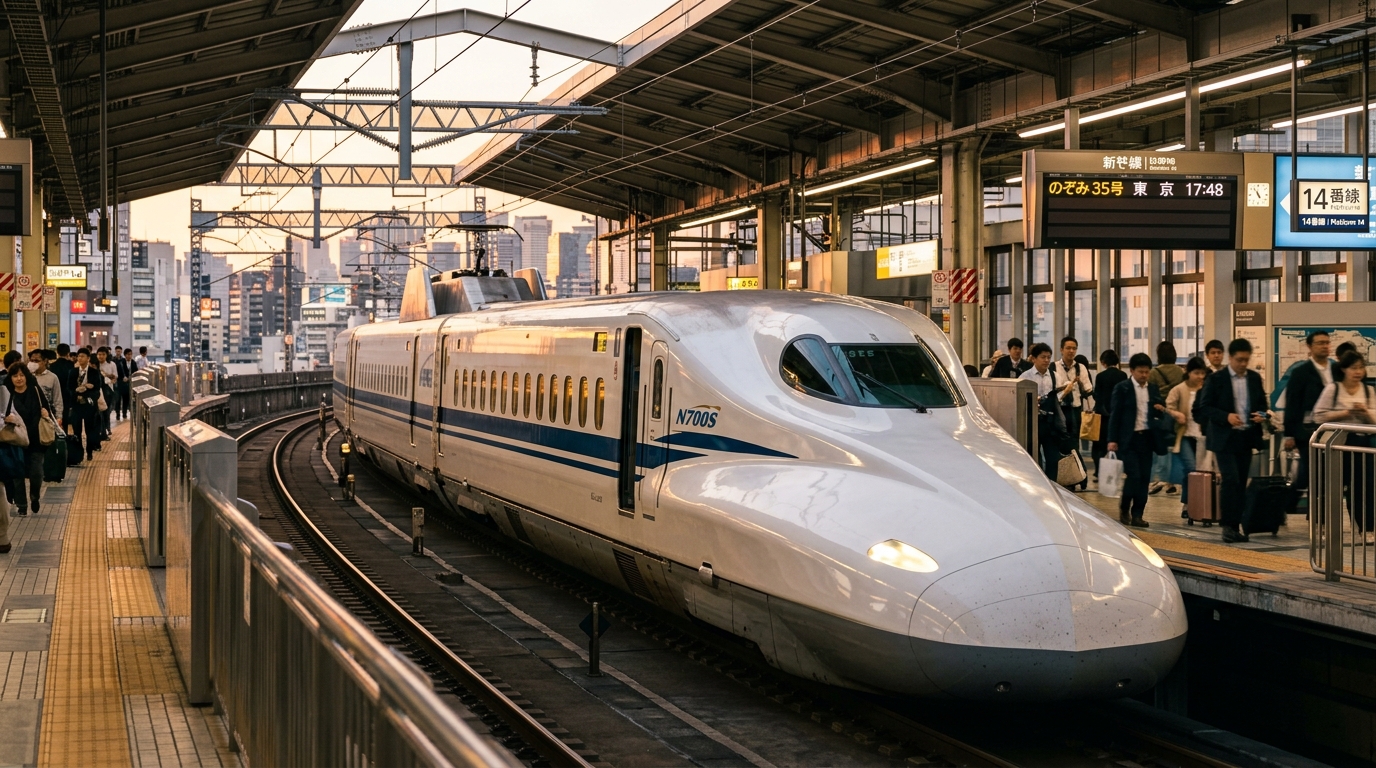

Determining if the Japan Rail Pass is worth the cost in 2026 requires more than just checking train schedules; it demands a hard look at your specific itinerary. Since the massive price hike in October 2023, the days of automatically buying a pass for any multi-city trip are long gone. During my own recent three-week journey across Honshu, I found that skipping the national pass actually saved me about 18,000 yen, though it certainly required more time spent navigating ticket machines during my planning phase.
Quick Takeaways for Your Japan Trip
The Golden Route Myth: Simply traveling between tokyo, Kyoto, and Osaka rarely justifies a pass anymore.
Calculate Your Costs: Use a dedicated fare calculator to total your specific point-to-point ticket costs before committing to a pass.
Regional Alternatives: Often, regional passes like the Kansai Wide Area or JR East Tohoku passes provide significantly better value for targeted travel.
The Convenience Premium: Decide if the luxury of spontaneous, ticketless travel is truly worth a potential financial loss of 10,000 yen or more.
The New Economics of Rail Travel
The 2023 price increase, which saw costs jump by roughly 70%, shifted the JR Pass from a default travel essential to a financial instrument requiring mathematical justification. If you are a “slow traveler” who prefers spending four or five days in one city, a 7-day or 14-day pass will almost certainly be a net loss. On my recent trip, I spent five days in Kyoto and only took one day trip to Nara; buying a national pass would have been a massive waste of my vacation budget.
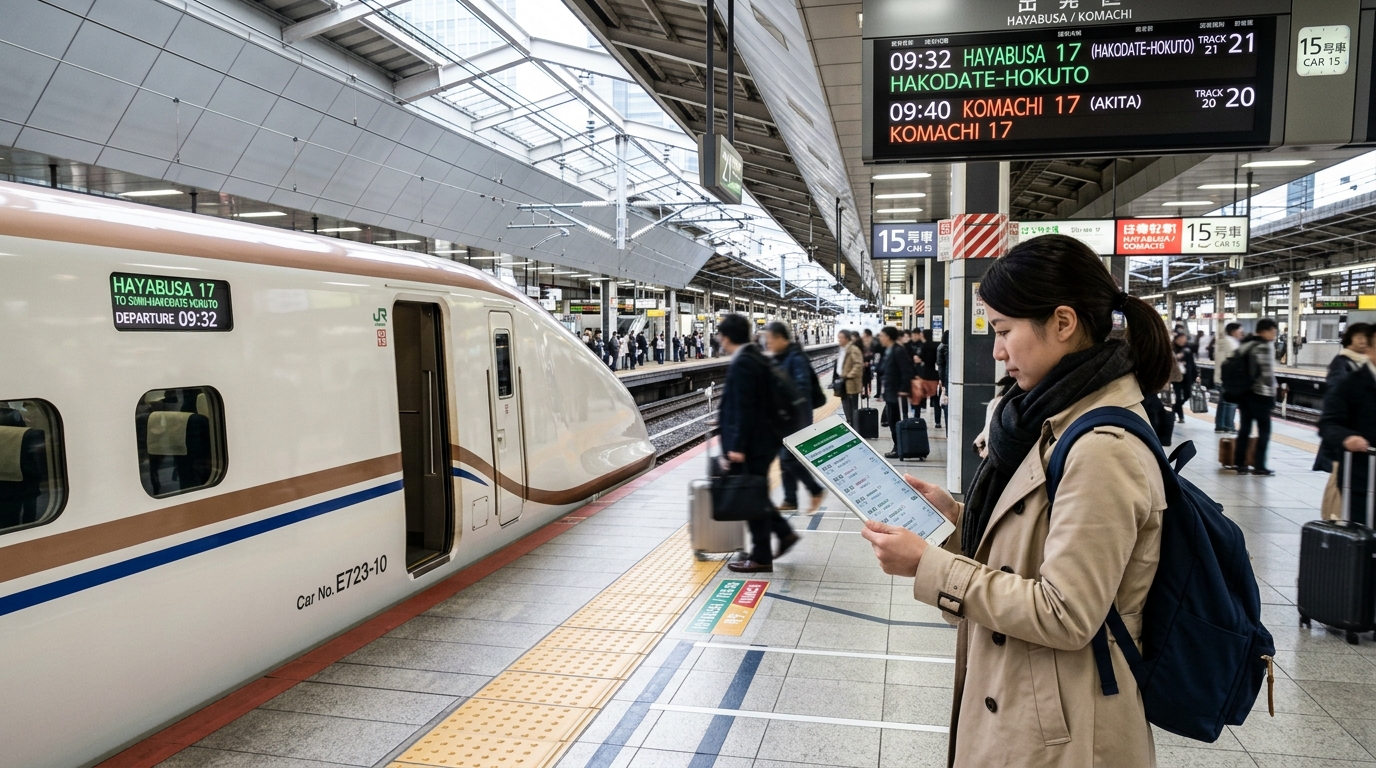
However, for those planning a high-speed “marathon” itinerary—crossing 500+ kilometers multiple times in a week—the math looks different. If you plan to hit Tokyo, Kanazawa, Kyoto, Hiroshima, and Fukuoka in seven days, the pass remains a high-value asset. The pass includes unlimited rides on Shinkansen lines (though you now pay a supplement for the faster Nozomi and Mizuho trains), local lines, and some specific ferries, such as the boat from Hiroshima to Miyajima.
A Strategic Decision Framework
To decide, you must map your entire itinerary before you leave home. Do not simply guess. Write down every train journey you intend to take, including your airport arrivals and departures. Use a reliable fare calculator to check the price of individual, unreserved seats for each leg.
When the National Pass Makes Sense
Multi-Region Itineraries: You are traversing large sections of the country, such as moving from Hokkaido down to Kyushu in one or two weeks.
Spontaneous Travel Needs: If you dislike purchasing tickets at machines or queuing at Midori no Madoguchi ticket offices, the pass provides undeniable peace of mind.
Heavy Users: If your calculated total for individual tickets exceeds the price of the pass by at least 5,000 yen, the pass is worth it for the added convenience alone.
When to Stick to Point-to-Point Tickets
The Golden Route Focus: If you are strictly traveling between Tokyo, Kyoto, and Osaka, individual tickets or regional passes are almost always cheaper.
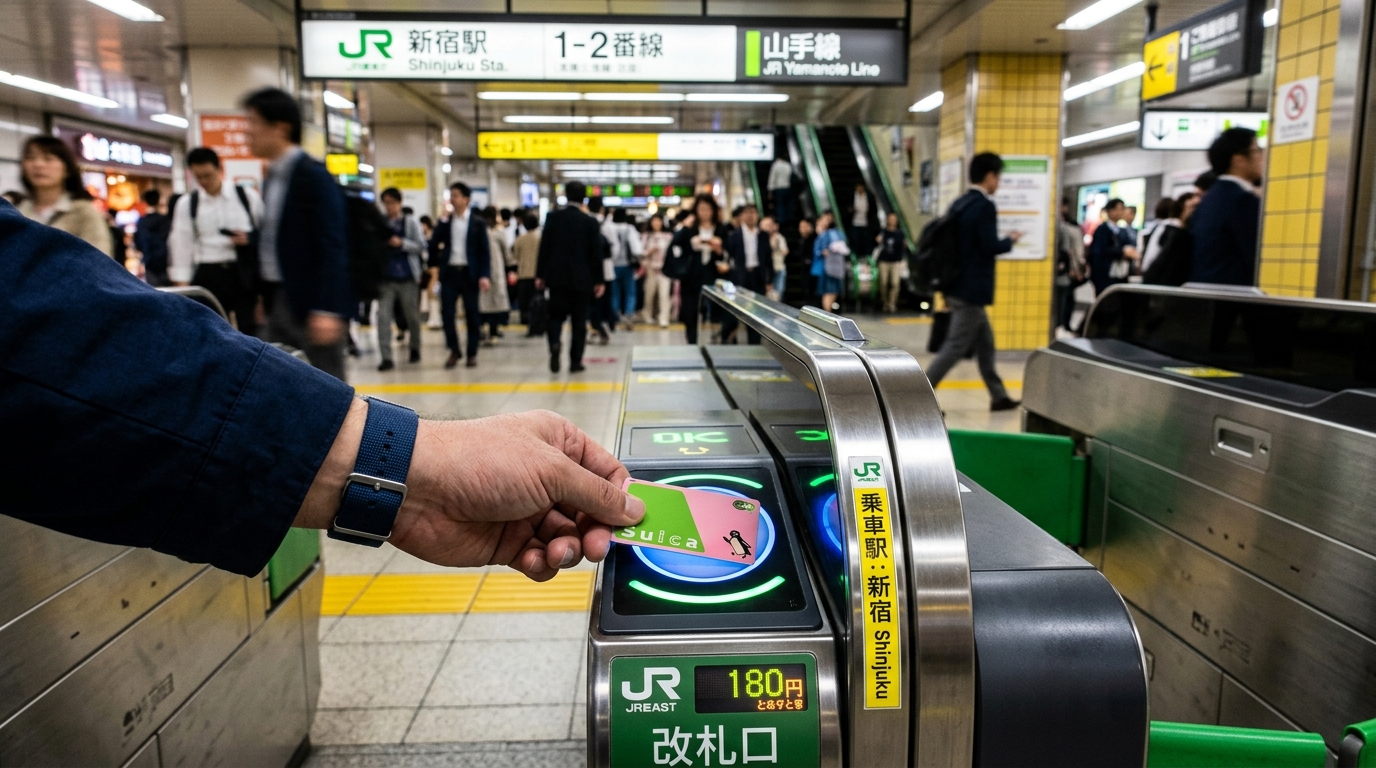
Local Exploration: If you plan to stay in one base and take short, local trips, stick to a rechargeable IC card like Suica or Pasmo.
Weekday Travel: Look for limited-time regional deals, like the Kyun Pass for eastern Japan, which are incredibly cost-effective but limited to specific days.
The Hidden Value of Regional Passes
Don’t overlook the specialized regional options. I once used a JR East Tohoku Area Pass to explore the mountains near Nagano and found that it covered my transit costs for an entire week for less than the cost of a single round-trip ticket from Tokyo to Aomori. These passes often cover the limited express trains that can be quite expensive to book individually. The JR Kansai Wide Area Pass is another stellar deal; it covers the Haruka Express from Kansai International Airport, providing an immediate discount on your arrival transit.
Avoiding Common Amateur Mistakes
I once made the rookie mistake of failing to make seat reservations for a busy Saturday morning train out of Tokyo. I spent the entire two-hour journey standing in the cramped vestibule with my large suitcase, which was not the relaxing start to my vacation I had planned. Seat reservations are free for JR Pass holders, so please take advantage of them at any station machine as soon as you arrive.
Another frequent error is activating the pass too early. If you land in Tokyo and stay for three days before heading to Kyoto, do not activate your 7-day pass at the airport. You likely won’t spend enough on local JR lines in Tokyo to offset the daily cost. Use a prepaid IC card for those first few days instead.
Frequently Asked Questions
Does the JR Pass cover subway lines in Tokyo?
No. The JR Pass only covers lines operated by Japan Railways (JR). It does not cover the extensive Tokyo Metro or Toei Subway lines. You will need a separate Suica or Pasmo card for these systems. Relying on the JR Pass for all your Tokyo transit is inefficient, as the subway network is far more comprehensive for local city travel than the JR lines.
Are there any discounts for students or seniors?
Currently, there are no official discounts for students or seniors on the national Japan Rail Pass. The only standard discount available is the child’s pass, which is 50% of the adult price for ages 6 to 11. Prices are strictly fixed by Japan Railways, so be very wary of third-party websites claiming to offer “special discounts” that may not be officially authorized.
Can I use the Nozomi or Mizuho bullet trains with my pass?
Yes, but with a specific caveat. While these trains were previously off-limits to pass holders, you can now ride them by paying a small supplemental access fee. This is a game-changer for long-distance travelers as it significantly reduces travel time between major hubs like Tokyo and Osaka. You must purchase this supplement at a JR ticket machine or window before boarding.
Conclusion
The landscape of Japanese train travel has evolved, and your planning strategy must keep pace. While the national Japan Rail Pass is no longer the automatic winner it once was, it remains a fantastic tool for specific, high-intensity itineraries. Take the time to calculate your route, compare those costs against regional passes, and be honest about how much of a “convenience premium” you are willing to pay. If you plan your route carefully, you can spend less on transit and more on the authentic experiences that make a trip to Japan truly memorable.