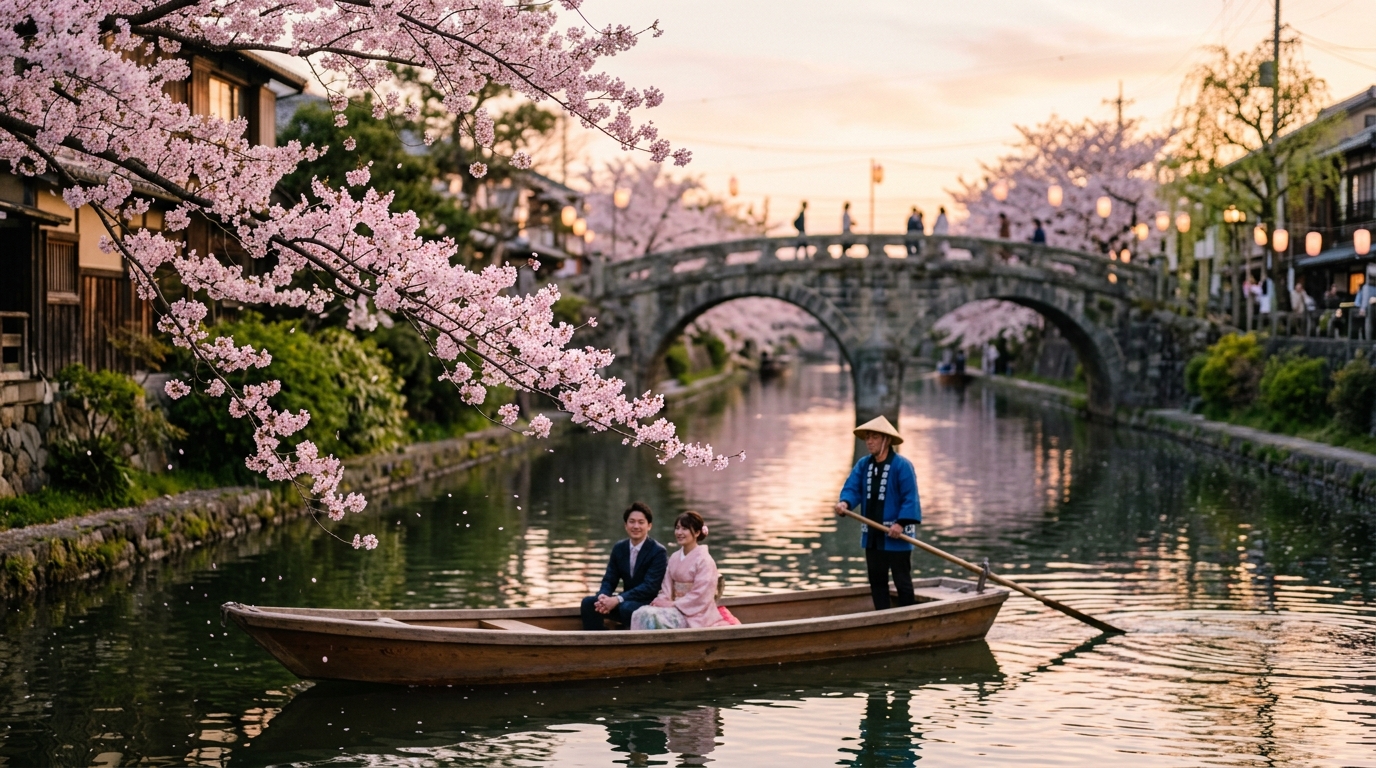

Planning your trip to see the cherry blossom season in japan requires a delicate balance of meteorology and sheer flexibility, as I discovered during my first attempt to catch the sakura at their peak. The sakura cycle is a fleeting natural phenomenon, typically starting in the southern regions and sweeping northwards, transforming the country into a landscape of soft pink and white petals for roughly two weeks in any specific location.
Quick Summary for Travelers
Forecasts: Rely on the Japan Meteorological Corporation for precise kaika (flowering) and mankai (full bloom) data.
Timing: The season generally spans late March to early May, though 2026 trends saw activity starting as early as mid-March.
Etiquette: Participate in hanami—the tradition of park picnics—and yozakura, which is nighttime viewing.
Logistics: Booking your accommodation ten months in advance is the only way to avoid price spikes that can triple nightly rates.
Deciphering the Sakura Front
When I first arrived in Japan, I naively assumed the blossoms appeared everywhere simultaneously. I was wrong; the sakura front is a rolling wave dictated by daily temperatures. The Somei-yoshino variety is the standard for these forecasts, reaching full bloom when roughly 80% of the buds have opened. In 2026, the first official bloom was recorded as early as March 16 in Kōchi, with Tokyo following on March 19. If you miss the peak in the capital, you can often chase the blossoms north towards Hokkaido, where the season reaches its final curtain call in early May.
The Art of Hanami: Tips for Your First Picnic
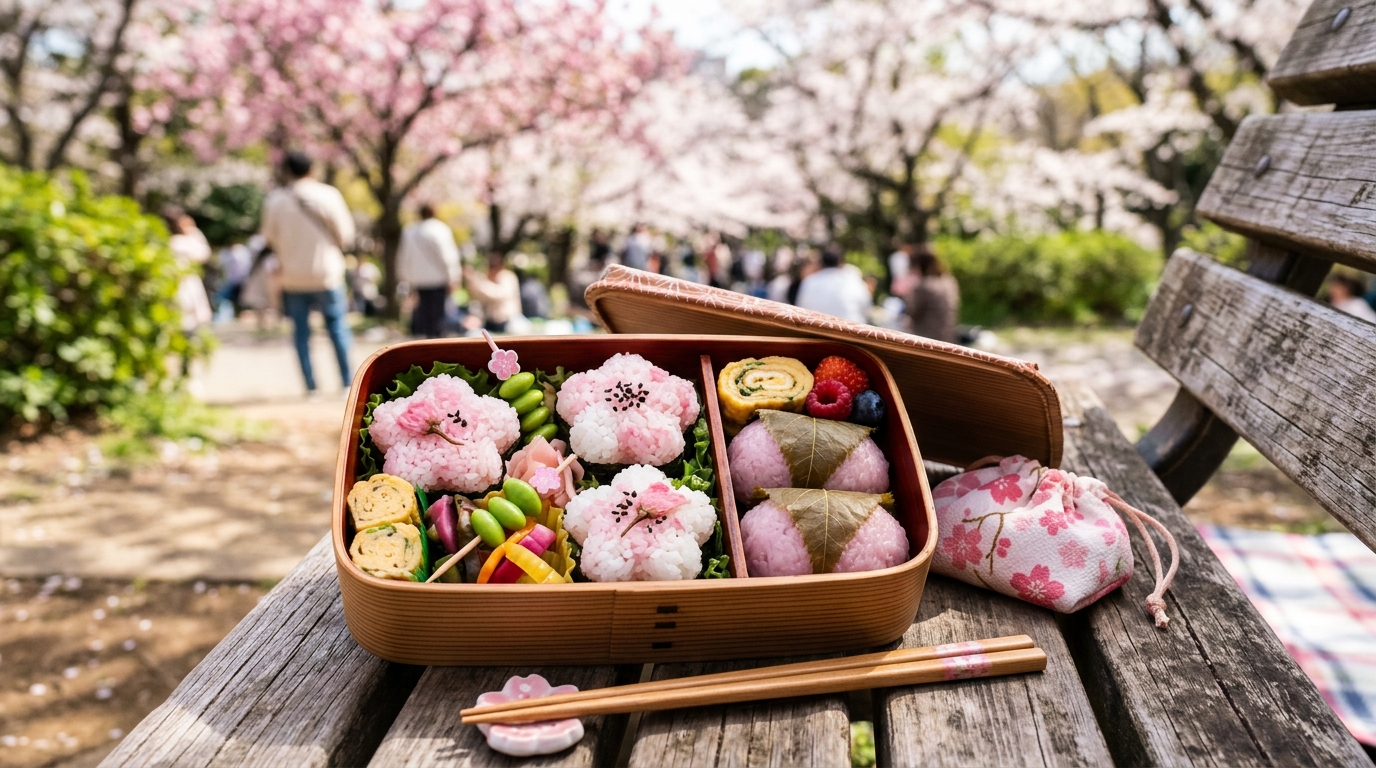
Hanami is far more than a photo opportunity; it is a profound social event. Whether you are with family or friends, you will see blue tarps spread across almost every patch of grass in public parks. I remember showing up to Ueno Park without a mat, only to find every inch of space claimed by 8:00 AM. My advice is to buy a plastic sheet from a local 100-yen store and pick up a bento box from the basement level of a nearby department store, often called a depachika. Be prepared for crowds; the experience is noisy, festive, and incredibly lively.
Notable 2026 Bloom Data
| Location | 2026 Full Bloom Date | Notable Feature |
|---|---|---|
| Tokyo | March 27 | Iconic canal illuminations |
| Kyoto | April 1 | Weeping cherry trees at temples |
| Kanazawa | April 7 | Kenroku-en garden setting |
| Himeji Castle | April 5 | Contrast with white castle walls |
| Hirosaki | April 25 | Romantic moats filled with petals |
Exploring Beyond the Tourist Traps
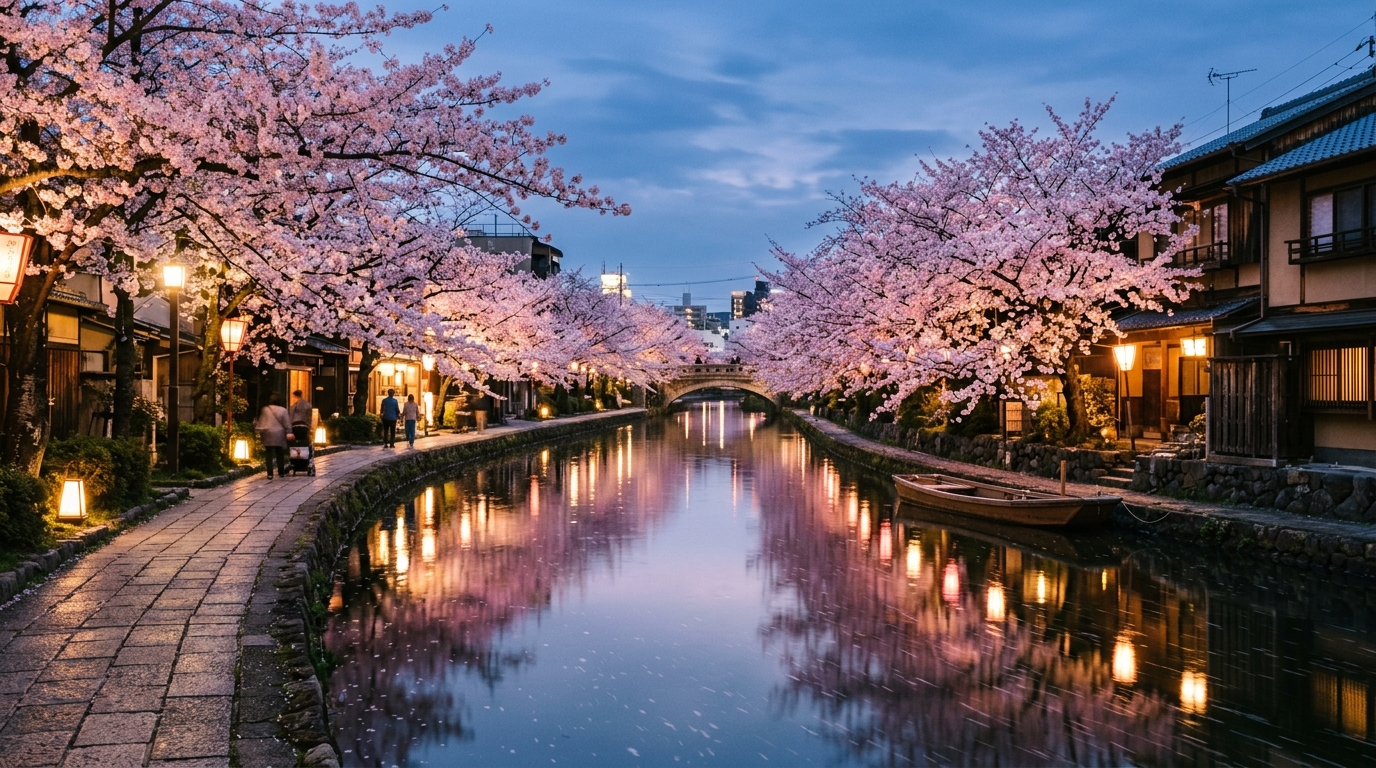
Everyone heads to the most famous spots, but I found the best experiences happen slightly off the beaten path. In Tokyo, while the Chidorigafuchi Moat is undeniably gorgeous, it gets dangerously packed. I preferred walking along the Nakameguro canals at night. The lighting displays—yozakura—create a reflection on the water that feels like a scene from a film. If you find yourself in Kyoto, try the Yamashina district instead of the Philosopher’s Path. It has nearly 700 trees and far fewer tourists elbowing you for the perfect shot.
The Realities of Travel Logistics
Let us talk about the downside: the cost. During the peak season, hotel prices can triple compared to the off-season. When I booked my trip, I failed to reserve my Kyoto hotel early enough and ended up paying double the rate for a business hotel that was a 30-minute train ride away from the city center. My advice is to stay in a nearby city like Osaka and take the high-speed Shinkansen into Kyoto for the day. The ride takes about 15 minutes, and it saved me a significant amount of money that I later spent on high-quality local sake.
Frequently Asked Questions
Is the cherry blossom season guaranteed to be in late March?
Not exactly. While many guidebooks suggest a late March start, weather patterns dictate the actual date. In 2026, we saw first blooms as early as mid-March. Always monitor the Japan Meteorological Corporation’s official site once you reach January for the most accurate, updated data.
What should I do if I arrive after the peak bloom?
If you arrive late, do not worry. The sakura season ends much later in the northern regions like Hokkaido or at higher altitudes. Alternatively, you can catch the end of the ume (plum) blossoms or the beginning of the wisteria season, which typically follows the cherry blossoms in late April and early May. These alternative blooms offer a quieter, equally beautiful experience.
Are the famous sites worth the massive crowds?
That depends on your tolerance for people. While locations like Ueno Park or the Philosopher’s Path are undeniably beautiful, they can be overwhelming. If you value silence and reflection, seek out smaller neighborhood shrines or travel further north to locations like Aomori. The experience there feels more personal and less like a tourist attraction, allowing you to actually hear the wind in the branches.
Final Thoughts on the Season
Experiencing the sakura in Japan is a lesson in the fleeting nature of beauty. By the time the petals start to fall, you realize why the tradition is so cherished; it reminds us to appreciate the present moment before it vanishes. Pack comfortable walking shoes, carry a portable battery for your phone, and most importantly, stay flexible with your itinerary. Even if you miss the peak bloom at your primary destination, Japan in spring is magnificent in its own right. Start your planning early, prioritize comfort, and prepare to be surprised by the sheer scale of this national obsession.