
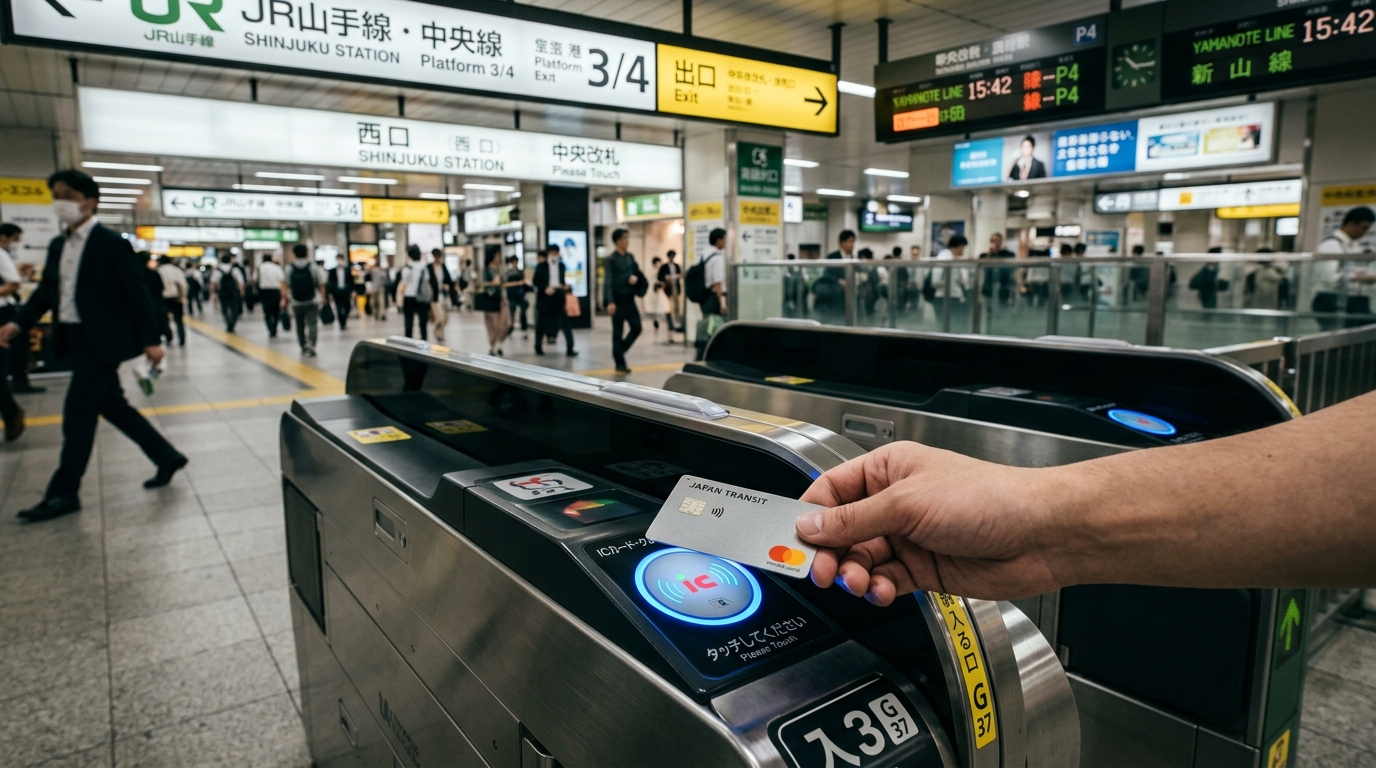

Navigating the Japanese railway network is becoming significantly more intuitive as major rail operators shift toward contactless payment systems throughout 2025. During my last trip to Osaka, I remember standing in a massive queue at a ticket machine, fumbling for exact change while trying to figure out which regional IC card I needed for a short hop. Those days of rigid, prepaid card requirements are finally beginning to fade, thanks to a major modernization push across the Kansai region and beyond.
The Evolution of Japanese Rail Payments
For decades, japan’s rail system relied almost exclusively on proprietary IC cards like Suica, Pasmo, and ICOCA. These systems utilize high-speed FeliCa chip technology, processing transactions in about 0.1 to 0.2 seconds. While incredibly efficient for moving massive crowds at stations like Shinjuku, the system presented a steep learning curve for international tourists. You had to physically purchase a card, pay a 500-yen deposit, and locate specific machines to top it up with cash.
This year, that landscape is changing. Major companies, including Kintetsu Railway and Hankyu Railway, are installing new fare gates compatible with major credit cards like Visa, JCB, and American Express. By the spring of 2025, Hanshin Electric Railway will join this network. This rollout is strategically timed to accommodate the millions of visitors expected for the 2025 World Expo in Osaka.
Why This Matters for Your Itinerary
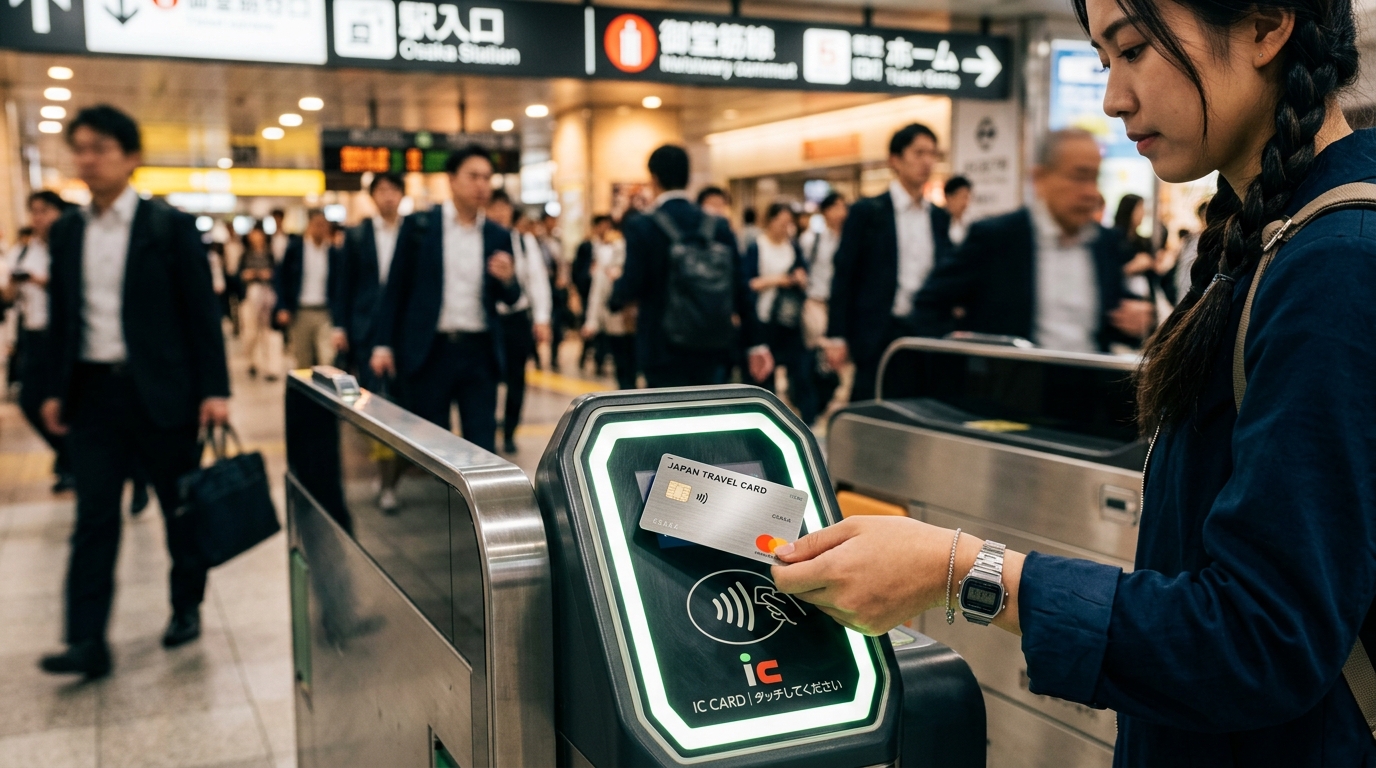
I’ve found that the primary frustration for travelers is the fragmentation of the Japanese rail network. Having a digital solution on your credit card removes the need to carry stacks of yen or manage multiple regional cards. If you arrive in Japan with a contactless-enabled card, you will soon be able to walk through more gates without ever visiting a ticket office or navigating a complex machine menu.
However, it is not a perfect system yet. You might encounter a situation where you start your journey on one line with a credit card, only to find the transferring station does not support the same technology. During one of my previous journeys, I assumed a cross-line transfer would be seamless; I ended up having to visit a station attendant to settle the fare difference because the systems did not communicate. Always keep a backup, such as a mobile Suica on your phone, just in case you run into these digital dead zones.
Status of Major Rail Operators
| Operator | Status / Timeline | Compatibility |
|---|---|---|
| Kintetsu Railway | Active | Visa, JCB, Amex |
| Hankyu Railway | Active | Visa, JCB, Amex |
| Hanshin Electric | Spring 2025 | Visa, JCB, Amex |
| Osaka Metro | March 2025 | Visa, JCB, Amex |
| JR East | No Plans | Suica / Mobile Only |
Insider Tips for Seamless Transit
Use Mobile Wallets: I highly recommend adding a Mobile Suica or Mobile Pasmo to your digital wallet if your phone supports it. It allows you to top up via an app using your Apple or Google Pay balance, which is superior to finding a physical top-up machine.
Mind the Luggage: Large suitcases are a significant burden on public transit. I strongly recommend using takuhaibin (luggage forwarding services) to ship your bags between cities or hotels. If you must carry your own, avoid rush hours and use station lockers.
- Watch the Timing: Japan’s transit is remarkably punctual, but station crowds can be intense. Avoid the 8:00 AM to 9:00 AM rush if you have bulky items.
- www.japan-experience.com
- www.willflyforfood.net
- www.japan.travel
- www.gotokyo.org
The Future of Rail Memorabilia
If you are a fan of Japanese infrastructure, you might be interested in a curious trend emerging from these modernization efforts. The Sagami Railway Company (Sotetsu) recently began auctioning off retired, automated ticket gates to collectors. These units, which were used for years to process physical tickets, were priced at 200,000 yen per unit. It is a strange but fascinating look at how rapidly these transit systems are evolving.
I find it incredible that a machine which once controlled the flow of thousands of commuters is now sitting in someone’s living room. As operators upgrade their gates for the new contactless era, we may see more of these retired machines hitting the market, offering a unique, if bulky, souvenir for serious rail enthusiasts.
Frequently Asked Questions
Can I use my credit card at every station in Japan?
No, you cannot. While the rollout is extensive, it is not universal. Major operators like JR East have confirmed they have no plans to support direct credit card tap-to-pay on their lines, preferring to focus on the Suica ecosystem. You should always carry a backup IC card or keep your phone’s digital wallet loaded.
Why is the IC card still so important?
Even with new credit card gates, the FeliCa chip technology used in IC cards remains the gold standard for speed. Processing a credit card validation takes longer than the near-instant response of a Suica or Pasmo card. In stations with millions of daily users, this speed difference is critical to prevent dangerous congestion during peak commute hours.
Is it better to use a physical card or mobile version?
I strongly advise using the mobile version if your phone supports it. It provides the same speed as the physical FeliCa chip while adding the convenience of mobile banking. Plus, you won’t have to worry about losing a physical plastic card while navigating the city.
Final Thoughts
My advice for any traveler heading to Japan is to remain flexible. While we are moving toward a frictionless, tap-and-go future, Japan is still a hybrid environment. Keep a physical or digital IC card as your primary method, and use your credit card as a convenient secondary option when available. By blending these new technologies with the tried-and-true IC card system, you will have a much smoother, stress-free time navigating the world’s most impressive rail network. Safe travels, and enjoy the ride!