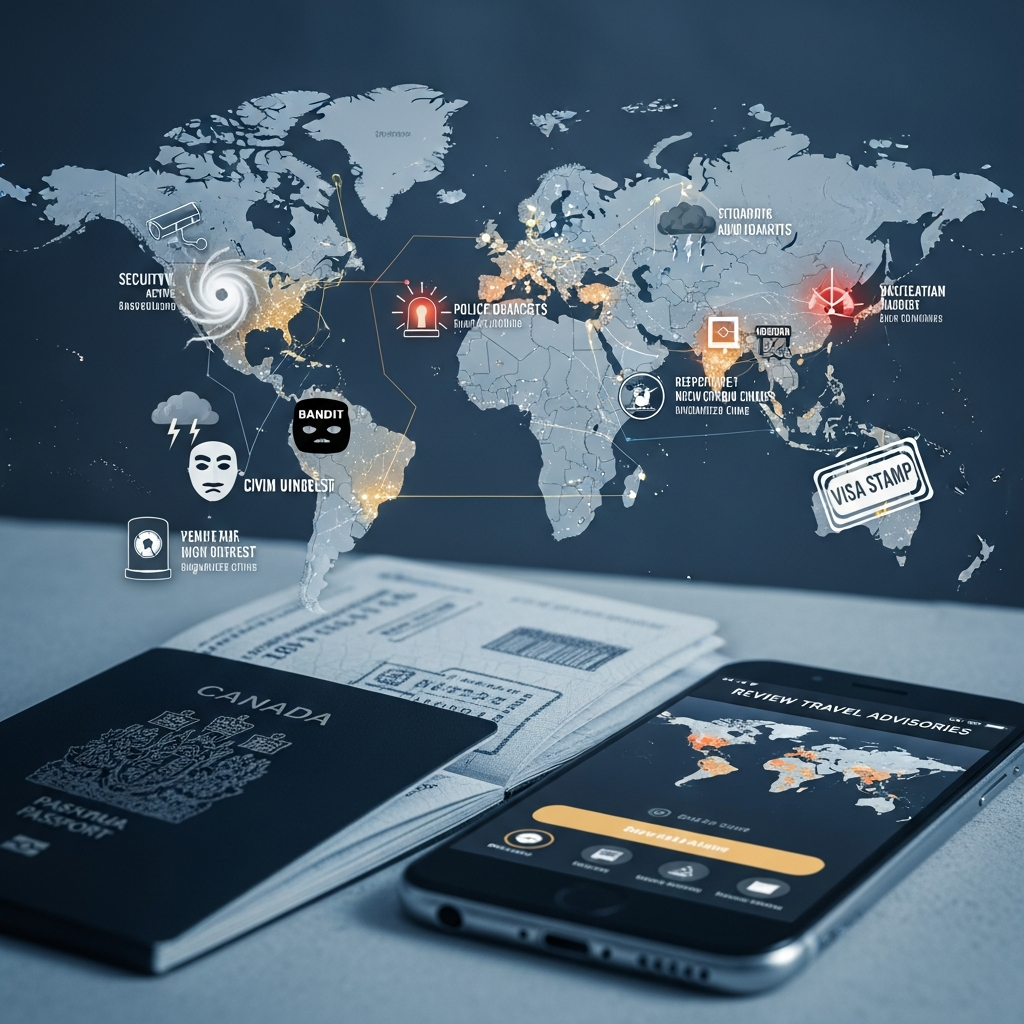

The global landscape for travelers is constantly shifting, and Canada has recently amplified its travel advisories for numerous international destinations. These updated warnings from Global Affairs Canada reflect a growing array of global risks, including political instability, widespread gang violence, severe natural disasters, and evolving security threats. From popular tourist hotspots like Italy and Mexico to more remote regions, Canadians must now exercise extreme caution and heightened vigilance. This comprehensive guide synthesizes the latest alerts, details specific dangers, and offers essential travel safety tips for a secure journey amidst these dynamic global security risks.
Why Canada’s Travel Advisories Are More Critical Now
Our world faces increasing geopolitical complexities and civil unrest, directly influencing the safety of international travel. Governments worldwide, including Canada, are adapting their guidance to reflect these escalating challenges. These advisories are far from mere bureaucratic updates; they serve as vital warnings for travelers. Rising political tensions significantly contribute to unpredictable situations, ranging from increased security measures to spontaneous demonstrations, which can quickly impact visitors. Persistent terrorist threats, though often localized, remain a pervasive concern in many regions. Travelers must understand these underlying currents to make truly informed decisions.
The Broader Geopolitical Context: A Shifting World Order
Canada’s updated travel advisories emerge amidst a complex global diplomatic environment. A recent example is the proposed ‘Board of Peace,’ an international body championed by Donald Trump to address global conflicts, initially focusing on Gaza. Interestingly, several nations listed in Canada’s advisories—including El Salvador, Indonesia, Turkey, and Vietnam—have accepted invitations to this Board. Their motivations vary, from supporting peace efforts to enhancing international standing. Canada, however, notably declined its invitation, aligning with nations like France and Germany. Many view the ‘Board of Peace’ as potentially undermining the United Nations’ established role. This diplomatic divergence underscores a shifting global order, often heightening political unrest and security concerns, directly influencing international travel warnings.
Key Destinations on Canada’s High-Alert List
Canada’s updated guidance highlights specific concerns across a diverse group of countries. Understanding the particular risks associated with each destination is crucial for safe travel planning.
Regions Grappling with Extreme Violence & Instability
Several nations face severe internal conflicts, posing significant threats to travelers:
Ecuador: The Government of Canada warns of significant “safety and security risks” due to widespread gang violence. Ecuador is in a state of “internal armed conflict,” with curfews and extensive security force powers. Drug trafficking fuels this crisis, with an estimated 70 percent of the world’s cocaine flowing through its ports. High-risk provinces include Esmeraldas, Guayas, and Los Ríos. Expect a visible military presence. Carry identification always and obey local authorities.
The Philippines: Serious risks stem from terrorism and kidnapping, especially in the southern Mindanao region. Extremist groups are active, targeting locals and foreigners for ransom. Canadian authorities strongly advise against all travel to provinces like Basilan, Sulu, and Zamboanga. The security situation there is highly unpredictable.
El Salvador: A state of emergency combats gang violence and organized crime. While overall safety has improved, risks of petty and violent crime persist, particularly in urban areas and at night. Monitor local news for security updates and avoid areas known for gang activity. El Salvador’s role in international peace discussions contrasts with its domestic security challenges.
Mexico: Recent cartel violence, like the assassination of a major drug lord in Jalisco, led to chaos in Puerto Vallarta. While situations can stabilize, vigilance is key. Canada urges avoiding certain states with elevated violent crime. Mexico’s vastness means risks can be localized, but awareness of current events is essential.
Peru: Travelers face landslide risks (e.g., Salkantay Trail closures) and a state of emergency in Lima and Callao due to violent crime. Specific regions have “avoid all travel” advisories due to terrorism and drug trafficking. Always check regional alerts for your planned itinerary.
Brazil: Canada advises steering clear of border regions, primarily due to prevalent gang activity. Brazil will also re-introduce entry visas for Canadians starting January 2026, requiring advance application and approval.
Navigating Geopolitical Tensions & Heightened Surveillance
Some destinations present unique challenges related to political environments and state control:
China: Travelers face significant risks, particularly in regions like the Xinjiang Uyghur Autonomous Region and Tibet. Authorities maintain a strong security presence. Reports of arbitrary detention and forced labor camps are concerning, especially for ethnic minorities and foreigners with family ties. Pervasive surveillance and monitoring of digital communications are common. Avoid unauthorized demonstrations and always carry identification.
Turkey: This popular destination carries substantial terrorism risks, particularly acute in southeastern provinces and near the Syrian and Iraqi borders. Canadian authorities advise against non-essential travel to areas like Hakkari and Şırnak. Extremist activity and kidnapping threats are persistent concerns. Monitor local news and avoid demonstrations.
Indonesia: Diverse risks include political tensions and violent crime. Internal unrest, particularly in Papua province, sees militant groups active and foreigners targeted for kidnapping. Avoid non-essential travel to Papua and Aceh. Be mindful of local sensitivities.
Cuba: Severe, worsening shortages of fuel, electricity, food, and medicine are impacting resort services. Canadian airlines have suspended some services, and travelers are advised to consider leaving while commercial options remain. These shortages create unpredictable conditions for visitors.
Managing Crime, Terrorism & Tourist Scams
Even popular tourist destinations require increased caution due to various threats:
Italy: Despite its popularity, Italy presents safety concerns, including an ongoing terrorism threat in crowded public spaces like airports and major attractions. Petty crime, such as pickpocketing and bag snatching, is prevalent in cities like Rome and Florence. Remain vigilant in crowds and secure personal belongings. Italy’s ETIAS pre-travel authorization becomes mandatory for Canadians in 2026.
United Kingdom: Terrorism threats are a concern, especially at high-profile events and crowded public gatherings. The UK’s Electronic Travel Authorisation (ETA) pilot will be mandatory for Canadian visitors in 2026, impacting travel logistics. Always be aware of your surroundings.
Vietnam: While culturally rich, travelers must be wary of petty crime like pickpocketing and purse snatching, common in major cities. Widespread scams also operate in popular tourist areas. Do not display expensive items and use only reputable transportation.
Costa Rica: Canadians are encouraged to exercise heightened vigilance, even within established tourist corridors, due to general crime risks. Costa Rica now requires proof of onward travel and expanded health-insurance coverage.
Bahamas: Increased crime, even in tourist corridors, warrants extra caution. Always remain aware of your surroundings and secure valuables.
Jamaica: Risks of assault, robbery, and gang violence exist. Furthermore, ongoing infrastructure and health impacts from Hurricane Melissa in October 2025 affect western parishes. Stay informed about local conditions and avoid high-risk areas.
Natural Disaster Zones: Typhoons & Hurricanes
Travelers to specific regions must contend with severe weather events:
Southeast Asia (Philippines, Vietnam, Cambodia, Laos): Urgent advisories were issued for these nations due to Typhoon Kalmaegi. The storm brings excessive rainfall and violent winds, likely triggering flash flooding and landslides. These events can severely impact essential services, transportation, and emergency support. Typhoon season typically runs from May to November, so constant monitoring of local weather is crucial.
The Evolving US Travel Landscape for Canadians
Canadians’ travel patterns to the United States have shifted significantly. A Flight Centre Canada survey found 62% of travelers less likely to visit the U.S. in 2026 than the previous year, with bookings down 40%. This shift is primarily attributed to the “political and cultural climate,” with many Canadians feeling unwelcome. Practical issues, such as the suspension of Nexus and Global Entry programs at Ottawa International Airport, further complicate U.S.-bound travel. Despite tourists rarely being targeted by gun violence, its prevalence is noted. Be aware that border agents may exercise discretion, including electronic device searches.
Essential Pre-Trip Planning: Beyond the Warnings
Regardless of your destination, adopting smart travel habits is paramount. These universal tips enhance your personal security and peace of mind. Staying informed and prepared can mitigate many potential risks.
Register Your Trip (ROCA): Enroll with the Government of Canada’s Registration of Canadians Abroad (ROCA) service. This free, confidential service allows them to contact you in an emergency abroad or notify you of personal emergencies at home.
Comprehensive Insurance: Purchase robust travel insurance. Ensure it covers medical emergencies, trip cancellations, and unforeseen security incidents. Crucially, failure to adhere to official advisories could invalidate claims, leaving you financially vulnerable.
Stay Informed: Regularly check Global Affairs Canada’s travel advisories. Follow local news sources for real-time updates on your destination. Situations can change rapidly.
Share Your Itinerary: Inform family or friends of your travel plans and contact details. Leave copies of important documents with them.
Secure Documents: Keep passports, visas, and other vital documents in a safe place. Consider digital copies on a secure cloud service.
Local Laws and Culture: Research and respect local laws, customs, and cultural norms. Ignorance is rarely an excuse for infractions.
Situational Awareness: Always be aware of your surroundings. Avoid displaying overt signs of wealth. Trust your instincts.
New Entry Requirements: Be aware that several countries have recently tightened entry requirements. For instance, Brazil will re-introduce entry visas for Canadians in January 2026. Costa Rica now requires proof of onward travel and expanded health-insurance coverage. European destinations like Italy (ETIAS) and the UK (ETA) are implementing new digital authorizations for 2026. These require additional pre-travel preparation and could extend airport wait times.
Duty-of-Care for Employers: Multinational employers with staff traveling to high-alert regions must conduct critical “duty-of-care” reviews. Update traveler tracking systems, reconfirm insurance coverage, and brief staff on local security protocols and contingency plans.
Frequently Asked Questions
What are the primary new risks causing Canada’s updated travel advisories?
Canada’s updated travel advisories reflect a combination of escalating global threats. These include a significant surge in gang violence and drug trafficking, particularly in nations like Ecuador, Mexico, and El Salvador. Natural disasters such as typhoons and hurricanes, exemplified by Typhoon Kalmaegi impacting Southeast Asia, also pose severe risks. Furthermore, geopolitical tensions, political instability, terrorism threats in popular European destinations, and the imposition of new entry requirements like visas and digital travel authorizations are all contributing factors, demanding increased vigilance from Canadians planning international travel.
Which new entry requirements should Canadians be aware of for popular destinations?
Canadian travelers need to be aware of several new entry requirements for popular destinations. For instance, Brazil will re-introduce entry visas for Canadians starting January 2026, necessitating advance application. Costa Rica has updated its criteria, now requiring proof of onward travel and expanded health-insurance coverage. European destinations like Italy (with ETIAS) and the United Kingdom (with ETA) will make digital pre-travel authorizations mandatory for Canadian visitors in 2026. These changes can potentially extend airport wait times and require additional pre-trip planning for compliance.
Should Canadians still consider travel to high-alert countries, and what are the insurance implications?
Traveling to countries under an elevated Canada travel advisory is a personal decision, but it demands extreme caution and thorough preparation. Advisories often recommend “exercising a high degree of caution” rather than outright bans, meaning identified risks warrant extra vigilance. If you choose to travel, it is crucial to follow all travel safety tips, stay informed about local conditions, and avoid specifically warned high-risk areas. Critically, failure to adhere to official government advisories could invalidate your travel insurance claims, potentially leaving you without coverage for medical emergencies or other unforeseen incidents, making robust insurance and diligent compliance essential.
Navigating Your Next International Trip Safely
Traveling abroad remains an enriching experience, but it increasingly demands vigilance and informed decisions. Canada’s latest travel advisories serve as a crucial reminder of a dynamic world. Understanding potential risks is your first line of defense. By staying informed through official government sources, adhering to safety guidelines, and exercising caution, you can significantly reduce the likelihood of encountering difficulties. Prioritize your personal safety by thoroughly researching your destination. Always be prepared for unexpected changes. Your awareness and responsible travel choices empower you to explore the world securely, even in times of heightened global security risks.