
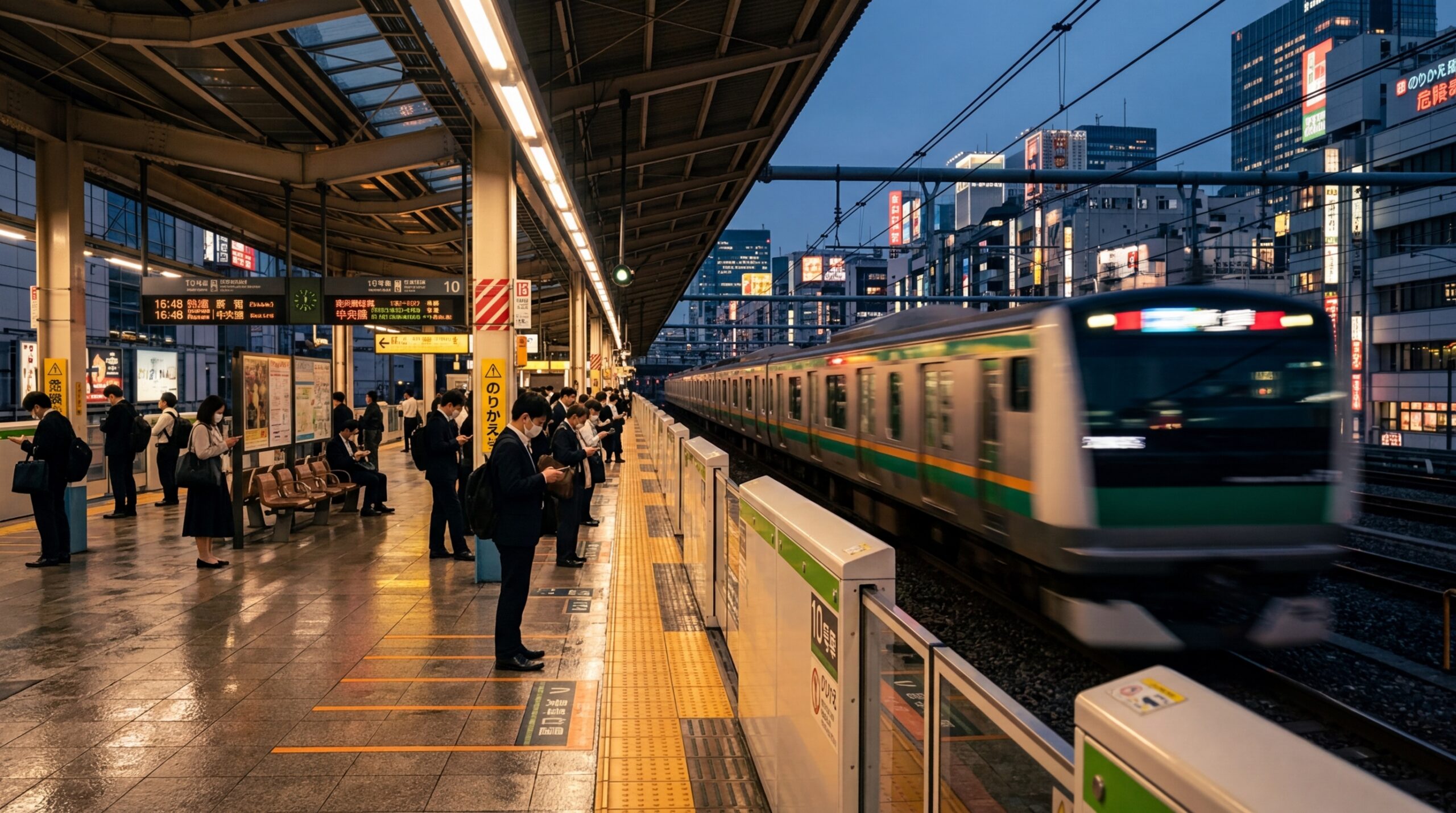

Navigating Japan’s transit network requires a tactical approach if you want to save money and time during your 2026 trip. I learned this the hard way during my first visit; I assumed the national JR Pass was the golden ticket for every traveler, only to find myself spending hours calculating routes that would have been cheaper individually. Japan functions with remarkable precision, but its complexity—ranging from high-speed bullet trains to localized bus lines—demands a bit of pre-trip study to ensure your movement across the islands remains stress-free.
Quick Summary for Travelers
Calculate Costs First: The national JR Pass is rarely a automatic cost-saver anymore; use a digital fare calculator before committing to a purchase.
IC Cards Are Mandatory: Link a digital Suica, Pasmo, or Icoca card to your mobile wallet immediately for seamless tapping at most turnstiles and bus entrances.
Regional Passes Over National: If your itinerary focuses on one area, such as Kansai or Kyushu, regional passes will likely be more forgiving on your budget.
Arrival Logistics: Remember that new entry requirements like the JESTA digital authorization may apply to your specific passport; check government sites before you book flights.
Mastering the Train System
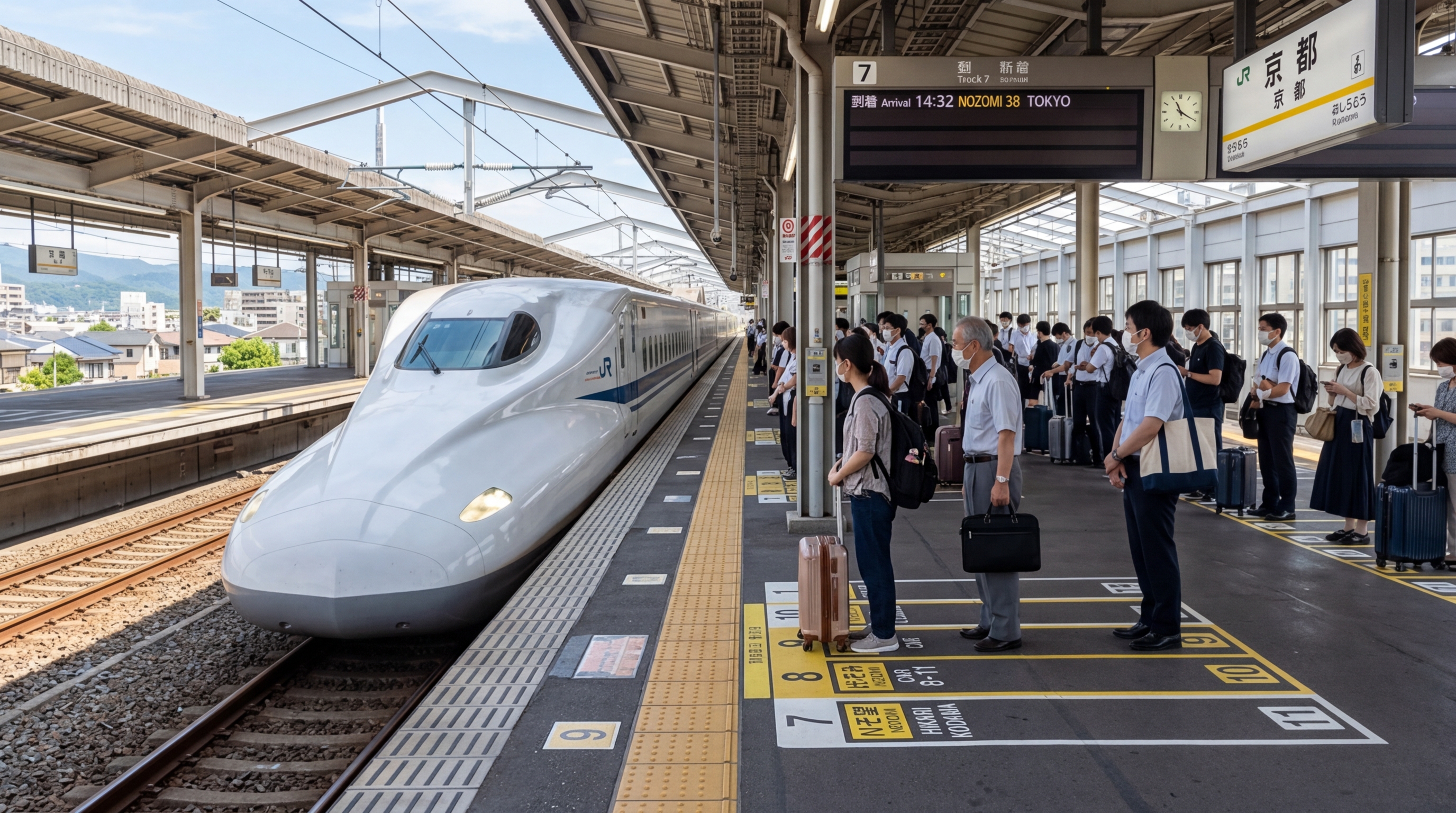
Trains act as the nervous system of the country. The Shinkansen (bullet train) remains the primary method for long-distance travel, reaching speeds of up to 320km/h. While the network is incredibly punctual—I once witnessed an conductor bow in apology for a 45-second delay—the 2023 price hikes changed the math for tourists. If you are traveling between Tokyo and Kyoto, you might pay roughly ¥14,000 for a one-way ticket. Compare this to the cost of a 7-day national pass to see if you actually break even.
Local and Private Railways
Beyond the JR lines, private operators like Odakyu or Keihan offer excellent service on specific routes. These lines often provide more comfortable seating or direct access to tourist hubs that JR lines might skip. When you are navigating stations like Shinjuku, look for the color-coded floor lines. These lines correspond to the train routes on the overhead maps, which prevented me from getting lost multiple times in the labyrinthine corridors of central Tokyo.
The Reality of Bus and Ferry Travel
Buses provide vital connectivity where rail lines cannot reach, particularly in towns like Kyoto where narrow streets dominate. When boarding a bus, you generally enter through the rear door and tap your IC card upon entry. One mistake I made in a rural prefecture was failing to have exact change for a coin-operated machine near the driver; the machine struggled with anything larger than a 1,000-yen note. Using a digital Suica card eliminates this frustration entirely.
Ferries serve as the slow, introspective alternative to high-speed rail. Exploring the Seto Inland Sea by boat offers a unique perspective that you simply cannot capture from a train window. If you choose a long-distance ferry, be prepared for ‘second-class’ accommodations, which often consist of shared tatami mat sleeping areas. It is an authentic experience, though perhaps not the most private one.
Driving and Infrastructure Nuances
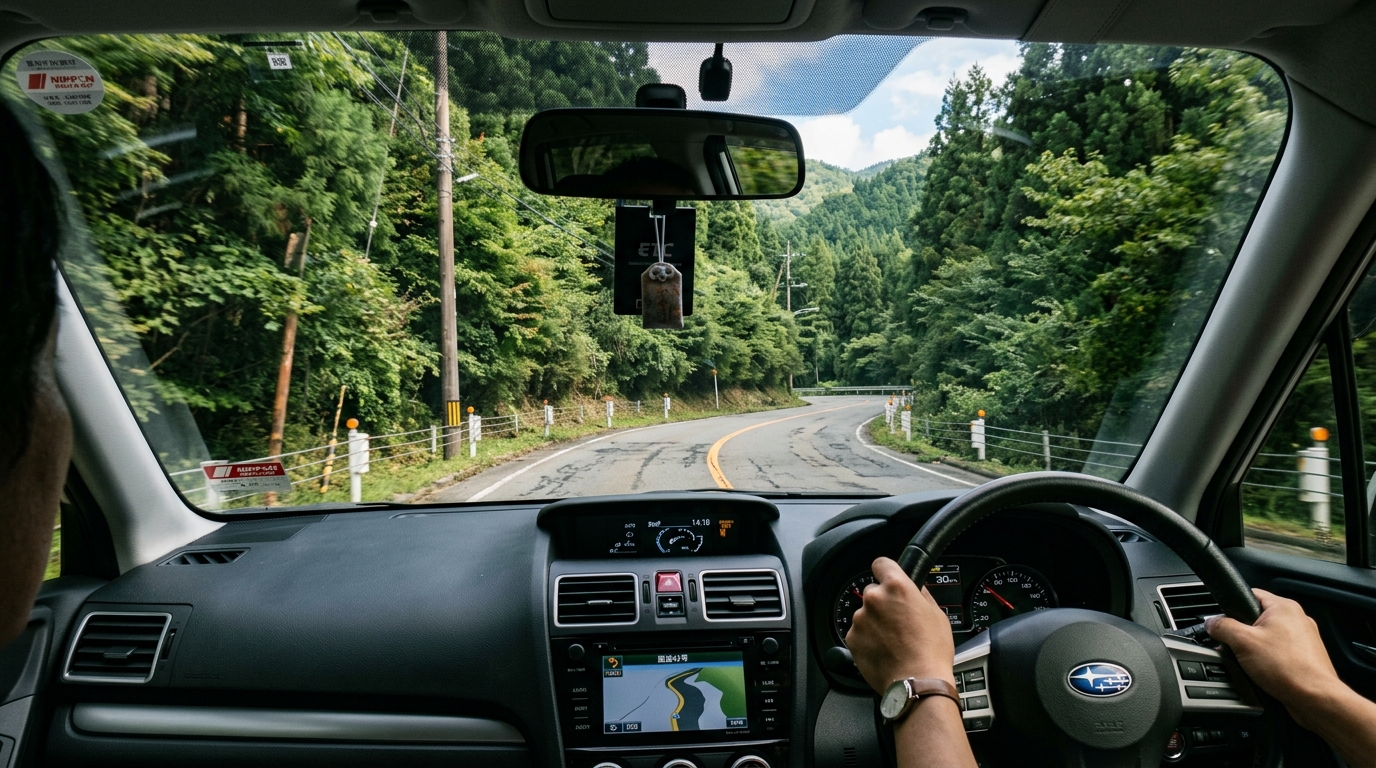
Renting a car is tempting for those wanting to reach remote hot springs or mountain trails, but it comes with caveats. You absolutely must hold a valid International Driving Permit (IDP). Driving in major urban cores like Osaka is a headache; parking fees can easily exceed ¥2,000 for a few hours. I recommend using public transport within cities and only picking up a rental once you reach the rural countryside.
| Mode | Best For | Typical Daily Budget |
| :— | :— | :— |
| Shinkansen | Long-distance intercity | ¥10,000 – ¥20,000 |
| Local Train | Urban transit | ¥1,000 – ¥3,000 |
| Highway Bus | Budget travel | ¥3,500 – ¥8,000 |
| Car Rental | Rural exploration | ¥8,000 – ¥15,000 |
Frequently Asked Questions
Is the JR Pass worth it in 2026?
For most travelers, no. Since the price increase, the pass only provides value if you are covering significant distances across the country within a very compressed timeframe. If your trip follows the ‘Golden Route’ (Tokyo to Osaka and back), you will almost certainly save money by purchasing individual point-to-point tickets or utilizing a combination of regional passes. Always use an online fare calculator for your specific route before you buy.
How do I manage charging electronics while traveling?
Most modern devices, such as phones and laptops, are multi-voltage (100-240V). However, Japan uses Type A and B plugs, which are flat-pin connectors. I recommend a compact, modular plug adapter rather than a massive universal brick. If you are traveling with multiple devices, a high-output USB-C hub is more efficient than carrying multiple individual wall chargers. Ensure your device label states 100-240V, as Japan’s standard grid is 100V.
What should I do if I cannot read the ticket machines?
Most machines in major stations now offer an English interface that you can select by tapping a button on the screen. If you get stuck, look for the ‘Fare Adjustment’ machine near the exit gate. These machines are designed for you to pay the difference if you accidentally miscalculated your fare or missed your stop. Station staff are also incredibly patient; if you show them your destination on a smartphone map, they will often guide you to the correct platform immediately.
Final Thoughts
Travel across this nation is built on layers of efficiency. While the new JESTA entry requirements and changing rail prices add some complexity, the infrastructure remains the gold standard for global transit. Remain flexible, keep your IC card topped up, and do not be afraid to step off the main lines into a local bus. The most rewarding parts of my journeys were always the moments where I deviated from the pre-planned, rigid schedule to see what was around the next bend. Pack light, stay curious, and enjoy the ride.