
The Japan cherry blossom 2026 season is set to be an early, breathtaking spectacle, painting the archipelago in delicate shades of pink and white. More than just a natural event, Japan’s iconic sakura (cherry blossom) season is a profound cultural celebration of spring, renewal, and the poignant beauty of life’s impermanence. Planning your trip requires careful attention to evolving forecasts and local highlights, as the delicate blossoms sweep across the country from south to north.
From traditional hanami picnics under blooming trees to enchanting yozakura night illuminations, the sakura season transforms Japan into a dreamscape. My first time navigating Tokyo’s transit during peak bloom was a joyful, albeit crowded, adventure that left me utterly captivated. This comprehensive guide will help you navigate the 2026 season, ensuring you make the most of this extraordinary time.
Quick Sakura Snapshot for 2026
Earlier Bloom: Expect blossoms five to seven days ahead of historical averages across many regions due to warmer temperatures.
AI-Powered Forecasts: The Japan Meteorological Corporation (JMC) is using advanced AI for timely, precise updates.
Book Early: Flights and accommodation are in extremely high demand; secure them 6-12 months in advance.
Kyoto’s Charm & Crowds: While stunning, Kyoto can be exceptionally busy, with new accommodation taxes (up to 10,000 yen for luxury rooms) in place.
Diverse Experiences: From lively city parks to tranquil temple gardens and scenic boat rides, there’s a unique viewing style for everyone.
The 2026 Sakura Forecast: What to Expect
Experts predict an earlier bloom for 2026 across much of Japan, a trend observed over the past three decades. Tokyo’s average first bloom, for instance, has shifted five days earlier. This accelerated schedule is primarily due to warmer-than-average temperatures in February and anticipated mild weather throughout March. The Japan Meteorological Corporation (JMC), a leading authority, has integrated artificial intelligence into its forecasting model for 2026, allowing for earlier and more precise predictions, tracking approximately 1,000 viewing locations for the popular somei yoshino cherry variety.
Key Forecast Dates for Major Cities
Based on the latest updates for early March 2026, here’s what you can anticipate for major regions. Remember, these are approximate; I’ve learned that checking the JMC’s weekly updates religiously is the best strategy as your travel dates approach.
| City | First Bloom (Approx.) | Full Bloom (Approx.) |
| :———- | :——————– | :——————- |
| Kochi | March 18 | Late March |
| Tokyo | March 19 | March 26-28 |
| Nagoya | March 19-20 | March 26-27 |
| Fukuoka | March 20-21 | Late March |
| Hiroshima | March 20-21 | Late March |
| Kyoto | March 24 | March 31-April 1 |
| Osaka | March 24 | March 31-April 1 |
| Sendai | Early April | April 10 |
| Sapporo | April 27 | May 1 |
Following the Sakura Front
The “cherry blossom front” will gradually move northward. Areas to the west of the greater Tokyo region will bloom in late March, followed by Hokuriku and Tohoku in early April. Hokkaido, Japan’s northernmost main island, typically sees its first blossoms towards the end of April, often extending into mid-May. This progression from south to north offers a unique opportunity for travelers to “chase” the blossoms, potentially catching peak bloom in multiple regions if their itinerary allows flexibility.
Tokyo’s Cherry Blossoms: Real-Time Insights for 2026
Tokyo bursts with color during sakura season, offering both expansive parks and intimate riverside views. The JMC officially declared the start of the season on March 19th in Tokyo. Despite occasional rain, the blooms are actively progressing. Here’s a snapshot of typical bloom progress in late March for key locations, offering a realistic expectation for your 2026 visit:
Iconic Spots & Their Progress (Late March Expectations)
Meguro River (Nakameguro): Expect blossoms to be 40-50 percent open, “edging towards full bloom.” While they might appear sparse by day, evening illuminations, typically running until early April, enhance their festive glow. My advice: visit early morning to avoid the immense crowds.
Meiji-dori street (Hiroo, Shibuya): Historically, this area reaches 50-60 percent open by late March, “well on their way to full bloom.” The side receiving more sunshine often blooms fuller, though some petals may have fallen due to earlier rains.
Yasukuni Shrine (Kudanshita): The significant somei-yoshino specimen tree, which officially marks the season’s start, usually reaches around 30 percent bloom by late March. The shrine hosts various cherry blossom varieties, each at differing stages.
Chidorigafuchi Moat (Chiyoda): The trees lining the moat can be slower, often only about 10 percent open in late March, while those on the higher walking path are further along at roughly 30 percent. For boat rides, I’d suggest waiting a few more days for a fuller spectacle.
Shinjuku Gyoen National Garden (Shinjuku): While early-blooming varieties are present, the main somei-yoshino are often still patchy, around 30 percent open in late March. The garden’s diverse range ensures a longer blooming period overall, making it suitable for multiple visits.
Tokyo Hanami Festivals & Yozakura
Tokyo’s sakura festivals and illuminations are typically in full swing by late March, creating a vibrant atmosphere.
Ueno Park: This “hanami mecca” boasts around 800 Somei-yoshino trees. During the Ueno Sakura Matsuri, 800 hanging lanterns illuminate the paths, attracting hundreds of thousands. I still remember the unique smell of sweet rice dumplings and sake wafting through the park; it’s a lively, communal experience.
Nakameguro Cherry Blossom Festival (Meguro River): The canal here becomes an iconic tunnel of trees. Nightly illuminations, typically from 5 PM to 8 PM for approximately 15 days, transform the area into a romantic promenade. Local shops and restaurants enthusiastically join the festive spirit. However, the famous Meguro River illuminations, while stunning, often feel more like a slow-moving river of people than a tranquil stroll, especially on weekends.
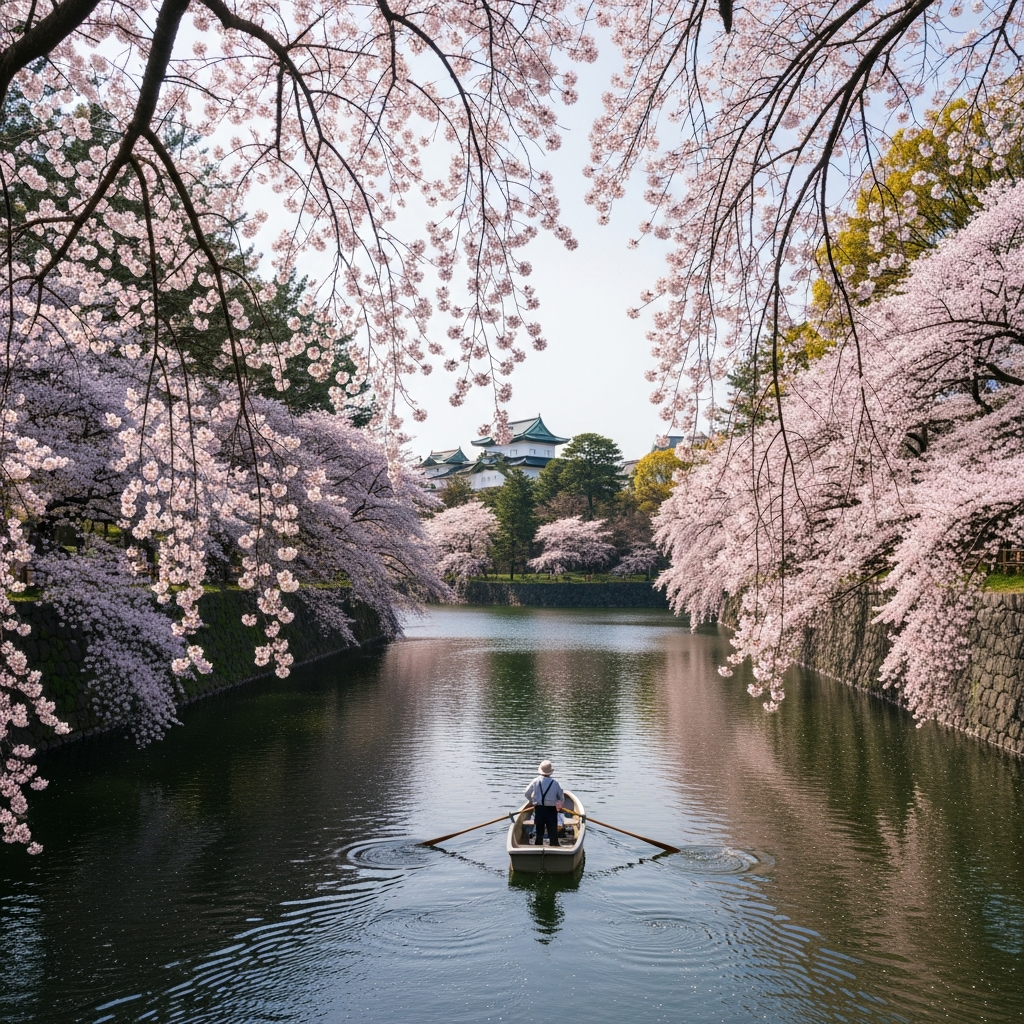
Chidorigafuchi Moat: Near the Imperial Palace, this 700-meter-long path forms a stunning cherry tree tunnel. You can rent rowboats, and from 2025, advance reservations were made available to avoid long queues, allowing you to glide directly under the blossoms.
Midtown Garden (Roppongi): Though often just 20% open in late March, the annual Midtown Blossom event includes evening illuminations (5 PM-11 PM) and a pop-up lounge, continuing into April.
Beyond Tokyo: Experiencing Sakura Across Japan
Each region of Japan offers a unique sakura experience, blending natural beauty with local culture.
Kyoto: Ancient Beauty in Bloom
Kyoto offers perhaps the most atmospheric cherry blossom viewing, with ancient temples and traditional streets providing a stunning backdrop. However, while its charm is undeniable, its immense popularity means crowds can be overwhelming, especially at famous spots. I found early mornings were often the only way to truly experience its serene beauty before the throngs arrived. Kyoto’s popularity also comes with a higher price tag; the city has increased accommodation taxes (up to 10,000 yen for luxury rooms) to manage tourism, so factor that into your budget.
Kyoto’s Serene and Popular Viewing Locations
Philosopher’s Path: A gentle canal walk where petals often drift on the water, creating a poetic, reflective scene.
Maruyama Park: A central gathering spot, famous for its magnificent weeping cherry tree, which is beautifully illuminated at night.
Arashiyama: A scenic area combining riverbanks, iconic bridges, and mountain views, all adorned with blossoms.
Kiyomizu-dera Temple: This hillside temple provides wide, sweeping views over a sea of cherry blossoms, especially from its wooden terrace.
Osaka: Lively Festivities and Riverside Charm
Osaka’s cherry blossom season follows closely behind Kyoto, typically peaking around late March to early April. It’s a relaxed and sociable time to explore the city’s parks and riverfronts.
Best Osaka Sakura Experiences
Osaka Castle Park: An expansive park surrounding the iconic castle, featuring thousands of cherry trees. It’s a bustling hub for hanami parties.
Kema Sakuranomiya Park: This long stretch along the Ōkawa River is perfect for leisurely walks and picnics, with blossoms lining the waterside.
Japan Mint: Renowned for its unique, short “Sakura Passage” season, showcasing later-blooming varieties, typically opening in mid-April.
Fukuoka & Hiroshima: Southern Delights
Fukuoka and Hiroshima usually experience their blooms from late March into early April, with Fukuoka often leading slightly. Their proximity makes it feasible to visit both if your timing aligns.
Where to See Sakura in Fukuoka
Maizuru Park: The primary gathering point, built around castle ruins and densely packed with cherry trees.
Nishi Park: Offers city views from a higher vantage point, providing a more spread-out and tranquil experience.
Hiroshima’s Poignant Petals
Hiroshima Peace Memorial Park: Cherry trees line the walking paths, offering a serene contrast within this historically significant area.
Miyajima Island: A short ferry ride from Hiroshima, where blossoms frame the iconic torii gate, shrines, and forest paths, offering stunning coastal views.
Hokkaido: The Grand Finale
Hokkaido is the last region to welcome cherry blossoms, with the season typically spanning late April to mid-May. It feels cooler and less crowded than mainland Japan, offering a more peaceful viewing experience. I’ve always found the later bloom here a refreshing way to extend the sakura season.
Northern Japan’s Unique Bloom
Goryokaku Fort (Hakodate): This unique star-shaped fortress is encircled by thousands of cherry trees, best admired from the observation tower.
Matsumae Park: One of Hokkaido’s largest sakura sites, boasting a vast array of late-blooming varieties.
Hokkaido Shrine (Sapporo): A local favorite for hanami, often combined with a visit to nearby Maruyama Park.
Deep Dive into Sakura Traditions
Beyond simply viewing the blossoms, Japan’s sakura season is about active participation in centuries-old traditions, deeply rooted in the concept of mono no aware – the poignant beauty of transient things.
Hanami: The Heart of Spring Celebration
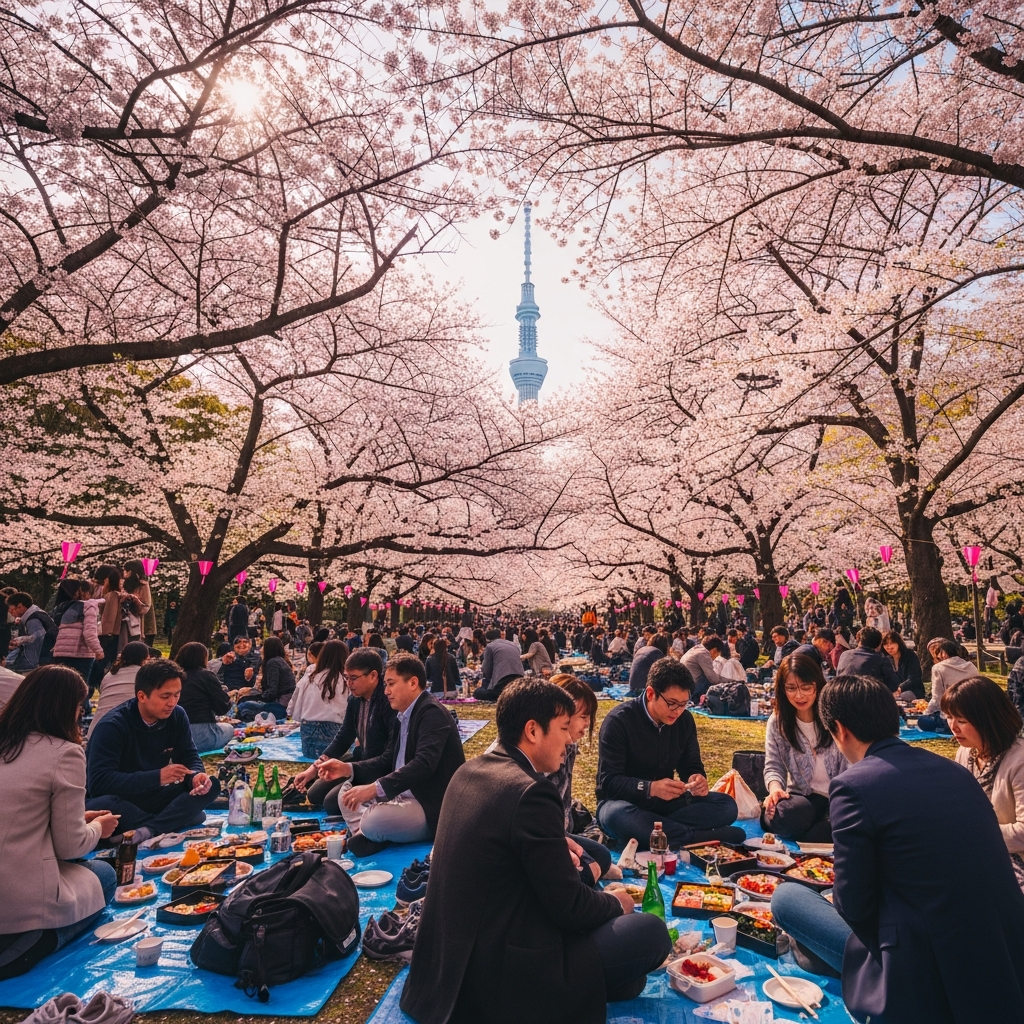
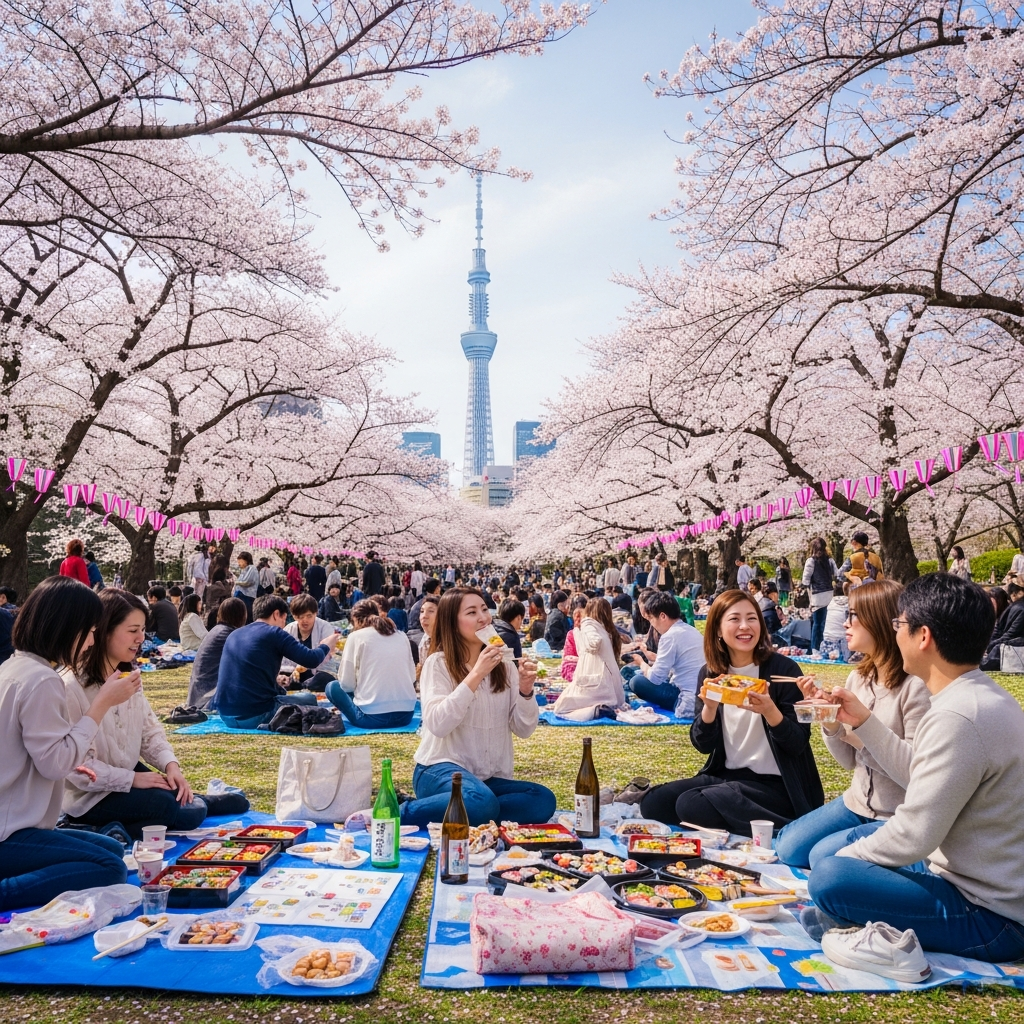
Hanami – the tradition of flower viewing – is at the heart of the celebrations. Friends, families, and colleagues gather in parks and along riverbanks for picnics, food, and drinks under the canopy of cherry trees. It’s a social affair, often involving cheerful chatter and laughter. Many people arrive early to secure prime spots with picnic sheets, sometimes staying for hours to soak in the atmosphere. I once arrived at a popular hanami spot a little too late, finding all the prime picnic real estate already claimed – a lesson learned for future trips! You’ll find seasonal treats like hanami dango (sweet rice dumplings) and specially prepared bento boxes available, making picnicking easy and delicious.
Yozakura: Enchanting Night Blooms
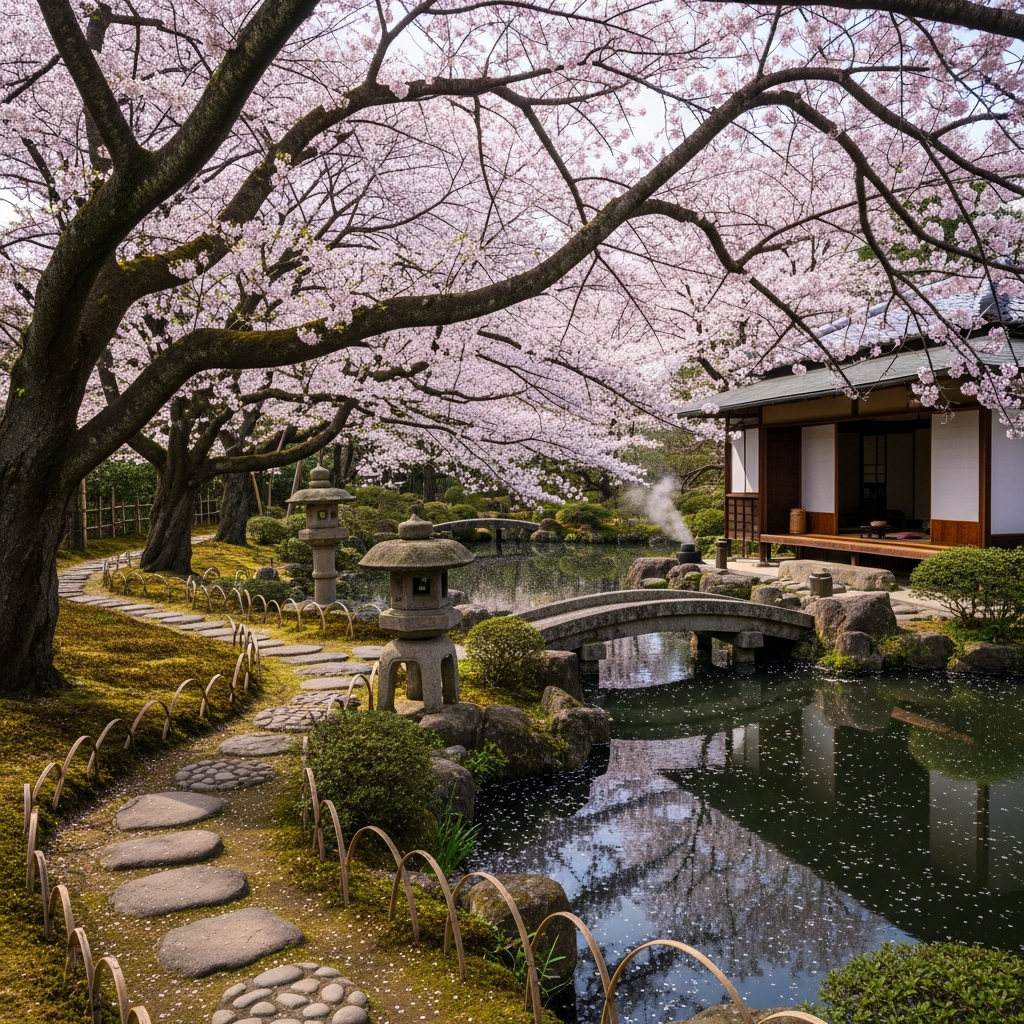
As dusk falls, selected parks and temples transform with yozakura, or night cherry blossoms. Trees are beautifully illuminated, casting a soft, ethereal glow that offers a completely different, often more serene, perspective. Tokyo’s Rikugien Gardens, for instance, illuminates its magnificent 70-year-old weeping cherry tree, creating a truly memorable scene. In Nakameguro, lanterns typically glow from 5 PM to 8 PM for approximately 15 days, turning the canal into a pink tunnel of light.
Seasonal Delights and Souvenirs
The sakura theme extends far beyond the trees themselves. Stores nationwide are filled with sakura-flavoured sweets, drinks, and merchandise, reflecting the national obsession with these symbols of spring. Keep an eye out for cherry blossom-infused teas, pastries, and even limited-edition stationery. These items make charming souvenirs and a delicious way to immerse yourself in the season’s spirit.
Essential Tips for Your Unforgettable Sakura Trip
Planning your visit strategically can greatly enhance your sakura experience. Japan welcomed a record 42.7 million visitors in 2025, and the cherry blossom season is its biggest draw, so prepare for crowds, especially in major cities.
Planning Your Visit: Timing & Accommodation
Monitor Forecasts: Cherry blossom timing can shift annually based on weather. Consult reliable sources like the JMC’s Otenki Navigator for weekly updates as your travel dates approach. These forecasts are critical for fine-tuning your plans.
Book Early: Hotels and flights, especially in popular cities like Tokyo, Kyoto, and Osaka, sell out months in advance. Securing your accommodation 6-12 months ahead of time is not just recommended, it’s often essential to avoid disappointment or exorbitant prices.
Travel Flexibility: If possible, allow for a few extra days in your itinerary. This can be a lifesaver if bloom dates shift or if you want to chase the blossoms to nearby areas.
Embracing the Experience: Culture & Weather
Pack a Picnic: Bring a plastic sheet or blanket, snacks, and drinks. Joining a hanami picnic under the trees is a quintessential Japanese experience. Remember to take all your trash with you.
Prepare for Changing Weather: Late March and early April can still be chilly, especially in the evenings, and sudden rain showers are not uncommon. I remember being caught in an unexpected downpour in Kyoto, wishing I’d packed an extra layer and a compact umbrella. Dress in layers to stay comfortable.
Explore Beyond the Main Attractions: While iconic spots are popular for a reason, seek out quieter riversides or local gardens. These often offer a more authentic and less hurried viewing experience.
Navigating Crowds & Kyoto’s New Tax
Arrive Early at Popular Spots: Famous parks get incredibly crowded. Aim to arrive shortly after opening hours for the best chance at a peaceful experience and better photos.
Understand Kyoto’s Tax: Be aware that Kyoto has implemented higher accommodation taxes (up to 10,000 yen for luxury rooms) to manage its overwhelming tourism. Factor this into your budget when planning your stay in the ancient capital.
Frequently Asked Questions
When is the best time to see cherry blossoms in Japan in 2026?
The prime time to experience Japan cherry blossom 2026 will depend on your chosen region. Major cities like Tokyo, Kyoto, and Osaka are forecasted to peak from late March to early April. If you’re traveling later in spring, Hokkaido offers a unique experience with its blossoms appearing from late April into mid-May. Given the prediction of earlier blooms, always check the latest forecasts from the Japan Meteorological Corporation as dates can vary slightly.
What exactly is hanami, and how can I join in the celebrations?
Hanami is the cherished Japanese tradition of gathering with friends, family, or colleagues for picnics under blooming cherry blossom trees. To participate, simply find a spot in a park (many bring a plastic tarp or blanket), pack some food and drinks, and enjoy the beautiful scenery. Many local shops sell special hanami bento boxes and treats, making it easy to join in this quintessential Japanese spring activity.
Given the popularity, how far in advance should I book my Japan trip for sakura season?
Due to the immense popularity of the Japan cherry blossom 2026 season, booking flights and hotels well in advance is absolutely crucial. Accommodation in major cities can sell out several months ahead, and prices can increase significantly. For the best selection and to avoid inflated costs, it is highly recommended to book your hotels and flights ideally 6-12 months before your planned travel dates.
Conclusion
The Japan cherry blossom 2026 season promises an enchanting start to spring, filled with natural beauty and deep cultural significance. From the lively hanami parties to the tranquil yozakura illuminations, each region offers its own unique charm. By staying informed on the latest forecasts, embracing the cultural traditions, and planning ahead with insider tips, you can immerse yourself in this magical time. Whether it’s your first visit or a return journey, the fleeting beauty of sakura is an experience that resonates long after the last petal falls. Start planning your unforgettable journey today, and prepare to be captivated by Japan’s spectacular spring.”,
“imagegenerationprompt”: “A vibrant, eye-level photograph of a crowded hanami picnic scene under full cherry blossoms in Ueno Park, Tokyo. Families and friends are spread out on blue picnic blankets, enjoying food, drinks, and conversation. In the background, the iconic Tokyo Skytree is visible, framed by the pink and white cherry blossoms