
Exploring japan beyond its big cities—Tokyo, Kyoto, and Osaka—rewards travelers with a deeper dive into the country’s diverse landscapes, rich history, and genuine cultural experiences. While these major hubs offer undeniable appeal, for those eager to delve deeper, the real magic often lies in discovering Japan beyond the well-trodden routes. This guide, informed by expert insights and my own travel experiences, unveils incredible destinations that promise authentic encounters, fewer crowds, and stories truly worth sharing.
Quick Look: Undiscovered Japan Highlights
Art & Serenity: Experience modern masterpieces on Naoshima, a tranquil island in the Seto Inland Sea.
Historical Resonance: Walk through the powerful Peace Memorial Park in Hiroshima and explore its resilient spirit.
Nature’s Embrace: Trek ancient cedar forests and enjoy slow island life in Yakushima, a UNESCO World Natural Heritage site.
Timeless Trails: Step back into Edo-era Japan along the historic Nakasendō in the picturesque Kiso valley.
Culinary Delights: From premium ramen to fresh seafood, Hokkaido offers diverse adventures for food lovers and snow enthusiasts.
Why Venture Beyond the Urban Rush?
The allure of Japan is undeniable, drawing in a record 36.9 million international visitors in 2024 alone. Most itineraries naturally gravitate towards the famed metropolises, where futuristic skylines meet ancient temples and culinary innovation reigns supreme. However, as these urban hubs become increasingly saturated, smart travelers are seeking out off-the-beaten-path Japan for a more intimate and unvarnished slice of Japanese life.
Even popular day-trip destinations like Nara, famous for its deer park, still see significant tourist numbers. While the demographic mix evolves, the consistent presence of substantial crowds simply underscores the need to explore further afield if genuine tranquility is your goal. My conversations with leading travel specialists—including Jason and Scott Gilman of JapanQuest Journeys, Tisha Neufville of Neufville Travel, Diana Lara of First in Service, and Duncan Greenfield-Turk of Global Travel Moments—revealed a consensus: a wealth of unique experiences awaits beyond the well-trodden routes. These destinations won’t necessarily replace the convenience of flying into major airports but act as delightful additions, enriching your journey with unparalleled cultural and natural depth.
Art, History, and Serenity: Cultural Immersion
Naoshima: Island of Art & Contemplation
For those who believe art extends beyond gallery walls, Naoshima is a revelation. This compact island in the Seto Inland Sea is a masterclass in integrating contemporary art and architecture directly into the landscape. Diana Lara describes it as a living museum, where iconic installations like Yayoi Kusama’s dotted pumpkins sit by the water and Tadao Ando’s minimalist structures are carved into hillsides. It feels less like viewing art and more like existing within it. The entire island, with its transformed fishing villages, truly becomes an open-air exhibition.
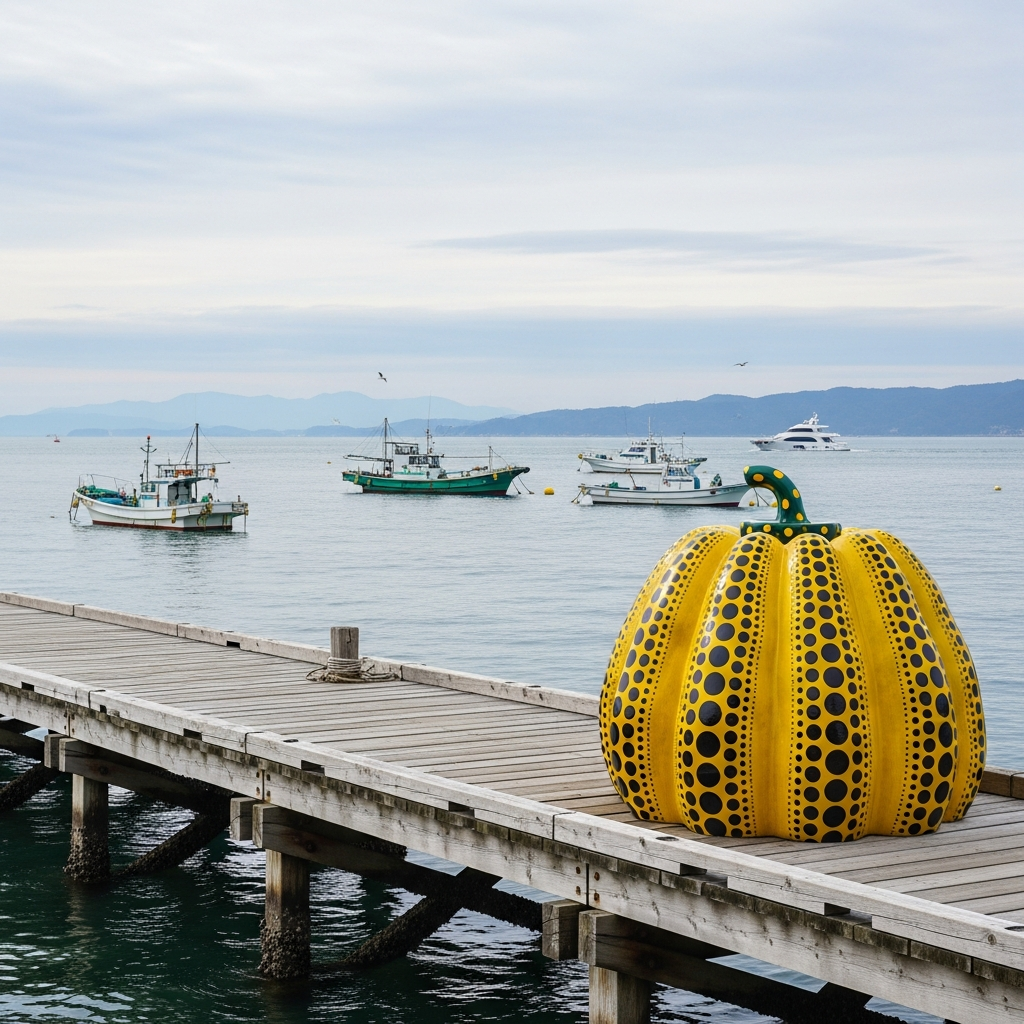
Getting to Naoshima takes some planning: typically a train journey from Kyoto or Shin-Osaka to Okayama, a car transfer to Uno Port, and then a ferry. It’s not the quickest hop, requiring a dedicated half-day of travel, but I found the journey itself a pleasant decompression, signaling a shift to a slower pace. The best times to visit are spring, early summer, or late autumn, when the weather is mild, perfect for exploring outdoor exhibits. These periods also align with the Setouchi Triennale, a massive contemporary art festival that transforms various Seto Islands every three years.
Hiroshima: A Profound Journey Through Resilience
While globally recognized for its tragic past, Hiroshima today stands as a powerful testament to human resilience and a global symbol of peace. Visiting Hiroshima Peace Memorial Park and the skeletal remains of the Genbaku Dome is a moving experience that I believe is essential for understanding a crucial chapter of world history. As Lara beautifully puts it, it’s a place for those drawn to “the deeper currents of history and human endurance.”
Beyond its memorial, Hiroshima offers much to explore. A short ferry ride leads to Miyajima Island, home to the iconic “floating” torii gate of Itsukushima Shrine. The city also boasts Hiroshima Castle, originally constructed in the late 14th century, offering a glimpse into feudal Japan. My advice is to dedicate at least a full day here; rushing through diminishes the weight of its narrative. This city is perfect for culturally curious travelers and anyone seeking a journey that resonates deeply.
Nature’s Embrace & Timeless Trails
Yakushima: Ancient Cedars & Subtropical Wonders
If you dream of escaping into raw, subtropical wilderness, Yakushima is your destination. This lush Ōsumi Island, a UNESCO World Natural Heritage site, is home to ancient Yakusugi cedar trees, some over 7,000 years old. Duncan Greenfield-Turk highlights its misty trails and rich biodiversity, while the Gilmans emphasize its appeal for immersive outdoor adventures, from multi-day treks to coastal explorations. The slow island life here, accompanied by unique local cuisine like flying fish and yuzu citrus, is truly restorative. I remember thinking how the air felt distinctly different, thick with the scent of pine and damp earth.
Yakushima can be enjoyed year-round, but consider spring for pleasant temperatures or autumn for drier weather and excellent visibility. You can reach this natural sanctuary via a short domestic flight or a scenic ferry from Kagoshima, Kyushu. This isn’t a quick stop; plan for several days to truly soak in its rugged beauty and intricate ecosystems.
Kiso Valley: Edo-Era Charm on the Nakasendō
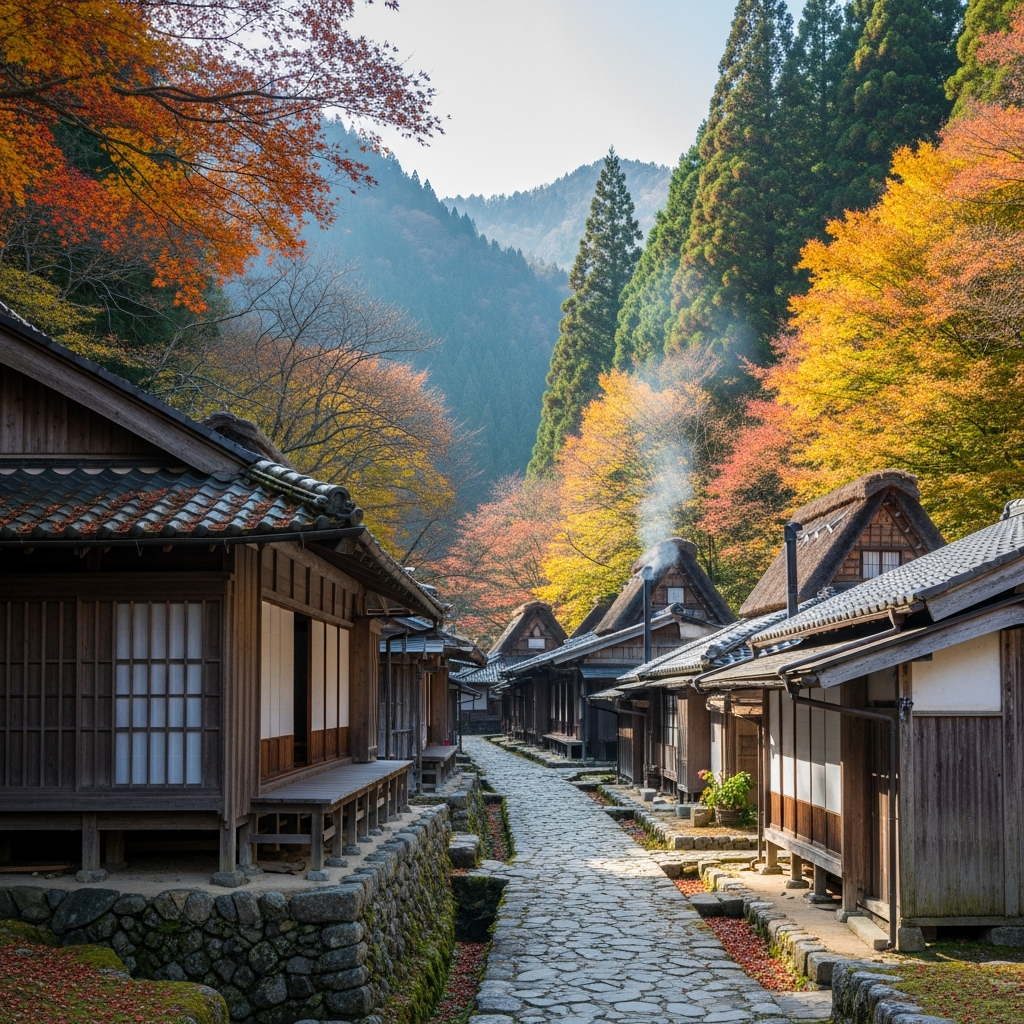
For history buffs and those seeking rural tranquility, the Kiso Valley is an enchanting escape. The Gilmans recommend it for its beautifully preserved Edo-period post towns, like Narai, and the historic Nakasendō route, which once connected Edo (Tokyo) to Kyoto. Walking sections of this ancient path, surrounded by scenic mountains, offers a tangible connection to Japan’s past. This is the place to taste rural Japan, appreciate traditional crafts, and embrace a slower, more contemplative rhythm of life.
The Kiso Valley is especially rewarding in spring (April-June) when blooming flowers adorn the trails, or in autumn (October-November) for spectacular fall foliage. Access is convenient, often a 90-minute drive from Nagoya, which is easily reached by Shinkansen. While much of Japan feels fast-paced, here, time truly slows down.
Iya Valley: Shikoku’s Rugged Heart
For those seeking raw, untamed nature and a genuine sense of adventure, Iya Valley on Shikoku is exceptional. Duncan Greenfield-Turk describes it as one of Japan’s most remote and unspoiled areas, characterized by lush greenery, deep gorges, and steep mountain slopes. Its vine bridges, hot springs, and traditional thatched farmhouses transport you to an earlier era. I’m not afraid to admit that crossing the Iya Kazurabashi bridge, a literal bridge made of vines, was a heart-pounding experience – definitely not for those with a fear of heights!
This region also boasts cuisine that reflects its rugged land and rivers, offering hearty, distinctive flavors. Greenfield-Turk suggests visiting in October and November to experience dramatic autumn foliage and seasonal harvest flavors. Fly into Tokushima from Tokyo or Osaka, then embark on a two-hour scenic drive into the valley. It’s a commitment, but the reward is unparalleled immersion in nature.
Culinary Journeys & Regional Gems
Wazuka: The Essence of Japanese Green Tea
Matcha lovers, prepare for a treat. Wazuka, an easy day trip from Kyoto, is a serene haven dedicated to Japanese green tea cultivation. The Gilmans describe it as a region renowned for its strikingly beautiful tea fields, offering stunning views of mountains carpeted in vibrant green. It’s an ideal spot for those interested in sustainable agriculture and the intricate world of tea production, providing a tranquil, rural experience that delivers deeply on authentic flavor.
Wazuka is particularly captivating between March and October. During this window, you can witness or even participate in tea picking, observe the processing, and enjoy exclusive tea-paired lunches. I found that even if you’re not a tea connoisseur, the sheer beauty of the landscape and the peaceful atmosphere are incredibly calming. Getting there is straightforward; an hour’s drive from Kyoto, or a bus from Kamo Station, itself accessible from Kyoto by regional rail.
Hokkaido: A Culinary and Outdoor Playground
While gaining popularity, Hokkaido, Japan’s second-largest island, still offers vast opportunities for exploration, especially for foodies and nature enthusiasts. Tisha Neufville praises its exceptional food scene, boasting the freshest seafood, premium dairy, and some of the world’s best ramen in Sapporo. Beyond the plate, Hokkaido’s varied landscape is perfect for golf, hiking, kayaking, and world-class winter sports, particularly skiing in Niseko.
The best time to visit depends on your interests. Winter brings incredible skiing and the Sapporo Snow Festival. Spring offers ramen shows and lavender fields in Furano, while autumn showcases stunning fall foliage and numerous onsen opportunities. My personal take: rent a car; Hokkaido’s vastness is best explored on your own schedule. Flying into New Chitose Airport (CTS) near Sapporo is your gateway, typically connecting from Tokyo or Osaka.
Kakunodate: Northern Japan’s Samurai Legacy
Known affectionately as the “Little Kyoto” of the north, Kakunodate offers a deeply cultural, slow-paced experience far from the energy of the megacities. Greenfield-Turk highlights its famed samurai houses, cherry bark woodcraft, and historic streets preserved with Edo-period architecture. With a local population of just 14,000, it provides an authentic slice of small-town Japanese life.
Kakunodate is a prime spot for hanami* (cherry blossom viewing) in April, and its autumn foliage is equally spectacular, often celebrated with local food festivals. The Akita Shinkansen offers a relatively easy journey from Tokyo, taking just under three hours. While it’s accessible for a day trip, staying overnight allows you to truly absorb its easy-going rhythm and northern Japanese hospitality.
Planning Your Authentic Japan Journey
Incorporating these unique destinations into your itinerary requires strategic planning. Consider internal flights for remote islands like Yakushima or Hokkaido, or leverage Japan’s efficient Shinkansen network for places like Hiroshima or the Kiso Valley. Factor in travel time; I often find that adding just one extra transfer can extend a journey by half a day. Pre-booking accommodations, especially in smaller towns, is highly recommended, as many places cater to international guests. While language barriers can be more prevalent outside major cities, translation apps and a few basic Japanese phrases go a long way in fostering genuine connections.
Frequently Asked Questions
Q1: Is it difficult to travel to these less-touristed areas without speaking Japanese?
While major cities offer ample English support, traveling to these less-touristed areas can present more language barriers. However, with translation apps, common courtesy, and basic Japanese phrases, you’ll manage well. Many expert-recommended accommodations in these areas, like Naoshima Ryokan ROKA or Sankara Hotel & Spa Yakushima, cater to international guests. Planning ahead and having addresses written in Japanese is always a good idea.
Q2: How do I incorporate one of these unique destinations into my existing Japan itinerary?
Consider which international airport your existing plans use (Tokyo Narita/Haneda, Osaka Kansai). Destinations like Wazuka are easy day trips from Kyoto, while Hiroshima can be a Shinkansen stop between Osaka and Kyushu. For more remote places like Yakushima or Iya Valley, plan a dedicated 2-3 day segment, understanding that internal flights or longer train/ferry connections will be involved.
Q3: What kind of unique cultural experiences can I expect outside of Tokyo, Kyoto, and Osaka?
Beyond the major cities, you’ll discover specific regional cultures. On Naoshima, it’s contemporary art integrated into island life. In Wazuka, it’s hands-on tea culture. Kiso Valley offers the tangible history of samurai and merchant routes. Hokkaido provides a distinctive culinary scene focusing on local produce and seafood. These experiences often feel more intimate and allow for deeper engagement with local traditions, offering a truly authentic glimpse into Japan’s diverse heritage.
Charting Your Course for a Deeper Japanese Adventure
Choosing to explore Japan beyond the big cities rewards you with unparalleled experiences. From the art-infused landscapes of Naoshima to the ancient cedar forests of Yakushima, and the historical depths of Hiroshima, these regions offer a quieter, more profound engagement with Japanese culture and nature. The expert advice highlights that while these destinations might require a little more planning, the personal stories and unique memories you’ll gather are genuinely priceless. Japan is a country of incredible depth, and while the major cities are fantastic, a true connection often beats strongest in its less-explored corners. Don’t be afraid to venture beyond the usual; the rewards of discovering a truly unique Japan are immeasurable.