

Rome, the Eternal City, captivates with its monumental history, drawing millions to iconic sites. Yet, tucked away in its vibrant heart, the Colonna Palace offers a profoundly different experience. This private home-museum stands as one of Rome’s most exclusive and enigmatic cultural treasures. It provides an unparalleled glimpse into centuries of aristocratic heritage, breathtaking art, and a family’s steadfast commitment to preservation. Far from the bustling throngs of mass tourism, discover the secrets within its gilded halls. It’s a testament to enduring power and an invaluable legacy.
The Enigma of Colonna Palace: Rome’s Hidden Baroque Jewel
While many Roman landmarks embrace legions of visitors, the Colonna Palace Rome maintains a deliberate, cloistered integrity. This sprawling baroque masterpiece occupies an entire city block, its magnificent façade hinting at the grandeur within. Access to this unparalleled site is meticulously controlled, offering a stark contrast to the bustling queues elsewhere. Unlike the newly opened Commodus Passage at the Colosseum, designed to give the public a taste of imperial exclusivity, the Colonna Palace prioritizes an intimate historical immersion.
Visitors gain entry in small groups, typically just ten people at a time. Guided by expert art historians, these exclusive tours occur for a few hours on Friday and Saturday mornings. Elisabetta Cecchini, a restorer at the palace, perfectly articulates the family’s philosophy. “We cannot have mass tourism. It is not the wish,” she states. This approach underscores a core belief that “art dies in the absence of public appreciation,” yet the palace “is not intended as a museum to be commodified.” This echoes a similar dedication to unique preservation methods, much like the meticulously studied “air-dried chaplain” mummy, showcasing diverse historical approaches to safeguarding the past.
Architectural Splendor and Priceless Art Collections
Beyond its exclusivity, the Colonna Palace houses an extraordinary collection. Originally designed by Antonio del Grande, its late 17th-century enhancements benefited from the genius of Gian Lorenzo Bernini, Johan Paul Schor, and Carlo Fontana. The result is an architectural marvel, built upon the complex engineering and material sourcing characteristic of ancient Roman construction, a legacy seen in cities like Trier with its extensive use of brick.
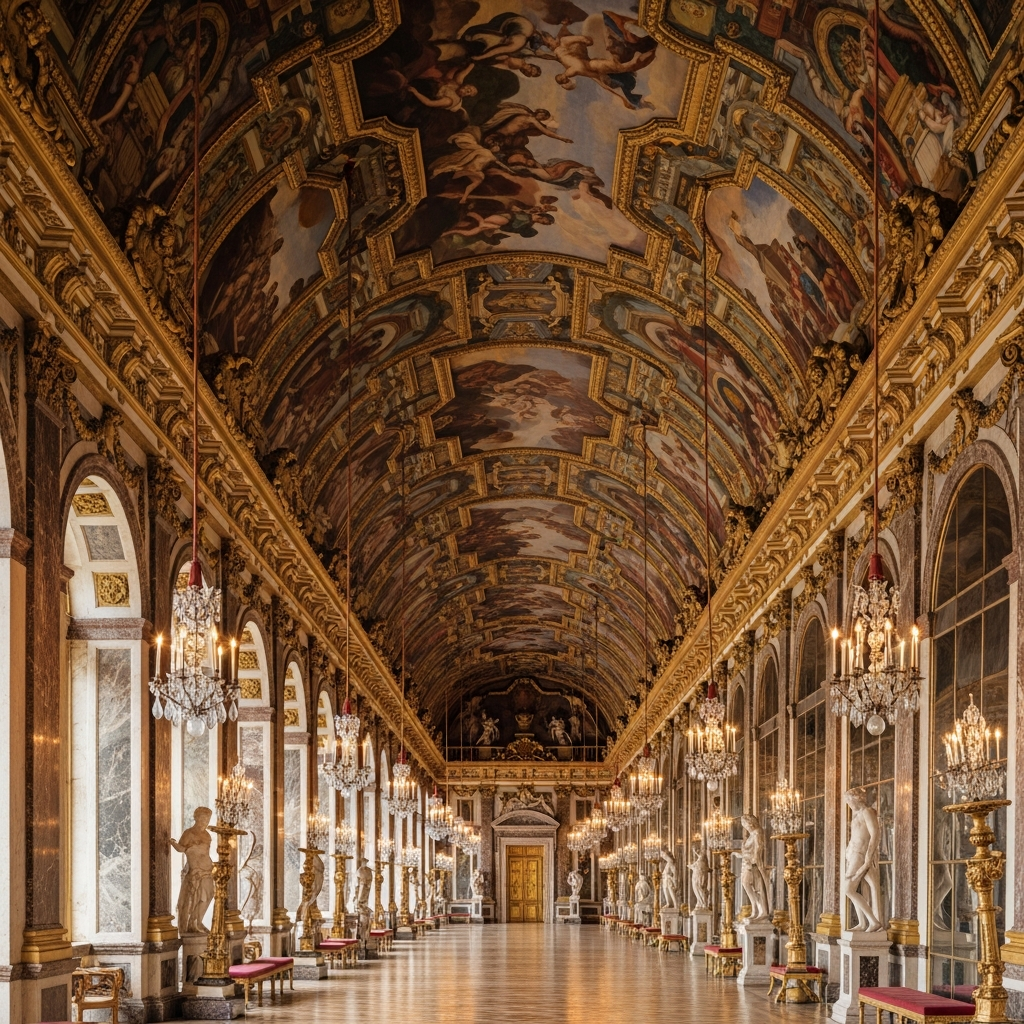
Inside, visitors encounter a wealth of baroque paintings, sculptures, busts, and tapestries. The magnificent 76-meter (249-foot) Great Hall is a particular highlight. It features a frescoed ceiling, majestic marble columns, and glittering chandeliers. Every artifact tells a story, revealing layers of Roman history and artistic patronage that few ever witness firsthand. Just as ancient London dwellings boasted meticulously painted plaster walls, revealing the artistic prowess of Roman decorators, the Colonna Palace showcases an even grander scale of artistic opulence.
A Legacy Forged in History: The Colonna Family and Roman Nobility
The palace’s profound significance is intrinsically linked to the Colonna family, its custodians since the 12th century. This venerable lineage is part of Rome’s “black nobility.” This term refers to families who remained steadfastly loyal to the Pope and the Papal State. This unwavering allegiance was particularly evident during the pivotal moment of Italian unification in 1870. During this period, they famously displayed black banners outside their palaces as a symbol of mourning. Simultaneously, they diligently safeguarded their priceless artworks within their walls.
Power, Papacy, and Pivotal Battles
The Colonna family’s impact on Rome and Europe is vividly portrayed throughout the palace. The Throne Room, for instance, features a powerful portrait of Oddone Colonna. He rose to become Pope Martin V in 1417, subsequently making the Colonna Palace the papal residence for a decade. This highlights the family’s deep connection to the Vatican and their significant influence in Roman history.
Another forebear, Commander Marcantonio Colonna, is celebrated in the Great Hall’s frescoed ceiling. It depicts his heroic exploits and crucial victory in a 16th-century naval battle. This triumph proved a watershed moment for the future of Europe. As Patrizia Piergiovanni, the gallery director, aptly states, “We can say that the Colonna cannot exist without Rome, but even Rome cannot exist without the Colonnas.” This emphasizes their inseparable bond with the Eternal City.
Safeguarding Priceless Heritage: A Story of Resilience
The Colonna family’s dedication extends beyond mere ownership; it encompasses a profound sense of duty. For over two centuries, a family trust has legally ensured that the precious artworks housed within the palace will forever remain there. This foresight underscores their commitment to future generations, demonstrating an aristocratic resilience vital to preserving cultural heritage.
Princess Isabella Colonna is particularly revered for her heroic actions during the Nazi invasion of Rome. Facing imminent threat, she orchestrated the concealment of all artworks. She ordered them “crammed into a wing of the building whose entrances were then walled up.” This daring act successfully hid the treasures from occupying forces, preserving an irreplaceable part of humanity’s artistic heritage. This dedication to preservation, prioritizing authentic engagement over mass appeal, sets the Colonna Palace apart from many other destinations.
Preservation Over Profit: A Unique Philosophy
The relative seclusion of the Colonna Palace Rome is not a mere accident; it’s a carefully guarded principle. Don Prospero Colonna, the family’s sitting prince, still resides there. He grants infrequent approvals for special events. Notable instances include the 2005 launch of Pope John Paul II’s book and the 2018 Metropolitan Museum of Art exhibition of Catholic fashion. These events, attended by figures like Donna Versace and Anna Wintour, marked rare admissions for journalists.
Claudio Strinati, a former superintendent of Rome’s museums, strongly supports this approach. He considers the palace “indubitably one of humanity’s greatest artistic heritages.” He affirms the family’s responsibility to protect it. Strinati emphasizes that such sites “were not conceived as tourist attractions” but “are made for those who have a certain understanding of history.” This perspective offers a profound counterpoint to the commodification often seen in modern tourism. For those seeking unique Roman experiences, beyond the usual, sites like Nero’s Domus Aurea or the Palazzo Farnese offer similar glimpses into aristocratic and imperial grandeur, albeit with different access models.
Colonna Palace on Screen: A Cinematic Connection
Even with its guarded exclusivity, the Colonna Palace has subtly entered popular imagination through cinema. The magnificent Great Hall served as the backdrop for the final scene of the 1952 classic film “Roman Holiday.” Here, Audrey Hepburn, playing a beloved princess, addressed the foreign press corps. In a memorable moment, she unequivocally declared Rome her most cherished city. This cinematic nod, though brief, adds another layer to the palace’s rich narrative. It connects its aristocratic past with a timeless piece of film history. It allows a wider audience to experience a sliver of its beauty, even if only on screen.
Planning Your Exclusive Encounter with Roman Heritage
For those seeking an unparalleled cultural experience beyond the usual tourist circuits, the Colonna Palace offers a profound opportunity. While access is limited, the intimate setting provides a deep, unhurried appreciation of its baroque art and history. Understanding the palace’s philosophy of preservation and its unique visiting hours is key to planning your journey to this extraordinary site in Rome, Italy. For those interested in diverse historical narratives, consider exploring the Palazzo Massimo alle Terme for ancient art or the Basilica of Santi Quattro Coronati for medieval insights. Each offers a distinct lens through which to view Rome’s layered past.
Engaging with its history means respecting its enduring legacy. The Colonna Palace stands as a living testament to aristocratic resilience, artistic patronage, and a deliberate choice to prioritize authentic engagement over mass appeal. It truly offers a rare and intimate encounter with centuries of art and aristocratic history.
Frequently Asked Questions
What makes the Colonna Palace a unique cultural experience in Rome?
The Colonna Palace Rome offers a unique cultural experience due to its status as one of the city’s most exclusive and privately-owned historical sites. Unlike typical museums, it remains a living aristocratic residence, home to the noble Colonna family since the 12th century. Its deliberate choice to limit mass tourism to small, intimate, expert-guided tours on Friday and Saturday mornings ensures a deep, unhurried appreciation of its extraordinary baroque architecture, priceless art collection, and rich political history. This commitment to preservation over commodification provides an authentic glimpse into centuries of Roman history and aristocratic legacy, rarely accessible elsewhere.
How can one arrange a visit to the Colonna Palace?
Access to the Colonna Palace is highly restricted, emphasizing intimacy and preservation. Public visits are limited to small groups, typically ten people at a time, for a few hours exclusively on Friday and Saturday mornings. These tours are led by expert art historians, offering an in-depth exploration. To arrange a visit, prospective travelers should consult the official palace website or relevant specialized tour operators for precise booking information and availability. Due to the limited capacity and specific schedule, advance arrangements are absolutely essential to secure a spot for this unique encounter with Roman heritage.
Is the Colonna Palace suitable for all types of travelers, or is it a niche attraction?
The Colonna Palace is undoubtedly a niche attraction, best suited for discerning travelers who value an intimate, exclusive encounter with profound history and unparalleled baroque art over the fast-paced, high-volume experience of typical tourist sites. Its value lies in the quality of the immersion rather than the quantity of visitors, offering a unique perspective on Roman history and artistic preservation. While not for those seeking quick snapshots or mass entertainment, it is an unforgettable and uniquely enriching experience for individuals with a “certain understanding of history” and a desire for a deeper, less commercialized cultural immersion in the heart of Italy.
Conclusion
The Colonna Palace remains a powerful symbol of Rome’s multifaceted history and enduring aristocratic spirit. It defiantly transcends the conventions of modern tourism, offering instead a profound invitation to step into a meticulously preserved past. Visiting this extraordinary private Roman palace is more than just seeing art; it’s an immersion into a living legacy. It’s a testament to a family’s dedication, and a rare opportunity to connect with the very soul of the Eternal City. For the discerning traveler, the Colonna Palace offers an unmatched glimpse into the heart of Roman grandeur, a true secret waiting to be discovered, showcasing baroque art and a noble lineage unlike any other.