
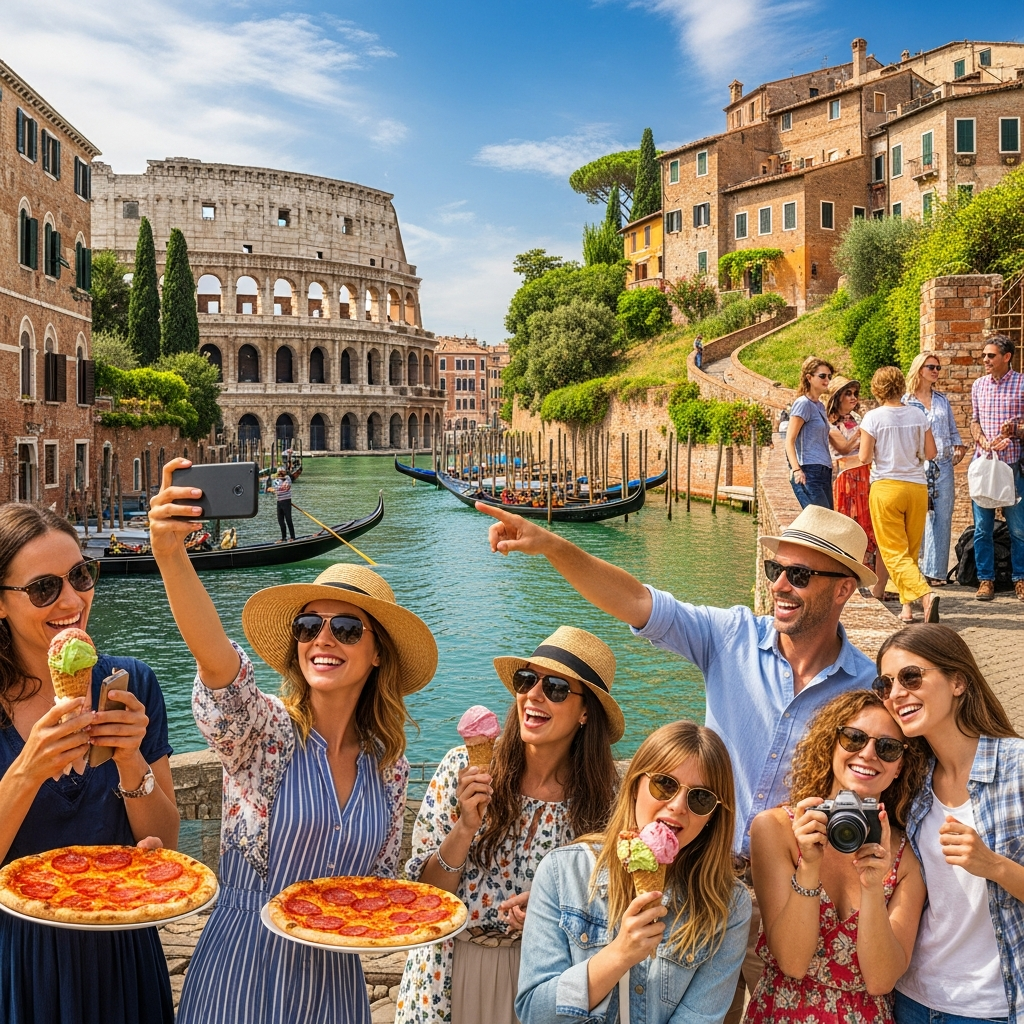

Italy is the undisputed heart of cultural tourism. It captivates millions with its profound history, world-class art, and vibrant traditions. A recent in-depth study, analyzing digital footprints through 2025, highlights remarkable year-on-year growth in visitor satisfaction and engagement. This guide explores Italy’s dynamic travel landscape. It offers essential insights and practical tips. These ensure your journey through its iconic cities and hidden treasures is both memorable and deeply enriching.
Italy’s Enduring Appeal: Unpacking 2025 Cultural Travel Trends
Italy’s magnetic charm is undeniable. Cultural motivations now drive a remarkable 34.7% of all travel interest. The nation’s 61 UNESCO World Heritage Sites speak volumes about its profound historical footprint. Italian cuisine’s anticipated inclusion on the intangible cultural heritage list in 2025 further strengthens this global appeal. From Venice’s romantic canals to Rome’s ancient grandeur, Italy offers a rich tapestry of unforgettable experiences.
The Modern Cultural Traveler: Shifting Demographics and Motivations
Cultural exploration in Italy is still a highly social endeavor. Couples make up 43% of visitors to art cities. Families follow closely at 28%. Interestingly, solo travelers have seen a 3% year-on-year increase. This signals a growing demand for personalized, independent cultural adventures. Italy is becoming an increasingly friendly destination for solo explorers. This trend is particularly evident within vibrant cultural hubs like Florence and Rome.
While Italy itself remains the largest source market for its tourism, international dynamics are evolving. France maintains steady visitor numbers. Germany, however, experienced a slight dip from 7% to 5.5% in total reviews. This coincides with Germany’s rising domestic travel trend since 2024. Yet, Italy continues to attract a robust and diverse international mix of visitors.
Beyond the Mainstream: Italy’s Emerging Cultural Gems
Rome and Florence consistently draw immense crowds. However, an exciting shift towards regional diversity is underway. Travelers are increasingly venturing beyond traditional art cities. Smaller towns, especially in Central and Southern Italy, are gaining significant traction. Destinations like Siena and Assisi in Central Italy boast exceptional visitor satisfaction. Their sentiment scores exceed 90/100. Siena, known for its small-town charm and the historic Palio, offers gothic splendor and boutique shopping. Assisi provides profound spiritual and architectural beauty.
In the South, Caserta and Bari are fast-rising stars. Caserta achieved an 85.5/100 sentiment score. Bari was close behind at 85/100. These regions offer authentic, less-crowded experiences. They benefit from increased global interest. The magnificent Reggia di Caserta, a UNESCO World Heritage Site, consistently ranks among Italy’s most reviewed museums. Nearby, Naples’ Museo Cappella Sansevero is the third fastest-growing museum by review volume. It saw a 10.89% increase in 2025. Other emerging southern jewels include Lecce, praised as the “Florence of the south” for its Baroque architecture. Matera is famous for its ancient cave dwellings. Even Cilento offers rugged beauty and pristine beaches for those seeking unspoiled landscapes.
Iconic Landmarks: Sustained Satisfaction Amidst High Volume
Italy’s cultural landscape, replete with historic landmarks, clearly demonstrates a strong link between global visibility and visitor satisfaction. Despite immense foot traffic, major attractions continue to deliver fulfilling experiences. This defies the idea that sheer volume necessarily detracts from quality.
Review Powerhouses: Trevi Fountain, Colosseum, and Milan Duomo
Rome’s Trevi Fountain stands as a prime example of enduring appeal. It recorded 53.1K reviews in 2025, a staggering 67% increase from the previous year. The fountain holds a remarkable sentiment score of 89.5/100. This cements its status as a beloved attraction. The Colosseum, another Roman icon, closely follows with 52.4K reviews and an even higher satisfaction score of 92.5/100.
Milan’s Duomo ranks third, with 26.7K reviews and an impressive sentiment score of 93.7/100. These figures underscore the ability of Italy’s most popular sites to maintain high visitor satisfaction. They consistently offer unique cultural experiences that deeply resonate with travelers.
The Olympic Spotlight: Italy’s Cultural Canvas on the Global Stage
The upcoming 2026 Milan Cortina Winter Olympics are shining an even brighter light on Italy’s cultural prominence. The Olympic Torch Relay, starting in ancient Olympia, embarks on an ambitious 12,000 km journey. It traverses all 110 Italian provinces. This relay provides a unique opportunity to showcase Italy’s diverse cultural canvas. The flame passes through both renowned landmarks and charming lesser-known cities.
From its start in Rome, carried by Giancarlo Peris past Castel Sant’Angelo, the Pantheon, and the Trevi Fountain, the relay has captivated the nation. It traversed Umbria and Tuscany, visiting Florence and San Gimignano. Significant stops included Naples (where Jackie Chan carried it through Pompeii) and Bari for New Year’s celebrations. The iconic St. Mark’s Square in Venice was also visited via gondola. The torch even reached Cortina d’Ampezzo for the 70th anniversary of the 1956 Winter Games. This event expertly blends ancient traditions with modern spectacle. It offers dynamic, current layers to Italy’s cultural tourism narrative. Milan, the Olympic epicentre, is experiencing a boom in tourism and infrastructure. It prepares to host visitors eager to combine sports with cultural exploration of its rich Renaissance history and modern flair.
More Than Monuments: Italy’s Culinary & Hospitality Excellence
Italy’s competitive edge extends far beyond its stunning cultural heritage. Its world-renowned culinary delights and high hospitality standards play an equally crucial role in attracting visitors globally.
Italian Cuisine: UNESCO Heritage and a Global Culinary Journey
Italian cuisine’s inclusion on UNESCO’s intangible heritage list in 2025 is a monumental draw. Research indicates that culinary experiences earned a sentiment score of 86.5/100, a 1.1% increase from 2024. This confirms food’s pivotal role alongside art and history in Italy’s strong tourism appeal. From savoring authentic Bolognese pasta to indulging in Neapolitan pizza, food forms an integral part of the immersive Italian experience. Milan, in particular, champions its unique culinary identity. It favors butter over olive oil and rice dishes like the famed Risotto alla Milanese.
Elevated Stays: Accommodation and Short-Term Rental Satisfaction
Accommodation and short-term rentals are vital components of Italy’s robust tourism infrastructure. They have also seen consistent improvements. The sentiment score for accommodations rose to 81.9/100. Short-term rentals reached 84/100. These figures reflect overall high satisfaction with Italy’s visitor services and amenities. They contribute significantly to a seamless and enjoyable travel experience for the majority of guests.
Mastering Your Italian Journey: Essential Visitor Tips
For first-time visitors, or even seasoned travelers, a few practical insights can significantly enhance an Italian adventure. These tips help avoid common pitfalls and maximize enjoyment.
Beyond the Crowds: Embracing Italy’s Regional Diversity
Popular cities are undeniably captivating. However, true wisdom lies in exploring beyond them. Consider day trips from major hubs. From Venice, visit Padua’s Scrovegni Chapel or Verona’s Roman amphitheater. As studies highlight, destinations like Siena, Assisi, Caserta, and Bari offer exceptional satisfaction. They provide more authentic, less-crowded experiences. Embrace these secondary cities and regions like Puglia, Tuscany’s Chianti, or the Dolomites for a richer, more diverse perspective of Italy’s cultural tapestry.
Smart Travel: Avoiding Common Tourist Mistakes
Validate Train Tickets: Italy’s public transport is excellent. For regional trains without assigned seats, always validate paper tickets at platform machines. For e-tickets, ensure digital validation. Failing to do so can incur fines.
Eat Away from Attractions: Restaurants directly adjacent to main landmarks often have inflated prices and lower quality. Walk a few blocks away for more authentic, delicious, and reasonably priced dining experiences. Engage with locals for recommendations.
Beware of Scams: Remain vigilant in crowded tourist areas. If approached by sellers handing you items like roses or bracelets, politely but firmly refuse. Do not feel obligated to pay if an item is forced upon you; simply let it drop and walk away.
Pack Light: Italy’s charming cobblestone streets, numerous stairs, and limited elevator access make large, heavy suitcases a burden. Opt for a carry-on and a small backpack. Compression packing cubes can be invaluable for minimizing belongings. This strategy will make navigating easier and more enjoyable.
Financing Your Trip: Understanding Italy’s Tourist Taxes
Travelers must factor in Italy’s increased tourist taxes, especially for 2025. These fees are partly driven by the Jubilee year. They vary by accommodation star rating and city. They are typically charged per person, per night.
Rome: Rates are among the highest. Expect €10.00 for five-star hotels, €7.50 for four-star, and €6.00 for three-star or Airbnbs.
Venice: Operates a dual-tier system. Overnight guests pay €1-€5 nightly city tax. Day-trippers on 54 peak days pay an additional €5-€10 access fee.
Florence: Capped after seven nights. Rates include €8.00 for five-star, €7.00 for four-star, and €5.50 for Airbnbs or B&Bs.
Milan: Applies for up to two weeks. Rates are €5.00 for five/four-star, €4.00 for three-star, and €3.00 for B&Bs/rentals.
Bologna: Temporarily boosted for 2025, based on room price. Anticipate €5.80-€6.50 per person for typical stays.
Naples: Applies for up to 14 nights. Expect €6.00 for five-star, €5.50 for four-star, and €4.50 for three-star/rentals.
- Amalfi Coast: Varies by town. In Amalfi, capped at four nights, with €5.00 for five-star and €3.00 for four-star.
- www.travelandtourworld.com
- www.travelandtourworld.com
- www.timeout.com
- 10best.usatoday.com
Accurate budgeting for these taxes is crucial to avoid unexpected expenses. This ensures a smooth and financially stress-free Italian journey.
The Future of Italy’s Cultural Tourism: Innovation & Challenges
Italy’s cultural tourism landscape is becoming increasingly diverse. There is a growing appreciation for secondary cities and lesser-known landmarks. This shift helps distribute visitors more evenly across the country. It also promotes more sustainable and balanced travel.
Interactive Experiences: Meeting Modern Traveler Demands
As cultural tourism evolves, so do visitor expectations. There’s a rising demand for interactive and participatory experiences. Museums incorporating immersive elements, like Florence’s Museo Leonardo da Vinci Interattivo, are seeing increased engagement and online visibility. This trend towards digital integration and hands-on learning is shaping how travelers connect with Italy’s rich and ancient heritage. Governmental support and investment in infrastructure, akin to Seoul’s approach for K-Pop tourism, can further enhance these innovative offerings.
Addressing Challenges: Enhancing Visitor Experience
Despite overwhelmingly positive trends, operational challenges persist. Visitors frequently mention concerns about long waiting times, costs, and cleanliness. Addressing these issues through improved visitor flow management, timed entry systems, and investment in interactive design is crucial. Enhancing these aspects will safeguard Italy’s reputation for a superior user experience. It will also ensure its continued success as a global cultural tourism leader.
Frequently Asked Questions
What are the biggest changes and appeals driving Italy’s cultural tourism in 2025?
Italy’s cultural tourism in 2025 sees several key shifts and enduring appeals. Cultural motivations account for nearly 35% of travel interest. Italian cuisine is set to join UNESCO’s intangible heritage list, significantly boosting its global draw. A major trend is the 3% year-on-year rise in solo travelers. This indicates a demand for more personalized experiences. Furthermore, there’s growing interest in culturally rich, lesser-known cities like Siena, Assisi, Caserta, and Bari. These offer exceptional visitor satisfaction and diversify routes beyond Rome and Florence. The upcoming 2026 Milan Cortina Winter Olympics are also spotlighting Italy’s diverse cultural landscape, attracting a blend of sports enthusiasts and cultural explorers.
Which emerging Italian cities offer the most rewarding cultural experiences beyond the main hubs?
For cultural travelers seeking authentic experiences away from the most crowded destinations, several emerging Italian cities come highly recommended. In Central Italy, Siena and Assisi stand out. Both boast visitor sentiment scores over 90/100 for their unique cultural offerings, historic charm, and spiritual significance. In Southern Italy, Caserta (85.5/100 sentiment) and Bari (85/100 sentiment) are gaining global recognition. Caserta is home to the magnificent Reggia di Caserta. Other notable recommendations include Lecce for its Baroque brilliance, Matera for its ancient cave dwellings, and the unspoiled landscapes of Cilento. All provide a deeper, less commercialized dive into Italy’s rich heritage.
How can travelers effectively budget for tourist taxes and avoid common travel pitfalls in Italy?
To ensure a smooth and budget-friendly trip to Italy, be mindful of increased tourist taxes in 2025, especially in major cities. For instance, Rome charges up to €10 per person per night for five-star stays. Venice has an additional €5-€10 access fee for day-trippers on peak days. Always factor these variable, per-person, per-night fees into your budget. To avoid common pitfalls, validate all regional train tickets to prevent fines. Seek out authentic restaurants a few blocks away from major attractions for better quality and prices. Stay vigilant against tourist scams by politely but firmly refusing unsolicited items. Lastly, pack light, as Italy’s cobblestone streets and numerous stairs make heavy luggage cumbersome.
Conclusion
Italy’s cultural tourism continues its impressive upward trajectory. It demonstrates sustained growth and high visitor satisfaction across both iconic landmarks and dynamic emerging regions. The notable 67% increase in reviews for attractions like the Trevi Fountain, coupled with the rising appeal of secondary cities, underscores a vibrant and evolving travel landscape. By embracing regional diversity, leveraging advanced digital engagement, and proactively addressing operational challenges, Italy is poised to maintain its status as a world leader in cultural tourism. For travelers seeking rich, authentic, and memorable experiences, Italy remains an unparalleled destination. It offers a perfect balance between its renowned heritage and its exciting new discoveries.