

Navigating the skies has become significantly more complex as Middle East flight suspensions extend well into 2026, marking an unprecedented, coordinated global response to escalating security risks in the region. For millions, myself included, these decisions have sent travel plans into a tailspin, impacting everything from family vacations to crucial business trips. This comprehensive guide helps you understand the situation and navigate the shifting global travel landscape.
Quick Summary of Key Impacts:
Coordinated Action: Major nations like Germany, the US, UK, France, Netherlands, Canada, and Hungary have united to suspend or severely limit routes.
Affected Destinations: Key hubs such as Dubai, Tel Aviv, Beirut, Tehran, Abu Dhabi, Amman, and Riyadh are experiencing major disruptions.
Primary Reason: Escalating geopolitical tensions, airspace instability, and military conflicts, particularly concerning Iran and the Strait of Hormuz.
Duration: Many suspensions are set to last until at least May or June 2026, with some extending into the summer and even autumn months for specific routes.
Passenger Options: airlines are generally offering flexible rebooking, alternative routes (often longer), or full refunds.
Why Flights Are Grounded: Understanding the Crisis
The decision to suspend numerous air routes to vital Middle Eastern destinations is far from arbitrary. It stems from a critical, collective need to ensure passenger and crew safety amidst an increasingly volatile geopolitical landscape. Recent events, particularly those surrounding Iran and the Strait of Hormuz, have dramatically altered the risk assessment for commercial aviation.
Escalating Geopolitical Tensions & Airspace Risks
The situation in the Middle East has intensified, with a joint statement issued by leaders from the UK, France, Germany, Italy, the Netherlands, Japan, and Canada on March 19, 2026, condemning Iran’s actions. These include reported attacks on commercial vessels, assaults on crucial civilian infrastructure like oil and gas installations, and the de facto closure of the Strait of Hormuz. This vital waterway, through which approximately 20% of the world’s oil passes, has seen nearly all commercial shipping cease since February 28, 2026, leading to a sharp, abrupt increase in oil prices. Such disruptions naturally elevate the risks of airspace violations, missile threats, and electronic warfare for flights traversing or landing in the region.
The global concern is palpable, underscored by UN Security Council Resolution 2817, which highlights the threat to international peace and security. The tit-for-tat air strikes on energy facilities, such as Israel’s attack on Iran’s South Pars gas field and Iran’s retaliation on Qatar’s Ras Laffan, sent shockwaves through international markets. European natural gas prices surged by as much as 25%, and Brent oil initially jumped to US$119 a barrel before settling around US$103.
A Coordinated Global Aviation Response
The coordinated response from multiple nations reflects the severity of these risks. Germany, notably through the Lufthansa Group, has played a central role, extending flight suspensions to key Middle Eastern hubs. This isn’t merely about individual airline decisions; it’s a unified front guided by government advisories and aviation safety protocols to safeguard travelers. Countries like the UK and US have also issued comprehensive and urgent travel warnings, advising against all or non-essential travel to key areas like Israel, Palestine, Bahrain, Kuwait, Qatar, and the UAE, urging citizens to shelter and register with embassies. I’ve personally seen how quickly these advisories can change, making constant vigilance a necessity.
Navigating Affected Routes & Key Airlines
Numerous airlines and countries are impacted, each announcing specific measures to manage the volatile situation. This isn’t just a minor blip; it’s a significant recalibration of global flight paths for an extended period, leading to massive disruption across the global aviation industry.
European & North American Carriers Adjust
Germany’s Lufthansa Group, including Lufthansa, SWISS, and Austrian Airlines, has been prominent. Flights connecting Germany to Dubai and Tel Aviv are suspended until May 31, 2026, while routes to Abu Dhabi, Beirut, and Tehran face longer suspensions until October 24, 2026. Similarly, the Air France-KLM Group (representing France and the Netherlands) has extended cancellations to Tel Aviv and Beirut until April 11, 2026, and to Dubai until May 17, 2026. Passengers from these airlines are being directly notified and offered alternative routes, potentially with codeshare partners, though longer travel durations are expected.
In the United States, major carriers like United Airlines, Delta Air Lines, and American Airlines have extended flight suspensions to Tel Aviv until June 14, 2026, and to Dubai until May 31, 2026. These actions are in compliance with warnings from the Federal Aviation Administration (FAA) and Department of Transportation (DOT), focusing on minimizing operational risks. Canada’s Air Canada has also extended cancellations to Dubai and Tel Aviv until May 31, 2026, following government safety advisories.
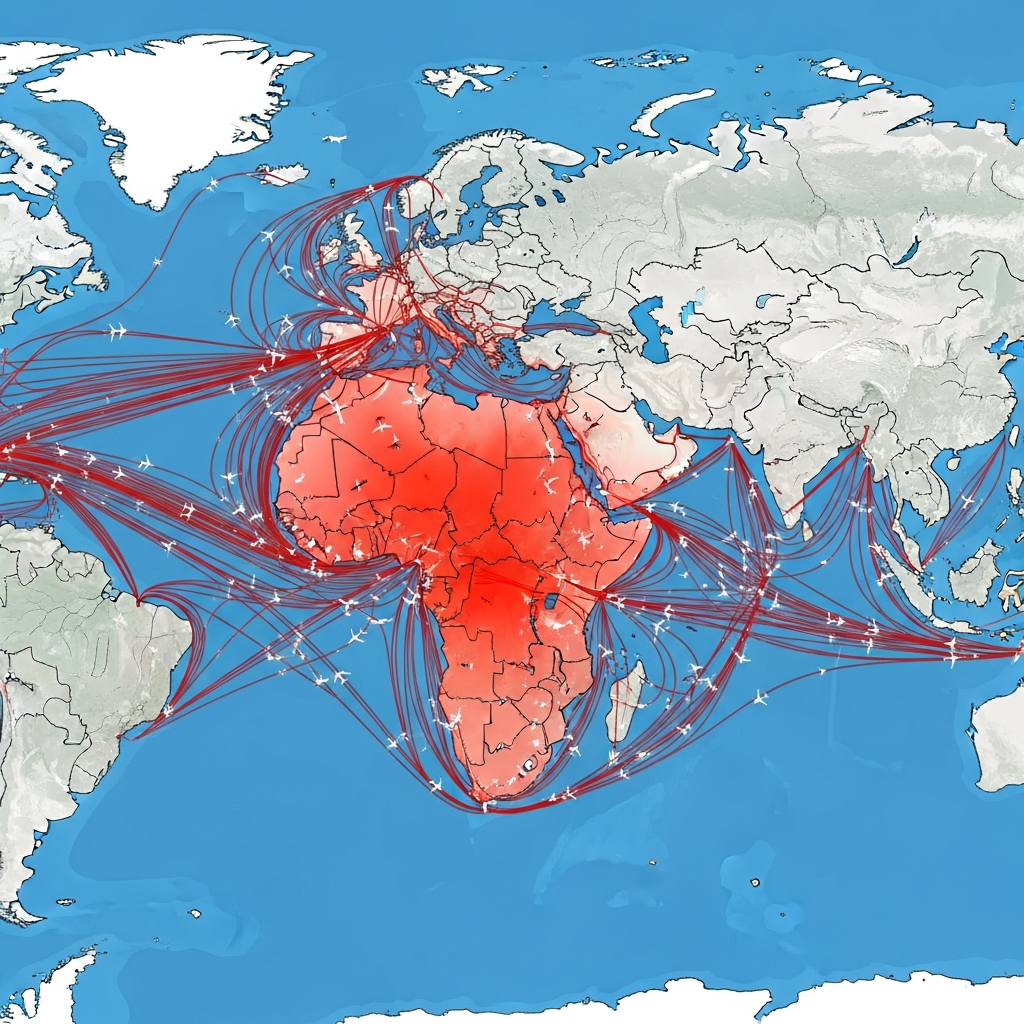
Beyond the West: UK, Asia, and Regional Impact
The United Kingdom’s Civil Aviation Authority (CAA) supports the suspension of flights to Middle Eastern destinations, aligning with formal travel advisories. British Airways and Virgin Atlantic have suspended all flights to Dubai, Tel Aviv, and Amman until May 31, 2026. The UK’s business travel sector, especially to tech hubs like Israel and the UAE, is feeling a significant pinch from this disruption.
Hungary’s Wizz Air, a leading low-cost carrier, has suspended flights to Tel Aviv through April 7, 2026. As I’ve experienced with budget airlines, their limited alternative routes mean rebooking can be pricier or involve longer waits. Cathay Pacific, based in Hong Kong, has extended cancellations to Dubai and Riyadh through April 30, 2026, managing risks associated with Middle Eastern airspace. They, too, are offering alternative routing through hubs like Doha or Istanbul.
| Airline/Group | Affected Destinations | Suspension Period (Approx.) |
| :——————— | :—————————— | :————————– |
| Lufthansa Group | Dubai, Tel Aviv | Until May 31, 2026 |
| Lufthansa Group | Abu Dhabi, Beirut, Tehran | Until Oct 24, 2026 |
| United, Delta, American | Tel Aviv | Until June 14, 2026 |
| United, Delta, American | Dubai | Until May 31, 2026 |
| British Airways | Dubai, Tel Aviv, Amman | Until May 31, 2026 |
| Virgin Atlantic | Dubai, Tel Aviv, Amman | Until May 31, 2026 |
| Air France-KLM Group | Tel Aviv, Beirut | Until April 11, 2026 |
| Air France-KLM Group | Dubai | Until May 17, 2026 |
| Air Canada | Dubai, Tel Aviv | Until May 31, 2026 |
| Wizz Air | Tel Aviv | Until April 7, 2026 |
| Cathay Pacific | Dubai, Riyadh | Until April 30, 2026 |
| SWISS | Tel Aviv (from Zurich) | Until April 9, 2026 |
Beyond Air Travel: Broader Global Mobility & Logistics
While the focus is on commercial passenger flights, the ongoing conflict has profoundly disrupted global mobility and supply chains. This creates an unpredictable and high-risk operating environment that renders standard travel and immigration processes unreliable.
Relocation Challenges & Immigration Realities
The disruption is broad, affecting not only direct conflict zones but also traditional “safe” locations across the Gulf and wider region. This compels organizations to reassess relocation strategies and consider destinations outside the Middle East. Key issues include widespread airspace restrictions, limited commercial flight availability, and unstable border conditions, severely constraining both entry and exit options. Immigration systems across many jurisdictions are operating at reduced capacity or are entirely suspended, leading to significant challenges in visa processing, renewals, and in-country compliance.
Countries like Iran and Lebanon are described as operating under active conflict, with aviation non-functional and immigration services effectively non-operational. Even stable areas like Israel, Kuwait, Qatar, Saudi Arabia, UAE, and Bahrain are experiencing heightened security, ongoing missile/drone activity, and constrained aviation operations. Airports are operating at reduced capacity, prioritizing essential travel, and schedules are subject to rapid change. Oman, despite its neutrality, is primarily functioning as a transit point. Stable “parking” destinations for relocation outside the region include Cyprus, Turkey, India, Greece, and Georgia, chosen based on nationality, visa access, and operational feasibility. This is not a quick fix; relocation is often a multi-step process.
Supply Chain & Cargo Disruptions
The logistics industry faces equally severe challenges. The conflict has brought airfreight to a halt, generating major shipment backlogs expected to worsen as many airlines institute full booking stops. On the ocean freight side, any previous hopes for a return to normalcy in the Red Sea have been dashed, and all ocean carriers have now suspended shipping through the Strait of Hormuz. This critical chokepoint, connecting the Persian Gulf with the Gulf of Oman and the Arabian Sea, is responsible for roughly a fifth of globally traded oil.
Consequences include significant delays for both in-transit and upcoming shipments to and from the Middle East. Financial impacts are immediate, with war-risk surcharges leading to overall rate increases. Major terminals like DP World’s Jebel Ali have seen temporary suspensions due to intercepted aerial threats, leading to vessel delays and yard congestion. For anyone relying on international goods, these disruptions mean longer waits and higher costs, a frustrating reality I’ve personally observed in the global market.
Essential Traveler Options & Advice for 2026
Millions of passengers are facing canceled flights and rerouted trips. If your travel plans are affected, understanding your options is crucial for minimizing disruption and stress. It’s a genuine downside that even with options, this creates significant inconvenience and uncertainty.
Your Rebooking, Refunds, and Rerouting Guide
Most airlines are offering flexible rebooking options or full refunds. You’re generally advised to:
Check Flight Status Regularly: Use official airline websites and apps for the most current information. Flight statuses can change rapidly.
Contact Your Airline Directly: For rebooking or refund requests, direct communication is often best, but prepare for longer wait times.
Explore Alternative Routes: Be prepared for significantly longer travel times if rerouting through different hubs (e.g., Istanbul, Doha, Cairo, or Abu Dhabi) is your chosen option. Some airlines are providing alternative routing through these hubs. I once faced a reroute that added 14 hours to my journey, which wasn’t ideal for a tight schedule.
Critical Travel Tips & Safety Measures
Be Flexible: Travel in 2026 requires an adaptable mindset. Having a Plan B, or even C, can save you a lot of grief. I always keep my schedule somewhat loose, expecting the unexpected.
Review Travel Insurance: Understand what your policy covers regarding geopolitical conflicts and flight cancellations. Not all policies are created equal, and some might not cover “acts of war” or specific advisory levels. This is a common pitfall.
Stay Informed: Monitor global news and official government travel advisories. These situations evolve rapidly, sometimes hourly. Register with your home country embassy for updates and potential evacuation plans.
Document Everything: Keep records of your original booking, cancellation notifications, and any communication with airlines or travel agencies. This is essential for refunds, insurance claims, or even demonstrating “force majeure” for compliance reasons.
- Secure Critical Documents: Back up critical documentation digitally. Avoid uncoordinated travel or border movements without confirmed arrangements.
- newlandchase.com
- www.travelandtourworld.com
- www.bbc.com
- www.scangl.com
- www.travelandtourworld.com
Broader Economic & Tourism Implications
These extensive Middle East flight suspensions are causing significant disruption not just for individual travelers but for global tourism and business sectors. Major tourist hubs like Dubai, Tel Aviv, and Abu Dhabi are seeing reduced international visitors, impacting local economies heavily reliant on travel revenue. Business travelers, especially to key tech and business hubs like Israel and the UAE, are encountering substantial challenges. Rescheduling trips often means increased costs and longer travel times, hampering productivity. Industries like hotels, tour operators, and travel agencies are experiencing a ripple effect, with rising cancellations. This economic instability, compounded by the global energy crisis spurred by the Strait of Hormuz situation, creates a complex financial challenge globally.
Frequently Asked Questions
Why are Middle East flights suspended until 2026?
Middle East flights are suspended until at least May or June 2026 due to escalating security risks and airspace instability caused by growing geopolitical tensions, particularly involving Iran. Major international bodies and governments have issued warnings concerning missile threats, electronic warfare, and risks to commercial flights. Airlines are prioritizing passenger and crew safety, adhering to government advisories, and adapting to reduced airport capacities in the volatile region.
Which airlines are affected by these Middle East flight cancellations?
Numerous major international carriers are affected. Key airlines include the Lufthansa Group (e.g., Lufthansa, SWISS, Austrian Airlines), United Airlines, Delta Air Lines, American Airlines, British Airways, Virgin Atlantic, Air France, KLM, Air Canada, Wizz Air, and Cathay Pacific. Each airline has specific routes and destinations affected, predominantly to cities like Dubai, Tel Aviv, Beirut, Amman, Abu Dhabi, and Riyadh, with suspension periods varying by destination and airline.
What should I do if my flight to Dubai or Tel Aviv is cancelled?
If your flight to Dubai or Tel Aviv is cancelled, first check your airline’s official website or app for the latest status and specific instructions. Airlines are generally offering options for rebooking on alternative routes, which may involve longer travel times or different connecting hubs, or providing full refunds. It’s crucial to contact your airline directly, review your travel insurance policy for coverage, and stay informed about government travel advisories as the situation remains fluid.
Conclusion: Adapting to New Realities in Global Travel
The coordinated Middle East flight suspensions by a broad coalition of nations mark an unprecedented response to persistent instability in the region. These actions, rooted in official government advisories and rigorous aviation safety protocols, have undeniably reshaped travel for millions and sent significant ripples through global tourism, business, and logistics. As the situation continues to evolve, it’s clear that aviation safety, tourism demand, and global business travel will face challenges well into 2026