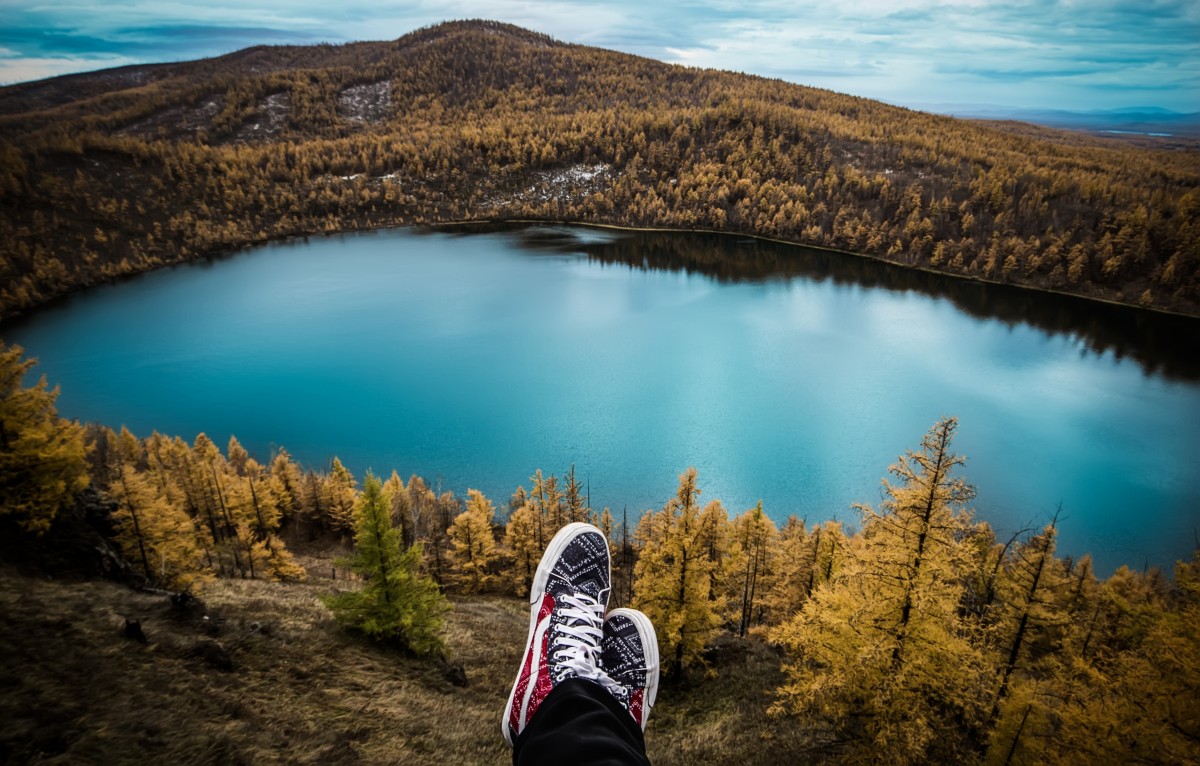
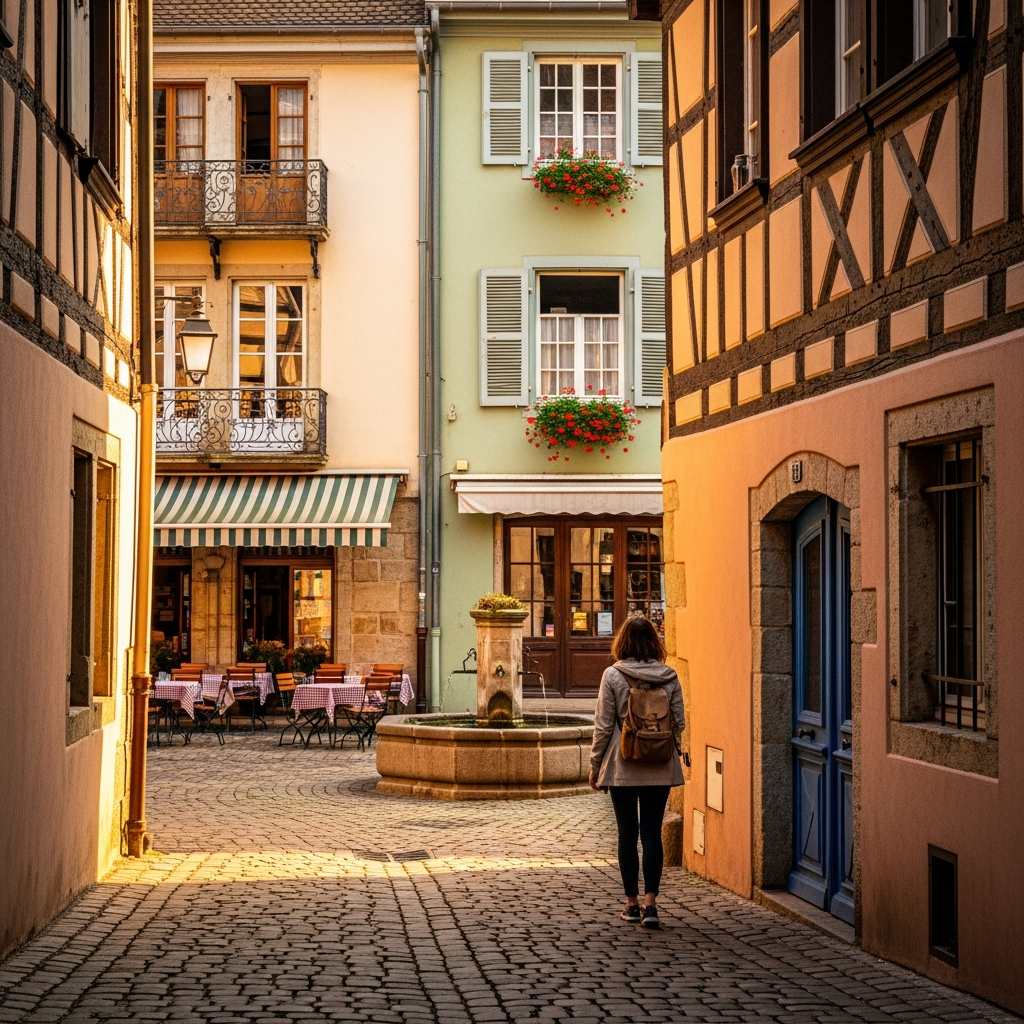

Embarking on a solo journey through Europe promises unparalleled freedom and profound self-discovery. Imagine savoring your morning coffee, spontaneously exploring a cobbled alley, or shifting plans on a whim – all without coordinating with others. While iconic hubs like Paris and Rome offer undeniable allure, their immense popularity often leads to overtourism, lengthy queues, and a constant bustle that can detract from a truly relaxed, independent adventure. For independent explorers seeking genuine value and deeper cultural immersion, Europe’s underrated destinations provide a refreshing alternative, ensuring authentic encounters and significantly fewer crowds. Discover these hidden gems, perfect for solo tourists craving tranquility and meaningful exploration.
The Undeniable Call of Solo European Travel
Solo travel is a truly transformative experience, empowering you to connect with a destination entirely on your own terms. The inherent flexibility to set your own agenda, from spontaneous detours into charming local shops to leisurely strolls through historic centers, creates indelible memories. Many seasoned solo adventurers eventually gravitate towards smaller cities and lesser-known regions. These locations often feel more conducive to independent exploration, boasting walkable historic centers, welcoming cafés, and manageable public transit systems. This makes it significantly easier to settle in and navigate independently, fostering a sense of comfort and belonging.
This shift aligns with a broader trend where travelers actively seek alternatives to major hotspots. Factors like rising costs, anti-tourism sentiments, and a yearning for more authentic interactions drive this change. As travel experts note, these quieter spots offer a reprieve. They provide all the rich culture, stunning scenery, and fascinating history Europe is renowned for, but at a remarkably relaxed pace that perfectly suits solo exploration. They are truly welcoming to visitors and often operate on a more sustainable tourism model, benefiting both locals and travelers.
Why Underrated Destinations Are Your Solo Travel Superpower
Choosing Europe’s hidden gems for solo travel offers advantages far beyond simply avoiding crowds. These destinations consistently deliver more intimate and authentic experiences, fostering deeper connections with local cultures and people. Key benefits include:
Unmatched Safety & Serenity
Many lesser-known cities are incredibly safe, offering unparalleled peace of mind for solo explorers. This often aligns with data from expert travel guides, which frequently highlight regions like Portugal and cities with efficient, well-lit public transport systems as top choices for secure solo travel. Feeling safe, even at night, allows for deeper relaxation and enjoyment of your surroundings.
Budget-Friendly Adventures
Without the intense demand seen in popular tourist hubs, accommodation, dining, and activity costs in these locations can be significantly more budget-friendly. This allows your travel funds to stretch further, offering greater value. Visiting during off-peak seasons, as seen in destinations like Palma (Mallorca) or Colmar, can dramatically reduce expenses, making rich cultural experiences surprisingly affordable for solo adventurers.
Effortless Navigation & Accessibility
Compact city centers, excellent public transport, and a less overwhelming scale make these places incredibly easy to navigate independently. Cities like Ljubljana, with its extensive pedestrian zones, or Stockholm, known for its superb public transport, exemplify this. You’ll often find yourself comfortably walking or using local buses, negating the need for car rentals or extensive guided tours.
Genuine Connections & Authentic Culture
Engaging with locals often comes more naturally in less-touristed areas. This leads to more genuine cultural exchanges and memorable interactions. The “tapas culture” in Spanish cities like Oviedo or Almería, for instance, provides a welcoming, casual environment for solo diners to experience local life and even strike up conversations.
Unique Experiences Beyond the Brochure
From distinctive local architecture to regional cuisine and lesser-known historical sites, these spots offer unique stories and sights. They present experiences that diverge significantly from mainstream European itineraries, promising truly singular memories that only an independent explorer can uncover.
1. Haarlem, The Netherlands
Just a short train ride from Amsterdam, Haarlem presents similar canal-lined charm without the overwhelming crowds. This often overlooked city offers a wonderfully safe and remarkably walkable center, easily accessible from its elegant Art Nouveau train station. Solo travelers can leisurely explore Haarlem’s museums, including the Netherlands’ oldest, Teylers Museum, showcasing both classical and contemporary art. The city’s relaxed ambiance is perfect for those who enjoy drifting between sights at their own, unhurried pace.
Beyond its immediate appeal, Haarlem serves as an excellent base for broader regional exploration. Popular destinations like Rotterdam, Delft, and The Hague are all within easy reach by train. For a dose of nature, the beach areas of Zandvoort are less than 15 minutes away, and in spring, the vibrant Keukenhof tulip fields offer stunning photographic opportunities for independent travelers.
2. Colmar, France
For those drawn to France but seeking a break from Paris’s intensity, Colmar in the Alsace region is a storybook escape. Located near the German border, this picturesque town boasts a unique Franco-German architectural style and a rich culinary heritage. Its colorful half-timbered houses, particularly around La Petite Venise, create an almost fantastical setting. Colmar is also widely known as the Alsatian wine capital, making it a delightful destination for leisurely wine-tasting experiences.
Walkable cobblestone streets make solo exploration effortless. While Christmas markets draw significant crowds in winter, and summer can be busy, visiting during other seasons allows for a quieter, more affordable experience. Early mornings and late afternoons are particularly serene, offering a different perspective once day-trippers depart, making it an ideal choice for the solo traveler to savor.
3. Braga, Portugal
Portugal consistently ranks among the safest countries globally, making it an outstanding destination for solo travelers. Beyond Lisbon and Porto, the ancient city of Braga provides a quieter, yet equally rich, experience. As Portugal’s oldest city, Braga boasts over 2,000 years of history, evident in its exquisite Baroque architecture and its reputation as the country’s religious heart. With over 30 churches, including the magnificent Sé de Braga Cathedral and the UNESCO World Heritage site Bom Jesus do Monte, there’s ample history to absorb.
Braga’s compact, flat historic center and strong rail connections ensure seamless independent travel. The city’s active and friendly nightlife, particularly in summer, offers welcoming spaces for solo diners to enjoy a pleasant evening, reflecting Portugal’s inherent warmth and hospitality.
4. Oviedo, Spain
Nestled in Spain’s lush northern region of Asturias, Oviedo exudes a quiet, sophisticated charm. It presents a wonderfully less-touristy alternative to bustling Spanish metropolises. Solo visitors will discover a walkable historic center filled with elegant plazas, centuries-old churches, and a relaxed rhythm that actively encourages unhurried exploration. You can spend hours wandering between historic streets, peaceful parks, and lively café terraces without the pressure of a rigid itinerary.
Oviedo’s culinary scene is another significant highlight. Asturias is famous for its hearty cuisine and unique cider culture. The city’s traditional sidrerías (cider bars) offer a welcoming atmosphere, even for solo diners. It’s common for visitors to strike up conversations with locals while enjoying shared plates of chorizo cooked in cider or creamy Cabrales cheese. Oviedo also serves as an excellent base for day trips to the dramatic Asturian Coast or the rugged Picos de Europa National Park, seamlessly blending cultural immersion with stunning natural beauty.
5. Ålesund, Norway
Spread across several small islands on Norway’s rugged west coast, Ålesund is a visually striking destination. Rebuilt after a devastating fire in 1904, the city showcases distinctive Art Nouveau architecture, with its harbor lined by pastel buildings and ornate towers. This unique aesthetic gives Ålesund a character unlike many other Norwegian cities, making it a compelling visual treat for independent explorers.
The city’s compact layout makes it exceptionally easy to navigate on foot. A must-do is the climb up the 418 steps to the Mount Aksla Viewpoint, offering panoramic vistas of colorful buildings, fishing boats, and distant islands. Afterward, solo travelers can effortlessly drift between waterfront cafés, small museums, and quiet side streets. Ålesund also acts as a gateway to Western Norway’s breathtaking scenery, with easy day trips to iconic fjords like Geirangerfjord, providing a peaceful yet unforgettable scenic base.
6. Trieste, Italy
Situated along the Adriatic Sea near Italy’s border with Slovenia, Trieste feels refreshingly distinct from Italy’s more famous cities. Its centuries-long history as part of the Austro-Hungarian Empire profoundly shapes its architecture, cuisine, and renowned café culture. Grand neoclassical buildings frame the waterfront, particularly the expansive Piazza Unità d’Italia, Europe’s largest sea-facing square, offering stunning vistas for quiet contemplation.
For solo travelers, Trieste is a city that truly rewards unhurried exploration. Its historic center is easily walkable, inviting you to wander between elegant squares and traditional coffee houses. Often called the “coffee capital” of Italy, enjoying an espresso alone in one of Trieste’s historic cafés, once frequented by writers like James Joyce, feels perfectly natural. Just outside the city, the majestic Miramare Castle offers a picturesque escape, enhancing Trieste’s blend of elegance and under-the-radar appeal.
7. Ljubljana, Slovenia
Ljubljana often defies expectations for a capital city, presenting a relaxed and welcoming atmosphere instead of urban bustle. Pastel buildings line the Ljubljanica River, while charming shops and cafés spill out onto its pedestrian-only streets – Europe’s largest car-free zone. This makes it an exceptionally comfortable place for solo travelers to wander without any traffic concerns, fostering a strong sense of peace and safety.
The city’s distinctive look is largely attributed to architect Jože Plečnik, whose designs, including the graceful Triple Bridge, define Ljubljana’s public spaces. The city actively encourages strolling, whether along the riverbanks or from a café, observing daily life. Ljubljana also serves as an excellent base for exploring Slovenia’s natural wonders, with destinations like Lake Bled and its iconic island church within easy reach. This balance of a serene urban environment and quick access to nature makes Ljubljana a truly appealing stop for independent adventurers.
8. Mostar, Bosnia and Herzegovina
Few places leave such a strong first impression as Mostar, famous for the elegant stone arch of the Stari Most. This 16th-century Ottoman bridge, spectacularly rebuilt after the Bosnian war, frames a river canyon and cobbled streets. Witnessing locals dive from its heights is a captivating tradition that embodies the city’s spirit and history. The historic center around the bridge is compact enough for casual foot exploration, ideal for travelers who prefer wandering over strict itineraries.
Cobblestone lanes wind past market stalls and inviting cafés, with slender mosque minarets rising above the old town. It’s easy to spend an afternoon immersing yourself in the bazaar, enjoying strong Bosnian coffee or a plate of ćevapi (Bosnia and Herzegovina’s national dish). Mostar also makes a great base for exploring the Herzegovinian landscape, including Blagaj Tekke, a striking monastery built into a towering cliff beside a spring of bright blue water. Mostar offers a dramatic, yet manageable, setting for slow, independent discovery.
9. Gjirokastra, Albania
Perched on a steep hillside above a wide valley, Gjirokastra in Albania feels like a living museum. Its old town is renowned for distinctive slate-roofed stone houses climbing the slope beneath the massive Gjirokastra Castle, one of the largest in the Balkans. Walking through this historic Ottoman center is an immersive experience, blending ancient charm with active cafés and shops, creating a unique atmosphere for solo travelers seeking authentic cultural engagement. Albania, in general, is increasingly recognized as a quiet, value-rich alternative to its often-overcrowded Mediterranean neighbors.
Gjirokastra’s rhythm is easy to embrace. The historic bazaar district is perfect for leisurely exploration, with steep cobbled streets leading to breathtaking viewpoints of the surrounding mountains and valley. It’s a place where a simple lunch can turn into an afternoon of enjoying the scenery, exemplifying the value of unhurried travel. The town also serves as a good stop for exploring Southern Albania, with the Albanian Riviera beaches and UNESCO World Heritage sites like Butrint National Park within reach, offering a memorable contrast to busier destinations.
10. Victoria, Malta (Gozo)
The island of Gozo, part of Malta, moves at a noticeably slower pace than Malta’s busier resort areas. Its small capital, Victoria (locally known as Ir-Rabat), is an ideal place to experience this tranquil rhythm. Dominating the town is the imposing Cittadella, a hilltop fortress offering panoramic views of the island’s ancient ruins, villages, farmland, and coastline. This quiet, rural character makes it incredibly appealing for solo visitors who appreciate “small packages” of concentrated charm.
Gozo’s manageable size is a significant advantage for solo travelers. Distances are short, allowing for easy exploration of beaches and historic sites without long travel times. A reliable bus system connects most parts of the island, including the charming coastal town of Marsalforn. Furthermore, English is widely spoken across Malta, simplifying communication, navigation, and interactions with locals, making Victoria a comfortable and stress-free base for exploring this scenic island independently.
11. Sibiu, Romania
With its pastel-colored buildings and cobblestone squares, Sibiu in Romania’s Transylvania region is immediately inviting. The historic center features wide plazas like Piața Mare, where cafés and restaurants spill out during warmer months, creating a vibrant yet relaxed ambiance perfect for observing daily life. The city’s charm lies in its manageable size, a quality highly valued by solo travelers and noted by experts as an “underrated destination” and one of Europe’s charming “small packages.”
The old town is wonderfully compact and walkable, inviting exploration between the Upper Town and Lower Town. Here, you’ll discover quiet alleyways, historic churches, and the city’s distinctive rooftops with their characteristic “eyes” – small attic windows that appear to watch over the streets below. Beyond the city, Sibiu’s proximity to the Carpathian Mountains provides a dramatic backdrop and opportunities for alpine adventures, making it a rewarding stop for independent travelers exploring Transylvania.
12. Kutaisi, Georgia
As one of the oldest continuously-inhabited cities in the region, Kutaisi has emerged as a tranquil gateway to Western Georgia. While budget airlines have increased accessibility to Kutaisi International Airport, the city itself retains a relaxed and approachable feel. The historic center, nestled along the Rioni River, features leafy parks, medieval architecture, pedestrian bridges, and open-air cafés, all contributing to a calm, everyday atmosphere ideal for solo discovery.
Kutaisi expertly balances cultural landmarks with easygoing exploration. Hilltop sites like Bagrati Cathedral offer sweeping city views, while the central market and local bakeries provide a chance to experience authentic Georgian life. Wandering through neighborhoods and stopping for khachapuri (delicious Georgian cheese bread) or strong Georgian coffee can easily fill an afternoon. Kutaisi also makes a great base for exploring natural wonders like Prometheus Cave, known for its dramatic stalactites and stalagmites. With its low travel costs and growing international presence, Kutaisi offers independent travelers a compelling mix of local culture and memorable scenery.
Essential Solo Travel Strategies for Europe’s Hidden Gems
Embarking on a solo trip to these underrated European destinations can be incredibly rewarding. To maximize your experience and ensure a smooth journey, consider these practical tips:
Prioritize Safety: While these destinations are generally safe, always stay aware of your surroundings, especially at night. Share your itinerary with a trusted contact and strongly consider comprehensive travel insurance for peace of mind.
Embrace Public Transport: Most of these cities boast efficient and affordable public transportation systems. Utilize them to navigate easily and reduce costs. Consider purchasing local travel passes upon arrival.
Pack Light and Smart: Traveling solo means managing your own luggage. A smaller, well-organized bag makes navigating trains, buses, and cobblestone streets much simpler and more comfortable.
Learn Basic Phrases: Even a few words in the local language (hello, please, thank you) can significantly enhance interactions, show respect for the local culture, and make your experiences more enjoyable.
Stay Connected: Use reliable offline maps, keep your phone charged, and consider an international SIM card or eSIM for easy communication and navigation.
Dine with Locals: Don’t shy away from eating alone. Many local restaurants and traditional eateries offer a welcoming atmosphere. It’s an excellent way to people-watch, savor authentic cuisine, and observe daily life. Look for places popular with residents rather than tourist traps.
Embrace Flexibility: One of the greatest joys of solo travel is the freedom to change your plans. Allow for spontaneous detours and discoveries; some of the best memories are made off the cuff.
Join Local Activities: Consider short walking tours, cooking classes, or local workshops. These can be fantastic ways to learn more about the destination and meet fellow travelers or locals in a comfortable setting.
Frequently Asked Questions
What key advantages do underrated European destinations offer solo travelers over popular cities?
Underrated European destinations provide solo travelers with several distinct advantages. They boast inherent safety and generally lower crime rates, offering greater peace of mind. Their highly walkable city centers and efficient public transportation ensure effortless navigation. Crucially, these locations are often significantly more budget-friendly due to lower demand, allowing solo adventurers to stretch their travel funds further. They also foster authentic cultural experiences and genuine interactions with locals, contrasting with the often commercialized environment of overcrowded tourist hotspots. Examples include Braga’s friendly nightlife or Almería’s surprisingly affordable daily expenses.
How can solo travelers ensure safety and easy navigation in these lesser-known European locations?
Solo travelers can enhance their safety and navigation by leveraging the inherent characteristics of these destinations. Prioritize using the reliable and affordable public transport systems found in many cities, like the extensive network in Stockholm or the pedestrian-friendly zones in Ljubljana. Always share your itinerary with a trusted contact and consider travel insurance. For navigation, utilize offline maps and keep your phone charged. Learning a few basic phrases in the local language can also significantly aid communication. These cities’ compact, walkable centers often make getting around on foot the most enjoyable and secure option, reducing reliance on taxis or complex routes.
When is the best time to visit these hidden European gems for an optimal solo experience?
For an optimal solo experience, visiting these hidden European gems during off-peak seasons is often highly recommended. This typically means spring (April-May) or autumn (September-October), and sometimes even winter for destinations with mild climates. During these times, you’ll encounter significantly fewer crowds, leading to a more relaxed atmosphere and easier access to attractions. Additionally, travel costs, including flights and accommodation, tend to be lower, offering a more budget-friendly trip. Cities like Colmar are particularly charming in the shoulder seasons, while Palma and Almería are lauded for their pleasant weather and reduced tourist numbers during the winter months, offering a peaceful yet vibrant experience.
Your Unforgettable Solo European Journey Awaits
Europe is brimming with incredible experiences waiting to be discovered, especially for the solo traveler willing to venture beyond the usual tourist circuits. These 12 underrated destinations offer a unique blend of safety, accessibility, rich culture, and stunning scenery, all at a pace that allows for true immersion and personal discovery. By choosing these hidden gems, you not only avoid the pitfalls of overtourism but also unlock a more authentic, rewarding, and truly memorable European adventure. Pack your bags, trust your instincts, and prepare to write your own unforgettable solo story in Europe’s most captivating, lesser-known corners. The journey of a lifetime awaits.”,
“imagegenerationprompt”: “A solo female traveler, seen from behind, standing on a charming cobblestone street in a picturesque, non-crowded European old town. The architecture is a mix of pastel-colored buildings and half-timbered houses, suggesting places like Colmar or Sibiu. She is looking towards a quiet plaza with a cozy outdoor cafe. Sunlight filters through a narrow alley, creating warm, inviting shadows. The mood is serene, adventurous, and authentic