
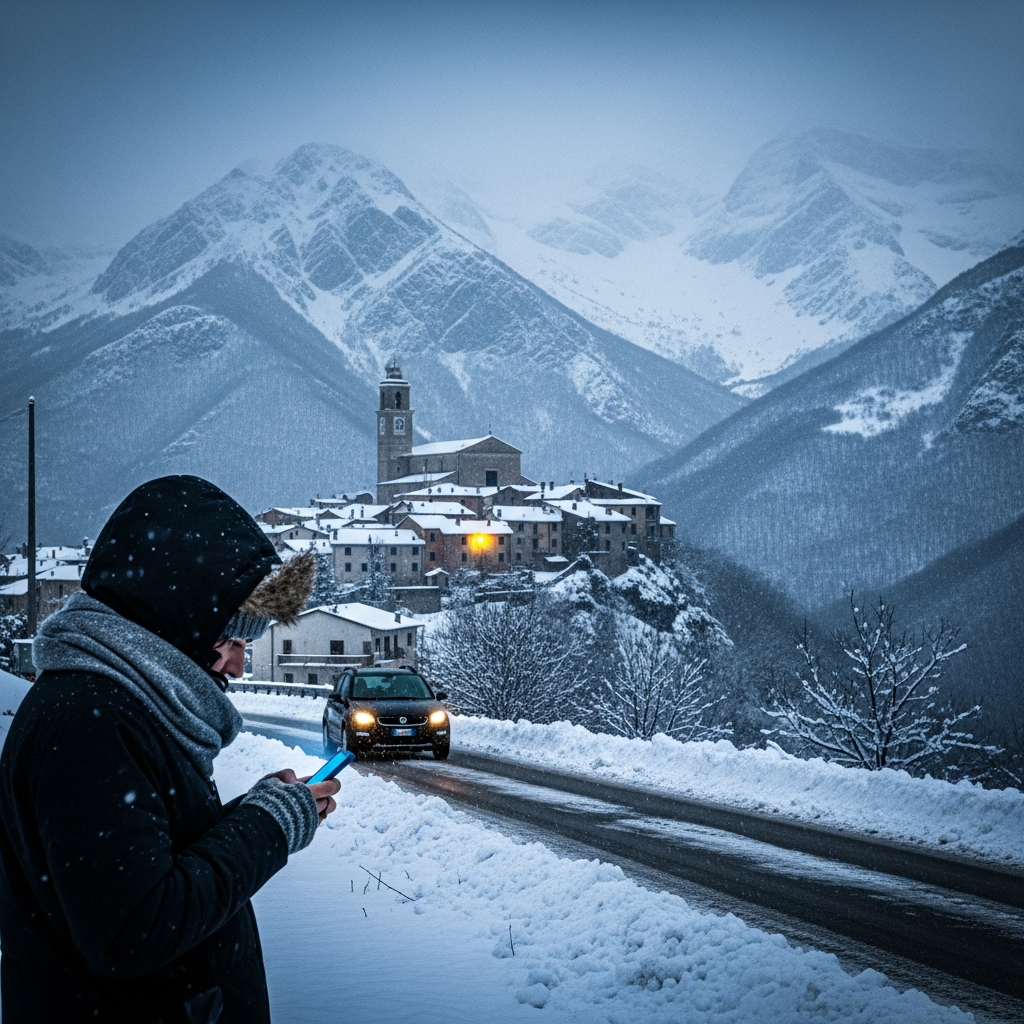

Italy is currently bracing for a significant shift in its weather patterns, signaling an unexpected return to severe winter conditions. This abrupt Italy cold snap, driven by a powerful Arctic blast, promises sharp temperature drops, extensive rainfall, and considerable snowfall across numerous regions, including the Apennines. For anyone planning to visit, understanding these dynamic conditions and potential travel disruptions is crucial for a safe and enjoyable journey. This comprehensive guide synthesizes expert meteorological insights and practical advice, ensuring you’re well-prepared to navigate Italy’s wintry resurgence.
Understanding Italy’s Unexpected Winter Comeback
After a period of unseasonably mild temperatures, a formidable Arctic blast is descending upon Italy. Meteorological experts, like Lorenzo Tedici from ‘iLMeteo.it’, have described such events as a “veritable meteorological rollercoaster,” with severe cold and widespread precipitation defying typical seasonal expectations. This isn’t just a brief cold front; it signifies a profound change in atmospheric flow, with potentially dramatic consequences.
A “Meteorological Rollercoaster” Descends
This current weather event echoes past severe cold waves that have rapidly transformed conditions across Europe. For instance, in March 2026, a “frigid mass of maritime Arctic air” originating from Norway was predicted to “nosedive towards Italy” by Tedici, bringing polar currents and a “real temperature collapse.” This blast typically brings widespread instability, particularly affecting central and southern Italy, with significant rain and snow forecasted for regions from Emilia-Romagna to Puglia.
The Science Behind the Arctic Plunge
The drastic temperature changes stem from large-scale atmospheric circulation shifts. When a powerful blocking high forms over the Atlantic, coupled with a deep low over Scandinavia, it creates a robust northerly jet stream. This funnel channels a dense Polar cold air mass rapidly southwards across much of the continent. Such a “dipole weather pattern,” as observed in late 2025 into early 2026, can cause surface temperatures to plummet by 10-15°C below seasonal averages. This phenomenon explains the rapid transition from mild to frigid conditions currently impacting Italy.
Regional Impact: Navigating Italy’s Diverse Winter Landscape
The varied geography of Italy means the effects of this cold snap will differ significantly from region to region. Visitors can anticipate everything from stunning snowscapes to heavy rainfall, each presenting unique challenges and opportunities.
Apennines: Ski Paradise with a Precautionary Tale
For winter sports enthusiasts, the Apennine mountain range is quickly becoming a winter wonderland. Snowfall is expected to reach depths of 30-40 centimeters at altitudes as low as 900 meters, with some areas seeing snow fall to 600 meters. Regions like Abruzzo and Molise are prime for fresh powder, creating ideal conditions for skiing and snowboarding. Historically, intense cold waves have delivered approximately 50 cm of new snow in these mountainous areas.
However, this heavy Apennines snow comes with a critical advisory for drivers. Roads leading to ski resorts will be challenging, with low visibility and slippery conditions anticipated. Thorough route planning and diligent monitoring of local road authority updates are essential for safe travel to these destinations.
Southern Italy: Managing Rain, Snow & Flood Risks
Southern Italy, encompassing regions such as Calabria, Puglia, and Sicily, will primarily face heavy rain, alongside mountain snow. While some alert levels may be downgraded, as seen in Calabria from orange to yellow in past events, the risk of flooding remains considerable. This is especially true for areas like Calabria and the southern tip of Sardinia. The strong temperature and pressure gradients associated with this weather pattern foster powerful jet streams, leading to widespread frontal activity and high precipitation. Specific forecasts from early January 2026 indicated some northern Apennine and northwest Italian areas could receive an excessive 150-200 mm of rain over three days.
For tourists, this means outdoor activities, often popular along these coastlines and historical sites, may be disrupted. Prioritize indoor alternatives, such as museum tours, local culinary experiences, or exploring charming villages by car, always exercising caution and awareness of local hazards. This approach ensures a rich cultural experience despite the weather.
Central Italy & Tuscany: Windswept Beauty and Indoor Charms
Central Italy, including the popular region of Tuscany, will also experience the cold front’s influence. Snow is expected in the Apennines above 800 meters. Strong north-easterly winds are also a concern, with gusts potentially reaching up to 70 km/h, particularly impacting coastal towns like Livorno and Pisa. Regional Civil Protection Departments have issued yellow alerts for wind risk, advising caution during outdoor excursions.
While iconic cities such as Florence and Pisa might avoid heavy snow, the surrounding countryside will feel the chill. This offers a unique opportunity to enjoy Tuscany’s renowned indoor attractions: explore art galleries, indulge in wine tastings, or simply relax by a warm fire in a cozy villa. Always verify local weather forecasts before planning any outdoor activities.
Broader Travel Disruptions: Europe-Wide Implications for Italy Visitors
The reach of this cold snap extends beyond Italy’s borders, impacting the wider European travel infrastructure and potentially causing significant Italian travel disruptions.
Air Travel: Anticipating Delays and Adjustments
Past pan-European cold snaps have resulted in widespread air travel disruptions, including airport closures and numerous flight cancellations in neighboring countries. Even if Italian airspace remains largely open, expect significant knock-on delays for flights arriving from or departing to affected European hubs like Paris or Amsterdam. Airlines such as ITA Airways and easyJet have historically issued warnings due to aircraft rotation issues and crew displacement. Travelers should prepare for potential delays of up to 90 minutes or more at major Italian hubs like Milan-Malpensa. In early January 2026, such disruptions led to airlines in Paris cutting flights by 15%, causing severe road congestion exceeding 1,000 km in the region.
Ground Transport: Rail and Road Challenges
Major rail corridors connecting Italy with central and northern Europe, such as the Brenner and Mont Cenis passes, may experience slowdowns due to snow-related speed restrictions. This can lead to rerouting of both cargo and passenger services via alternative routes like the Gotthard Pass. For those planning ground transfers to Italian ski resorts, especially in the Dolomites, be aware that ice and fallen branches can prolong travel times from key arrival points like Venice and Verona airports. Road authorities continuously emphasize the need for close monitoring of regional weather bulletins.
Essential Travel Preparedness: Beyond Italy’s Borders
Given the potential for ongoing travel disruption, a proactive and flexible approach is crucial. If your travel plans involve transit through other European countries, evaluate alternative routings through less impacted regions. Should detours necessitate travel through countries with different entry rules, promptly securing necessary visas or transit permits becomes vital. Always consult official resources like VisaHQ for expedited processing and updated entry requirements, ensuring seamless cross-border movement during this challenging period.
Expert Advice: Smart Planning for Your Italian Winter Adventure
Navigating Italy during a winter cold snap demands preparation and adaptability. Here’s how to maximize your trip while ensuring safety and comfort.
Stay Informed, Stay Flexible
Regularly monitor local weather forecasts from the Italian Meteorological Center, which often issues yellow and orange weather alerts for affected regions. Be aware of potential road closures, particularly in mountainous areas where conditions can become slippery, and visibility may be limited due to snowfall and heavy rain. Staying updated allows for quick itinerary adjustments and helps avoid unexpected delays.
Embrace Italy’s Indoor Treasures
While outdoor activities might be restricted, Italy offers an abundance of indoor cultural and culinary experiences. Explore world-class museums in Florence or Milan, indulge in a wine tasting at a Tuscan cellar, or savor authentic Italian cuisine in a warm, inviting trattoria. These alternatives provide warmth, comfort, and unique insights into Italian culture.
Prioritize Your Safety
Always adhere to safety guidelines issued by local authorities, especially concerning potential flooding risks in southern regions. If you are driving, ensure your vehicle is properly equipped for winter conditions, including appropriate tires, and always drive cautiously. For any outdoor excursions, inform others of your plans and carry suitable gear for cold weather. Remember, safety should always be your top priority.
Frequently Asked Questions
What are the primary meteorological causes and expected impacts of Italy’s current cold snap?
Italy’s current cold snap is primarily caused by a powerful Arctic blast, described as a “meteorological rollercoaster,” where a frigid mass of maritime Arctic air descends from Norway. This phenomenon leads to a “real temperature collapse” and the return of polar currents. Expected impacts include widespread instability, significant rainfall, and snow reaching as low as 500-600 meters in central and northern Italy. Strong winds, potentially up to 70 km/h, and stormy seas are also anticipated, making it a severe regression to winter conditions according to meteorologist Lorenzo Tedici, even defying the astronomical start of spring.
Where can travelers find real-time, official weather warnings and localized travel updates for Italy?
For the most current information, travelers should consult the official Italian Meteorological Center website for detailed forecasts and weather alerts. Regional Civil Protection Departments provide specific local advisories, particularly concerning wind risk or flooding. For travel-specific updates, monitor major airline websites like ITA Airways and easyJet for flight delays, and national rail operators such as Trenitalia for train service disruptions. Additionally, local road authorities offer crucial updates on mountain pass conditions and closures, which are essential for those planning to drive.
Considering the challenging winter weather, what’s the best approach for planning ski trips or visits to Southern Italy?
For ski trips to Italian resorts in the Apennines (e.g., Abruzzo, Molise), conditions are ideal for winter sports due to heavy snowfall. However, prepare for challenging road conditions, reduced visibility, and potential travel delays. For southern Italy, while cities might be less affected by snow, regions like Calabria and Puglia face heavy rain and flood risks. The best approach involves flexibility, staying informed via local alerts, and being open to prioritizing indoor cultural and culinary experiences over outdoor activities. Travel is certainly possible, but caution and adaptability are paramount.
Conclusion: Embrace the Unexpected Italian Winter
Italy’s weather is currently dynamic and presents both stunning winter landscapes and considerable challenges for travelers. This Italy cold snap is a powerful reminder of nature’s variability, even as seasons transition. Whether you’re drawn to the snow-covered peaks of the Apennines or the rich cultural offerings of its cities, thorough preparation is your greatest ally. By staying informed, embracing flexibility, and prioritizing safety, visitors can transform potential disruptions into unique opportunities to experience Italy in a truly distinctive, albeit chilly, light. This approach ensures a memorable Italian adventure, regardless of the meteorological rollercoaster.