
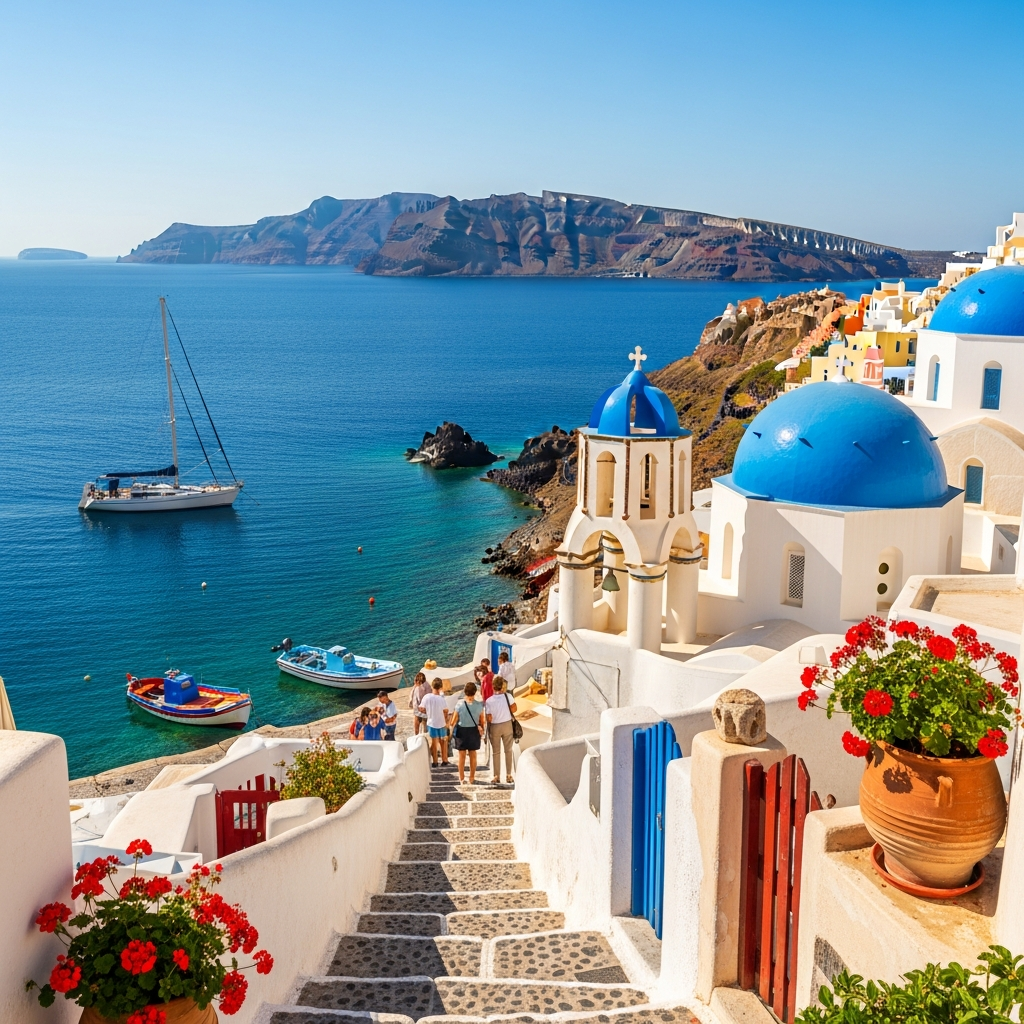

The global travel scene is rapidly transforming. Travelers now strongly prioritize safety and stability. Amidst rising global uncertainties, Greece is emerging as a premier Mediterranean destination. It is poised for significant growth in 2026. This analysis explores the powerful factors driving this demand surge. It positions Greece as a secure and appealing choice for millions. Holidaymakers are seeking culture, stunning coastlines, and genuine peace of mind. Discover why Greece tourism 2026 is on track for record-breaking success.
The Global Shift: Why Travelers Prioritize Safety
Global travel patterns are quickly reshaping. Ongoing geopolitical tensions are the primary catalyst, especially in regions like the Middle East. Recent conflicts, such as the Iran conflict escalating in early 2026, have severely disrupted international tourism. This instability reduces enthusiasm for long-haul journeys. It also impacts regions perceived as volatile. Economic forecasts initially put millions of trips at risk. This influenced a widespread shift in traveler preferences. Travelers are now acutely focused on perceived security.
Geopolitical Tensions Reshape Travel Priorities
Travelers are more than ever seeking peace of mind. Data from intelligence firms like Mabrian by Data Appeal confirms this. They show a direct link between deteriorating safety perceptions in conflict-adjacent areas and declining search volumes. The “Perception of Security Index (PSI)” has consistently weakened. This is evident across Gulf Cooperation Council (GCC) countries. Destinations such as Bahrain, Oman, and Kuwait have seen significant drops in traveler confidence.
Flight Data Reveals Greece’s Rising Appeal
While Spain and Italy have led this demand diversion, Greece is steadily gaining ground. International flight search volumes are a crucial early indicator. They show a modest but consistent increase for Greece compared to last year. This uplift places Greece among select Mediterranean nations. These countries are successfully capturing redirected travel interest. Travelers are explicitly choosing destinations known for their stability. This makes Greece travel a strong contender for 2026.
The New Mandate: Stability and Peace of Mind
The core driver is widespread risk-averse decision-making. Holidaymakers increasingly favor destinations in the Southern Mediterranean and Western Europe. They seek easy access and familiar comforts. Perceived distance from geopolitical instability is key. This shift impacts more than just holiday choices. It affects the entire travel industry. Airlines and tour operators must adapt strategies to these evolving preferences.
Mediterranean Dominance: Greece Leads a Resilient Region
The shift in global travel patterns has created clear winners and losers. Southern European countries and parts of North Africa are effectively capturing displaced demand. Meanwhile, some traditional hotspots face significant pressure.
Greece’s Enduring Allure and Strategic Advantage
Greece stands out for its compelling mix of attractions. It offers cultural appeal, classic holiday charm, and perceived stability. Its iconic beaches, ancient landmarks, and vibrant local culture enhance its draw. Easy access from European gateways adds to its attractiveness. Compared with destinations affected by travel disruption, Greece provides a reassuring combination of experiences. This positions Greek holidays for continued growth. It is particularly strong for the upcoming 2026 summer season.
Key Beneficiaries: Spain, Italy, and Portugal’s Ascent
Data confirms Spain has led the charge. It added 0.4 percentage points to its “Share of Searches Index.” Italy and Morocco also show moderate, consistent increases. These nations benefit from established reputations for safety. They also offer diverse attractions and robust tourism infrastructure. Spain thrives with its vibrant coastal resorts. Italy captivates with timeless sites like Rome. Portugal, too, has emerged as a major beneficiary. New routes by Transavia for summer 2026 are boosting tourism in Porto and Faro. This offers affordable direct flights and diversifies Portugal’s appeal beyond traditional reliance on UK visitors, demonstrating how smart connectivity fosters regional growth, similar to Greece’s strategies.
The Contrast: Destinations Facing Challenges
Conversely, destinations like Turkey and most Gulf countries face significant downturns. Turkey saw a moderate decline in search share. This indicates that proximity to conflict zones and instability perceptions severely impact demand. Cyprus, a British tourist favorite, also experienced dramatic drops. This was due to geographical proximity to tensions, airspace restrictions, and security concerns. Gulf countries like the UAE, Saudi Arabia, Qatar, Oman, Bahrain, and Kuwait have all seen weakening international travel intention. Only Saudi Arabia showed a slight increase, largely from seasonal factors like Ramadan.
Greece’s 2026 Outlook: Beyond Seasonal Peaks
Greece’s tourism sector benefits from more than just regional shifts. It boasts strong fundamentals supporting long-term growth.
Tourism: A Cornerstone of the Greek Economy
Tourism remains a cornerstone of the Greek economy. Official national data confirms Greece welcomed tens of millions of visitors recently. This demonstrates a strong rebound after pandemic declines. This resilience provides a solid foundation. Greece can capitalize on expanded global travel demand. According to OECD tourism trends, the sector significantly contributes to economic activity. Greece’s travel receipts rank among Europe’s high performers.
Record Forecasts: Indicators of Strong Growth
Forward-looking indicators suggest Greece’s tourism performance in 2026 may set new records. Rising airline scheduling signals increased capacity. This shows confidence from carriers. Additionally, increased tourism receipts underscore growing economic impact. These metrics reflect sustained interest from long-haul markets. North America and Asia are gradually recovering. They are increasingly focusing on Mediterranean holiday options. For example, Athens International Airport (AIA) reported a remarkable 27% increase in Canadian passenger traffic during the first two months of 2026 compared to 2025. This strong growth from Toronto, Montreal, and Vancouver highlights Greece’s allure as a year-round cultural destination.
Shoulder Season Surge: A Year-Round Destination
Beyond peak summer, Greece is seeing a remarkable surge in shoulder season demand. Its short-term rental market, particularly for Airbnb-style accommodations, is thriving this autumn. This defies typical post-summer slowdowns. AirDNA reports demand for stays in Greece jumped 4.3% year-on-year in September. Occupancy rates climbed 2% to 59%. This positive trend indicates a significant shift. Travelers are choosing cooler, quieter months. This is driven by increasingly hot summers, attractive autumn prices, and overtourism fatigue. In fact, Britain even saw temperatures higher than parts of Greece in mid-March, making the consistent Mediterranean warmth during Greece’s shoulder seasons even more appealing. This structural shift spreads tourism more evenly across the year. It benefits urban areas like Athens and popular islands. This provides steady income for hosts and a more enjoyable visitor experience. Greece also largely avoids the stringent short-term rental regulations seen in other European cities.
Island Gems: Crete and the Cyclades Still Captivate
Beyond mainland Greece, its islands continue to draw immense popularity. Crete, one of Greece’s most visited islands, attracts millions annually. It offers rich tourism infrastructure and diverse experiences. The Cyclades, including popular Santorini and Mykonos, also maintain strong interest. This is due to their unique landscapes, stunning beaches, and vibrant cultural attractions. These island locales represent the broader demand trend benefiting the entire country.
Understanding the Modern Traveler: The Safety Imperative
The shift in travel demand isn’t random. It directly reflects evolving traveler confidence and priorities.
The Power of the Perception of Security Index (PSI)
The Perception of Security Index (PSI) is now a decisive variable. It shapes travel decisions. A strong PSI correlates directly with higher search volumes. This leads to more bookings. Mabrian’s analysis explicitly states this. Destinations with stable or improving PSI values are more attractive. This holds true regardless of immediate proximity to conflict. Effective communication of safety and stability is paramount for any destination.
The Ripple Effect of Instability on Travel
Geopolitical instability triggers a chain reaction. Airspace restrictions lead to thousands of flight cancellations. This grounds aircraft and forces rerouting. It impacts global flight networks. Rising operational costs, primarily from increased fuel prices, follow. These costs translate to higher airfares. This further dampens demand when consumer confidence is fragile. Many travelers also opt for shorter, more predictable journeys closer to home. This impacts regions reliant on distant markets.
Differentiating Destinations: Learning from Egypt’s Resilience
Interestingly, Turkey saw a decline due to conflict proximity. Yet, Egypt managed a strong rebound after an initial dip. This highlights nuanced traveler perception. Destinations that actively communicate stability can still thrive. Maintaining robust air connectivity and competitive value helps. This is true even within a turbulent region. This ability to differentiate becomes a key competitive advantage.
Preparing for the Future: Cautious Optimism and Strategic Growth
As Europe enters its peak summer travel period, Greece stands poised for growth. This comes with a degree of cautious optimism.
Sustained Demand Fuels Industry Adaptations
Early indicators suggest Greece is entering the season with steady demand. It is not facing significant disruption. Bookings might firm up slower than in previous years. Travelers are taking longer to finalize plans. However, the overall trend points towards capturing redirected demand successfully. Crucially, this happens without a major loss of baseline interest. Greece is retaining its existing appeal while attracting new visitors. Evolving traveler preferences have prompted significant investments. Airlines are expanding routes to Southern Mediterranean destinations. Tour operators are enhancing service offerings. Hospitality providers are adapting. They are meeting demand for perceived safer, more value-driven experiences. This responsive adaptation ensures infrastructure supports the anticipated influx.
Greece’s Long-Term Resilience and Appeal
Greece’s tourism sector appears exceptionally well-placed. It can benefit from these global travel realignments. Its fundamental strengths are rich culture, stunning coastline, and historical depth. A reputation for warmth and hospitality combines powerfully. The current emphasis on safety and quality makes it a winner. This positions Greece for a strong 2026. It also sets it up for sustained success as a premier global travel destination.
Frequently Asked Questions
Why is Greece experiencing such a significant surge in tourism for 2026?
Greece’s surge in tourism for 2026 is largely due to a global shift in traveler preferences. People are actively seeking safer and more stable regions amidst geopolitical uncertainties. This trend has redirected demand towards countries known for security. Greece, with its rich cultural appeal, stunning Mediterranean coastlines, and a strong sense of safety, has become a top choice. Flight search data confirms this increased interest, solidifying Greece’s position as a reliable and attractive European holiday option for millions seeking peace of mind.
Which specific factors contribute to Greece’s growing appeal as a year-round destination?
Greece’s appeal as a year-round destination is growing due to several key factors. Milder shoulder-season weather, reduced crowds, and more attractive off-peak pricing are significant draws. Data from AirDNA shows a notable surge in demand for short-term rentals during autumn, defying traditional post-summer slowdowns. This structural shift, combined with increasing air connectivity and travelers seeking to avoid peak summer heatwaves or overtourism, allows destinations like Athens and the Cyclades to thrive outside conventional high seasons, offering diverse experiences like hiking and cultural tours.
How should travelers plan their trip to Greece in 2026 given current trends and increased demand?
Given the strong trends favoring Greece in 2026, travelers should plan their trips strategically. Booking accommodations and flights well in advance is advisable, as increased demand may lead to higher prices and reduced availability, especially during peak summer. Considering shoulder seasons (spring and autumn) can offer a more relaxed experience with milder weather and fewer crowds, potentially at better value. Exploring a mix of popular islands and lesser-known mainland regions can also provide a richer, more diverse Greek holiday, leveraging the country’s expanded connectivity and wide range of cultural and natural attractions.
Conclusion: Embrace the Beauty of Greece
The evolving global landscape has undeniably placed Greece at the forefront of international tourism in 2026. As travelers worldwide prioritize safety, stability, and unparalleled experiences, Greece offers a compelling answer. From its ancient ruins to its pristine beaches and vibrant modern culture, the country promises a memorable and secure escape. Now is an opportune time for travelers to explore the magic of Greece. They can benefit from enhanced connectivity and a renewed focus on delivering exceptional value and peace of mind. Plan your Greek holiday today and discover why this Mediterranean gem continues to captivate hearts globally.”,
“imagegenerationprompt”: “A vibrant, panoramic image of a quintessential Greek island scene. In the foreground, white-washed buildings with blue domes gleam under a clear, warm sky. A traditional sailboat is visible on the calm, turquoise Aegean Sea. The sun casts a golden glow, suggesting a late morning or early afternoon. The mood is serene and inviting, with a focus on historical beauty and natural coastal splendor