
Finding truly off the beaten path Thailand destinations feels almost impossible when the country welcomes roughly 50 million visitors annually. You see the same heavily worn loop plastered across every travel itinerary: land in Bangkok, take a quick flight up to Chiang Mai, and spend a final week battling for beach space in Phuket. I spent my first two trips stuck in that exact cycle, wondering where the authentic, slow-paced culture had gone. It turns out, escaping the masses doesn’t require a machete and a jungle guide; it just requires a willingness to look one or two provinces over from the main transport hubs. If you are tired of overcrowded temples and overpriced coastal resorts, this guide will show you exactly where to find empty white-sand beaches, ancient Khmer architecture, and quiet mountain villages that most foreign visitors never see.
Quick Summary
Swap heavily touristed Ayutthaya for the quieter, equally stunning ruins of Sukhothai or the volcano-top Phanom Rung Historical Park.
Ditch the Phuket crowds for the car-free, eco-friendly islands of Koh Kood, Koh Mak, or the wildlife-rich Koh Tarutao.
Renting a scooter (around 200 THB per day) is the most efficient way to explore remote coastal roads and northern mountain loops.
The Deep South offers incredible natural wonders, like the pink dolphins of Khanom, but requires strategic timing (visit in winter).
Prepare for logistical trade-offs: many of these untouched spots lack fast Wi-Fi, 24/7 electricity, or modern air conditioning.
How to Actually Escape the Tourist Trail
If you want to experience off the beaten path Thailand, you must stop relying entirely on domestic flights between the major hubs. The biggest trap travelers fall into is allocating only a week to the country and flying directly from Bangkok to Phuket. Because of this artificial time constraint, they feel forced to skip everything in between.
Instead, the most direct way to find authentic culture is to utilize regional transport—buses, ferries, and rental cars—to explore secondary provinces. Instead of staying purely inside Chiang Mai’s city limits, rent a car and drive 90 minutes to Lampang. Instead of braving the congested western coast of Phuket, take a local boat from the pier to Koh Yao Yai. By shifting your itinerary just two or three hours away from international airports, hotel prices drop by half, English menus disappear, and you get to experience the slow, welcoming daily life that made the country famous in the first place. You do not need a month to do this; you simply need to swap one mainstream destination for a lesser-known alternative.
The Southern Islands: Finding Empty Sand
Finding an empty stretch of sand in the south might sound like a fairy tale, but it is entirely possible if you know which ferry routes to take. The Andaman Sea and the Gulf both hold spectacular, undeveloped islands that heavily restrict commercial building.
Koh Tarutao: The Deserted National Park
If you want absolute isolation, Koh Tarutao in the Andaman Sea is your best option. Serving as the country’s largest marine park, this island is as rugged as it gets. During my last visit down south, I booked a trip here specifically because it strictly prohibits high-end resorts. You will not find infinity pools or luxury beach clubs here. In fact, electricity is restricted to specific hours, and air conditioning is practically nonexistent.
Instead, you get pristine, untouched shorelines and dense jungles filled with wild monkeys. The best way to get around is by renting a bicycle for about 250 THB per day. You reach the island by flying into Hat Yai or Trang, traveling overland to the Pakbara Pier in Satun, and catching a local boat. The minor inconvenience of the journey filters out 99 percent of casual vacationers.
Koh Yao Yai and Koh Mook
Just a short boat ride from the massively congested Phuket port sits Koh Yao Yai. This agrarian island offers a massive cultural shift. The majority of the local population is Muslim Thai, meaning the architecture and conservative local dress differ significantly from the Buddhist majority found elsewhere. I recommend renting a motorbike here—the narrow dirt paths lead to practically private shores.
Further south lies Koh Mook, a tiny island entirely free of cars. The main draw here, besides the incredible Sivalai Beach, is the Emerald Cave in Chao Mai National Park. To access the hidden lagoon inside, you must swim through an 80-meter-long, pitch-black cave. Emerging from the dark water into an emerald-green lagoon surrounded by towering limestone cliffs is easily one of the most rewarding physical challenges you can tackle.
Khao Sok National Park
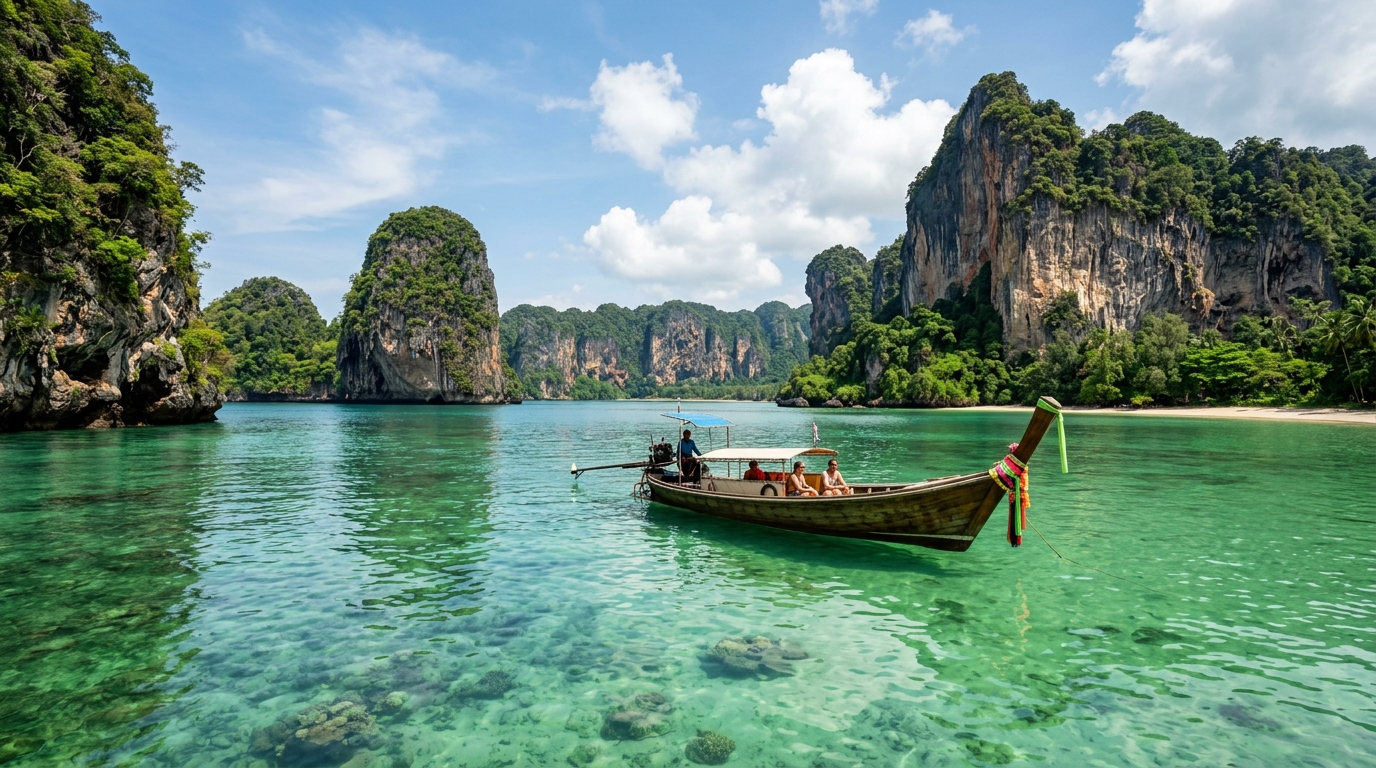
Located just a couple of hours’ drive from Krabi or Phuket, Khao Sok is home to the oldest evergreen rainforest in the world. The landscape of Cheow Lan Lake features crystal-clear water surrounded by towering limestone cliffs, frequently compared to the surreal aesthetics of the movie Avatar. Instead of staying on land, book an overnight stay in a floating raft house directly on the lake. It is the ultimate location for a digital detox, offering kayaking, swimming, and jungle trekking right from your bedroom door.
Khanom: The Pink Dolphin Coast
Located in the northernmost part of Nakhon Si Thammarat province, the coastal district of Khanom boasts at least 10 untouched beaches. The sand here is remarkably clean, but the primary reason to visit is the marine life. The local waters are home to a rare population of pink dolphins.
To see them, you need to visit during the winter months and hire a local boat operator. Local taxis in this specific area can be notoriously expensive, so your best logistical move is to fly into Surat Thani or Nakhon Si Thammarat, rent a scooter or a car, and drive yourself along the scenic coastal roads.
Central Thailand: Ancient Ruins Without the Crowds
Many visitors looking for history take a quick day trip from Bangkok to Ayutthaya. While historically significant, Ayutthaya is often overrun with tour buses by 10:00 AM, making it incredibly difficult to absorb the atmosphere. If you are willing to travel a bit further, you can explore superior historical parks in total peace.
Sukhothai Historical Park
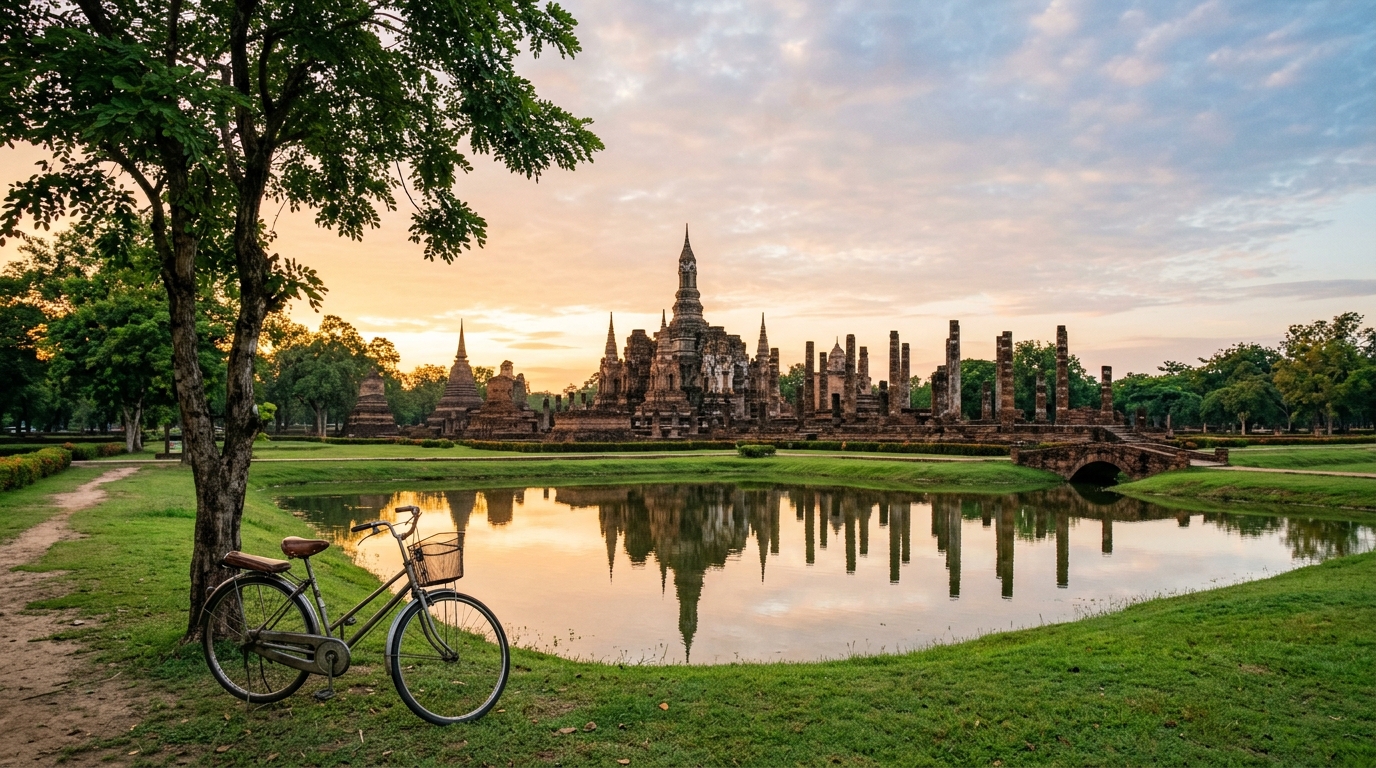
Located 430 kilometers north of Bangkok, Sukhothai was the first capital of Siam. The park is expansive, divided into five distinct sections, and features towering Buddha statues and intricately carved lotus stupas. Because of its distance from the capital, it receives a fraction of Ayutthaya’s foot traffic.
The absolute best way to experience Sukhothai is to rent a bicycle from a nearby guesthouse for a few dollars. Riding a bike along the flat, shaded paths between 13th-century ruins at sunrise is a deeply peaceful experience. You can reach the park easily by taking a daily “fly and ride” ticket via Nok Air to Phitsanulok Airport, which includes a minibus transfer directly to the historical site.
Phanom Rung and Phimai
Situated in the Isan region (Buriram Province), Phanom Rung Historical Park is a masterpiece of architecture that most foreign visitors completely ignore. Located exactly 30 kilometers north of Buriram town, this is the only Hindu-Khmer temple complex in the country constructed on top of an extinct volcano.
The layout and stone carvings rival those found at Cambodia’s Angkor Wat, just on a smaller, much more manageable scale. If you time your visit perfectly—an astronomical event that happens exactly four times a year—you can watch the rising sun align perfectly through the complex’s 15 successive doorways. Nearby in Nakhon Ratchasima Province, the Phimai Historical Park offers similar ancient Khmer ruins that actually predate many temples in Cambodia.
The Royal Palace of Bang Pa-In
If you only have a short time in the capital and cannot make it up to Sukhothai, head 60 miles north to Bang Pa-In. This town of just over 20,000 people houses the Bang Pa-In Royal Palace, built in the 17th century by King Rama I as a summer retreat to escape the city heat. The architecture is a fascinating, rare blend of traditional Asian design and imported Western styles, all set around manicured gardens and quiet lakes.
The Northern Mountains: Motorbikes and Monasteries
Chiang Mai is wonderful, but it has become a massive hub for digital nomads and mainstream tourism. To find the quiet, foggy mountain towns that defined northern travel twenty years ago, you have to hit the open road.
The Mae Hong Son Loop
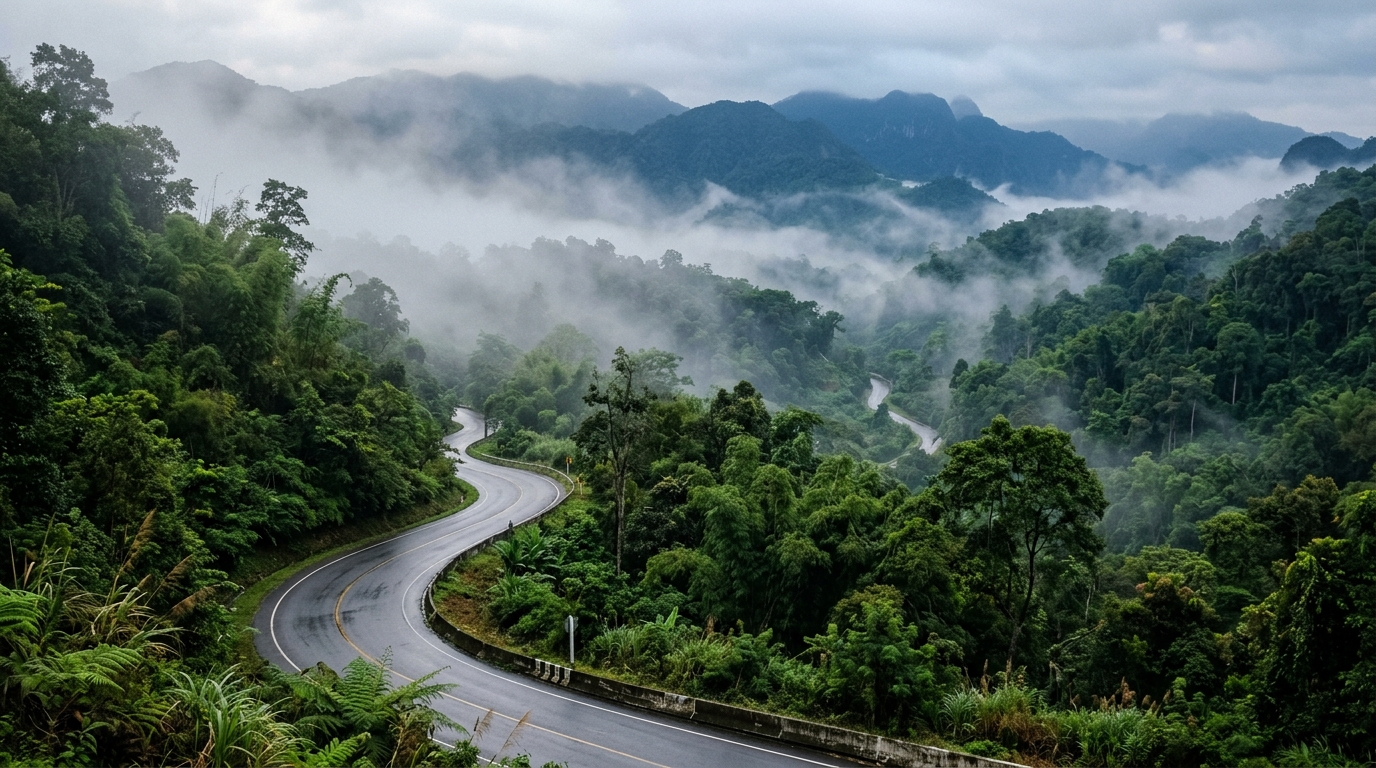
For confident motorbike riders, the Mae Hong Son loop is an essential journey. This remote, mountainous northwestern province borders Myanmar and is home to the Kayan hill tribes. The roads are notoriously winding, featuring thousands of sharp curves, but the dramatic scenery is worth the effort.
You can start this route by renting a bike in Chiang Mai and heading toward Pai. While Pai itself has developed a popular hippie atmosphere and gets fairly busy, pushing past it into the deeper Mae Hong Son province reveals quiet Burmese-style monasteries. Make sure to visit Phrathat Doi Kongmu, a temple perched at the top of a steep flight of stairs featuring two ornate white stupas overlooking the valley.
Wat Chaloem Phra Kiat
Located in Lampang Province, about a 2.5-hour drive from Chiang Mai, Wat Chaloem Phra Kiat is one of the most spectacular mountaintop temples in Southeast Asia. I clearly remember the intense leg burn from the 400-meter vertical climb required to reach the summit, but the visual payoff is staggering.
White pagodas rest precariously on jagged, knife-edge limestone peaks, surrounded by sweeping views of the green valleys below. Entry costs 200 THB for foreign adults, which includes the mandatory truck ride from the ticket office (open 7:30 AM to 4:30 PM) to the base of the hiking trail. Arrive right when they open to climb in the cooler morning air and have the peaks entirely to yourself.
Bo Kluea Salt Wells and Chiang Khan
Further east in Nan Province lies Bo Kluea, a remote village that functions as a living museum of traditional mountain life. The village is famous for its generations-old salt wells. Locals draw mineral-rich brine from deep underground and boil it in massive pots over bamboo fires to extract coarse mountain salt. You can observe the entire process, buy the salt directly from the families, and stay in small lodges overlooking the valley.
If you head further into the Isan region towards Loei Province, the charming town of Chiang Khan offers a beautiful riverside escape. Situated right along the Mekong River with views stretching across to Laos, the town is famous for its preserved wooden houses and a nightly walking street selling handmade souvenirs. Wake up before dawn to participate in the traditional, silent morning almsgiving ceremony with the local monks, followed by a quiet bicycle ride along the misty riverfront.
Eastern Thailand: Eco-Tourism and Historic Waterfronts
When travelers head east from Bangkok, they usually stop at the chaotic resort city of Pattaya. Bypassing this area completely opens up a world of historic trading towns and deeply committed eco-friendly islands.
Chanthaburi and Trat
En route to the eastern islands, the sleepy town of Chanthaburi is a mandatory stop. The Chanthaboon Waterfront features century-old wooden shophouses, colonial buildings, and the Cathedral of the Immaculate Conception—one of the largest Catholic churches in the country. It is also a global hub for the gemstone trade, where you can watch international dealers haggling over raw stones in the street.
Further down the coast is Trat, a deeply traditional corner of the southeast. Most tourists treat Trat merely as a ferry terminal, but staying a night here allows you to explore peripheral agricultural villages and sample locally manufactured ecological soaps. Just up the coast, Rayong is widely considered by locals to offer the absolute best seafood in the country.
Koh Kood and Koh Mak
Off the coast of Trat lie Koh Kood and Koh Mak. Koh Kood is the fourth largest island in the country, yet it remains remarkably undeveloped. You will not find massive hotel blocks here; accommodation consists mainly of modest, family-run guesthouses. The Wi-Fi here can be painfully slow, which forces you to disconnect and actually enjoy the clear turquoise water at Ao Phrao beach.
Neighboring Koh Mak is tiny—covering roughly 10 square miles—and can be circumnavigated by bicycle in a single afternoon. The island heavily enforces sustainable tourism, placing strict limits on plastic waste and large-scale construction.
Hidden Enclaves Within Bangkok
Even within the massive urban sprawl of the capital, you can find quiet, lesser-known corners if you know where to look.
Talad Noi and Thonburi
Talad Noi is one of the oldest districts in the city, primarily inhabited by the Thai-Chinese community. It is a gritty, urban area filled with colorful graffiti art, small historic shrines, and narrow alleys stacked high with used car parts. It offers a totally different visual experience from the polished shopping malls downtown.
Alternatively, simply crossing the Chao Phraya River to the Thonburi side places you in a much quieter residential zone. Here you can find Wat Pak Nam. Known among visiting Japanese tourists as the Space Temple, it features a psychedelic celestial interior that remains largely ignored by standard western tour groups.
The Green Lung: Bang Krachao
If the concrete jungle becomes too overwhelming, take a small boat across the river to Bang Krachao. Known as Bangkok’s green lung, this man-made island is a massive, car-free oasis of tropical gardens and mangrove forests. You can rent a bicycle for the day, ride along elevated concrete paths through the jungle canopy, and eat at the local Bang Nam Phueng floating market. It is the perfect rural escape that requires absolutely zero long-distance travel.
Who Should Travel Off the Beaten Path (And Who Should Not)
Exploring off the beaten path Thailand is incredibly rewarding, but it requires a specific travel mindset and a willingness to compromise on modern comforts.
This is ideal for:
Independent travelers: If you are comfortable renting a scooter, navigating local bus schedules, and managing your own itinerary without a group guide, you will thrive in these lesser-known provinces.
Culture and history enthusiasts: If you prefer quiet temples, ancient ruins, and learning about traditional industries (like the salt wells of Bo Kluea) over high-volume nightlife, these destinations are perfect.
Budget-conscious backpackers: Prices for food, lodging, and transport drop drastically once you leave the main commercial hubs.
You might want to skip this if:
You need high-end luxury: Islands like Koh Tarutao and Koh Phayam have limited electricity and very basic amenities. If you require 24/7 air conditioning, fast room service, and paved roads, stick to Phuket or Koh Samui.
You are on a very tight schedule: Reaching places like Wat Chaloem Phra Kiat or Koh Mook requires considerable transit time. If you only have a five-day vacation, long overland bus rides will eat up too much of your trip.
Realistic Costs and Budget Breakdown
Getting off the tourist trail is almost always cheaper, but it requires more cash-on-hand transactions. Credit cards are rarely accepted in rural villages. Here is a realistic look at what you will spend when exploring these remote areas.
Expense TypeMainstream Hub (Phuket/Bangkok)Off-Path Destination (Trang/Nan)Scooter Rental (Per Day)300 – 450 THB150 – 200 THBBasic Guesthouse / Homestay1,200 – 2,500 THB400 – 800 THBNational Park Entry400 – 500 THB200 – 300 THBLocal Street Meal80 – 150 THB40 – 60 THB
Transit Costs: Long-distance buses are highly economical. A bus ride from the southern transport hubs to Khao Sok National Park generally costs between 120 and 800 THB depending on the class of service. Speedboats to remote islands are your biggest localized expense; for example, the 90-minute boat ride from Pak Bara Pier to Koh Lipe will run you about 650 to 700 THB. Always keep small denominations of cash (20 to 50 THB notes) for incidental fees like motorbike parking at waterfalls.
Common Mistakes to Avoid
When venturing into the lesser-known provinces, travelers routinely make a few critical errors that overcomplicate their journey.
Mistake 1: Relying entirely on taxis for local transit.
In major cities, hopping in a Grab car is cheap and easy. In remote coastal towns like Khanom, local taxis operate as a monopoly and are shockingly expensive. I booked a cheap guesthouse in the south thinking I would save money, only to realize I had to pay premium taxi rates just to get to the beach. You must be willing to rent your own scooter or a rental car if you want to explore off-grid areas affordably.
Mistake 2: Expecting seamless digital connectivity.
Many travelers plan to work remotely from idyllic, untouched islands. This is a massive mistake. Places like Koh Kood and Koh Phayam (which relies heavily on solar power) have incredibly spotty cellular service and agonizingly slow Wi-Fi. Furthermore, remote island grids often shut down power entirely during daylight hours. Do not book a trip to a pristine eco-island if you have a mandatory video conference scheduled.
Frequently Asked Questions
Is it safe to travel to the Deep South of Thailand?
While most of the country is exceptionally safe for foreign travelers, the extreme southern provinces of Yala, Pattani, and Narathiwat should be avoided. These specific areas experience ongoing political unrest and are widely considered dangerous. Stick to safe, welcoming southern spots like Songkhla, Hat Yai, or Nakhon Si Thammarat instead.
Do I need to speak Thai to visit these remote areas?
You do not need to be fluent, but you cannot rely on English as heavily as you would in Bangkok. In rural villages and local eateries, menus are rarely translated. Download an offline translation app for your phone and learn basic numbers and polite phrases. Locals are incredibly patient and will happily use hand gestures to help you complete transactions.
How many days should I allocate for a northern mountain loop?
If you plan to drive the Mae Hong Son loop or explore Nan province, allocate at least four to five days. Driving in the mountains is physically exhausting due to the winding roads and steep elevations. Rushing the route leads to fatigue and takes away the flexibility to stop at random roadside waterfalls or local coffee shops.
The Bottom Line
Finding authentic, off the beaten path Thailand experiences does not require a grueling expedition; it simply demands a slight detour from the standard transit routes. By trading the packed beaches of Phuket for the quiet eco-resorts of Koh Mak, or swapping the crowded temples of Ayutthaya for the sunrise at Sukhothai, you get to see the country as it truly operates away from international influence.
The food is cheaper, the locals are genuinely happy to see you, and the landscapes remain largely untouched by heavy commercialization. For your next trip, pick just one secondary province mentioned above, rent a scooter, and allow yourself the freedom to explore at a slower pace. The authentic side of the country is still out there waiting for you.