


Building a strategic 14-Day Northern Vietnam Itinerary requires far more than dropping pins on a digital map. This upper region of the country spans over 600 kilometers of deeply grooved mountainous terrain that wraps around the fertile Red River Delta. It is an environment of extreme geographical contrasts, from the limestone pillars jutting out of the Gulf of Tonkin to the 3,143-meter peak of Mount Fansipan.
Navigating this topography successfully means understanding the severe logistics of high-altitude roads, volatile local weather windows, and deep-rooted ethnic cultures. You cannot simply wing it here without risking washed-out passes or missing the specific days when remote tribal markets operate. This guide breaks down exactly how to structure your route, allocate your budget, and experience the raw reality of the North without falling into typical tourist traps.
Quick Summary
Minimum Time Required: You need 14 full days to safely cover the core highlights (hanoi, Ninh Binh, Sapa) while pushing deep into the extreme Northwest or Northeast highland loops.
Weather Dictates Everything: September to November and March to May are optimal. July and August bring heavy monsoon rains that frequently cause dangerous landslides on mountain roads.
Transit Realities: Mountain driving averages 30 to 40 kilometers per hour. Use overnight sleeper trains to save daytime travel hours.
Schedule Around Markets: Rural commerce is highly scheduled. The famous Bac Ha ethnic market, for example, operates exclusively on Sunday mornings.
Physical Demands: This is not a passive vacation. Expect steep gradients, 600-step mountain climbs, and multi-hour treks through muddy rice paddies.
Direct Answer: How to Route Your Expedition
If you are researching how to build the most efficient trip, the definitive route is a loop starting and ending in Hanoi. Do not attempt to cover the extreme Northwest (Sapa/Lai Chau) and extreme Northeast (Ha Giang/Cao Bang) in a single week. You will spend your entire trip trapped inside a vehicle.
Your optimal path should follow this sequence: Fly into Noi Bai International Airport (Hanoi) and spend two days acclimatizing in the capital. Head immediately northwest to Sapa and the Muong Lo Valley for three days of high-altitude trekking. Take the cross-mountain transfer to the Ha Giang province for three days exploring the karst plateau. Move south back toward the Red River Delta to the karst valleys of Ninh Binh for two days. Finally, head east to the coast for two days exploring Lan Ha Bay via public ferries, bypassing the congested main cruise terminals, before returning to Hanoi.
This exact sequence minimizes backtracking. It gradually introduces you to the region’s increasing altitudes and cultural complexity while ensuring your transit days are strategically broken up.
Understanding the Three Zones of the North
Before plotting your day-to-day movements, you must understand how Northern Vietnam is geographically divided. Each zone presents completely different logistical challenges.
The Red River Delta
Covering roughly 15,000 square kilometers, this is the cultural and historical core of the country. It encompasses Hanoi, Hai Phong, and Ninh Binh. The terrain is flat, highly fertile, and heavily trafficked. Infrastructure here is highly developed, making movement via train or modern limousine bus fast and reliable.
The Northwestern Highlands
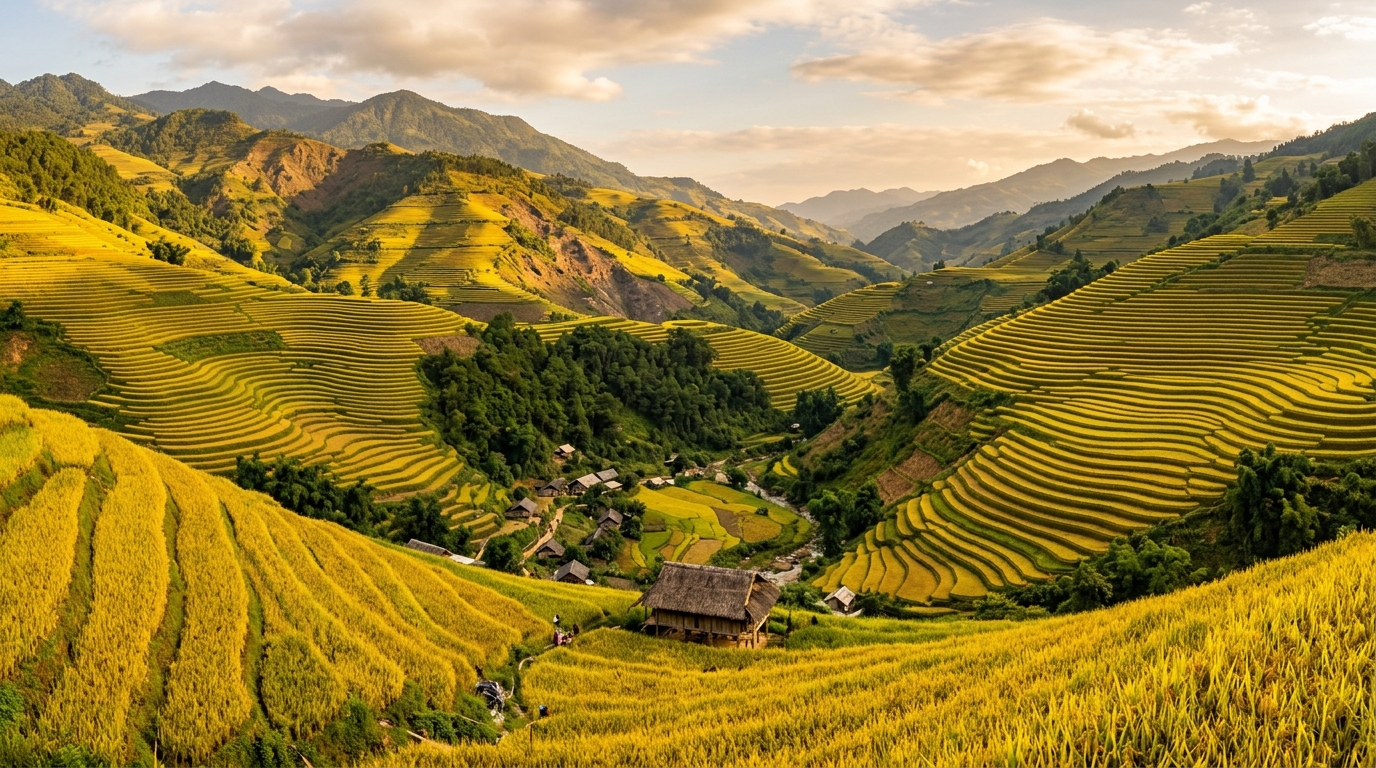
Covering 39,000 square kilometers, the Northwest features the country’s most imposing peaks. Key locations include Sapa, Mu Cang Chai, and Dien Bien Phu. The landscape is dominated by massive terraced rice fields cut into the mountainsides. The road network here includes the Tram Ton Pass, which sits at 2,047 meters elevation. Weather here drops dramatically at night.
The Northeastern Highlands
Spanning over 50,000 square kilometers, this region includes Ha Giang, Cao Bang, and Lang Son. It is characterized by jagged limestone karst mountains and deep river gorges. Travel here relies heavily on winding, two-lane mountain passes clinging to cliff sides.
The Complete 14-Day Northern Vietnam Itinerary
When I plotted my first route through the region, I severely underestimated the mountainous terrain. I booked a standard daytime bus thinking I would enjoy the view toward the highlands. The relentless seven-hour swerving left me physically exhausted and intensely nauseous. I learned the hard way that a strategic itinerary is non-negotiable. Here is the highly optimized 14-day sequence.
Days 1-2: The Capital Core of Hanoi
Hanoi requires at least 48 hours to comprehend. It is an intense, high-paced city dating back roughly to 3,000 BCE, where ancient history clashes with rapid modern commerce.
Navigation and Lodging: Base yourself in or near the Old Quarter. I spent three days exploring this district on my first trip and still found myself getting disoriented among the 36 ancient trade streets. The smell of exhaust mixed with roasting pork from street vendors is ever-present.
Key Objectives:
Walk the perimeter of Hoan Kiem Lake at dawn.
Visit the Temple of Literature, built in the 11th century as the country’s first university.
Explore the Vietnam Museum of Ethnology. This is crucial context, as it details the 54 distinct ethnic groups you will encounter later in the mountains.
Logistical Note: The Ho Chi Minh Mausoleum is strictly closed on Mondays and Fridays. Plan accordingly.
Days 3-5: Sapa and the Roof of Indochina
Leave Hanoi early via a shared Limousine Van. The drive takes roughly five to six hours via the highway. Sapa sits at a high altitude, originally established as a French hill station to escape the delta humidity.
Mountain Heights: Ride the modern cable car to the summit of Mount Fansipan. The ride takes 20 minutes, dropping you near the peak. You must then climb 600 steep stone steps to reach the absolute summit at 3,143 meters. The air is noticeably thin here.
Village Treks: Skip the highly commercialized center of Sapa town as quickly as possible. The main square is overwhelmed by aggressive touts. Instead, hire a local Black Hmong or Red Dao guide to hike down into the Muong Hoa Valley. Trek roughly 10 kilometers from Y Linh Ho village down to Lao Chai.
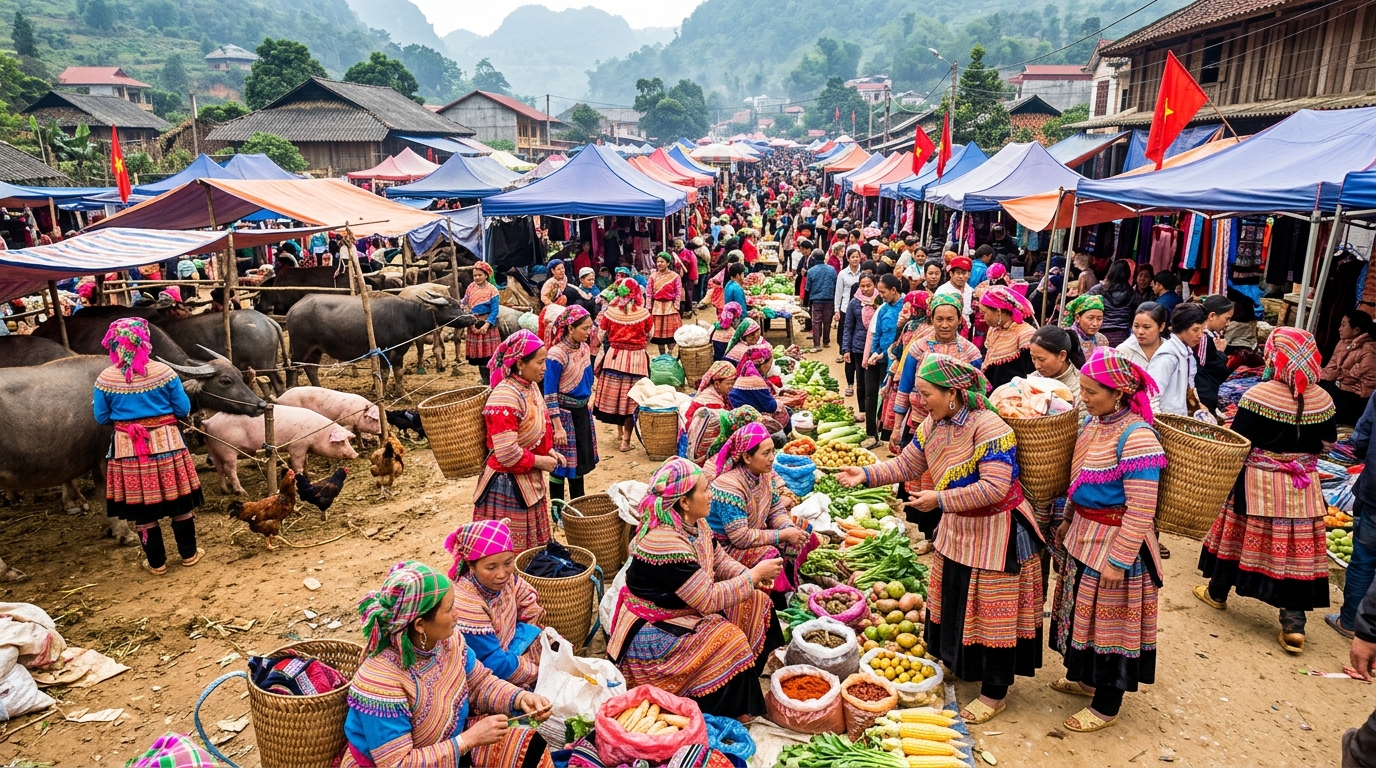
Market Timing: If your schedule aligns, make the three-hour drive to Bac Ha for the Sunday market. The Flower Hmong gather here for frenetic agricultural trade. This specific rural farming tradition dates back 200 years.
Days 6-8: The Ha Giang Loop & Northeast Frontier
This is the most physically demanding but visually spectacular segment of your 14-Day Northern Vietnam Itinerary. You will transit cross-country from Sapa to Ha Giang City, which serves as the official gateway to the Dong Van Karst Plateau Geopark.
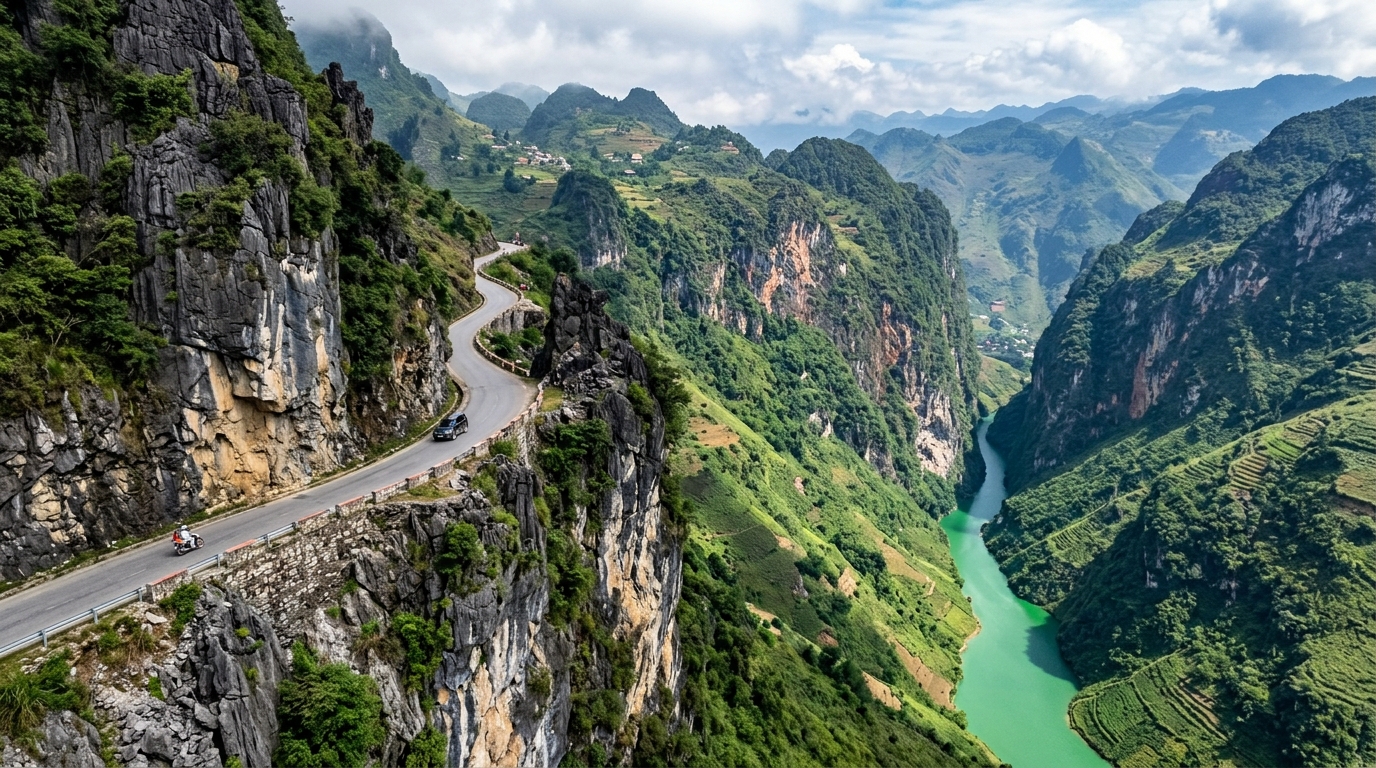
Geological Wonders: The landscape shifts dramatically from green rice terraces to alien-looking rocky outcrops. You will drive through the Quan Ba Heaven Gate to view the Twin Mountains.
The Apex: The Ma Pi Leng Pass is widely considered the most dramatic stretch of road in the country. It cuts a narrow shelf above the Nho Que River valley. Take a small boat cruise through Tu San Canyon, which is the deepest canyon in Southeast Asia.
Cultural Immersion: Spend an afternoon exploring Khuoi Khon Village, home to the remote Black Lolo ethnic community. Spending the night in a local homestay here offers incredible authenticity, though you will sleep on a floor mat beneath a mosquito net with very basic plumbing.
Days 9-10: The Karst Valleys of Ninh Binh
Transition out of the high mountains and drive south back through the Red River Delta toward Ninh Binh. Located just two hours south of Hanoi, this region is frequently accurately described as the Ha Long Bay of the land.
River Exploration: The primary draw is the Trang An or Tam Coc river complexes. Pay a local guide to row you via a small wooden sampan boat through a network of river caves.
Physical Challenge: Climb the 500 uneven stone steps up Ngoa Long Mountain to Mua Cave. The viewpoint at the top offers a sheer drop-off looking over the river valley. The humidity here is often oppressive, so attempt this climb before 8:00 AM.
Historical Scale: Visit the Bai Dinh Pagoda. It is the largest Buddhist complex in Southeast Asia, featuring 500 stone Arhat statues and three massive bronze statues weighing 50 tons each.
Days 11-13: The Maritime Frontier (Lan Ha Bay)
Instead of finishing your trip at the highly congested main Halong Bay cruise terminals, head slightly further east toward Cat Ba Island and Lan Ha Bay. The waters here offer identical karst formations to Halong Bay but with a fraction of the maritime traffic.
Island Logistics: Cat Ba is the largest island in the archipelago. Over half of it is a designated UNESCO Biosphere Reserve. I booked the cheaper public ferry thinking I would save a few dollars. The choppy, delayed ride tested my patience, but arriving on the rugged island felt like a genuine adventure compared to the sanitized cruise ports.
Water Activities: Board a smaller wooden junk boat to explore Lan Ha. Take a kayak through low-ceiling sea caves into hidden lagoons. Most reputable mid-range cruises offer morning Tai Chi on the top deck and guided squid fishing after dark.
Day 14: Return and Departure
Disembark your boat by late morning. The drive from the coast back to Noi Bai International Airport takes roughly two and a half hours via the new expressway.
Who Should Explore the North (And Who Should Not)
This specific overland route demands physical endurance and a high tolerance for logistical friction.
This itinerary is ideal for:
Active Hikers: Those willing to hike steep gradients, climb hundreds of stone steps, and endure long transit days. The 6-kilometer treks through Mu Cang Chai or Sapa are deeply rewarding but highly physical.
Cultural Enthusiasts: Anyone fascinated by preindustrial craft communities. You can witness heritage craftsmanship like Hmong knifesmithing or traditional indigo fabric dyeing firsthand.
Motorcycle Purists: Experienced riders holding a valid International Driving Permit (IDP) who want to tackle some of the world’s most dramatic mountain passes on the Ha Giang loop.
You might want to skip this if:
You Require Constant High-End Luxury: While Hanoi and Lan Ha Bay have luxury properties, deep frontier regions rely primarily on basic eco-bungalows or floor-mat homestays.
You Have Limited Mobility: The terrain is unforgiving. Sidewalks in Hanoi are entirely blocked by parked scooters. Rural attractions require navigating muddy trails, slippery bamboo bridges, and uneven stone stairs.
- You Suffer from Severe Motion Sickness: The drive from the delta into the highlands involves hours of continuous hairpin turns.
- vietasiatravel.com
- auasiatravel.com
- tourguidevietnam.com
- www.kimkim.com
Financial Breakdown & Cost Value Analysis
Understanding the financial reality of a 14-day overland tour is critical. Prices vary wildly depending on your accommodation tier and whether you book a private vehicle versus shared buses.
Based on baseline data from regional tour operators like Auasia Travel and Vietasia Travel, a fully guided, private 14-day expedition starts at approximately $1,400 to $1,500 USD per person (based on double occupancy).
| Travel Style | Estimated Cost (Per Person, 14 Days) | What to Expect |
|---|---|---|
| Independent Backpacker | $500 – $700 | Shared sleeper buses, hostel dorms, street food exclusively, renting your own scooter. |
| Mid-Range Guided | $1,400 – $1,800 | Private A/C vehicle transfers, 3-star Western standard hotels, English-speaking local guides, shared overnight bay cruise. |
| Premium / Luxury | $2,800 – $4,000+ | Luxury 5-star properties, private chartered junk boats in Lan Ha, premium dining, specialized eco-tour access. |
Crucial Financial Policies: If you book through an agency, expect a strict 50% non-refundable deposit. Cancellation windows are harsh in Vietnam. Canceling within three days of departure typically results in a 100% fee penalty. Comprehensive travel insurance is highly recommended.
Common Mistakes to Avoid
Mistake 1: Underestimating Transit Logistics and Drive Times
Looking at a digital map, Sapa to Ha Giang appears to be a relatively short lateral jump. In reality, there is no direct high-speed highway linking these mountain peaks. You must navigate heavily potholed secondary roads. A 150-kilometer drive can easily take six hours. Never plan two major physical activities on a transit day.
Mistake 2: Riding Motorbikes Illegally
The Ha Giang loop is famous, but local police frequently set up checkpoints. If you ride without a valid motorcycle license from your home country paired with a legal International Driving Permit (IDP), your bike will be impounded. Crucially, your travel medical insurance will instantly become void in the event of a crash.
Mistake 3: Misunderstanding the “Homestay” Label
True traditional homestays involve sleeping under the same roof as a hill-tribe family, sharing meals, and utilizing very basic shared bathrooms. Many modern booking platforms now advertise private concrete bungalows with air conditioning as homestays. Read the amenities list closely so your expectations match reality.
Frequently Asked Questions
When is the exact best time to execute a Northern Vietnam itinerary?
The optimal windows are late September through November, and March through May. In October, the rice terraces turn a brilliant golden yellow for the harvest. Avoid July and August entirely. Peak monsoon season brings relentless downpours that cause dangerous landslides and routinely block mountain passes.
Are ATMs and card payments widely accepted in the mountains?
In Hanoi, Ninh Binh, and major towns like Sapa, ATMs are ubiquitous and hotels accept credit cards. However, once you enter the tribal villages or deep frontier towns, cash is strictly king. Always withdraw sufficient Vietnamese Dong (VND) before leaving a major provincial capital.
How strict is the dress code for temples and tribal villages?
It is strictly enforced. When visiting sites like the Bai Dinh Pagoda complex or staying in a remote Black Lolo village, you must dress modestly. Both men and women should wear clothing that fully covers their shoulders and knees. Packing a lightweight sarong in your daypack is a highly practical strategy to cover up quickly.
Do I need to book Lan Ha Bay cruises far in advance?
During the peak domestic travel season in summer, or during national holidays like Tet, booking weeks in advance is mandatory. During the standard international travel windows in spring and autumn, booking a few days ahead usually secures a spot. However, marine police will instantly halt all sailings during high winds, so keep your schedule slightly flexible.
Conclusion and Next Steps
Executing a 14-Day Northern Vietnam Itinerary is a masterclass in managing expectations against the realities of extreme geography. The region demands physical endurance, a high tolerance for logistical delays, and a willingness to step far outside modern comfort zones.
In exchange for the bumpy roads and early mornings, it offers raw cultural immersion, unmatched karst landscapes, and a tangible connection to deeply rooted agricultural history. Decide early if you want to brave the transit independently or hire a private driver, secure your overnight train or cruise tickets, and start breaking in your hiking boots. The high frontier awaits.”,
“imagegenerationprompt”: “A highly detailed, cinematic landscape photography shot of the Ha Giang loop in Northern Vietnam. A narrow, winding mountain road cuts horizontally across a massive, jagged limestone cliff face. Below the road, a deep, sheer canyon drops down to the winding, bright emerald green waters of the Nho Que River. The lighting is golden hour, casting long dramatic shadows across the karst mountain peaks