

Best Beaches in lombok: The Ultimate Surf & Sun Guide
If you are hunting for the best beaches in Lombok, you are likely exhausted by the two-hour traffic jams and overcrowded shorelines of neighboring Bali. You are not alone. I spent a month navigating the chaotic scooter gridlock of Seminyak before finally taking the fast boat east. What I found was a coastline that genuinely resembles the Bali of twenty years ago: sweeping bays of white sand, consistent surf breaks, zero massive concrete beach clubs, and highways so empty you will occasionally share them with a wandering herd of water buffalo.
However, this island is vast, and its coastlines vary wildly in purpose and safety. Some bays offer tranquil, waist-deep turquoise water perfect for swimming, while others hide shallow razor-sharp reefs and deadly rip currents reserved strictly for expert wave riders. Knowing exactly where to park your scooter makes all the difference.
Quick Summary
Basecamp: Stay in Kuta for southern surf access and reliable 80-120 Mbps internet; choose Senggigi for quieter northern shores and seafood.
Transportation: Renting a scooter is mandatory in the south, as ride-sharing apps (Grab/Gojek) are banned from operating locally in Kuta.
Timing: Target the shoulder seasons (May-June or Sept-Oct) to get lush green landscapes without the peak dry season crowds.
The Plastic Reality: Avoid western-facing beaches from December to February, when ocean currents bring severe “trash tides” onto the sand.
Top Picks: Head to Tampah for clean swimming, Selong Belanak for beginner surfing, and Tanjung Aan for an all-day lounging experience.
Direct Answer: How to Prioritize Your Beach Days
If you only have two or three days on the island, do not waste your time trying to circle the entire coast. Base yourself in Kuta, a highly developed central hub in the south. On day one, drive 15 minutes east to Tanjung Aan for a perfect balance of lounging, local food, and mellow surf. On day two, drive 40 minutes west to Selong Belanak to take a beginner surf lesson on a forgiving sandy bottom.
If your primary goal is pristine, swimmable water without aggressive vendors, go directly to Tampah Beach. Skip Pink Beach entirely—the sand is barely tinted, the dirt road is a suspension-destroying nightmare, and the journey takes entirely too long for the minimal payoff.
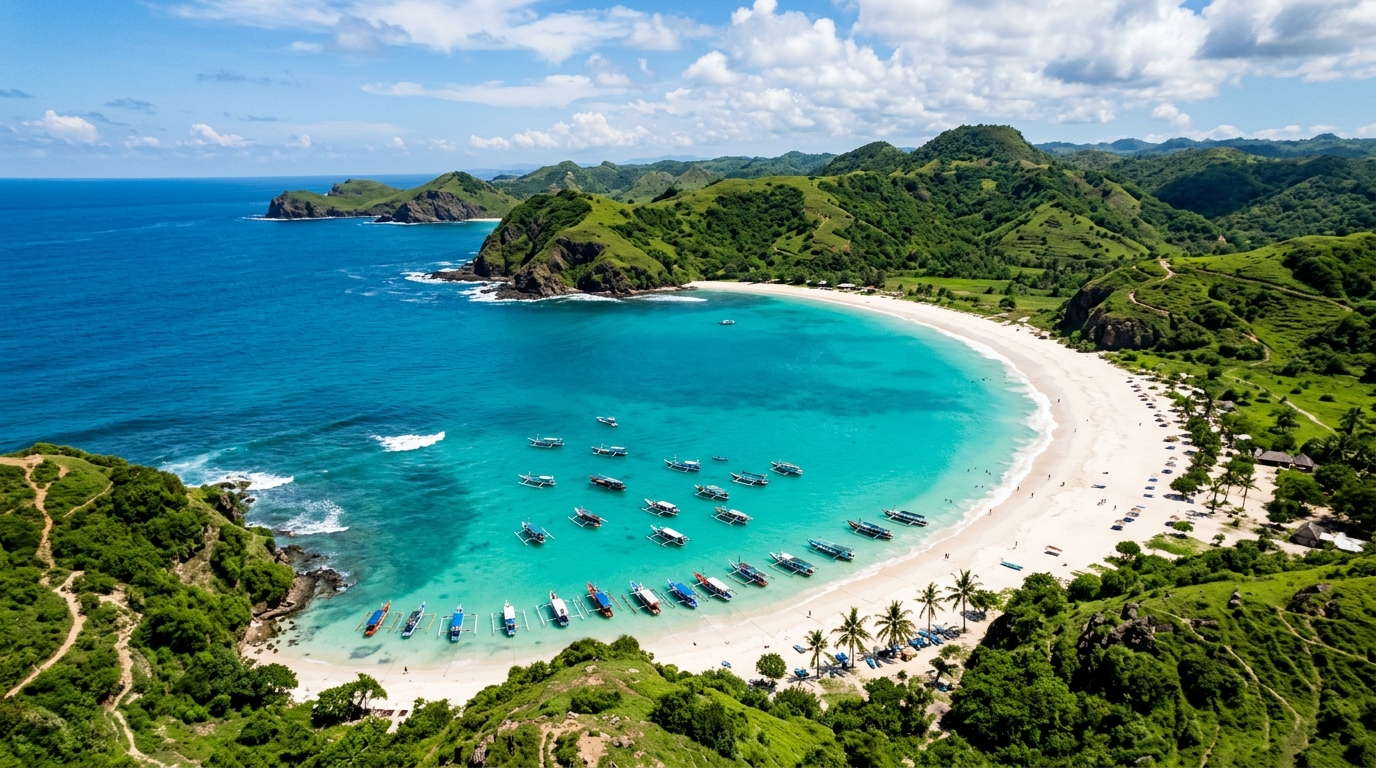
The Premier Sandy Bays: Top Picks by Vibe
Tampah Beach: The Cleanest Swimming Spot
Located just 30 minutes west of the main Kuta strip, Tampah is an anomaly. The local community here has taken strict ownership of their shoreline, performing daily cleanups that make it arguably the most pristine stretch of sand on the island.
There are no roaring beach clubs and rarely any vendors pushing sarongs. The water drops off gently into a calm, swimmable depth, making it ideal if you just want to float without fighting heavy shore breaks. You can rent a wooden sunbed for Rp. 50,000 (about $3.25), though if you arrive after 2 PM, I have frequently negotiated this down to Rp. 25,000. There is one simple warung serving cold coconuts and basic noodles. If you value silence over amenities, this is your spot.
Tanjung Aan: The Ultimate All-Rounder
Just 15 minutes east of Kuta lies Tanjung Aan, a massive double bay featuring peculiar, round sand that feels like stepping on soft peppercorns. This beach has a split personality that works entirely in its favor.
The western edge is completely desolate—perfect if you packed your own food and want absolute isolation. Walk further down the curve, and you will find a lively collection of bamboo beach shacks serving fresh dragonfruit juices and grilled chicken. The sunbeds here are typically free as long as you purchase lunch from the owning warung. Surfers can hire a local boat captain for a few dollars to take them out to the long, mellow break just beyond the bay.
Selong Belanak: Beginner Waves and Water Buffalo
Driving 40 minutes west from Kuta brings you to Selong Belanak. This is the busiest spot on the southern coast, but because the crescent bay is so massive, it absorbs the crowd effortlessly.
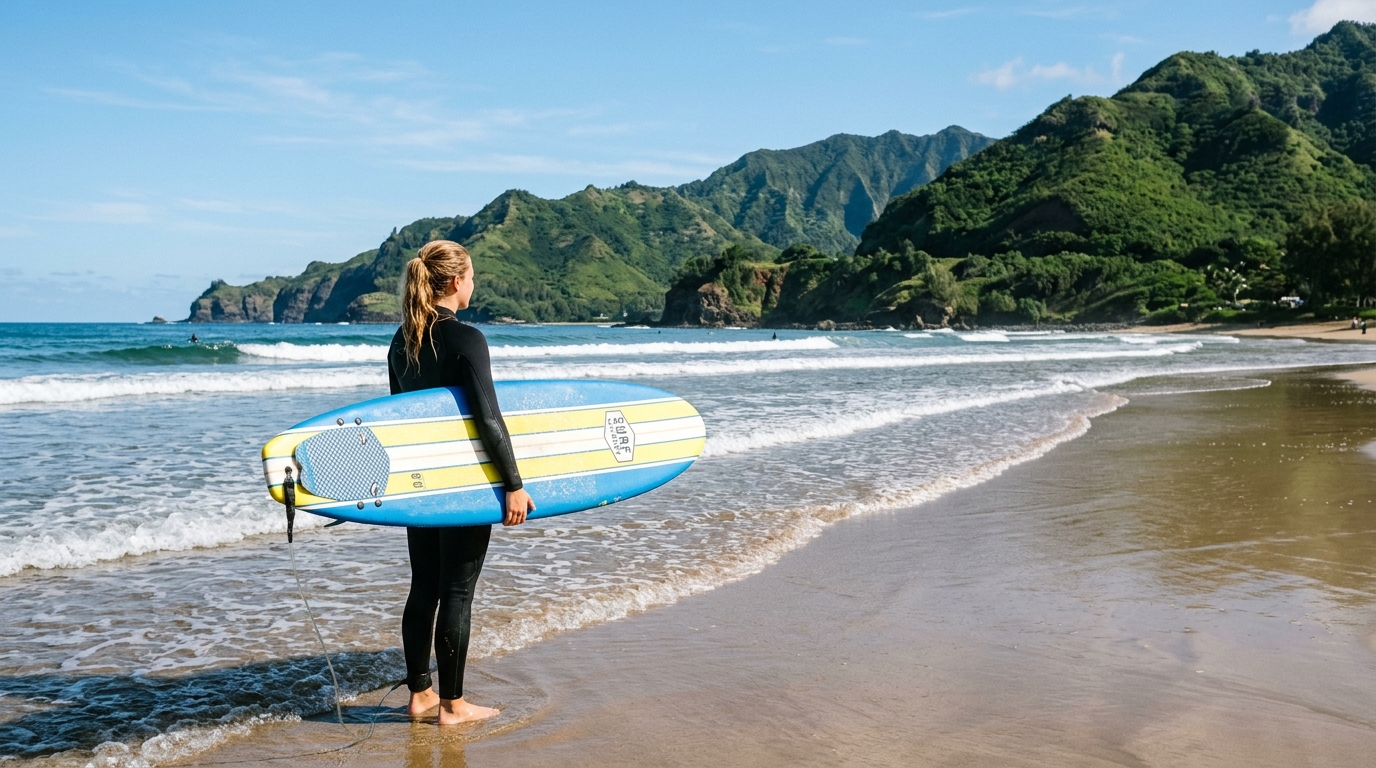
This is the premier location to learn how to surf. Unlike most breaks on the island that require paddling over jagged coral, the waves here crash directly onto a soft sand bottom. You can rent a foam board on the shore and hire a local instructor for under $15. Around late afternoon, you will likely witness a surreal scene: local farmers casually marching a herd of massive black water buffalo directly across the white sand. Parking a scooter here costs Rp. 10,000.
Nipah Beach: The Sunset Seafood Haven
If you base yourself up north in Senggigi rather than Kuta, Nipah Beach is a mandatory evening trip. Located 20 minutes north of the Senggigi main strip, this area is defined by massive coconut palms offering dense natural shade and local wooden fishing boats pulled onto the darker sand.
Nipah is not known for surfing; it is known for dinner. The air here constantly smells like coconut husks burning under massive grates of fresh red snapper and grouper. You pick your fish straight from the cooler, negotiate the price by weight, and wait at a plastic table while the sun drops behind the distant silhouette of Bali’s Mount Agung.
Rugged Coastal Anomalies: Beyond the Sand
If you prefer dramatic geology over sun tanning, the southern coast hides several bizarre, heavily weathered landscapes.
Semeti Beach (Krypton Beach)
A few kilometers past Selong Belanak, the road degrades into deeply rutted dirt. I severely underestimated this path on my first visit and ended up walking my scooter the last half-mile to avoid popping a tire. The destination, however, is staggering.
Semeti features massive, 20-meter high basalt rock formations that jut out of the ocean like jagged, blocky crystals. Locals call it “Krypton Beach” because it genuinely looks like the fictional Superman homeworld. You cannot swim here. The waves are violently strong, and the rocks are sharp. You must wear closed-toe shoes to scramble up the boulders for photography.
Nambung Beach: The Saltwater Waterfall
Located about 60 kilometers east of the capital city Mataram, Nambung presents an incredible optical illusion. Large oceanic swells crash violently against a towering wall of cliff rocks. The water then cascades backward over the jagged lip into a crystal-clear lagoon below, mimicking a rushing waterfall.
There is absolutely no public transport to this area, and road signs are virtually nonexistent. You will have to stop and ask locals for directions frequently. While the lagoon beneath the rocks is swimmable, do not attempt to swim near the “waterfall” drop zone, as the currents are notoriously unforgiving.
Tanjung Poki: The Ferocious Blowhole
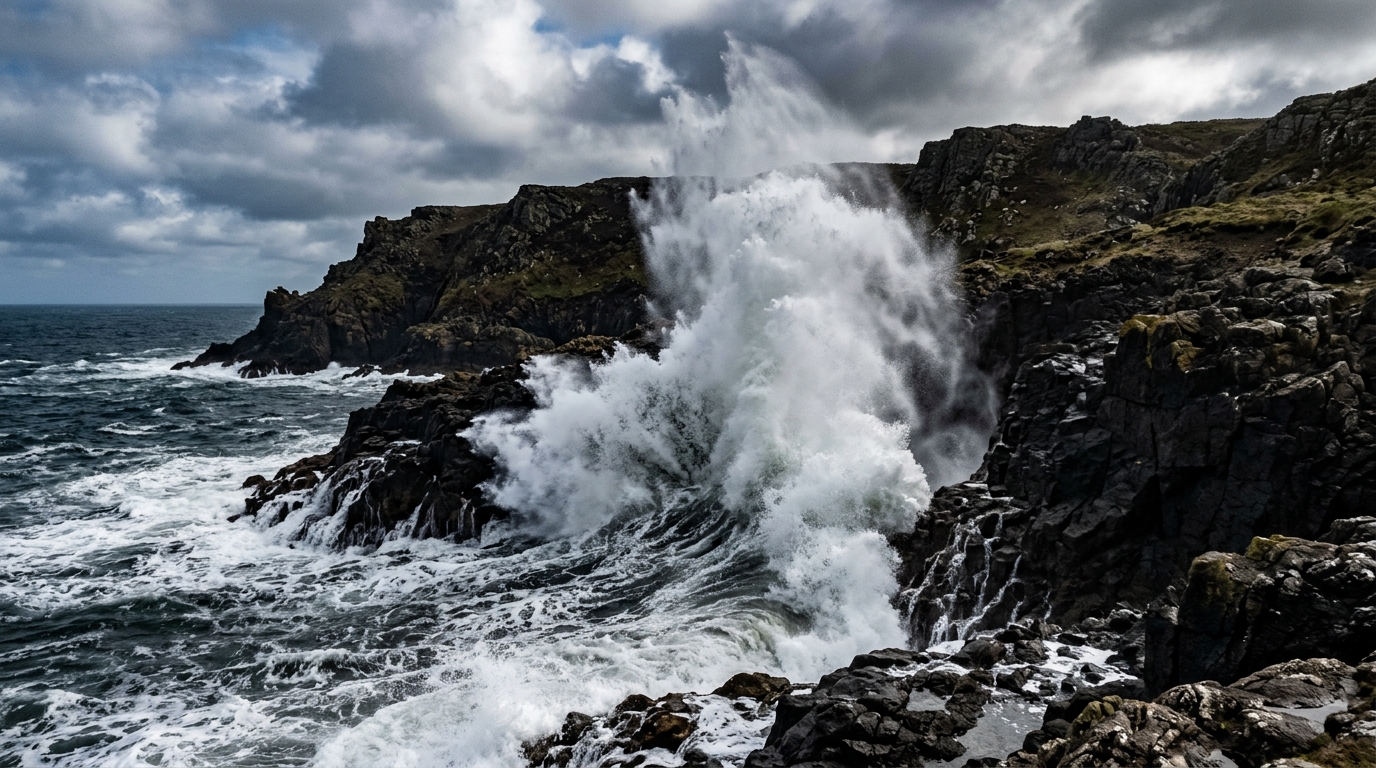
Situated on the southeastern tip near the heavily debated Pink Beach, Tanjung Poki is an exercise in respecting oceanic power. The coastal cliffs drop straight into the Alas Strait, forcing incoming waves into narrow, curved limestone funnels.
The resulting pressure creates a 10-meter high water blowhole that erupts with the sound of a thunderclap. Local fishermen actually hold weekly competitions here, casting massive lines directly into the canyon. Keep a safe distance from the wet rocks; multiple tourists have ignored the warning signs over the years and been swept out to sea.
The Surfing Blueprint: Navigating the Breaks
Lombok is heavily positioned as a surfer’s paradise, but the breaks are heavily segregated by skill level.
For the Intermediates: Gerupuk Bay
Just east of Kuta is the fishing village of Gerupuk. There is no beach lounging here—the entire economy is built on hiring outrigger boats to ferry surfers into the massive bay. Gerupuk offers several distinct peaks. Don-Don provides a mellow A-frame wave perfect for longboarders, while Inside Gerupuk offers longer, slightly faster rides. The local boat captains are incredibly skilled at reading the incoming sets and will physically point you into the best waves.
For the Experts: Mawi and Desert Point
Mawi Beach requires navigating a terrible access road and paying a Rp. 10,000 entrance fee, but it delivers heavy, hollow barrels breaking over a shallow reef. It is highly tide-dependent and strictly for advanced riders.
Further west lies Desert Point (Bangko-Bangko), a wave that holds legendary status globally. Functioning primarily between May and November, this left-hand break offers rides that can barrel for up to 20 seconds. It also breaks over an incredibly shallow, razor-sharp coral reef. If you do not know exactly what you are doing, do not paddle out here.
Logistics, Budgets, and Basecamps
Transit: Getting to the Island
You have three primary ways to cross over from Bali. Direct flights from Denpasar to Lombok International Airport (LOP) take barely 30 minutes but require dealing with airport security and luggage fees. The fast boat from Padang Bai or Sanur takes 1.5 to 2.5 hours and drops you at Senggigi or the Gili Islands.
I booked the cheap public ferry thinking I’d save cash, but it ended up taking five punishing hours in choppy waters. However, the public ferry to Lembar Harbor costs less than $5 and is the only option if you are transporting a rental scooter from Bali.
Navigating the Grab/Gojek Ban
While mainland Indonesia relies heavily on the ride-sharing apps Grab and Gojek, local taxi cartels in Kuta have strictly banned them from operating within the town. You can take a Gojek from the port to Kuta, but you cannot hail one once you are there to get to the beaches.
Consequently, renting a scooter is non-negotiable for exploring the south. The main highways connecting the airport and Kuta are exceptionally smooth—thanks to infrastructure upgrades for the 2022 MotoGP event—but coastal access roads require confident driving skills. Scooter rentals average Rp. 60,000 to Rp. 80,000 per day ($4-$5).
The Cost of Living
Lombok remains highly economical. A meal at a local street food cart (like Nasi Campur or chicken satay) costs as little as $0.50. A mid-range boutique hotel in Kuta, like Martas Window, runs about $40 to $60 a night. For digital nomads, Kuta is remarkably well-equipped; the newly built radio towers provide consistent internet speeds hovering between 80 and 120 Mbps, far exceeding many parts of Bali.
Who Should Visit Lombok (And Who Should Not)
This destination is ideal for:
Surfers of all levels: Whether you need sandy bottoms to learn on or advanced reef barrels, the southern coast delivers consistently.
Nature-focused travelers: If you want to hike rugged hills, explore bat caves at dusk, or sit on an empty beach with just a book, this island provides true isolation.
Budget-conscious nomads: Fast internet and cheap, high-quality street food make Kuta an excellent remote work basecamp.
You might want to skip this if:
You want heavy nightlife and luxury beach clubs: Aside from a few bars in Kuta and the party scene on Gili Trawangan, the mainland is sleepy and shuts down early.
You are an inexperienced scooter driver: With no ride-sharing apps available for short trips, relying entirely on private taxi drivers to beach-hop gets expensive very quickly.
Common Mistakes to Avoid
Mistake 1: Ignoring the “Trash Tides” in Peak Wet Season
The ugliest downside to exploring this region is the reality of the global plastic crisis. If you visit between December and February, shifting westerly winds and strong ocean currents push a massive amount of plastic pollution directly onto the western-facing beaches. I once drove 45 minutes to a highly-rated bay in January, only to find the sand entirely covered in wrappers and bottles. If you travel in the wet season, stick to eastern-facing bays, or limit your expectations.
Mistake 2: Renting Cheap Snorkel Gear on the Sand
If you plan to explore the Gili Islands or the coral off the mainland coast, bring your own mask and snorkel. I rented a cheap mask from a beach vendor that continuously leaked saltwater into my eyes, completely ruining an hour I could have spent watching sea turtles. The local rental gear is heavily used, rarely cleaned properly, and features degraded silicone seals.
Mistake 3: Trusting Google Maps for Trailheads
While Google Maps works perfectly for finding main cafes in Kuta, it is notoriously unreliable for locating hiking paths, such as the trails up Bukit Merese or the route to Bangkang Cave. The app will frequently try to route you through private farmland or impassable dirt ruts. Always cross-reference your route with a local at your homestay before setting out into the hills.
Frequently Asked Questions
Is it safe to swim at the beaches in Lombok?
It highly depends on the specific beach. Bays like Tampah, Selong Belanak, and Mawun (at high tide) offer calm, deep water that is incredibly safe for swimming. However, rugged spots like Semeti, Mawi, and Nambung have violent surf breaks, sharp rocks, and dangerous rip currents. Always observe the water for 15 minutes before getting in, and stick to areas where you see locals swimming.
How many days do you need to explore the coastline?
A minimum of five days is recommended to comfortably see the island. This allows you to spend three days in Kuta exploring the southern surf breaks and sandy bays, and two days up north near Senggigi to enjoy the sunset seafood and take a day trip to the Gili Islands.
Do I need to bring cash to the beaches?
Yes, absolutely. While most restaurants and hotels in Kuta accept credit cards, beach infrastructure is heavily cash-based. You will need small denomination Rupiah notes (Rp. 5,000 to Rp. 50,000) to pay for scooter parking, sunbed rentals, local warung meals, and bathroom access.
Are the Gili Islands better than mainland Lombok?
They serve completely different purposes. The Gili Islands (Trawangan, Meno, and Air) feature zero motorized vehicles, flat sandy terrain, and world-class coral reef snorkeling right off the shore. The mainland offers dramatic volcanic hills, extensive surfing breaks, and scooter road trips. Doing both is the best approach.
Wrapping Up
Finding the best beaches in Lombok requires trading the polished convenience of Bali for a little bit of rugged exploration. You will have to navigate dirt roads, negotiate with boat captains, and learn to read the changing tides.
But the payoff is immense. Standing on the peppercorn sand of Tanjung Aan at sunrise, with no one else in sight and perfect glass-like waves rolling into the bay, you quickly realize why people call this island the ultimate escape. Book a flight before the secret completely gets out, pack a reliable dry bag, and make sure your scooter tires have decent tread.