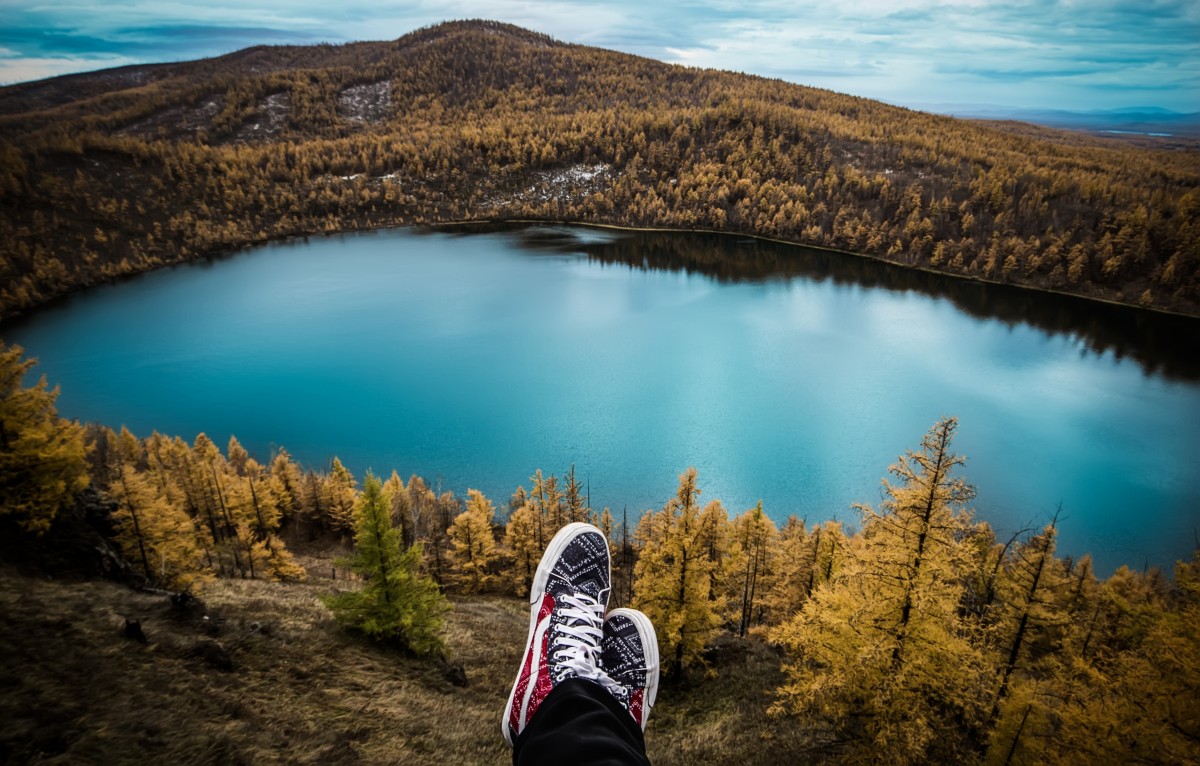
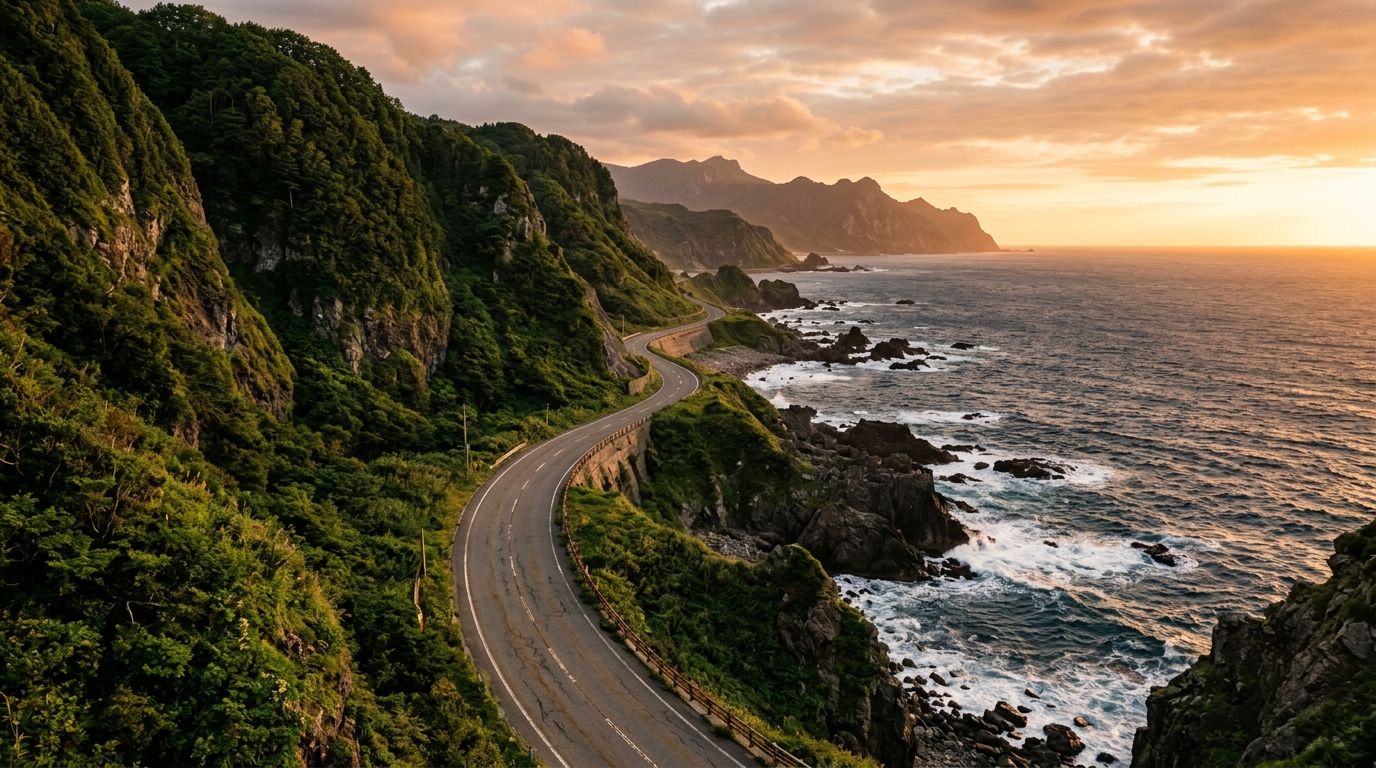

Exploring Japan off the beaten path requires significantly more planning than simply tapping a transit card at a Tokyo subway gate, but the payoff fundamentally changes your understanding of the country. Following the post-pandemic reopening, international travel to the Japanese archipelago has skyrocketed, leading to severe localized crowding along the primary transit corridors. Travelers who stick to the heavily promoted itineraries often find themselves waiting in multi-hour lines just to capture a photograph, completely missing the deep cultural isolation they traveled halfway across the world to experience. If you are willing to look beyond the dominant railway lines, you will find ancient cedar forests, remote volcanic calderas, and centuries-old merchant towns where you might be the only foreign visitor for miles.
Quick Summary
Ditch the Shinkansen dependency: The bullet train is highly efficient but funnels millions of people to the exact same five cities.
Swap iconic locations for regional equivalents: Trade crowded Kyoto for the samurai districts of Kanazawa, or swap Miyajima Island for the floating torii gate at Lake Biwa.
Leverage seasonal timing: Head north to Aomori in late April for delayed cherry blossoms, or visit Hokkaido in the summer for cool-weather hiking instead of winter skiing.
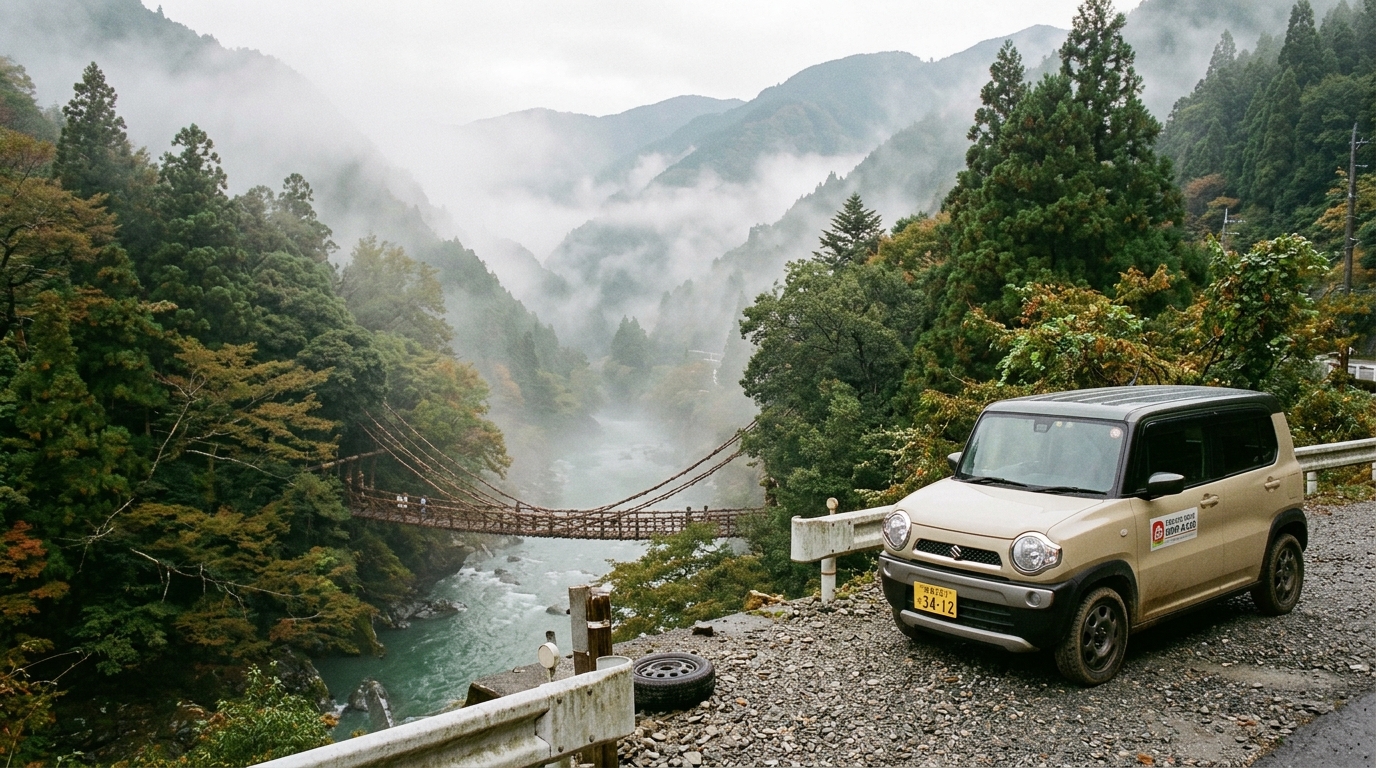
Rent a car for the deep countryside: Public transit in regions like Shikoku and Kyushu is too sparse; an International Driving Permit unlocks the absolute quietest coastal roads.
Stay overnight in day-trip towns: Arriving at 4:00 PM when the massive tour buses leave allows you to experience historic villages in total silence.
The Direct Answer: How to Escape the Crowds
If you want the most direct strategy to experience authentic Japanese culture without fighting shoulder-to-shoulder with thousands of other tourists: you must physically leave the Tokaido Shinkansen line. Skip the entire Tokyo-Kyoto-Osaka-Hiroshima corridor for at least two-thirds of your itinerary. Instead, purchase a specialized regional rail pass (like the JR East Tohoku Pass) or rent a subcompact car, and head immediately to the San’in coast, the mountainous Chubu region, or the island of Shikoku.
Over 80 percent of the nation’s population lives on the main island of Honshu, and incredibly, less than 10 percent of Japan’s total landmass is used for residential or industrial development. That leaves an immense 66 percent of the country covered in heavily forested mountains, alpine valleys, and rugged shorelines. The most effective approach is to fly into a major hub, spend no more than 48 hours recovering from jet lag, and take a domestic flight or regional express train out to under-the-radar prefectures like Toyama, Kochi, or Yamagata.
The Myth of Nationwide Overtourism
The travel industry frequently discusses the “overtourism crisis” in Japan, but this is largely a geographic myth. The congestion is heavily localized. The “Golden Route” connecting Tokyo, Kyoto, and Osaka is currently buckling under its own weight, but the rest of the country remains drastically under-visited.
I once stood shoulder-to-shoulder at the famous Fushimi Inari shrine in Kyoto right at 10:00 AM, watching massive, flag-following tour groups collide in the narrow dirt walkways. The noise was overwhelming, making it impossible to take a single clear photograph or experience any sense of spirituality. The environment felt entirely commercialized.
By contrast, stepping away from these primary hubs reveals a highly serene environment. Just a few hours away on the Sea of Japan coast, similar historic infrastructure sits completely empty. To build a highly effective itinerary, you should use the “swap” method: identify what you want to see on the main trail, and replace it with its rural equivalent.
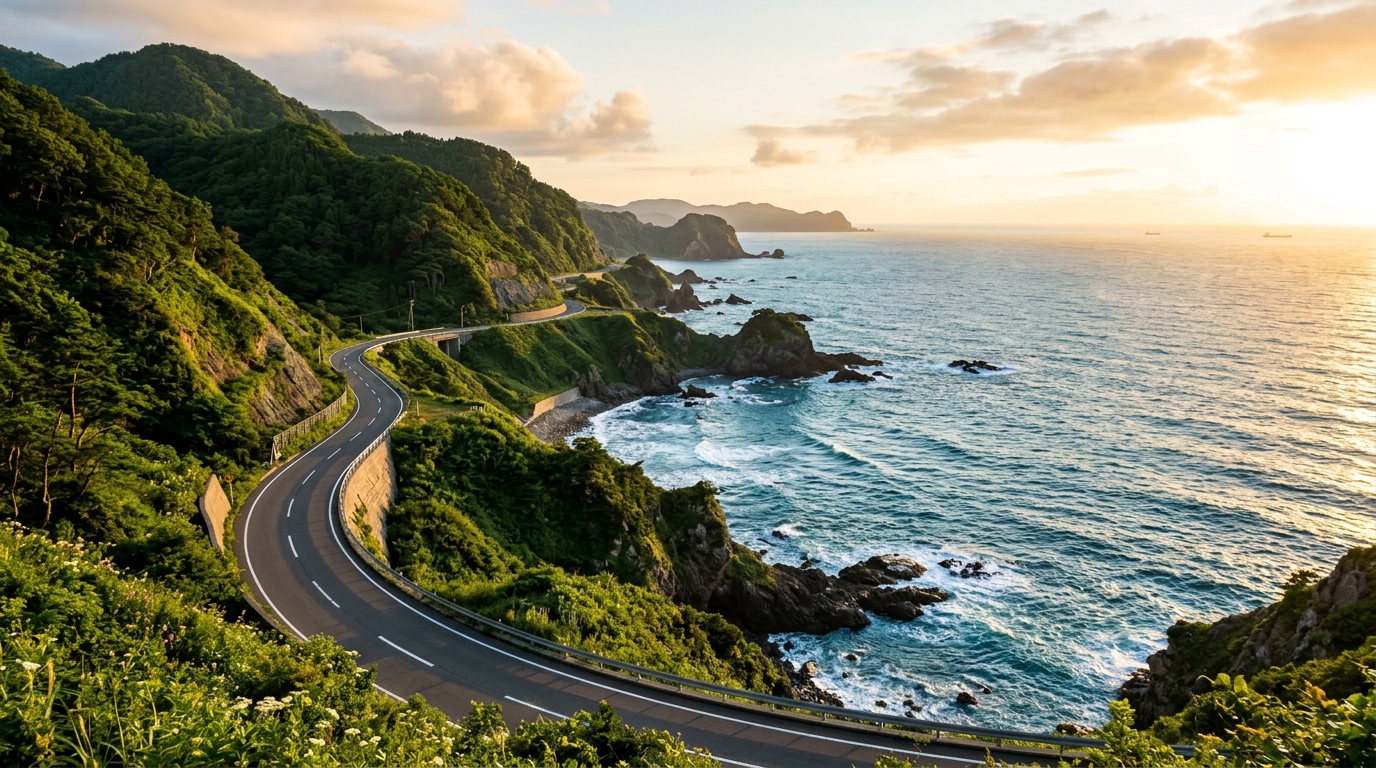
Strategic Destination Swaps
Instead of competing with day-trippers for elbow room, redirect your travel budget toward municipalities that actually want and need your tourism dollars.
Swap Kyoto for Kanazawa or Gujo Hachiman
Kyoto served as the imperial capital for over a millennium, but its primary thoroughfares are currently overwhelmed. Instead, take the train north to Kanazawa in Ishikawa Prefecture. Often referred to as “Little Kyoto,” Kanazawa features an impeccably preserved samurai district (Nagamachi) and a historic geisha entertainment area (Higashi Chaya). Historically, this municipality was incredibly wealthy—so much so that it supplied the 20 tonnes of gold leaf used to cover Kyoto’s famous Golden Pavilion.
Alternatively, travel deep into Gifu Prefecture to visit Gujo Hachiman. Known as the “City of Water,” this town is defined by its immaculate temple gardens, pristine white castle overlooking an emerald river valley, and complex network of pure water channels running directly past the houses. As an unusual cultural quirk, this small town produces 50 percent of the country’s plastic replica food seen in restaurant windows nationwide.
Swap Miyajima Island for Lake Biwa
Miyajima Island near Hiroshima is globally recognized for Itsukushima Shrine’s massive “floating” orange torii gate. However, navigating the crowds to get a clean photo is an exercise in pure frustration. Lake Biwa—Japan’s largest freshwater lake located in Shiga Prefecture—features a nearly identical floating Grand Torii gate at Shirahige Shrine. You get the exact same striking visual of a massive red gate standing in the water, but with a fraction of the foot traffic.
Swap Shirakawa-go for Hida No Sato
The historic village of Shirakawa-go is famous for its steep thatched-roof farmhouses engineered to withstand heavy snowfall. Unfortunately, it now frequently suffers from severe daytime congestion. Tourists wait in line for over an hour just to access an elevated vantage point. Instead of dealing with the stress, visit the Hida No Sato Folk Village near Takayama. It features the exact same architectural styles preserved in a quiet, heavily wooded outdoor museum setting, allowing you to walk inside the structures without being hurried along by tour guides.
Deep Dive: The Northern Frontier (Tohoku and Hokkaido)
The further north you travel from Tokyo, the faster the crowds thin out. The Tohoku region and the island of Hokkaido offer massive geographic scale and deep isolation.
The Sanriku Coast and Aomori
If you are traveling in late April and are devastated that you missed the famous cherry blossoms in Tokyo, the colder northern climate is your salvation. Head to Aomori Prefecture, where the blooms arrive weeks later. Here, you can drive down a 20-kilometer stretch of road lined entirely with 6,500 cherry trees, completely uninterrupted by massive commercial buses.
Further down the eastern seaboard lies the Sanriku Coast. This area was heavily devastated by the 2011 tsunami, but its recovery is a testament to incredible engineering and local resilience. Renting a car in Morioka and driving down to the Iwate Tsunami Memorial Museum offers a profoundly humbling, historical experience set against a backdrop of deep blue ocean and sheer green cliffs.
Hokkaido Beyond the Snow
Hokkaido is internationally famous for the Sapporo Snow Festival and the powdery ski slopes of Niseko. However, visiting in the summer completely changes the dynamic. While the rest of the country swelters in crushing August humidity, Hokkaido remains cool, dry, and comfortable.
For wildlife enthusiasts, Hidaka National Park and the Shiretoko Peninsula—a UNESCO World Heritage site jutting into the Sea of Okhotsk—are unparalleled. Shiretoko is so remote that paved roads do not reach the very end; you must take a boat to view the rugged cliffs, where you can routinely spot wild brown bears foraging on the pebble beaches.
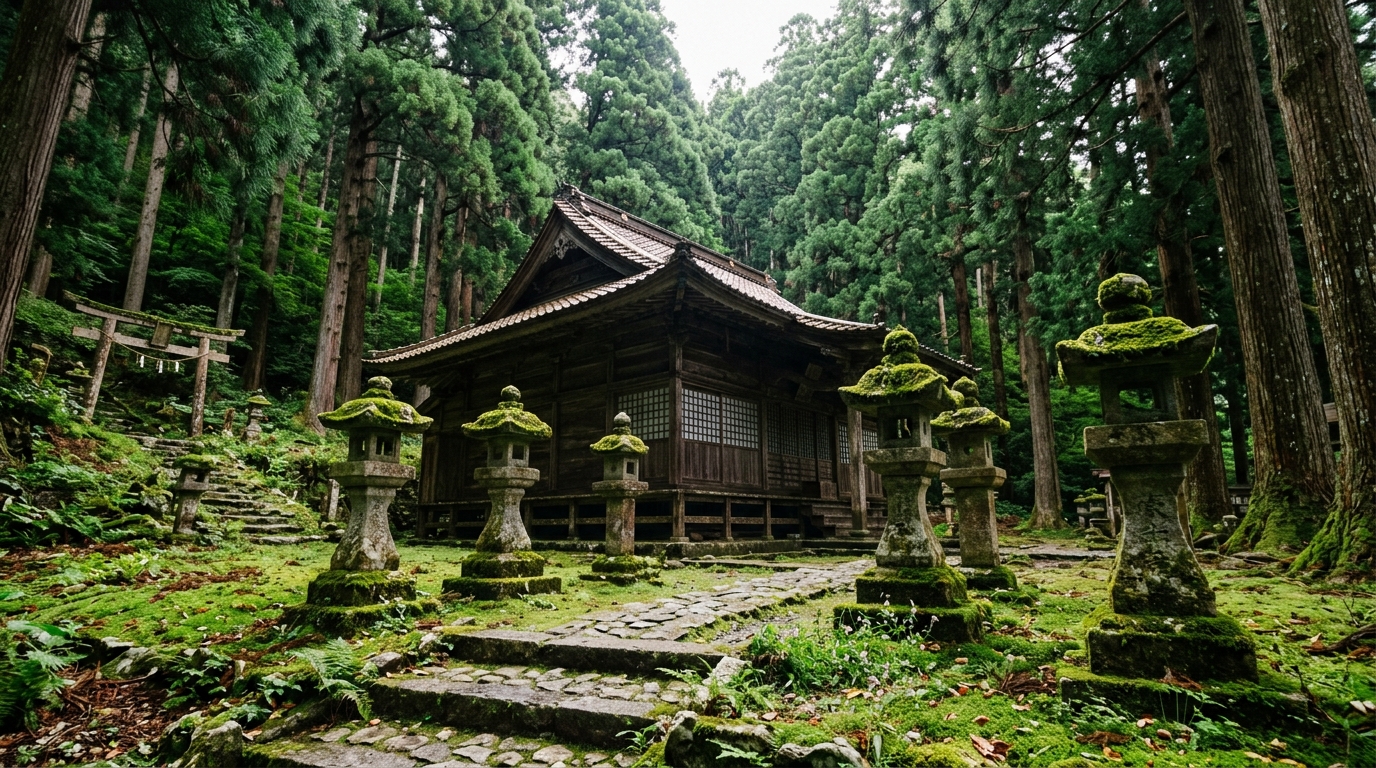
Deep Dive: The Secondary Islands (Shikoku and Kyushu)
To truly remove yourself from international crowds, you must cross the water to the secondary islands in the south.
Shikoku: The Untamed Wilderness
Shikoku is the smallest and least visited of the four main islands. It is defined by dense forests, winding mountain rivers, and a gruelling 88-temple Buddhist pilgrimage route. Because it lacks a Shinkansen connection, it naturally filters out the masses who rely on high-speed rail.
Inland, the Iya Valley offers terrifying but beautiful suspension bridges made entirely of tightly woven mountain vines crossing deep gorges. I made a massive miscalculation here during my first trip: I booked a cheaper local ferry from the mainland to Shikoku thinking I would save about 2,500 yen instead of taking the bridge or the rapid train. The four-hour ride in incredibly choppy waters left me violently nauseous and ruined my first afternoon. Pay for the faster, stabilized transit.
Kyushu: Volcanoes and Hot Springs
Kyushu sits to the south and is dominated by intense geothermal activity. Mount Aso features one of the world’s largest volcanic calderas, measuring a staggering 25 kilometers in diameter. You must always check local advisories before driving up, as toxic gas emissions frequently force the crater to close to the public.
Kyushu is also the undisputed capital of the traditional onsen (hot spring) experience. While coastal towns like Beppu pump an incredible 32,000 liters of hot spring water per minute, you should look for smaller, quieter enclaves. In places like Kurokawa Onsen, you can purchase a wooden pass to walk in your cotton yukata between different outdoor stone baths set directly alongside a rushing river.
Cost Comparison: Main Route vs. Rural Travel
Traveling away from the major hubs fundamentally alters your daily budget. Hotels in rural prefectures are significantly cheaper, and dining heavily favors affordable, locally sourced ingredients rather than inflated tourist menus.
| Expense Category | Tokyo / Kyoto (Per Day) | Shikoku / Tohoku (Per Day) | Cost Difference |
|---|---|---|---|
| Mid-Range Hotel | $150 – $200 | $60 – $90 | 50% – 60% Cheaper |
| Local Dinner | $30 – $50 | $12 – $20 | 55% Cheaper |
| Temple Entry Fees | $5 – $10 (each) | $0 – $3 (each) | 70% Cheaper |
| Daily Transit | $8 (Subway network) | $45 (Car Rental split by 2) | More Expensive |
Keep in mind: While accommodation and food drop sharply in price, transportation costs rise. You will likely need to rent a vehicle to explore places like the Shimanto River or the Tottori Sand Dunes efficiently.
To mitigate transit costs, look closely at Regional JR Passes rather than the highly expensive national JR Pass. The JR Kansai-Hiroshima Pass (roughly $90 for 5 days) or the JR East Tohoku Pass (roughly $140 for 5 days) offer massive value for targeted regional exploration.
For food, leverage the local convenience stores (konbini). Combining a piece of high-quality Lawson fried chicken with two 7-Eleven salmon rice balls creates an incredibly filling, delicious lunch for under $4, freeing up your budget for a luxury sushi dinner later in the evening.
Who Should Travel Off the Beaten Path (And Who Should Not)
Navigating rural Japanese infrastructure is not for everyone. You need to honestly evaluate your travel style before committing to a remote itinerary.
This style of travel is ideal for:
Second-time visitors: If you have already seen the neon lights of Shinjuku and the temples of Nara, you are perfectly primed to dig deeper into the country’s rural micro-cultures.
Patient, flexible travelers: Rural buses get delayed by weather, English menus disappear entirely, and small family-run restaurants might close unpredictably. You need a highly calm mindset.
Photographers and nature lovers: The coastal cliffs of Iwate and the deep limestone caves of Fukushima offer dramatic, completely empty landscapes.
You might want to skip this if:
You only have 7 days: If this is your very first trip and you only have a week, the sheer logistics of reaching the deep countryside will consume too much of your limited time. Stick to the Tokyo-Kyoto route.
You require high accessibility: Historic castles have incredibly steep stairs, ancient shrines sit atop hundreds of uneven stone steps, and rural train stations frequently lack modern elevators.
You need nightlife: Outside of major cities like Osaka, Fukuoka, and Tokyo, most rural Japanese towns completely shut down by 8:00 PM.
Common Mistakes to Avoid
Mistake 1: Treating remote villages like day trips.
The single biggest error travelers make is booking a hotel in a major city and attempting to day-trip into the mountains. If you take a bus to the historic canal town of Kurashiki at 11:00 AM, you will arrive exactly when the thousands of other day-trippers do. The magic of these locations happens at 7:00 AM or 8:00 PM. Book a traditional ryokan (inn) or a shukubo* (temple lodging) and stay overnight.
Mistake 2: Relying strictly on trains in deep rural areas.
Japan’s train network is an engineering marvel, but it does not go everywhere. In regions like Kyushu, Shikoku, or the San’in coast, local trains might only run once every three hours. Relying purely on public transit here will result in you spending half your day sitting on an empty concrete platform.
Mistake 3: Disrespecting the local honor system.
Many uncrowded destinations rely on community trust. In the mountain town of Takayama, I confidently started climbing the wooden stairs inside Matsumoto Castle only to find they sit at a terrifying 60-degree angle. Being on the taller side, the descent required an awkward, shuffling squat. After surviving the castle, I visited the local sake breweries, which allow you to sample premium rice wine for just a few hundred yen, completely unmonitored. This relies entirely on the local honor system—pour what you paid for, and do not abuse the generosity of rural business owners.
Frequently Asked Questions
Do I need to speak Japanese to travel outside the major cities?
No, but the lack of English heavily changes the dynamic of your trip. In a small town in Shikoku, you will rely entirely on Google Translate. Download offline Japanese language packs on your phone before you arrive. Locals are incredibly polite and will go out of their way to help you, provided you approach them with respect, a slight bow, and a translation app ready.
Is it safe to rent a car and drive in rural areas?
Yes, it is exceptionally safe. Japanese drivers are generally cautious and follow traffic laws strictly. Roads are meticulously maintained, even high up in the alpine passes. Just remember that they drive on the left side of the road, speed limits are strictly enforced, and the legal blood-alcohol limit is functionally zero. You must secure an International Driving Permit (IDP) before leaving your home country; rental agencies will not hand over the keys without it.
Are credit cards accepted in the countryside?
Cash is absolutely king the further you get from the Shinkansen line. While major hotels and chain convenience stores will take cards, local ramen shops, temple donation boxes, and small rural transit buses require physical yen. Avoid exchanging currency at your home airport; instead, withdraw Japanese Yen directly from ATMs located inside 7-Eleven or FamilyMart stores, which offer the best exchange rates.
How many days do I need to explore an off-route region?
Do not attempt to rush a rural itinerary. If you want to explore the Chubu mountains, the Art Islands of Setouchi, or the southern tip of Kyushu, dedicate a minimum of four to five solid days to that specific region. Trying to bounce between Tokyo, a remote mountain town, and Osaka in a frantic 72-hour window will result in pure transit exhaustion.
Final Thoughts
Choosing to explore Japan off the beaten path is an active decision to trade convenience for authenticity. It requires a willingness to navigate confusing bus schedules, decipher local menus with a smartphone camera, and occasionally get wonderfully lost. However, the reward is a profoundly personal connection to a country that most tourists only view through the window of a high-speed train.
Instead of fighting for a generic selfie in a crowded bamboo grove, you can listen to the wind move through a silent cedar forest along the Kumano Kodo pilgrimage trail, or watch the sun set over the massive Tottori sand dunes entirely alone. For your next trip, pick just one obscure municipality, rent a car, book a family-run guesthouse, and discover what the country actually looks like when the commercial tour buses finally drive away.