
Exploring off the beaten path Thailand requires a willingness to trade the immediate convenience of mass tourism for complete isolation, logistical friction, and genuine cultural immersion. The country receives millions of international visitors annually, and the vast majority of them cluster tightly around the transit hubs of Phuket, central Chiang Mai, and downtown Bangkok. If you stick to these heavily marketed epicenters, you will spend your vacation fighting for space on the sand, waiting in queues for restaurants, and experiencing a highly commercialized version of the country.
However, a completely different reality exists just a few hours beyond the international airport zones. By altering your routing slightly, you can find completely deserted white-sand shorelines, ancient 13th-century temple ruins entirely devoid of crowds, and high-altitude mountain villages that require winter jackets.
Quick Summary
Logistics Dictate the Experience: Reaching uncrowded regions requires independent transport. Renting a scooter, taking shared longtail boats, or booking domestic puddle-jumper flights is mandatory.
Southern Isolation: Islands like Koh Tarutao and Koh Kradan operate with zero streets and zero nightlife, acting as silent, nature-focused alternatives to the noise of Koh Samui.
Northern Climates: Mountainous regions like Phetchabun drop to 5°C at night, offering a high-altitude experience far removed from standard tropical expectations.
Secondary Cities: Regional hubs like Chanthaburi and Phayao offer spectacular local architecture, untouched history, and vastly cheaper regional food compared to the heavily inflated island prices.
Ethical Encounters: National parks like Khao Yai provide opportunities to track wild elephants safely, bypassing exploitative captive animal attractions entirely.
The Direct Answer: How to Escape the Crowds
If you want to experience the uncrowded side of the country, you must fundamentally change your routing strategy. Do not book a hotel near the major international airports and expect to find quiet beaches nearby. Instead of flying into Phuket and staying there, take a short boat ride to the Muslim fishing communities of Koh Yao Noi. Instead of elbowing through the heavily trafficked ruins of Ayutthaya, travel 430 kilometers north of Bangkok to the Sukhothai Historical Park, where you can rent a bicycle and explore massive ancient Buddhist structures entirely alone.
To successfully execute this type of trip, you must rely on independent transport. Relying on private local taxis in remote areas will severely deplete your budget. Renting a scooter (usually around 200 to 250 THB per day) gives you the exact mobility required to find empty shorelines, rural street food markets, and unmarked jungle trails that massive commercial tour buses physically cannot access.
The Southern Archipelago: Silence and Empty Sand
The southern islands are globally famous, but tourists reliably cluster around just three or four landmasses. By altering your trajectory and enduring a slightly longer transit process, you can find empty shorelines that look exactly like Phuket did forty years ago.
Koh Tarutao: The Former Prison Island
Situated in the Andaman Sea, Koh Tarutao serves as Thailand’s largest marine park. It is a completely unspoiled island with a dark history—it formerly served as a prison colony housing over 3,000 inmates. Because local domestic travelers often avoid the island due to superstitious fears regarding lingering spirits, it remains drastically under-visited.
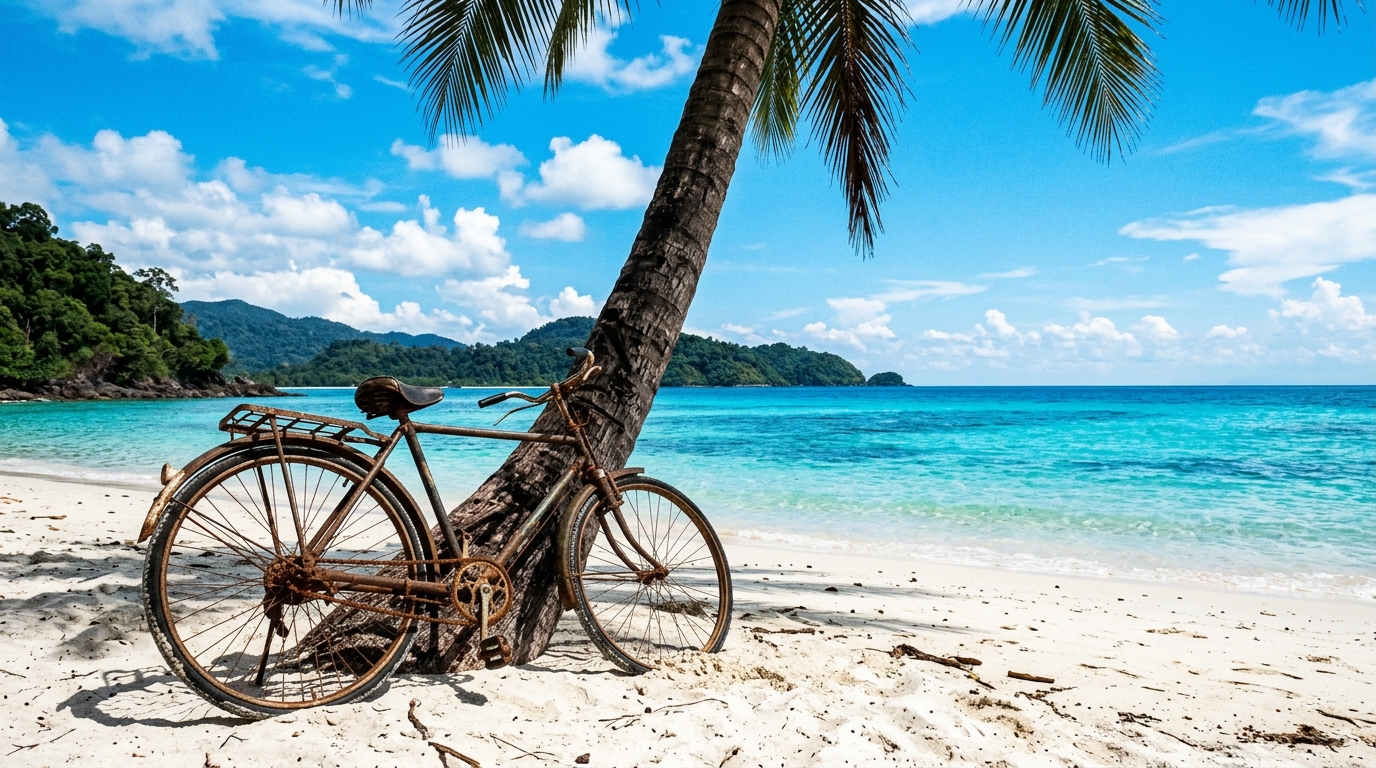
When I booked the cheaper ferry to Koh Tarutao thinking I’d save a few Baht, I quickly learned that the choppy 4-hour water crossing from Pak Bara pier was the filter keeping the massive crowds away. There is zero luxury here. You will not find air conditioning, and the park rangers tightly regulate electricity to specific evening hours. For roughly 250 THB, you can rent a bicycle for the day, dodging wild monkeys as you pedal down completely deserted dirt paths to Ao Molae beach, a shoreline you will likely have entirely to yourself.
Note on timing: Do not plan a trip here during the summer. The national park enforces strict seasonal closures from May 15th to October 15th annually.
Koh Kradan and Koh Mook
Koh Kradan was voted the absolute best beach for the year 2025, yet it remains relatively unknown to the casual traveler. The island has no paved streets, no permanent local inhabitants outside of resort staff, and absolutely zero nightlife. It operates almost entirely as a quiet, natural wellness retreat focused on offshore coral reefs.
Nearby in Trang Province sits Koh Mook, an island completely devoid of cars. The primary draw here is the legendary Emerald Cave. To reach the secret interior lagoon, you must physically swim through an 80-meter-long, pitch-black sea cave. Emerging on the other side into a sunlit, enclosed sandy beach is an incredible geological experience. If you extend your stay at a place like the Sivalai Beach Resort, you can hire local boats to search the surrounding waters for rare marine dugongs.
The Yao Islands: Koh Yao Noi and Koh Yao Yai
Situated in Phang Nga Bay halfway between Phuket and Krabi, these twin islands represent a completely different cultural landscape. The population here is predominantly Muslim Thai, meaning the architecture, the modest local dress, and the food are wonderfully distinct from the rest of the country.
Koh Yao Noi features beautiful, green rice fields and phenomenal horizon views across the limestone karsts. Over on Koh Yao Yai, you will find incredibly stunning, deserted beaches. While higher-end accommodations like the TreeHouse Villas exist, you still need to rent a motorbike to navigate the unpaved dirt tracks. You will likely share the road with massive monitor lizards rather than other tourists.
Mainland South: Khanom’s Pink Dolphins
While the neighboring island of Koh Samui is highly commercialized, the nearby mainland district of Khanom offers a rare wildlife experience without the inflated prices. Khanom is an isolated coastal stretch featuring over ten quiet beaches.
The primary reason to visit is to spot rare pink dolphins. Rather than booking a massive commercial boat, head to Nang Kam Beach near the Donsak mainland pier and hire a traditional longtail boat from a local fisherman.
Deep Jungle and Ethical Wildlife Immersions
Trading the coast for the canopy yields some of the most dramatic landscapes in Southeast Asia. Thailand contains 147 national parks, yet most visitors only see the beaches.
Khao Yai National Park
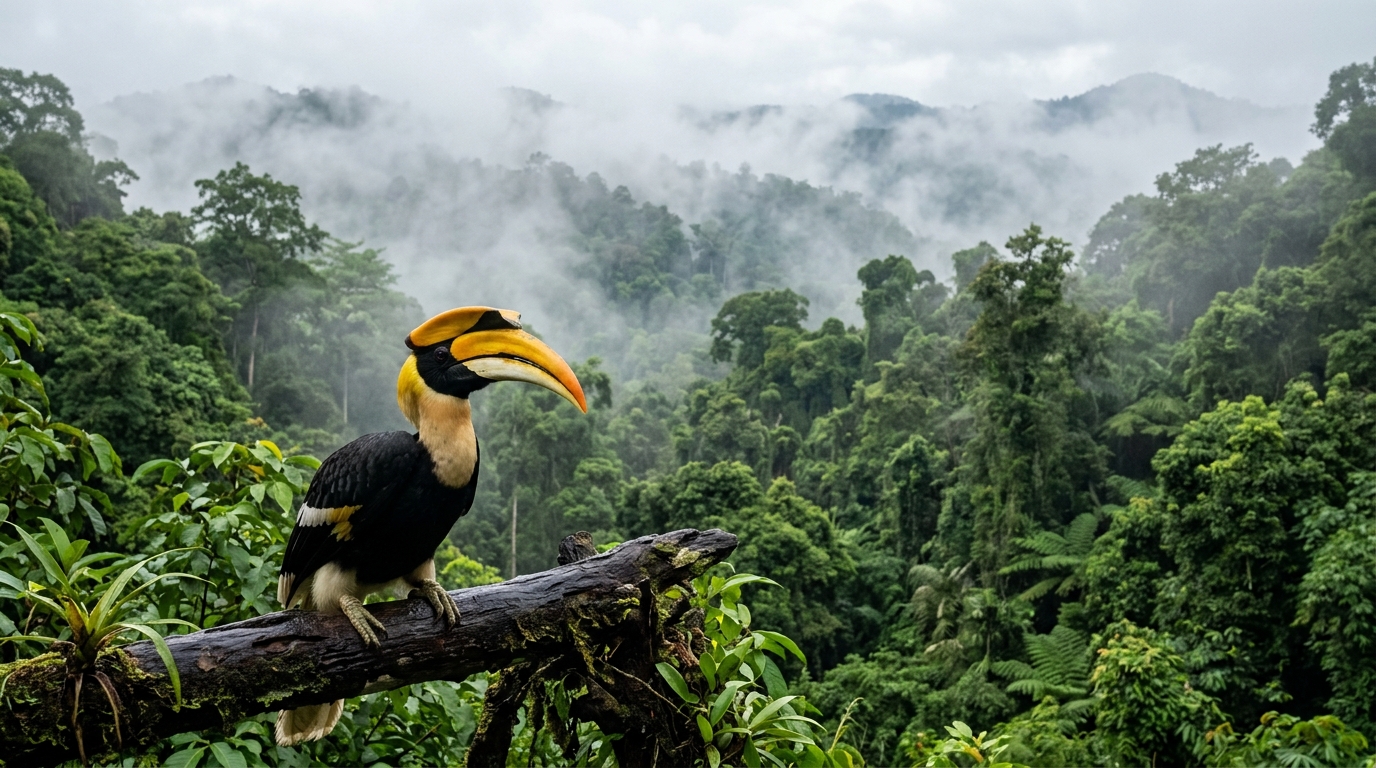
Located just a two-hour drive from Bangkok, Khao Yai is arguably the premier destination for ethical wildlife observation. I strongly advise against visiting captive elephant camps. Instead, come here to observe wild elephants, white-handed gibbons, and massive hornbills in their natural, unrestricted habitat.
I highly recommend basing yourself in the entry-point village of Pak Chong. Staying at a specialized lodge like the Greenleaf Guesthouse is critical; they provide necessary gear like thick ‘leech socks’ for deep forest hiking. The guides here are incredibly enthusiastic, often dragging heavy spotting scopes through thick brush just to ensure you get a clear view of a sun bear or monitor lizard in the canopy.
Khao Sok National Park
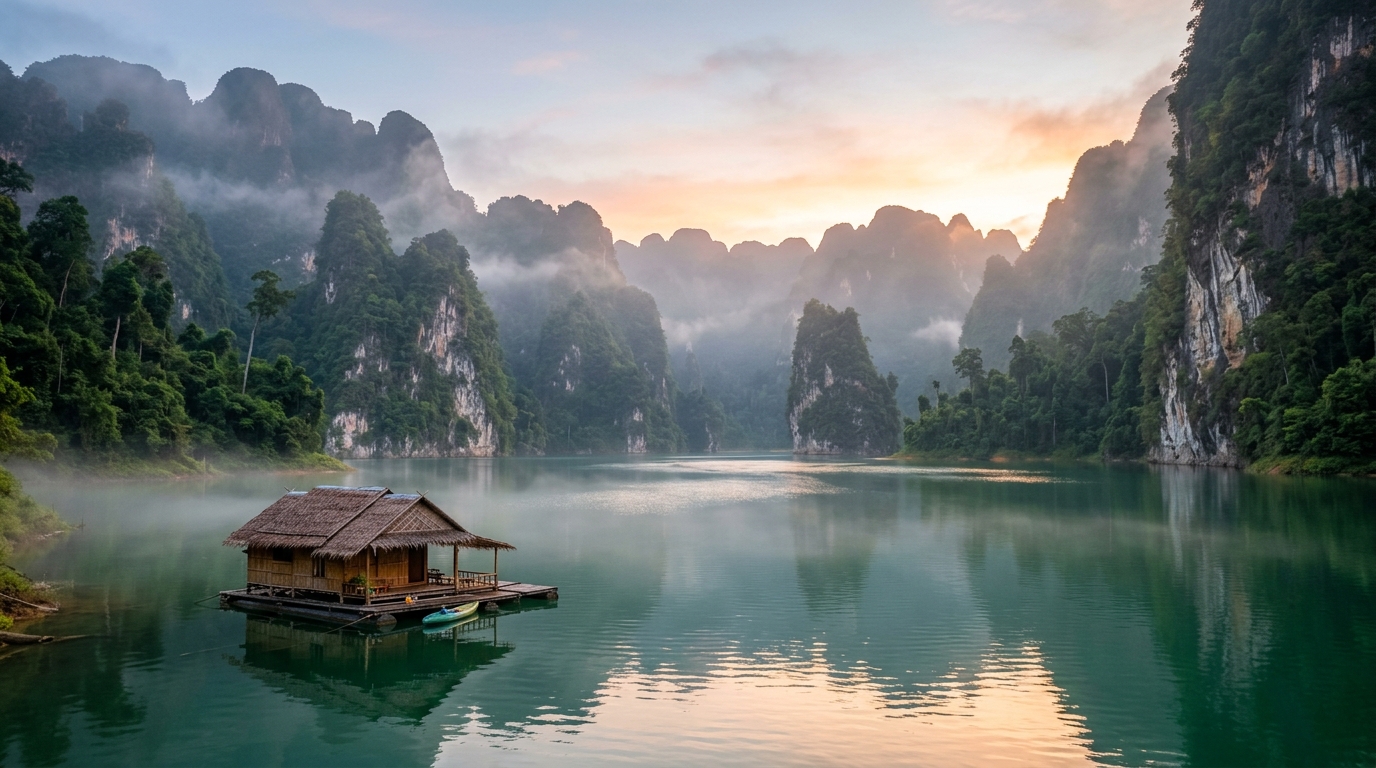
Situated in Surat Thani province, Khao Sok is recognized as the oldest evergreen rainforest in the world. The centerpiece is Cheow Lan Lake, a surreal body of water surrounded by towering, vertical limestone cliffs that look remarkably like the floating mountains from the movie Avatar.
Do not make the mistake of treating this as a quick day trip. Book an overnight stay in one of the floating raft houses directly on the crystal-clear water. Waking up to the sound of gibbons howling through the mist before the sun burns off the morning fog is unmatched.
Koh Chang’s Deep Jungle
Most people visit Koh Chang for the sand, but its mountainous interior hides dense, explorable jungle. To escape the standard tourist trails, you need local expertise. You can hire a local legend named Mr. Tan (reachable at +66 89-6452019), who spent years hand-carving his own private paths through the Klong Prao Trek. For roughly 1200 THB per person, he provides hotel transfers, lunch, and a guided hike that culminates in swimming in a pristine, crystal-clear deep-forest river that no other tourists have access to.
The Northern Altitudes: Mountains and Cold Climates
The northern provinces offer sharp geographical contrasts to the southern islands, featuring steep mountain roads, unique hill-tribe cultures, and drastically different weather patterns.
Phetchabun: The Thai Alps
Tourists typically pack exclusively for tropical heat, which is a massive error if you head to Phetchabun in the north-central region. Known locally as the ‘Thai Alps,’ the focal point here is Phu That Boek, a high-altitude campsite in Khao Kho National Park where you can literally look down at the clouds floating below the peaks.
I made the mistake of showing up to the northern mountains with only a light jacket. Daytime temperatures hover around 15°C, but at night, the temperature plummets to between 5°C and 10°C. For a 50 THB fee, you can pitch your own tent, or for 400 THB, rent a thick tent directly from the park rangers. Buying a bowl of hot soup from a local vendor while watching the sunrise over the freezing ridges is an incredibly unique Thai experience.
Mae Hong Son and Ethical Encounters
Mae Hong Son is a remote northwestern province sharing a border with Myanmar. To fully experience the region, confident drivers should rent a motorbike in Chiang Mai and ride the 800-kilometer ‘Mae Hong Son Loop.’
The region is home to refugee communities who fled conflict in Myanmar, including the Kayan tribe (known for the women who wear traditional neck rings). If you choose to visit, do so ethically. The author of a recent travel study deliberately sought an authentic village separated by a river, accessed only via a local’s boat. Always ask for explicit permission before taking photographs, and support the self-sustaining community by purchasing their handmade clothing and jewelry directly, rather than handing money to an outside tour operator.
Lampang and Wat Chaloem Phra Kiat
Located roughly a 2.5-hour drive from Chiang Mai, Wat Chaloem Phra Kiat is a staggering architectural feat. This complex of white stupas is perched precariously atop jagged limestone peaks, accompanied by the sound of hundreds of ringing bells.
The logistical effort naturally thins the crowds. The ticket office operates strictly from 7:30 AM to 4:30 PM, and entry costs 200 THB. After a steep, winding drive in the back of a local transport truck, you must physically hike a 400-meter vertical path to reach the summit. Arrive right at 7:30 AM to experience the serene atmosphere entirely alone.
Secondary Cities and Ancient Heritage
You do not always have to climb a mountain to escape mass tourism. Secondary Thai cities offer incredible architecture, authentic regional cuisine, and heavily preserved history without the commercial gloss of Bangkok.
Sukhothai Historical Park
If you want ancient history without the claustrophobia of Ayutthaya, travel 430 kilometers north of Bangkok to Sukhothai. Founded in the 13th century, this city served as the ancient capital of the first Kingdom of Siam.
The UNESCO World Heritage Site features 193 ruined temples and palaces spread across a massive landscape of natural ponds and frangipani trees. The focal point is Wat Mahathat, where you can see a stone Buddha head uniquely encased within the roots of a banyan tree. The absolute best way to explore the complex is by renting a bicycle. Stay until dusk, as the park activates specialized monument lighting that creates a distinctly magical atmosphere.
Chanthaburi: The City of the Moon
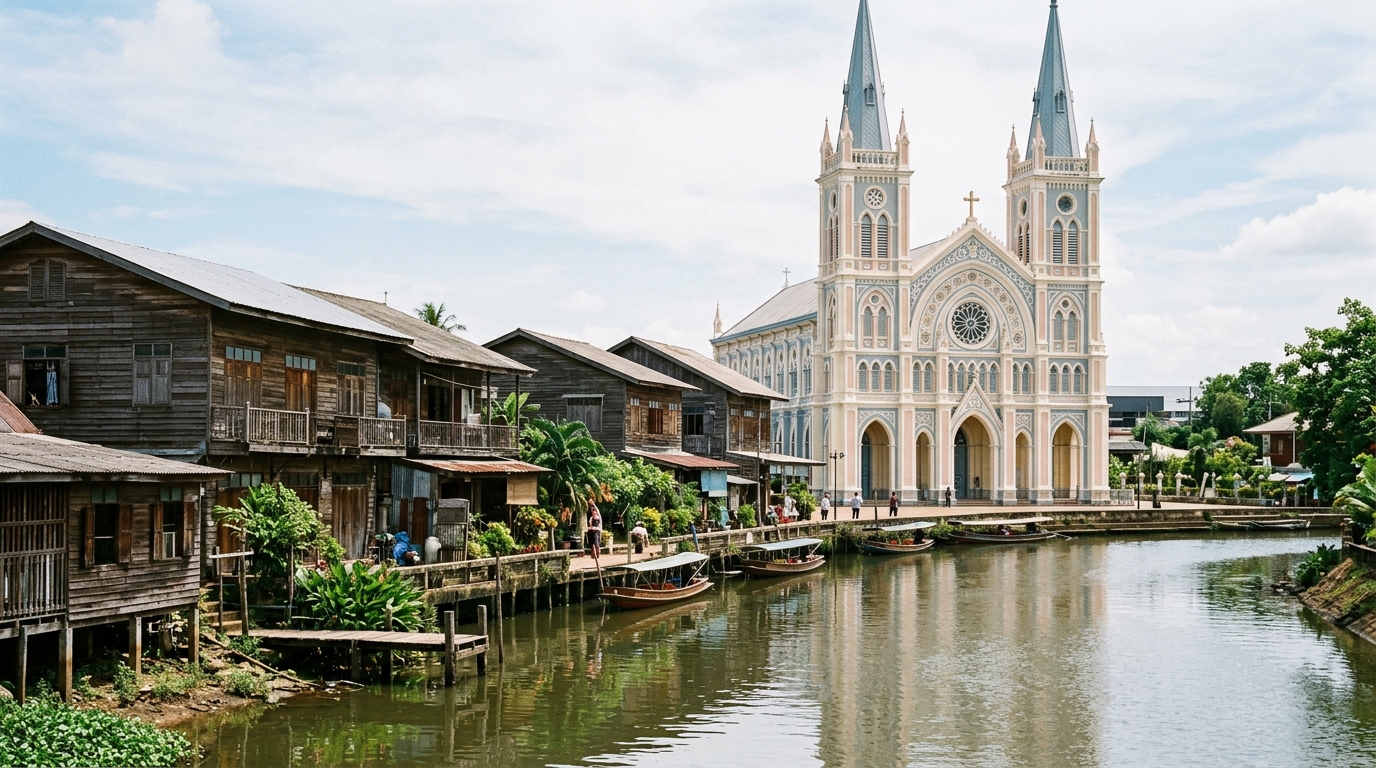
Heading southeast toward the Cambodian border brings you to Chanthaburi. I spent three days exploring the old town of Chanthaburi and honestly didn’t scratch the surface. The city is a geopolitical melting pot, heavily influenced by Thai, Chinese, Vietnamese, and French demographics.
The old town features pristine 19th-century buildings lining the riverfront. Most notably, it is home to the Notre Dame de l’Immaculée Conception, a striking Gothic cathedral built during the French occupation (1893–1905). Inside, you will find a statue of the Virgin Mary decorated with over 200,000 precious stones. Chanthaburi is internationally famous for its robust gem trade, making it an excellent place to observe international traders intensely haggling over raw stones.
Phayao and Betong
In the north, Phayao is centered around Kwan Phayao, a massive 20-square-kilometer freshwater lake that conceals a submerged 15th-century temple known as Wat Tilok Aram. The region is also home to the indigenous Thai Lue tribe, renowned for their ancestral cotton and silk weaving. Enjoying freshly grilled tilapia on the lakefront at sunset is a mandatory experience.
Conversely, in the extreme deep south near the Malaysian border sits Betong. This town is characterized by a complex modern history, notably the Piyamit tunnels. This intricate underground network spans nearly one kilometer and historically provided shelter for up to 200 insurgents of the Malay Communist Party. After navigating the dark tunnels, you can relax in the nearby natural hot springs.
Cost and Value Comparison
Getting off the main trail heavily reduces your daily food and accommodation expenses, though you may pay slightly more upfront for independent domestic transport. Here is a realistic breakdown of costs you can expect when visiting these remote outposts:
| Destination / Activity | Service / Item | Estimated Cost (THB) | Value Assessment |
|---|---|---|---|
| Koh Tarutao | Daily Bicycle Rental | 250 THB | Essential for navigating the car-free island. |
| Khao Kho (Phetchabun) | Park Tent Rental | 400 THB | Excellent value for overnight cold-weather views. |
| Lampang | Wat Chaloem Phra Kiat Entry | 200 THB | High value; fee includes the mountain truck transport. |
| Koh Chang (Jungle) | Mr. Tan’s Private Guided Trek | 1200 THB | Premium price, but guarantees an exclusive, private path. |
| Pai | Kho Ku So Bamboo Bridge | 30 THB | Extremely affordable entry for spectacular photography. |
| Erawan / Kanchanaburi | Foreign Adult Park Entry | 300 THB | Fair value, though it gets heavily crowded on weekends. |
Who Should Go Off the Beaten Path (And Who Should Not)
Leaving the established tourist trail is incredibly rewarding, but it requires a very specific travel temperament.
This is ideal for:
Independent Navigators: If you are comfortable renting a scooter, reading offline maps, handling cash transactions, and managing your own daily schedule without a dedicated tour guide holding your hand.
Nature Enthusiasts: Travelers who prioritize ethical wildlife viewing, deep forest hiking, and completely silent beaches over beach clubs, luxury shopping, and organized entertainment.
Budget Optimizers: Those willing to eat at local night markets, take slower public ferries, and stay in family-run guesthouses to stretch their travel funds significantly.
You might want to skip this if:
You Require 24/7 Amenities: Islands like Koh Tarutao physically shut off their electricity at night, meaning no air conditioning. If you need a perfectly climate-controlled environment to sleep, stick to the major resorts in Phuket or Samui.
You Have Limited Time: Reaching places like Mae Hong Son or Koh Mook requires half a day of dedicated transit involving buses, ferries, and puddle-jumpers. If you only have a five-day vacation, the travel logistics will eat up too much of your time.
- You Want Energetic Nightlife: The destinations listed above go completely dark after sunset. If you are looking for beach parties and late-night bars, you need to stay in places like Patong or Koh Phangan.
- www.travelcentre.us
- gotothailand.com
- www.en-vols.com
- thealwayswanderer.com
- visatravelphiphi.com
Common Mistakes to Avoid
Even highly experienced travelers can stumble when navigating rural Thai regions. Avoid these two major pitfalls:
1. Relying on Local Taxis in Remote Provinces
I assumed I could just flag down a taxi like in Bangkok when I visited the coastal district of Khanom. This was a costly error. In rural areas, local taxis operate as private monopolies and charge exorbitant, non-negotiable rates for very short distances. You absolutely must rent a scooter or hire a rental car from the airport if you want to explore places like Nakhon Si Thammarat affordably.
2. Treating Every Location Like a Tropical Beach
Assuming the entire country is hot and humid year-round is a massive error that leaves many tourists freezing. If you plan to ride the Mae Hong Son loop or camp in Phetchabun between November and January, you will be miserable if you only packed shorts and sandals. The northern altitudes require proper hiking shoes and thermal layers for the evenings.
Frequently Asked Questions
Is it safe to travel off the beaten path in Thailand?
Yes, Thailand is generally very safe for independent travelers. Petty crime like pickpocketing is actually much lower in rural communities than in major tourist hubs like Bangkok. The primary safety concerns are road conditions when driving scooters and natural hazards like strong ocean undertows or steep, slippery jungle trails. Always wear a helmet and proper footwear.
Do I need to speak Thai to visit these lesser-known places?
While English is heavily spoken in Bangkok and Phuket, proficiency drops significantly in places like Phayao or Chanthaburi. However, using basic pointing, translation apps on your phone, and maintaining a polite smile are usually more than enough to navigate ordering food, buying bus tickets, and securing transport. Locals in rural areas are exceptionally patient.
Are the southern islands open year-round?
No. This is a crucial logistical detail. Many remote marine parks, particularly Koh Tarutao and parts of the Andaman coast, have strict seasonal closures during the monsoon season (typically from mid-May to mid-October) to allow the ecosystem to recover and due to dangerous sea conditions.
What is the best way to book accommodation in remote areas?
Major booking platforms often miss small, family-run guesthouses in villages like Pak Chong or Khanom. While you can book your first night online to be safe, the best approach is often to find a town’s central area and walk in to inspect rooms personally. For specialized stays like the floating rafts in Khao Sok, booking directly through local agency websites a few weeks in advance is highly recommended.
Conclusion
Traveling off the beaten path Thailand is not about uncovering secrets that no human has ever seen; it is about choosing logistical friction over immediate convenience. By enduring a bumpy two-hour bus ride, a rocky four-hour ferry crossing, or a steep mountain climb, you successfully filter out ninety-nine percent of the general tourist population. Whether you are swimming through the pitch-black Emerald Cave in Koh Mook, camping in the freezing mist of Phetchabun, or haggling over mangosteens in Chanthaburi, the effort required to reach these uncrowded edges of the country is consistently paid back in full. Rent the scooter, pack a warmer jacket, and step away from the massive crowds to experience the country on your own terms.