


Executing a successful North Vietnam itinerary 14 days route requires balancing the intense urban energy of Hanoi with the profound silence of the northern karst mountains. When I first attempted to navigate this region, I completely underestimated the sheer scale of the landscape and the physical toll required to travel between destinations. Northern Vietnam is a massive, wild buffer zone wrapping around the Red River Delta, stretching hundreds of kilometers to the Chinese and Laotian borders. It demands respect, careful routing, and a willingness to embrace minor discomfort for major geographical rewards.
This guide strips away the romanticized marketing fluff to give you the exact logistics, costs, and routes needed to navigate this complex region. From the 1,000-year-old history of the capital to the jagged peaks of the Ha giang loop, we will break down exactly how to structure your days, where to spend your money, and which heavily marketed traps to avoid entirely.
Quick Summary
Optimal Duration: Two weeks allows you to complete both the coastal waterways and the extreme northern mountain loops without severe travel exhaustion.
Transport Logistics: Rely on the vintage sleeper trains for mountain access to Lao Cai and local ferries for the coast. Expect average road speeds in the mountains to rarely exceed 40 kilometers per hour.
Weather Realities: Avoid the deep monsoon season (July to August) when landslides frequently trap travelers. Aim for the golden harvest season in September to October.
Permit Requirements: Traveling the extreme northern border regions like Ha Giang and Cao Bang requires specific police permits and an international driver’s license if riding a motorbike.
Cultural Hubs: Time your mountain visits to align with local lunar markets, such as the Bac Ha Sunday market, to see the region’s 54 distinct ethnic minority groups.
The Direct Answer: How to Structure Your Trip
If you have two weeks, the most efficient North Vietnam itinerary follows a figure-eight pattern starting and ending at Noi Bai International Airport (HAN). You should dedicate two days to acclimatizing in Hanoi, two days heading south to the limestone valleys of Ninh Binh, two days exploring the coastal archipelago via Cat Ba Island or Lan Ha Bay, three days in the northwestern mountains around Sapa or Pu Luong, four days tackling the remote northeastern frontier of Ha Giang, and one final day returning to Hanoi.
Do not attempt to squeeze this exact route into seven days. The geography simply does not allow it. A 45-minute flight might connect major cities in the south, but northern travel relies almost entirely on winding, two-lane mountain passes. If you are restricted to a single week, you must choose between the coast (Halong/Ninh Binh) and the mountains (Sapa/Ha Giang) to avoid spending 70% of your vacation looking out the window of a transit van.
Trip Logistics: Weather, Transport, and Timing
Before diving into the day-by-day breakdown, you must understand the environment you are entering. The north operates under a completely different climate system than southern hubs like Ho Chi Minh City.
Navigating the Seasons
The best time to execute this itinerary is during the shoulder months: September to November, and March to May. If you arrive in late September, you will catch the golden harvest season when the terraced rice paddies turn a brilliant, photogenic yellow. If you arrive in May, you will witness the “pouring water” season, where the flooded terraces act as massive geometric mirrors reflecting the sky.
I made the mistake of visiting Sapa in late October during an unusually late monsoon system. The mountains were completely choked in fog, the trails were knee-deep in brown mud, and the famous views were non-existent. From June to August, the north experiences massive, torrential downpours. Unsealed roads turn to deep mud, bridges wash out, and severe landslides are common.
Getting Around
Motorbike/Scooter: The most economical and liberating way to travel, but only if you are highly experienced. The mountain passes are incredibly steep.
Sleeper Buses: The most practical public transit. Overnight sleeper buses efficiently connect major hubs, though they are built for smaller frames. An 8-hour overnight trip from Hanoi to Sapa is standard.
Trains: Limited but atmospheric. The tracks run from Hanoi to Lao Cai (an hour outside Sapa). Operators like the Chapa Express attach wood-paneled sleeping carriages to state trains.
Private Car: Expensive, but the safest option for navigating the terrifying hairpin turns of the Dong Van Karst Plateau if you lack motorcycle experience.
Days 1-2: Hanoi’s Organized Chaos
Hanoi is the cultural and logistical anchor of any northern adventure. Founded in 1010 under the Ly Dynasty and originally named Thang Long (Ascending Dragon), the city is a collision of French colonial architecture, ancient pagodas, and an overwhelming volume of scooter traffic. The sensory overload here is immediate. The air smells like exhaust fumes mixed with roasting pork, and the sidewalks are entirely occupied by tiny plastic stools.
Essential Historical Stops
Base yourself in the Old Quarter. From here, you can walk to the Temple of Literature. Constructed in 1070 as Vietnam’s first university to honor Confucian values, it features 82 stone steles dating from 1442 to 1779 that record the names of royal scholars. It offers a surprisingly quiet courtyard away from the traffic.
Next, visit the Ho Chi Minh Mausoleum complex and the nearby Hoa Lo Prison. Known ironically by American POWs as the “Hanoi Hilton,” Hoa Lo provides a sobering look into both the French colonial period and the Vietnam War.
The Cafe Culture and Street Food
Hanoi’s café culture is globally elite. Skip the hotel breakfasts and head to Hidden Alley Coffee or Café Giang for their famous egg coffee (ca phe trung). This drink was invented out of necessity due to historical milk taxes and rationing; locals used whipped egg yolks to mimic milk foam.
For meals, locate Bun Cha Huong Lien or explore the stalls on Hang Buom street. Bun Cha consists of grilled pork meatballs served in cold broth with rice noodles and fresh herbs. The northern version of Pho is also distinct here—expect a clear broth that is notably less sweet than the southern variations.
Days 3-4: Ninh Binh and the Terrestrial Karsts
Located about two hours south of Hanoi by train or bus, Ninh Binh is frequently referred to as “Ha Long Bay on land.” It features the same striking limestone karst formations, but instead of ocean water, they rise abruptly out of flat, neon-green rice paddies and winding river systems.
Navigating Trang An and Hoa Lu
The centerpiece of this region is the Trang An Scenic Landscape Complex. Local women row small metal boats using their feet, navigating through incredibly low, dark limestone caves. Arrive right when they open at 7:00 AM to beat the massive influx of domestic tour buses. When I took the nearby Tam Coc boat ride, I asked the driver to stop just after the first cave, revealing a hidden, incredibly steep stone stairway that led to a spectacular viewpoint most tourists float right past.
Nearby sits the Hoa Lu Ancient Capital. While mostly in ruins, this 1,000-year-old imperial site dedicated to the Dinh and Le dynasties provides crucial historical context.
If you want panoramic photographs, brace yourself for a steep, exhausting climb. The Hang Mua (Mua Cave) viewpoint requires hauling yourself up 500 uneven stone steps. Do this at dawn to watch the sunrise over the Tam Coc valley.
While in Ninh Binh, seek out Com Lam—sticky rice cooked inside bamboo tubes, typically served with heavily spiced grilled mountain goat.
Days 5-6: The Coastal Archipelago (Cat Ba & Lan Ha)
Many travelers simply book a standard overnight “junk boat” cruise in Ha Long Bay. Having done this, I found the core bay to be heavily over-commercialized, with dozens of boats following the exact same route to the exact same crowded caves like Sung Sot (Surprise Cave) and Ti Top Island.
Instead, route your itinerary toward Cat Ba Island, the largest island in the archipelago. It features a UNESCO Biosphere Reserve and offers access to the significantly quieter Lan Ha Bay.

The DIY Coastal Route vs. Cruises
To get there, take a bus from Hanoi to Hai Phong, followed by a ferry. I once booked the absolute cheapest public cargo ferry from Tuan Chau to Cat Ba thinking I’d save about $15. Turns out, the painfully slow, choppy three-hour ride on a rusty boat reeking of diesel completely ruined my afternoon. Pay the slight premium for the fast hydrofoil—it takes 45 minutes and is entirely worth the extra cost.
Once on Cat Ba, rent a scooter to explore Cat Ba National Park. For ocean exploration, a day-trip boat cruise through Lan Ha Bay starts around $55 USD. You can kayak through quieter lagoons, swim in emerald waters, and eat fresh green mussels pulled straight from local floating farms.
Days 7-9: The Northwest Mountains (Sapa or Pu Luong)
From the coast, return through Hanoi to head northwest into the Hoang Lien Son mountain range. The shift in altitude is severe. You will cross passes like Khau Pha (1,550 meters) and O Quy Ho (2,047 meters)—the highest mountain pass in Vietnam.
The Reality of Sapa
Sapa is a former French hill station known for towering mountains and expansive terraced valleys. However, the town center has grown highly commercialized, packed with concrete hotels and aggressive vendors. Use the town strictly as a logistical base.
From Sapa, you have two main objectives. The first is Mount Fansipan, the 3,147-meter “Roof of Indochina.” You can either subject yourself to a grueling multi-day trek or take the record-breaking cable car system to the summit. The second objective is getting out of the town and into the rice terraces of the Muong Hoa valley.
For a truly authentic experience, bypass the crowded Cat Cat village. Instead, head toward Ta Van or Lao Chai to trek through traditional Hmong and Red Dao villages. At night, visit the Sapa night market to try Thang Co, a highly traditional and deeply polarizing soup made from horse meat and offal.
The Alternative: Pu Luong Nature Reserve
If you want to avoid the crowds of Sapa entirely, reroute to the Pu Luong Nature Reserve. Located closer to Ninh Binh, Pu Luong offers an untouched paradise featuring terraced rice fields, waterfalls, and authentic stilt houses belonging to the Thai ethnic minority, with a fraction of the commercial infrastructure.
Days 10-13: The Ha Giang Loop and the Frontier
If Sapa is the accessible commercial hub of the mountains, Ha Giang is the raw, adrenaline-heavy frontier. Located in the extreme northeast bordering China, the Dong Van Karst Plateau is a UNESCO Geopark featuring jagged, black limestone peaks that look like dragon teeth.

Driving the Loop
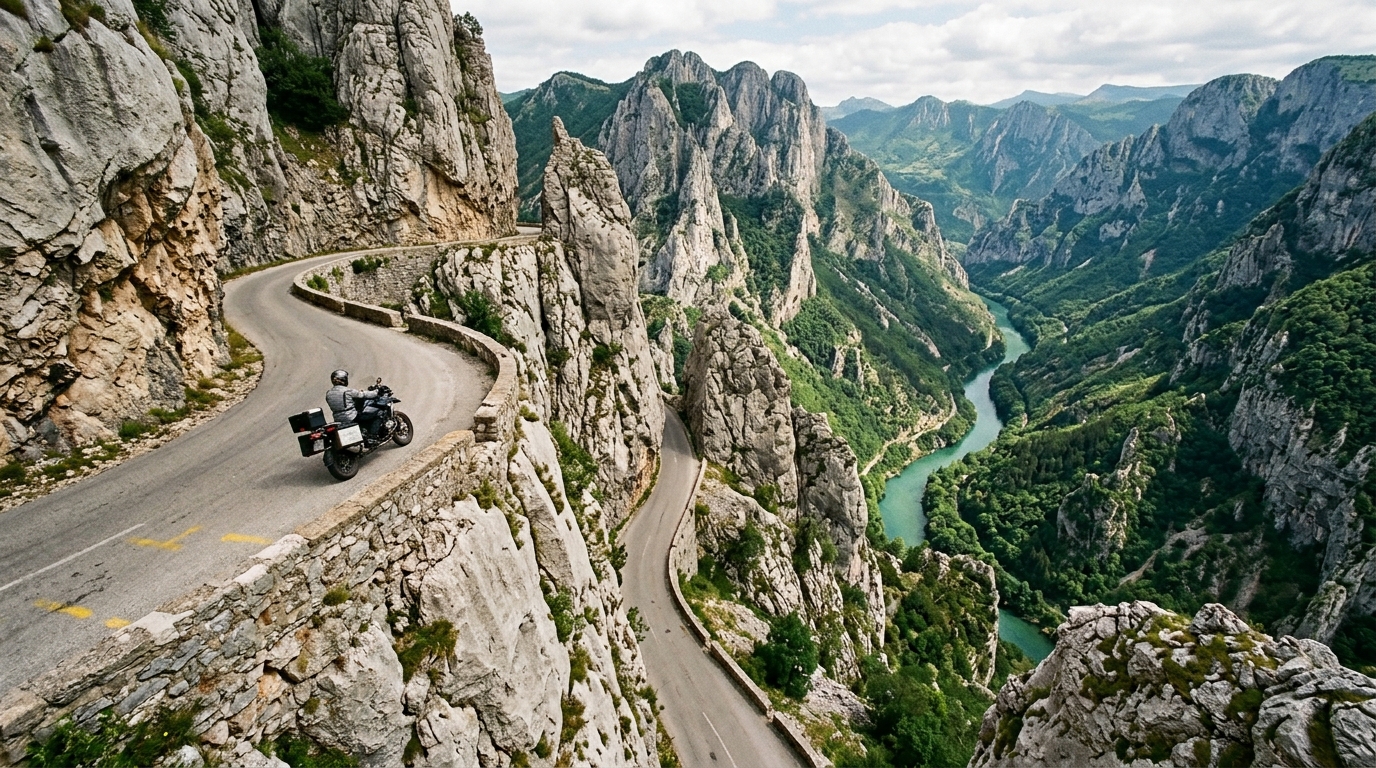
The legendary 350-kilometer Ha Giang Loop is considered the greatest road trip in Southeast Asia. The undisputed highlight is the Ma Pi Leng Pass. Sitting at 1,200 meters, it features a road carved directly into the cliffside offering massive, vertigo-inducing drops down to the Nho Que River.
Along the route, you must visit the Lung Cu Flag Tower, the absolute northernmost tip of Vietnam. Reaching the flag requires climbing 389 stone steps followed by 140 spiral stairs inside the tower itself.
You should also align your trip with the local mountain markets, such as the Dong Van weekly market or the Bac Ha Sunday market. These serve as vital social hubs where you can witness buffalo auctions, rooster fighting, and men drinking copious amounts of local corn wine. Stop to see the Vuong Palace in Dong Van, a 64-room mansion completed in 1903 for the local Hmong King.
The Far East Alternative: Cao Bang and Ban Gioc
If you have a fast pace, some travelers push even further east to Cao Bang Province. Here you will find the Ban Gioc Waterfall, the 4th largest cross-border waterfall in the world, spanning 700 feet wide and dropping 300 feet. Nearby is the Nguom Ngao Cave, a 2-mile-long underground labyrinth. If you go, look for the dimly lit staircase near the exit that leads to “The Lotus Chamber,” a beautifully illuminated natural room most tours skip.
Day 14: Return to Hanoi and Departure
The drive from Ha Giang back to Hanoi takes roughly 6 to 8 hours depending on road conditions. Spend your final afternoon doing souvenir shopping at local handicraft markets, walking around Hoan Kiem Lake, and preparing for your flight out of Noi Bai International Airport.
Who Should Travel Here (And Who Should Not)
This itinerary is ideal for:
Active Adventurers: If you enjoy hiking, riding motorbikes, and navigating chaotic street markets, the northern mountains will exceed your expectations.
Cultural Enthusiasts: With 54 distinct ethnic minority groups, the ethnographic diversity in regions like Bac Ha, Ha Giang, and Mai Chau is unparalleled.
Photographers: From the mirrored rice paddies of Mu Cang Chai to the fog-draped karsts of Ninh Binh, the landscape is staggering.
You might want to skip this route if:
You require high-end luxury infrastructure everywhere: Outside of Hanoi, Sapa, and Ha Long Bay, luxury hotels simply do not exist. In places like Ha Giang, you will be sleeping on floor mats under mosquito nets in homestays.
You suffer from severe motion sickness: You cannot avoid the mountain roads. They are long, winding, heavily potholed, and shared with massive transport trucks.
- You only want pristine beach resorts: Northern Vietnam is about mountains, caves, and culture. If you want white sand and cocktails, head to Phu Quoc in the south.
- auasiatravel.com
- nomadicated.com
- sungetawaystravel.com
- asiavivatravel.com
Cost & Value: Budgeting Your Northern Adventure
Northern Vietnam is exceptionally affordable, but costs vary wildly depending on your comfort level. A fully guided, mid-range 14-day private tour (including a driver, guides, and hotels) typically runs between $880 and $1,400 per person. If you are traveling independently, refer to the breakdown below.
| Expense Category | Budget / Backpacker (Per Day) | Mid-Range Traveler (Per Day) | Premium / Luxury (Per Day) |
|---|---|---|---|
| Accommodation | 150,000 – 300,000 VND ($6 – $12) | 800,000 – 1,500,000 VND ($32 – $60) | 3,000,000+ VND ($120+) |
| Food & Drink | 150,000 VND ($6) | 400,000 VND ($16) | 1,200,000+ VND ($48+) |
| Local Transport | 100,000 VND ($4) | 350,000 VND ($14) | 1,500,000+ VND ($60+) |
| Activities/Entry | 100,000 VND ($4) | 500,000 VND ($20) | Highly Variable |
Common Mistakes to Avoid in Northern Vietnam
Mistake 1: Booking “Fake” Homestays in the Mountains
True traditional homestays are becoming increasingly rare. When I traveled through the northern valleys, I noticed dozens of budget hotels and luxury eco-lodges marketing themselves as “homestays” while offering private, air-conditioned concrete bungalows. A genuine homestay involves sleeping under the same roof as a local family in a carved wood and bamboo stilt house, sharing meals of local pork, and drinking home-brewed wine. If you book online on platforms like Agoda or Booking.com, scrutinize the photos carefully—if it looks like a standard hotel room, you are missing the cultural experience entirely.
Mistake 2: Riding Motorbikes Without Legal Licensing
Travel vloggers make the Ha Giang loop look like a lawless free-for-all. It is not. The roads feature giant potholes, fallen rocks, and unpredictable livestock. More importantly, local police frequently set up checkpoints on the main highways out of Ha Giang town. If you do not possess an International Driving Permit (IDP) specifically endorsed for motorcycles, your bike will be impounded, and you will face a heavy fine.
Frequently Asked Questions
Do I need a special permit to visit Ha Giang or Cao Bang?
Yes. Because Ha Giang and Cao Bang provinces border China, they are considered protected frontier zones. You are legally required to purchase a permit (usually around $10 USD) to stay overnight. Most hotels, homestays, and motorbike rental shops in Ha Giang town will process this paperwork for you upon arrival, but you must have your physical passport or clear photos of your ID and visa pages ready.
Is the water safe to drink in Northern Vietnam?
No. Tap water is absolutely not safe for foreign travelers to drink anywhere in Vietnam. You must rely on bottled water, filtered water provided by reputable hotels, or boiled water. When eating street food in Hanoi, the ice used in drinks is generally produced in commercial factories using purified water and is safe, but skip the ice if you have a highly sensitive stomach.
How much cash should I carry in the mountains?
While Hanoi operates largely on cards and mobile payments, the northern mountains operate almost entirely on cash. There are ATMs in major hubs like Sapa and Ha Giang town, but once you enter the smaller villages or begin the loops, access to cash disappears entirely. Calculate your estimated daily budget for food, fuel, and lodging, and carry enough Vietnamese Dong to cover the entire mountain segment of your trip.
Conclusion
Executing a 14-day North Vietnam itinerary requires trading absolute comfort for genuine adventure. The cities will overwhelm you with noise, the mountain roads will test your stomach, and the weather will inevitably disrupt at least one of your carefully laid plans. Yet, this is exactly what makes the region so compelling.
Whether you are wandering the silk streets of the Old Quarter, hauling yourself up 500 stone steps in Ninh Binh, or drinking corn wine with a local family in a wooden stilt house in Ha Giang, the north demands your full attention. Secure your mountain transport early, skip the generic luxury cruises in favor of the quieter coastal islands, and do not underestimate the sheer scale of the highland roads. Start your planning by locking in your flights to Hanoi and reserving your sleeper train tickets, as the best mountain routes sell out weeks in advance during the peak autumn harvest season.