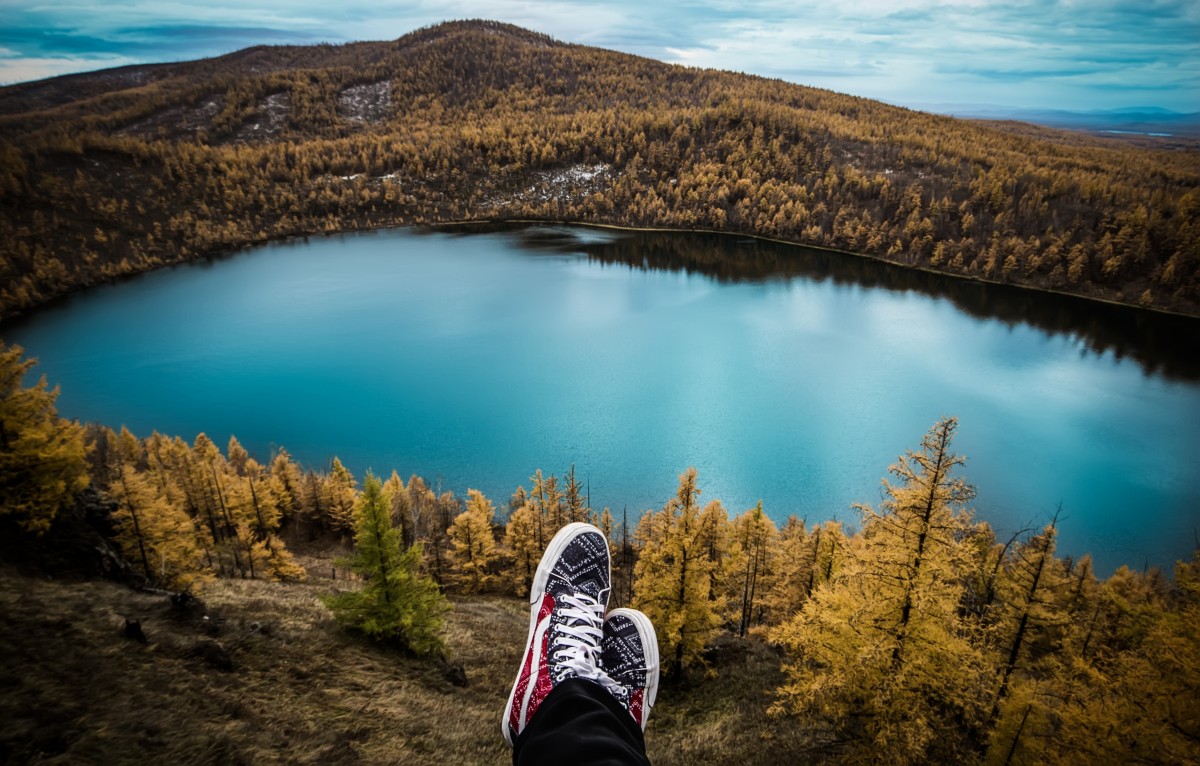
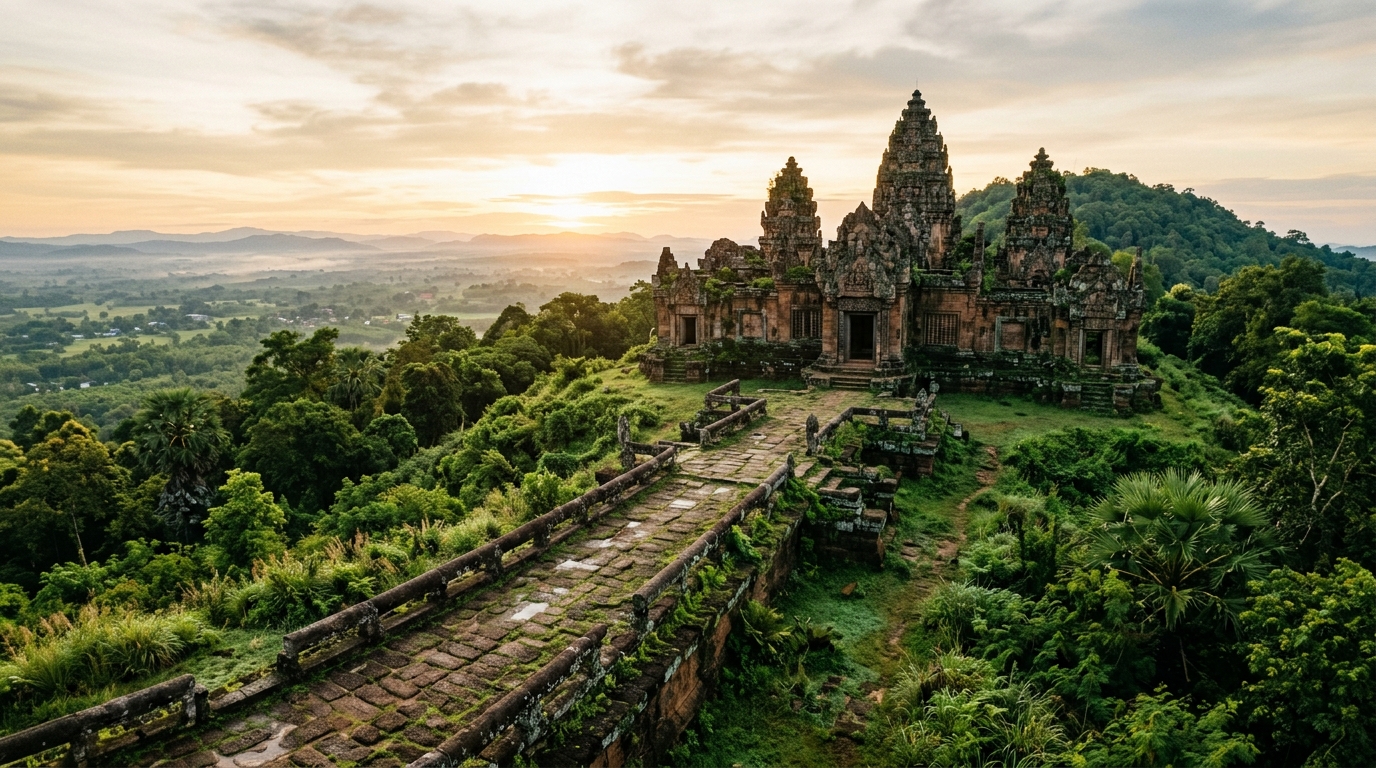

Finding true solitude off the beaten path Thailand requires a deliberate willingness to trade air-conditioned minivans for dusty local buses, and crowded resort buffets for roadside noodle stalls. While the country receives roughly 39 million annual visitors, the vast majority of these tourists remain trapped in a highly developed, predictable circuit. They funnel into central Bangkok, fly directly to Chiang Mai, and spend their remaining days fighting for towel space on the heavily commercialized beaches of Phuket or Krabi. However, the country is massive—roughly the size of Spain or California—meaning it is entirely possible to discover ancient Khmer cities, deserted island archipelagos, and highland tea villages that remain completely isolated from mass commercialization.
I spent months navigating the extreme fringes of this country, relying on offline maps, physical translation books, and hand gestures when English disappeared entirely. I booked the cheaper cargo ferries thinking I would save a few dollars, only to realize that a four-hour ride in choppy waters alongside bags of rice and live chickens requires an iron stomach. Yet, these imperfect, rugged journeys are exactly what lead to the most authentic experiences in Southeast Asia. This guide breaks down exactly how to reach the remote corners of the country, the logistical realities of getting there, and the actual costs of traveling where standard tourist infrastructure simply does not exist.
Quick Summary
Venture to the extreme borders: The most fascinating cultural intersections happen on the fringes, such as the Burmese-influenced villages of Mae Hong Son or the Laotian border towns along the Mekong River.
Prepare for microclimates: Northern highland camping spots like Phetchabun routinely drop to 5°C at night. You must pack proper winter gear, not just standard beachwear.
Expect rugged logistics: Isolated destinations often mean zero Wi-Fi, tightly restricted electricity hours, aggressive local wildlife, and heavily delayed transport.
Rent your own wheels: Reaching remote mountain temples and national parks strictly requires renting a motorbike or a car, as rural taxi services are virtually non-existent.
Watch the monsoon calendar: Many southern marine parks and remote islands completely shut down to visitors from mid-May to mid-October due to dangerous sea conditions.
The Reality of Remote Travel: A Direct Answer
If you want to know how to actually get off the tourist trail, the answer comes down to deliberate geography and logistical effort. You must completely avoid the heavily marketed “Golden Triangle” routes and the primary Andaman Sea island-hopping packages. Instead, aim for the deep northwestern border of Myanmar, the vast northeastern Isan region bordering Laos, or the extreme southern islands near the Malaysian border.
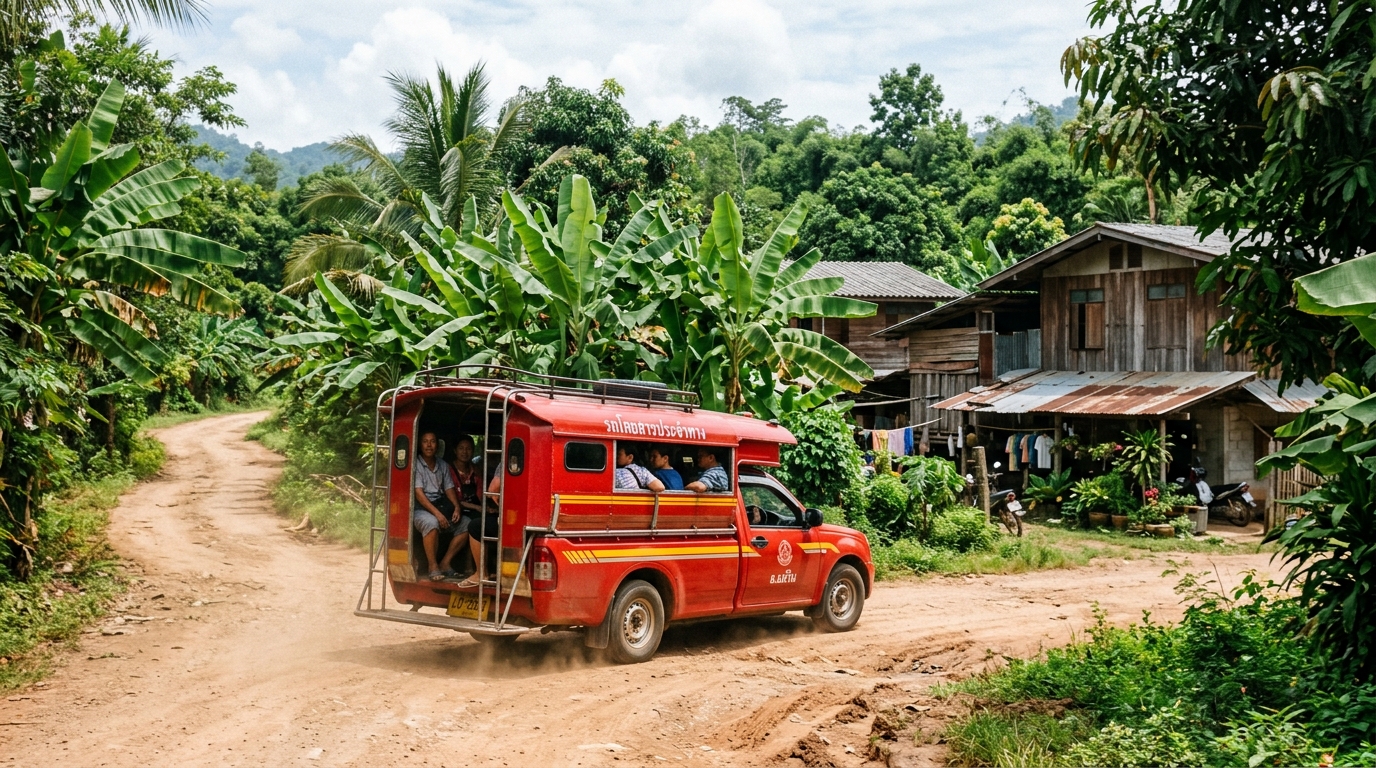
To execute this successfully, you must swap short one-hour domestic flights for 10-hour overnight government buses. You must accept that conveniences like 24-hour electricity, high-speed internet, and English-speaking concierge staff are incredibly rare. You will be trading luxury thread counts for 400 THB ($12 USD) national park tents, and seamless guided tours for navigating cargo ferry schedules alongside locals. The reward for this physical and mental effort is absolute tranquility, dramatically lower prices (easily surviving on $35 to $40 USD per day), and genuine interactions with rural farming communities and domestic Thai travelers.
The Northern Frontiers: Beyond Chiang Mai
When most tourists think of northern Thailand, they picture the coffee shops, co-working spaces, and crowded night markets of Chiang Mai. But if you push just a few hours further toward the edges of the map, the landscape and the demographics shift dramatically.
Mae Hong Son and the 1095 Route
Located in the mountainous northwest, bordering Myanmar, Mae Hong Son offers a distinct cultural blend. Reaching this province usually involves tackling the famous “Mae Hong Son Loop” by motorbike. The route from Chiang Mai to the town of Pai (Route 1095) is notorious, featuring exactly 746 steep, winding curves. I strongly advise against attempting this ride unless you are a highly confident motorbike rider. Police checkpoints frequently issue 500 THB fines to foreigners driving without proper international licensing, and the steep mountain drop-offs are unforgiving.
Further past Pai, you will encounter the Kayan tribal villages. These communities are home to refugees who fled conflicts in Myanmar. While some areas have unfortunately devolved into heavily commercialized human zoos, you can still find authentic, rarely visited villages separated from the mainland by rivers. If you visit, follow strict ethical guidelines: support the local economy by purchasing handmade jewelry directly, and never photograph the residents without explicitly asking for their permission first.
Lampang and the Mountain Temple
Just a 90-minute journey south of Chiang Mai sits Lampang, a relaxed riverside town that feels decades removed from modern development. The primary reason to visit this region is Wat Chaloem Phra Kiat. Perched on a rocky hill roughly 60 kilometers outside the city, this temple features white floating pagodas built directly onto jagged limestone peaks.
Entry costs 200 THB for adults, which includes a steep truck ride up the lower mountain. However, the truck only takes you part of the way. I remember my thighs burning during the final 400-meter vertical climb on foot. It is a grueling, sweaty ascent, but arriving at the summit early in the morning, listening to the wind hit the brass temple bells while looking out over the vast green valley below, is entirely worth the physical toll.
Nan Province and the 800-Year-Old Salt Wells
Pushing toward the far eastern edge of the northern region brings you to Nan Province, bordering Laos. This sleepy area is renowned for its traditional Lanna culture and golden rice paddies. For a truly obscure historical site, drive out to the Bo Klua Salt Wells. These remote mountain wells have been in continuous operation for over eight centuries. Locals pull millennia-old ocean brine trapped deep underground and boil it over massive wood fires. The air smells heavily of woodsmoke and damp earth, offering a fascinating, unpolished look at historical agricultural survival.
Isan: The Forgotten Northeast
Often colloquially referred to as the “Texas of Thailand,” the Isan region is the country’s vast agricultural heartland. Despite housing exactly 33 percent of the nation’s native population, Isan receives a staggering 0.31 percent of Thailand’s overall annual tourists. It is the ultimate destination for pre-westernization authenticity.
Phanom Rung: The Quiet Volcano Temple
Set dramatically on the rim of an extinct volcano in Buriram Province, Phanom Rung is the largest and most intact Hindu-Khmer monument in the country. Built between the 10th and 13th centuries, the architecture feels remarkably similar to Angkor Wat in neighboring Cambodia, complete with intricate stone carvings and long laterite processional walkways.
The massive difference between the two sites is the atmosphere. At Angkor Wat, you are constantly fighting for walking space among thousands of tour groups and selfie sticks. At Phanom Rung, you can explore the ancient, moss-covered stone corridors almost entirely alone. The silence here is profound, broken only by the sound of local monks sweeping the stone courtyards.
Khao Yai National Park: Ethical Wildlife Tracking
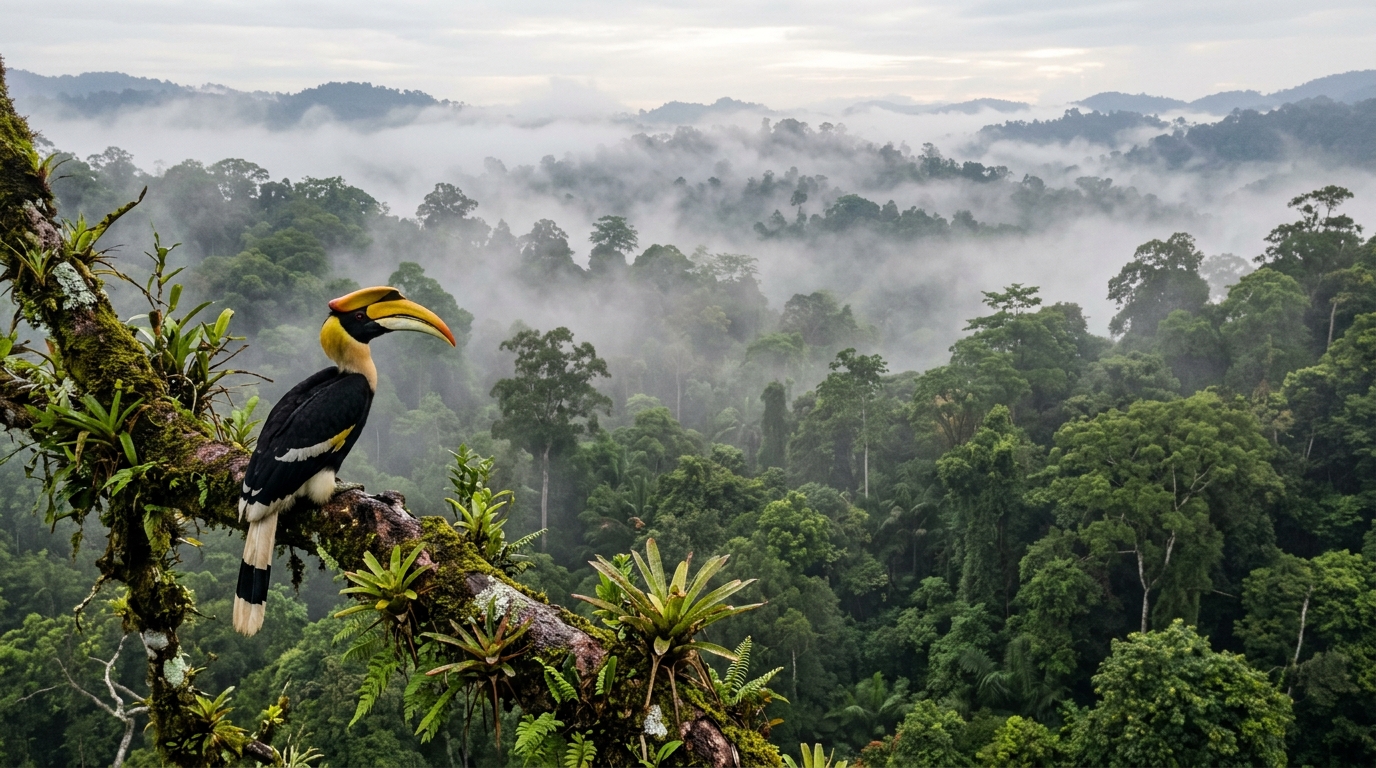
Located a few hours northeast of Bangkok, Khao Yai is Thailand’s oldest national park and one of the absolute best locations in Southeast Asia for ethical wildlife observation. Forget the abusive elephant riding camps found in major tourist hubs; here, wild elephants roam freely through dense jungle corridors.
The park features seven distinct hiking trails. The Haew Suwat trail is a short 0.8-kilometer walk leading to a 65-foot waterfall, while the intense Nong Pak Chi trail covers 7 kilometers of deep brush. I highly recommend booking a local guide and staying at the Greenleaf Guesthouse nearby. They provide essential jungle gear, including leech socks. I completely underestimated the jungle humidity here and got soaked in a sudden afternoon downpour, but seeing a massive wild Great Hornbill fly through the canopy made the thick mud worth it.
Deep South and Uncharted Islands
The islands of the Andaman Sea and the Gulf are famous worldwide, but beyond the heavily developed party beaches of Koh Phi Phi and Phuket lie completely isolated marine reserves.
Koh Tarutao: The Former Prison Island
Located a 30-minute speedboat ride from Koh Lipe in the far south, Koh Tarutao is Thailand’s largest marine park. From the late 1930s to the 1940s, this massive island served as a brutal penal colony holding over 3,000 political prisoners and common criminals. Because of its dark history, many domestic Thai travelers maintain superstitions about lingering spirits and actively avoid visiting the island.
The result is miles of entirely deserted, pristine white-sand beaches. This is not a luxury destination by any metric. Accommodations lack air conditioning, electricity is tightly rationed to a few evening hours, and troops of wild macaques roam freely. You can rent a bicycle for about 250 THB per day to navigate the dirt tracks. Keep in mind that the entire national park completely closes to the public from May 15th to October 15th during the dangerous monsoon season.
Trang Province: Koh Kradan and Koh Mook
Just north of the Malaysian border lies the Trang archipelago. Koh Kradan is a tiny, peaceful island that feels like a private wellness retreat. Notably, it has zero actual roads and no permanent local villages—just a few eco-resorts scattered along the sand. The coral reefs here are vibrant and teeming with marine life.
Nearby Koh Mook offers a slightly more developed local village feel. Visiting feels like stepping back into the 1990s backpacking era. The waters around Koh Mook are famous for housing rare Dugongs (sea cows). You can also hire a local boat to swim through the pitch-black Emerald Cave, which eventually opens up into a secret, sunlit lagoon enclosed by towering limestone cliffs.
Koh Chang and the Eastern Seaboard
If you prefer the Gulf of Thailand side, head to Trat Province near the Cambodian border. While the main areas of Koh Chang have seen development, it remains the last truly massive island where seclusion is easily found. Skip the standard commercial tours and seek out local guides for deep jungle trekking. For around 1,200 THB, independent guides will take you through the Klong Prao Trek, cutting through thick vegetation to hidden, crystal-clear swimming rivers that do not exist on any tourist map.
Transit Costs: Escaping the Capital
Getting out of Bangkok and into the remote provinces is surprisingly affordable if you utilize the government and private bus networks. Long-haul buses typically depart Bangkok’s Mo Chit or Southern Bus terminals around 19:00 PM, traveling through the night to arrive early the next morning.
Here is a realistic breakdown of typical transit costs from Bangkok to southern hubs, which serve as jumping-off points for remote islands and deep-south national parks:
| Destination Hub | One Way Ticket (THB) | Return Ticket (THB) | Transit Style |
|---|---|---|---|
| Surat Thani | 850 | N/A | Direct overnight bus |
| Chumphon | 800 | N/A | Direct overnight bus |
| Krabi | 1,100 | 2,100 | Bus + Minibus transfer |
| Phuket | 1,150 | 2,300 | Bus + Minibus transfer |
| Koh Samui | 1,300 | 2,500 | Bus + Boat transfer |
| Koh Phi Phi | 1,500 | 2,900 | Bus + Minibus + Boat transfer |
Note: To reach truly isolated spots, you will disembark at hubs like Surat Thani, and then negotiate local songthaew (shared open-air truck) prices directly with drivers. Always use official “Gold ATMs” to withdraw large sums (up to 30,000 THB) at once, as every ATM charges a flat 200 THB fee per transaction regardless of the amount.
Common Mistakes to Avoid
When leaving the established tourist bubbles, small logistical errors can quickly turn into massive headaches.
1. Ignoring local wildlife threats
Many travelers assume the monkeys wandering around rural temples are tame or cute. They are highly aggressive wild animals. At places like the Lopburi monkey temples, the macaque troops are notoriously bold. I once watched a primate unzip a tourist’s daypack, steal a sealed water bottle, and scale a temple wall in under three seconds. Never carry visible food, keep all bags securely clipped shut, and avoid making prolonged eye contact with dominant males.
2. Assuming strict operating hours do not apply
In central Bangkok, something is always open. In rural areas, schedules are incredibly rigid. For example, if you rely on the last public bus to leave Erawan National Park (which departs exactly at 5:00 PM), missing it means you are stranded in the jungle for the night, as local taxis do not exist there. Always build a one-hour buffer into your rural transit plans.
Local Food Beyond Standard Pad Thai
Venturing into the border provinces also means discovering regional cuisines that rarely make it onto international restaurant menus. The food here is heavily influenced by neighboring countries, prioritizing intense spice and fermented flavors over sweet, peanut-heavy profiles.
In the deep north (Chiang Mai, Mae Hong Son), you must seek out Khao Soi, a rich, creamy coconut curry noodle soup topped with crispy fried egg noodles and pickled mustard greens. You will also find Sai Ua, a highly spiced, lemongrass-heavy grilled pork sausage sold at smoky roadside stalls.
If you travel to the western jungle borders near Kanchanaburi or the Isan region, brace yourself for Kaeng Pa (Jungle Curry). Unlike standard green or red curries, this dish uses absolutely no coconut milk. It is an intensely spicy, watery broth packed with local herbs, wild ginger, and whatever vegetables are in season. Down south near Trang, look for Kaeng Tai Pla, a fiery fish curry utilizing fermented fish entrails. My first taste of Kaeng Tai Pla completely overwhelmed my palate—it possesses an incredibly intense, salty, and pungent flavor profile that will challenge even the highest spice tolerances.
Who Should Go Off the Beaten Path (And Who Should Not)
Deciding to abandon the main tourist trail is not for every type of traveler. You need to carefully evaluate your travel style and limits before committing to these deep rural routes.
This style of travel is ideal for:
Confident drivers: Most of the best mountain viewpoints, like the 800-kilometer Mae Hong Son loop, require handling a manual motorbike on steep, winding, unpaved roads.
Flexible backpackers: If a delayed cargo ferry or a sudden monsoon downpour ruining a travel day does not ruin your overall mood, you will thrive here.
Culture and history buffs: Those who prefer reading ancient Khmer temple inscriptions in total silence over drinking buckets of cheap alcohol on a crowded beach.
You might want to skip this if:
You are an active digital nomad: Remote work requires fast, reliable 4G. Places like Koh Tarutao or the deep jungles of Khao Yai will completely sever your connection to client calls and emails.
You require luxury amenities: If you strictly prefer high-end thread counts, room service, and English-speaking concierge staff, stick to the international resort chains in Koh Samui or Hua Hin.
- You have a tight time schedule: Reaching places like Nan Province or Sangkhlaburi eats up massive chunks of transit time. If you only have seven days in the country, 12-hour bus rides will consume too much of your limited vacation.
- thealwayswanderer.com
- www.thaiwander.com
- visatravelphiphi.com
- thailandstartshere.com
- beyondthebucketlist.co
- www.kimkim.com
- matadornetwork.com
Frequently Asked Questions
Is it safe to travel to remote Thai provinces?
Yes, violent crime against foreigners is exceptionally rare in rural provinces. Your primary safety concerns should revolve around road safety—specifically if you are renting a scooter with limited riding experience—and properly hydrating in extreme heat. Always wear a high-quality helmet, carry a physical first aid kit, and ensure your travel insurance covers motorbike accidents.
Do I need to speak the language to get by?
Outside of major transit hubs, English proficiency drops to near zero. You do not need to be entirely fluent, but learning basic numbers and polite greetings goes a long way. Download the offline Thai language pack on Google Translate before you leave Wi-Fi range, and be prepared to rely heavily on pointing and hand gestures when ordering food at local markets.
How much time should I allocate for a remote trip?
Do not attempt deep rural travel if you only have a single week. Because you will be relying on slow cargo ferries, overnight buses, and infrequent rural minivans, transit days eat up a significant amount of time. You should allocate an absolute minimum of two to three weeks to properly explore regions like the Isan temple circuits or the deep southern marine parks without feeling constantly rushed.
Can I book local transport online in advance?
For major long-haul buses from Bangkok to regional hubs like Surat Thani or Udon Thani, yes, you can use booking aggregators. However, the final legs of your journey—like the slow wooden boat to Koh Mook or a shared songthaew ride up a mountain—must be negotiated and paid for in physical cash directly with the driver on the day of travel.
Final Thoughts and Next Steps
Exploring off the beaten path Thailand is fundamentally an exercise in patience and adaptability. It requires you to willingly forfeit the comforts of modern tourist infrastructure in exchange for empty Khmer ruins, freezing mountain sunrises, and quiet islands completely devoid of electricity and crowds.
If you are planning your itinerary right now, start by selecting just one extreme edge of the country to focus on—either the deep northern tea villages, the northeastern Isan historical circuits, or the southern prison islands. Do not try to cram all three into one trip. Pack light, pull out plenty of physical cash before you leave the major cities, and prepare to experience a raw, unpolished side of Southeast Asia that the vast majority of visitors will never see.