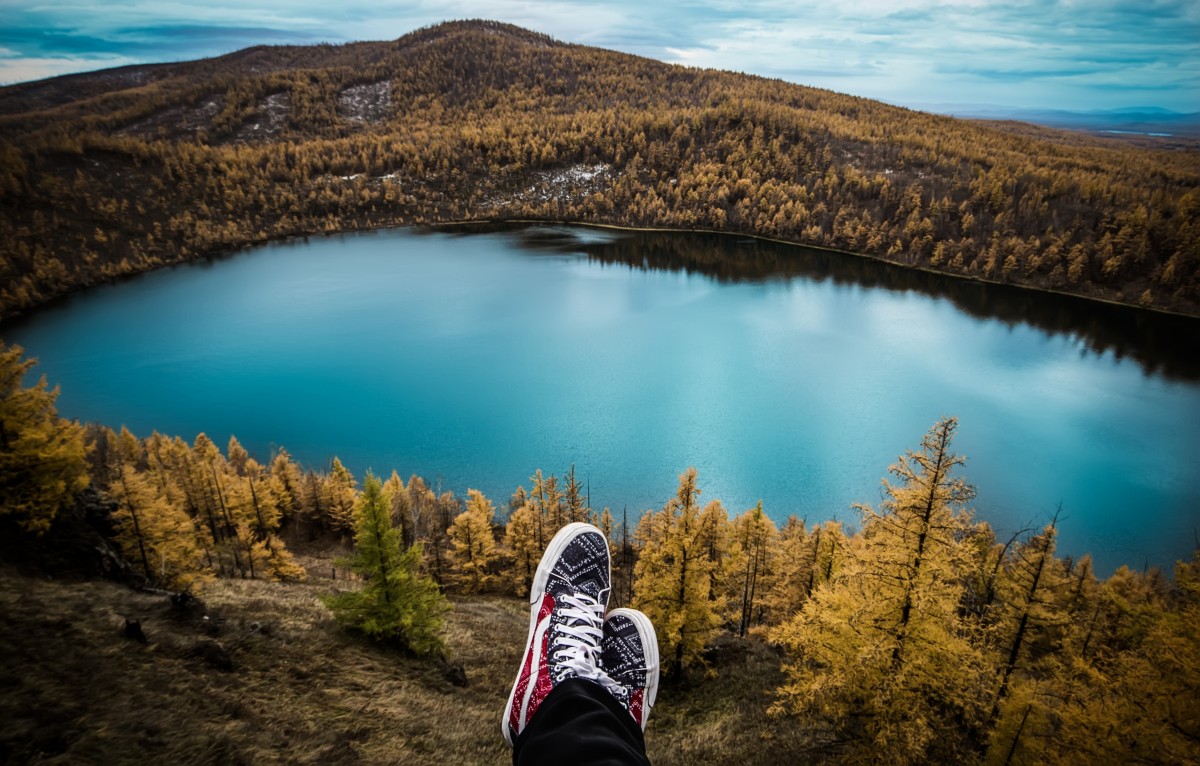

Finding true isolation off the beaten path Thailand requires a deliberate pivot away from heavily marketed tourist circuits. The geographic scale of the country is massive, boasting 1,430 islands, 147 national parks, and over 40,700 Buddhist temples. Yet, the vast majority of short-term vacationers funnel themselves into the exact same three-stop itinerary: Bangkok, Chiang Mai, and Phuket. The reality of modern travel in Southeast Asia is that these primary hubs suffer from chronic overcrowding and inflated prices. If you want to experience the country the way it existed three decades ago—where electricity is rationed, dense jungles remain largely untamed, and a bowl of noodles still costs 40 Baht—you must radically alter your geographic focus.
This comprehensive guide breaks down exactly where to find these untouched locations, how to navigate the logistical friction required to reach them, and what it actually costs to trade commercial luxury for raw authenticity.
Quick Summary
Swap major islands for marine parks: Forego Phuket in favor of the roadless Koh Kradan or the seasonally closed prison island of Koh Tarutao.
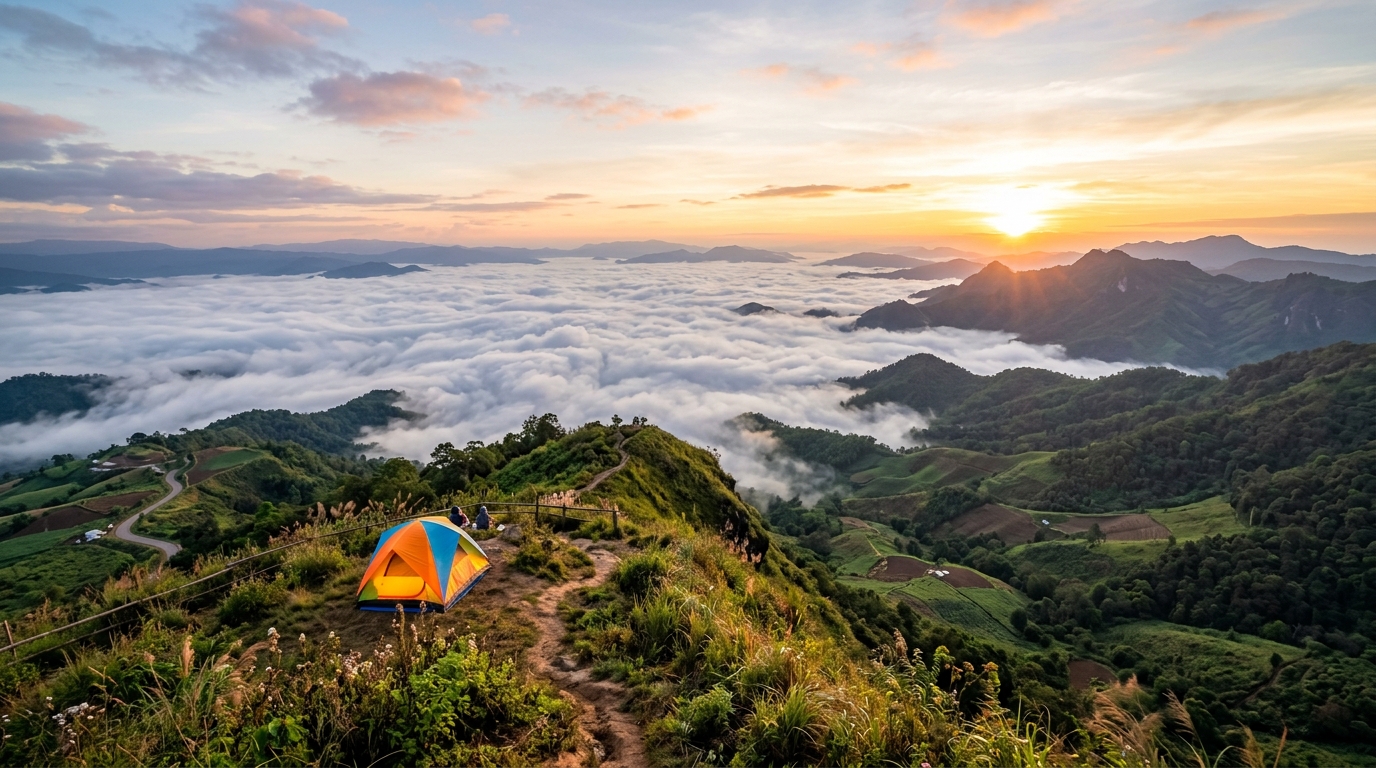
Target high-altitude northern campsites: Experience 5°C nights and sea-of-clouds mornings in Phetchabun instead of sticking to downtown Chiang Mai.
Prioritize the Isaan region for deep culture: Head to the northeastern provinces like Buriram and Udon Thani for ancient ruins and intensely spicy, unaltered local cuisine.
Expect demanding logistics: Authentic, isolated spots require multi-leg journeys utilizing domestic puddle-jumper flights, overnight buses, and local long-tail boats.
Prepare for basic infrastructure: Off-grid locations frequently lack reliable Wi-Fi, air conditioning, and English-speaking tour guides.
The Direct Answer: Where to Find Real Isolation
If your goal is to locate authentic, uncrowded destinations, you need to target secondary and tertiary provinces. Stop trying to find peace on the western coast of Phuket or the central strip of Pattaya—isolation simply does not exist there anymore.
Instead, divide your options geographically. For mountainous terrain, indigenous hill tribes, and demanding motorbike loops, head to the far northwestern border province of Mae Hong Son or the high-altitude peaks of Phetchabun. If your priority is exploring historical ruins without dodging hundreds of tour buses, skip Ayutthaya and travel north to the 13th-century bicycle-friendly ruins of Sukhothai. Finally, if you demand empty, pristine coastlines, look toward the Trang archipelago in the southern Andaman Sea (specifically Koh Mook and Koh Kradan) or the deep southern mainland district of Khanom.
Reaching these places takes significant effort and patience, but the reward is a highly affordable, intensely genuine trip devoid of mass commercialization.
Northern Altitudes: Trading Commercial Hubs for Steep Peaks
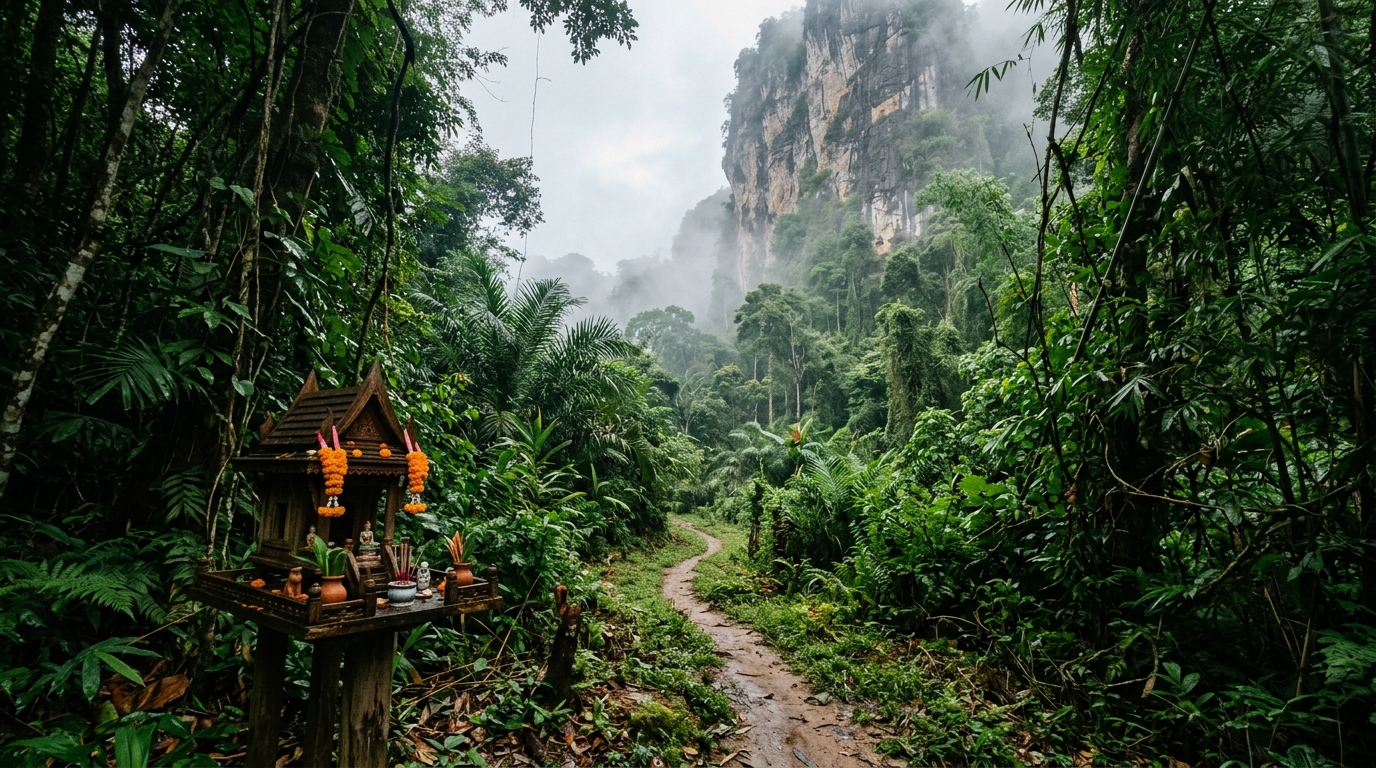
Many travelers operate under the assumption that booking a flight to Chiang Mai guarantees a remote mountain experience. In reality, Chiang Mai is a highly developed commercial hub. To find genuine isolation, you have to push further into the mountains.
Phetchabun and the Sea of Clouds
Located in north-central Thailand, Phetchabun is frequently referred to as the “Thai Alps” by domestic travelers, though it sees virtually zero Western foot traffic. The primary draw here is Khao Kho National Park, specifically the Phu Thap Boek campsite.
Because this region sits at a high elevation, the climate is drastically different from the sweltering plains of Bangkok. Daytime temperatures average 15°C, while nighttime temperatures routinely plummet to between 5°C and 10°C. If you arrive between November and January, you can literally camp above the cloud line.
When I rented a scooter to tackle the mountains near Chiang Mai on my first trip, I completely underestimated the chill in the air at high altitudes. I spent three days shivering in a flimsy summer jacket because I assumed the entire country was universally hot. Bring proper layers. The logistical setup here is incredibly affordable: setting up your own tent costs a mere 50 THB fee, while renting a massive park-issued tent runs about 400 THB per night.
Wat Chaloem Phra Kiat: The Floating Pagodas
Located roughly 60 kilometers outside of Lampang city (a two-and-a-half-hour drive southeast of Chiang Mai), Wat Chaloem Phra Kiat is an awe-inspiring temple complex perched precariously on jagged rocky peaks.
Getting here requires a multi-step process. First, you pay a 200 THB entry fee (100 THB for children). You are then loaded into a local 4×4 songthaew truck for a wildly steep, rugged ride up the lower mountainside. Once the truck drops you off, you must complete a punishing 400-meter vertical climb on foot via a metal staircase. The physical exertion is severe, but reaching the summit reveals dozens of white pagodas resting on sheer cliff drops, accompanied by the sound of hundreds of small brass bells ringing in the wind.
The Mae Hong Son Loop
Bordering Myanmar to the extreme northwest lies Mae Hong Son. This province is the ultimate destination for confident motorbike riders looking to tackle the legendary Mae Hong Son Loop. The entire circuit covers 800 kilometers of winding, mountainous asphalt, featuring exactly 1,864 curves.
Along this route, you will pass through authentic mountain villages housing the Kayan hill tribes. A crucial element of ethical travel here is avoiding exploitative human zoo setups. Seek out isolated, self-sustaining villages that fund their own schools through local craft sales. The ultimate rule of respect in this region: never photograph the local women without asking for explicit permission first.
The Southern Coast: Empty Beaches Still Exist
The islands in the Gulf of Thailand and the Andaman Sea are globally famous, but decades of aggressive commercialization have drastically altered their character. Finding pristine shorelines requires seeking out islands with strict development limits or seasonal closures.
Koh Tarutao: The Former Prison Island
Located in the deep southern Andaman Sea, just 30 minutes by speedboat from the highly popular Koh Lipe, sits Koh Tarutao. This is Thailand’s largest marine park and arguably its most raw island experience.
Historically, Koh Tarutao was a remote prison island that housed over 3,000 inmates. Today, it is an unspoiled national park featuring miles of completely deserted white sand beaches. The isolation here is intense. There is no air conditioning, electricity is generated by solar panels and strictly rationed to specific evening hours, and aggressive wild macaques roam the campsites.
The honest downside to Koh Tarutao is the utter lack of modern amenities, making it entirely unsuitable for luxury seekers. Furthermore, the National Park authority enforces a strict seasonal closure from May 15th to October 15th every year to allow the local ecosystem to recover from human presence. If you travel outside of these dates, rent a bicycle for 250 THB a day and explore the empty coastal roads.
Koh Kradan and Koh Mook
If you require a slight step up in comfort but still want roadless isolation, the Trang archipelago is the answer. Koh Kradan is a tiny speck of land entirely devoid of paved roads, motorbikes, and permanent local villages. You navigate the island by walking along the shoreline or kayaking. The coral reefs here begin just a few meters off the beach, offering phenomenally healthy marine ecosystems.
A short boat ride away is Koh Mook, famous for the Emerald Cave. You must swim through a pitch-black, 80-meter sea cave to emerge into an enclosed, sky-lit lagoon. The seagrass beds surrounding Koh Mook are also one of the only places in Southeast Asia where you can spot wild dugongs feeding in their natural habitat.
Khanom and the Pink Dolphins
Instead of taking the heavily commercialized ferry to Koh Samui, stay on the mainland in the northern district of Nakhon Si Thammarat Province. The sleepy coastal town of Khanom boasts at least ten incredibly quiet beaches. The main draw here is hiring a local fisherman’s long-tail boat from Nang Kam Beach to spot rare, naturally pink dolphins swimming off the coastline. The area feels entirely local, free from the aggressive touts and inflated taxi fares found on the nearby islands.
Central Plains and Deep East: History and Jungles
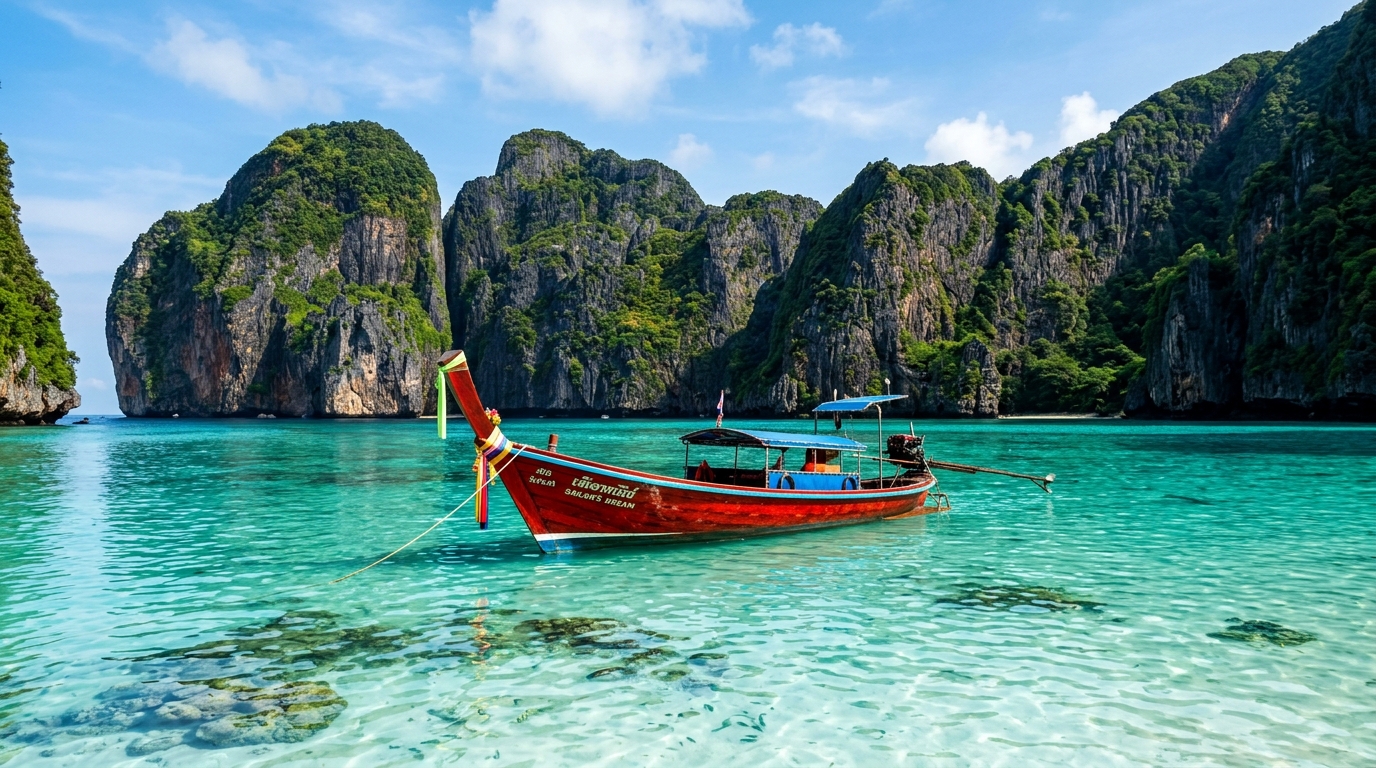
Travelers obsessed with choosing between the northern mountains and the southern islands frequently skip the central plains and the eastern maritime borders. This is a massive strategic error.
Sukhothai Over Ayutthaya
Because Ayutthaya is merely an hour’s drive from Bangkok, it serves as the default historical excursion for millions of tourists. The ruins are spectacular, but the crowds are suffocating.
For a vastly superior historical experience, travel 430 kilometers north to Sukhothai. As the capital of the 13th-century Sukhothai Kingdom, this UNESCO World Heritage site is significantly older and exponentially quieter. The historical park is divided into five massive sections. Rent a bicycle for 50 THB at the entrance gate and ride through the crumbling stupas and massive seated Buddhas at dawn. The morning light filtering through the ancient banyan trees offers a deeply meditative atmosphere entirely absent in Ayutthaya.
Khao Sam Roi Yot and Phraya Nakhon Cave
Located 45 minutes from Hua Hin, Khao Sam Roi Yot National Park hides one of the most visually stunning natural structures in the country: the Phraya Nakhon Cave.
Reaching the cave requires serious physical effort. It sits 430 meters above sea level and demands a steep, grueling one-hour trek over jagged rocks. Proper footwear is strictly required—do not attempt this in cheap flip-flops. Upon reaching the cavern, you will find a stunning gold and green Buddhist pavilion illuminated by a massive natural skylight.
Deep Jungle Trekking on Koh Chang
While Koh Chang is a known entity, its mountainous, deeply forested interior is largely unexplored. Instead of lounging on the western beaches, seek out aggressive jungle treks. A local guide named Mr. Tan (Coco de Boo Tours) has spent years carving out secret hiking paths that large tour operators do not know about. For approximately 1,200 THB per person, you can book the Klong Prao Trek. This full-day physical excursion pushes through pristine tropical forest and culminates in a swim in a completely isolated, crystal-clear river.
The Isaan Region: The Undiluted Heart of the Country
The vast northeastern plateau known as Isaan is frequently bypassed by foreign passport holders, yet it remains fiercely adored by domestic travelers. This is the agricultural powerhouse of the nation, characterized by its unique dialect, distinct music, and famously brutal cuisine.
Phanon Rung and Pha Taem
In Buriram Province, roughly 30 kilometers outside the main town, sits Phanon Rung Historical Park. This is the country’s only Hindu-Khmer temple complex, uniquely constructed atop an extinct volcano. Architecturally, it serves as a smaller, incredibly quiet precursor to Angkor Wat in Cambodia.
Further east, sitting directly on the border with Laos, is Pha Taem National Park in Ubon Ratchathani. Here, you can hike along massive rock formations to view 3,000-year-old cliff murals while looking down at the sweeping currents of the Mekong River.
The Reality of Isaan Cuisine
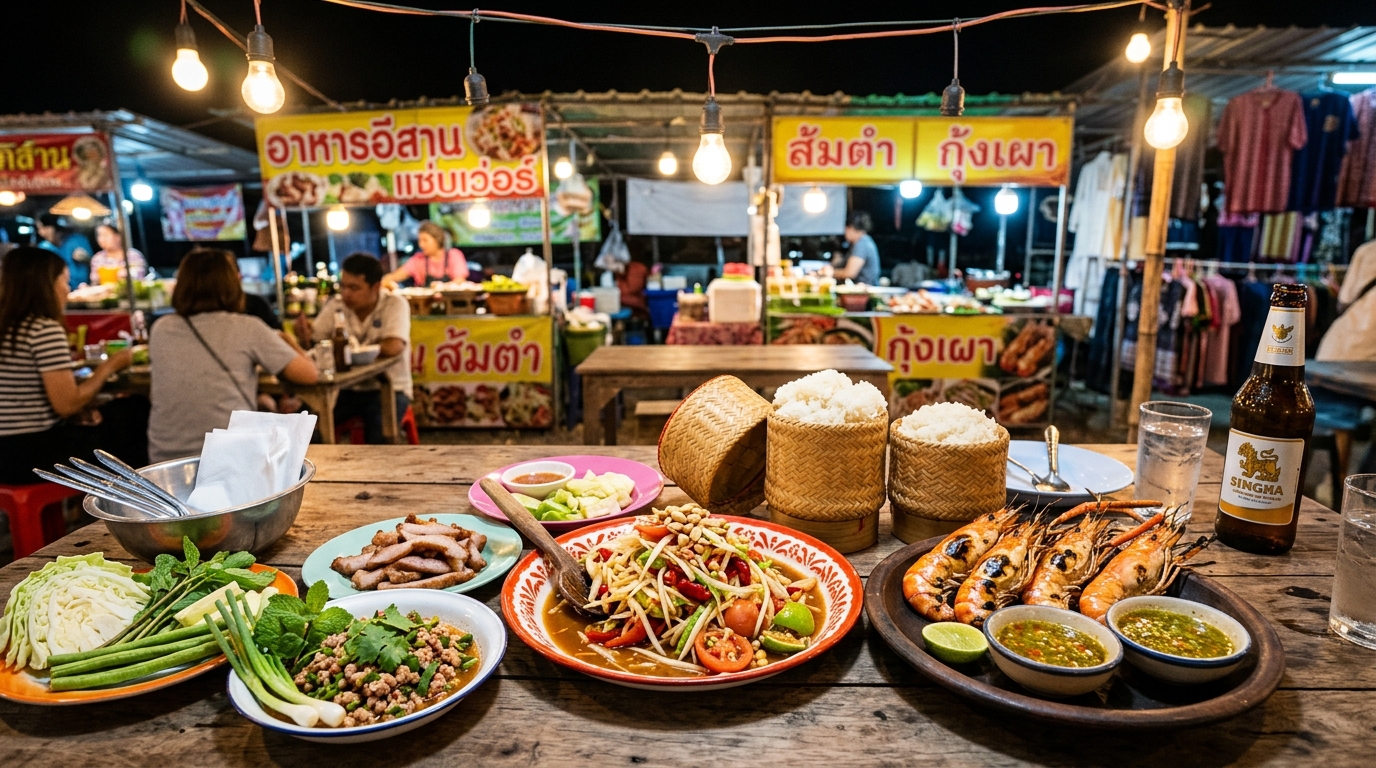
Be acutely warned about the food in this region. “Spicy” in Isaan means something entirely different than “spicy” in Bangkok. I learned this the hard way when ordering Kaeng Pa (Jungle Curry) in a roadside tin-roof restaurant near Udon Thani. Unlike mainstream green or red curries, Jungle Curry is made completely without coconut milk. There is absolutely nothing to dilute the sheer, blistering heat of the local chilies.
Logistics: Transit and Cost Analysis
Getting off the grid requires abandoning the convenience of direct flights. While domestic hubs like Phitsanulok or Trang have small airports, reaching the final remote destinations requires a combination of overnight buses, local minivans, and maritime ferries.
I once booked the cheapest available local ferry to a remote eastern island, assuming I would save around 400 THB. That decision resulted in a grueling five-hour ride through choppy waters on a rusted vessel, sharing deck space with bags of cement and live poultry. When assessing transit, paying a slight premium for an air-conditioned bus or a larger catamaran is usually worth the investment.
Below is a realistic breakdown of approximate one-way transit costs departing from Bangkok’s main southern bus terminal (prices are approximate and subject to seasonal fluctuation):
| Destination Hub | Approx. Cost (THB) | Travel Time | Transit Mode |
|---|---|---|---|
| Hua Hin | 750 THB | 3 hours | Direct Minibus |
| Suratthani | 850 THB | 11 hours | Overnight Direct Bus |
| Khao Sok | 1,150 THB | 13.5 hours | Bus + Minibus Transfer |
| Koh Lanta | 1,300 THB | 15.5 hours | Bus + Minibus + Ferry |
| Koh Phangan | 1,300 THB | 14.5 hours | Bus + Ferry |
| Had Yai | 1,400 THB | 17.5 hours | Bus + Minibus Transfer |
Budget Context: Once you endure the long transit times and arrive in secondary provinces, your daily budget drops significantly. A bowl of Khao Soi (curry noodle soup) in a trendy Chiang Mai cafe might cost 150 Baht. In a local market in Lampang, that exact same bowl—cooked over a charcoal fire by a third-generation vendor—will cost you 40 Baht.
Who Should Seek This Out (And Who Should Not)
Deciding to abandon the mainstream tourism circuit is not a universally correct choice. It requires specific traveler mindsets to succeed.
This approach is ideal for:
Slow travelers: If you have three weeks or more, you have the luxury of spending an entire day in transit to reach places like Koh Tarutao without feeling rushed.
Culturally curious and resilient visitors: If you enjoy navigating menus without English translations, eating at plastic tables on the sidewalk, and relying on translation apps to communicate.
Nature and photography enthusiasts: If your priority is photographing empty temple ruins at dawn, tracking wild gibbons, or setting up a tent above the cloud line.
You might want to skip this if:
You only have 7 to 10 days: Do not spend 40% of your short vacation sitting on cramped buses and delayed ferries. Stick to a localized region like Bangkok and Kanchanaburi.
You require luxury infrastructure: If your ideal vacation involves high-speed Wi-Fi, fine dining, and seamless air conditioning everywhere you go, islands with rationed electricity will severely frustrate you.
- You hate logistical friction: Traveling to remote areas guarantees delayed transport, misunderstood schedules, and occasional language barrier confusion.
- thailandstartshere.com
- thealwayswanderer.com
- www.thaiwander.com
- gotothailand.com
- visatravelphiphi.com
Common Mistakes to Avoid
1. Showing up to viewpoints in the middle of the day.
Timing is critical in a tropical climate. Whether you are climbing the 400 meters to Wat Chaloem Phra Kiat, hiking to the Phraya Nakhon Cave, or exploring Sukhothai on a bicycle, midday heat makes physical exertion dangerous and miserable. Furthermore, my attempt to visit a famous cave at noon meant I completely missed the iconic, ethereal sunbeam that only hits the cavern floor in the early morning. Always start your hikes at dawn.
2. Ignoring seasonal closures.
Many travelers assume tropical destinations operate year-round. This is completely false regarding national parks. The government strictly enforces ecological recovery periods. Showing up to the Pakbara Pier in July expecting to visit Koh Tarutao will result in massive disappointment, as the entire island is completely shut down from mid-May through mid-October. Always verify park schedules before booking transit.
3. Assuming digital payments are universally accepted.
While QR code payments and credit cards are standard in Bangkok, they are entirely useless on roadless islands or remote northern villages. ATMs are nonexistent on islands like Koh Kradan. You must calculate your expenses and withdraw enough physical Thai Baht to cover your entire stay before leaving the mainland.
Frequently Asked Questions
Is it safe to travel to the remote provinces?
Generally, yes. Rural areas boast incredibly low rates of violent crime, and locals are exceptionally hospitable to foreigners. However, road safety is a major concern—motorbike accidents are the highest statistical risk for travelers on routes like the Mae Hong Son loop. Additionally, travelers should strictly avoid the deep southern border provinces (Yala, Pattani, and Narathiwat) due to ongoing, localized geopolitical conflicts.
How do I book transport to these lesser-known areas?
While major bus and flight routes from Bangkok can be booked online via aggregator sites like 12Go Asia, the final local minivan and ferry connections are best handled locally. Your rural guesthouse or hotel receptionist will almost always have a direct contact number for a local driver and can arrange a pickup much cheaper than digital platforms.
What is the best time of year to visit these areas?
Timing depends entirely on the specific region. For the Andaman coast marine parks, visit between November and April to avoid monsoon storms and park closures. For the northern mountains (Mae Hong Son, Phetchabun), aim for November to January to experience cool weather, but strictly avoid the “burning season” (March to May) when massive agricultural fires cause severe air pollution.
Can I find English-speaking guides in the Isaan region?
It is incredibly rare. The Isaan region sees very few international tourists, so the local tourism infrastructure caters almost exclusively to domestic Thai travelers. You will need to rely heavily on translation apps, physical gestures, and a lot of patience.
Final Thoughts on Exploring the Unknown
Venturing off the beaten path Thailand is an exercise in trading convenience for character. By willing to endure overnight bus rides, rationed electricity, and the occasional language barrier, you gain access to a version of Southeast Asia that most people assume was paved over decades ago.
Determine your primary interest—whether that is the blistering culinary heat of Isaan, the cold mountain mists of Phetchabun, or the empty, roadless beaches of the Trang archipelago. Choose one specific region, withdraw enough physical cash to sustain yourself, and commit to the journey. The less you attempt to control the rigid logistics of the trip, the more rewarding the isolated experience becomes.