
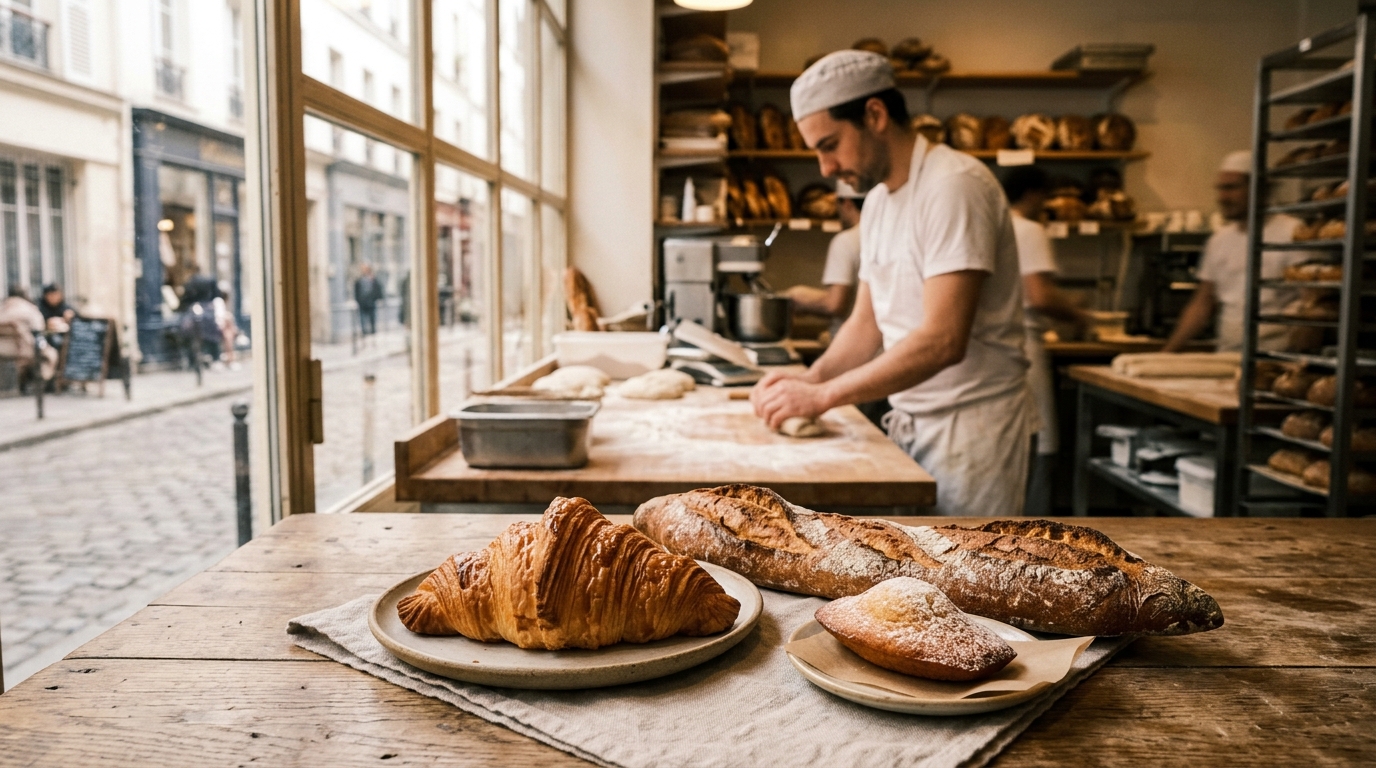

Finding authentic French pastries in your local neighborhood often feels like a gamble where the house always wins. When I first started hunting for a truly textbook croissant outside of Paris, I spent three months cycling through local bakeries, only to be met with stale, oily, or mass-produced imposters that lacked the delicate, shattered-glass exterior of a genuine product. The problem is that many establishments trade on the aesthetic of French baking without bothering to learn the chemistry behind it. A true French pastry isn’t just a shape made of dough; it is a rigid architectural feat of lamination, fermentation, and thermal control. If you know what to look for, you can strip away the marketing fluff and identify the masters of the craft before you even take your first bite.
Quick Summary
Test the Plain Croissant: If a bakery cannot execute a perfect, unadorned croissant with distinct, airy honeycomb lamination, do not bother with their fancier items.
Prioritize Transparency: Favor establishments with open-concept kitchens; the willingness to display the raw process is a strong indicator of ingredient integrity.
Check for Turnover: Changes in head pastry chef or sudden shifts in product consistency are red flags that the shop’s quality may be in decline.
Ingredients Matter: High-quality European-style butter (82% fat) is non-negotiable for authentic pastries; lower-fat American butter results in a heavier, less crisp finish.
Timing is Everything: Aim to visit within the first two hours of opening; pastries sitting in a display case for six hours will inevitably lose their structural magic.
The Direct Answer: What Makes a Pastry ‘Authentic’?
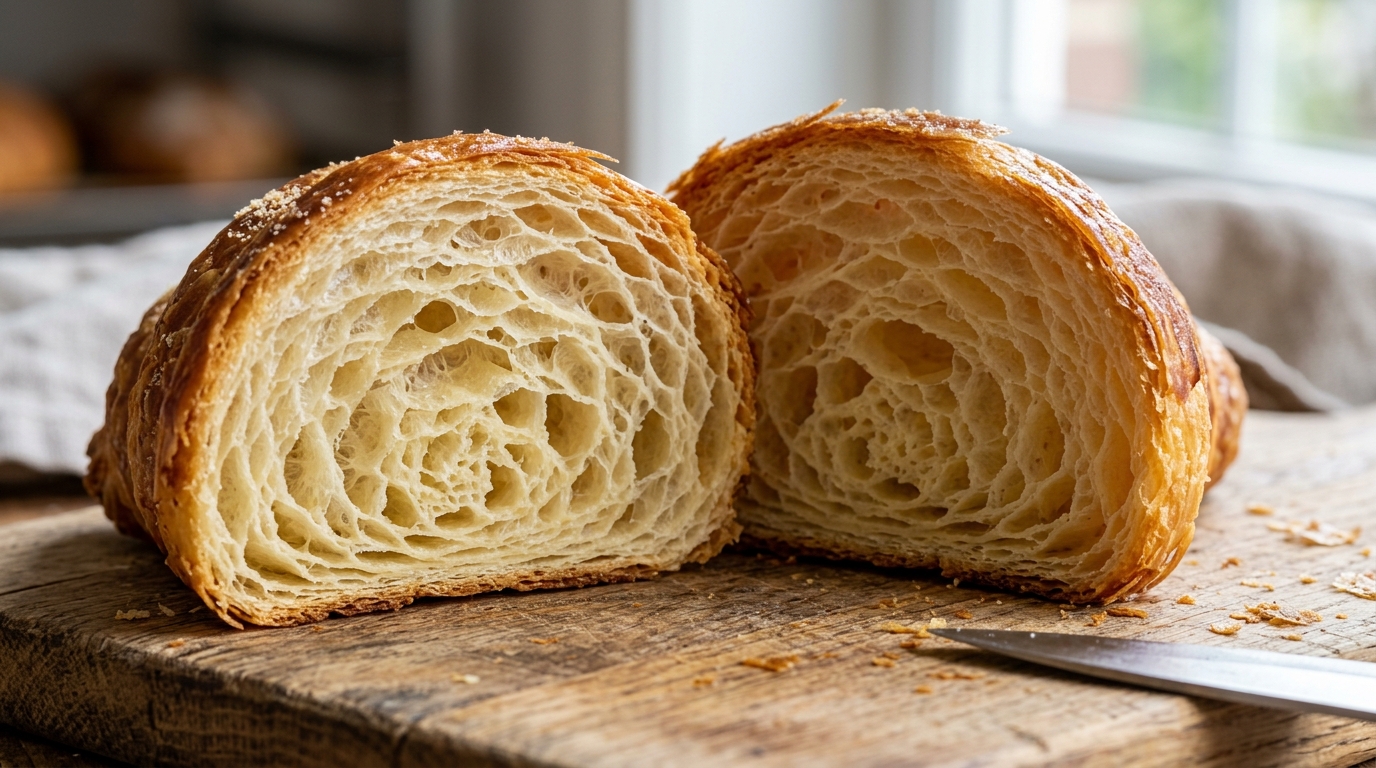
If you want to know if a shop is legitimate, skip the colorful tarts and the flashy glazed cronuts and head straight for the plain croissant or the simple baguette. Authenticity in French baking is defined by the integrity of the lamination process. This is the act of folding butter into dough repeatedly to create dozens of microscopic layers that puff up into a shattered-glass exterior when exposed to high heat. You should look for a golden-brown finish, not a deep mahogany or a pale yellow. When you pick it up, it should feel lighter than it looks. If it bends, it is either underbaked or lacks sufficient lamination. If it smells like a mixture of yeast and real, grassy dairy, you are likely in the right place. If it smells like an industrial-grade fat or has an artificial sweetness, walk away.
The Chemistry of the Croissant
I recall standing in a tiny shop in Birmingham watching a lead baker handle a slab of dough that was clearly chilled to the perfect temperature. That is the secret: temperature control. Many amateur shops try to rush the process. They let the butter get too warm, which results in the fat melting into the dough rather than creating distinct layers. This turns the inside of your pastry into a dense, bready slab rather than an airy, honeycomb-like structure. When you find a place that understands this, you are experiencing the result of a multi-day process. The dough must be rested, chilled, and folded with surgical precision. If you see layers that look blurred or smeared together in the cross-section, the baker has failed the most fundamental test of French patisserie.
Transparency as a Gauge for Excellence
In my experience, the best bakeries are those that hide nothing. When I visit a new patisserie, I immediately look toward the back of the shop. Can I see the flour dust? Do I hear the rhythmic sound of a heavy industrial mixer or the clatter of baking sheets? If a shop keeps the production area completely opaque or behind a wall, it is often because they are using industrial, pre-mixed bags of flour or, worse, frozen wholesale dough that is merely finished in their own ovens. An open kitchen isn’t just for aesthetic flair; it is a declaration of confidence. A baker who spends hours proofing their dough, measuring their yeast, and monitoring the oven temp will almost always want the customer to witness the labor behind the product. It’s a performance of quality that holds the staff accountable.
The ‘Turnover’ Risk: Why Your Favorite Shop Might Change
One of the most disappointing lessons I learned as a food enthusiast is that quality is rarely a permanent state. I used to be a regular at a small, independent shop that turned out the best kouign-amann in the city. When the original owner and head pastry chef decided to sell, the new management focused on ‘scaling up’ and reducing labor costs. Within two months, the pastries became smaller, the butter quality dropped, and the crumb lost its signature crunch. Never assume that a name on a sign guarantees quality. If you notice a sudden change in the size of the loaves, the color of the crust, or the personality of the staff, it is time to reassess. Great baking is a craft, not a manufacturing process, and it relies entirely on the creative heartbeat of the person behind the oven.
Matching Your Needs to the Bakery
Different situations require different types of bakeries. If you are looking for a reliable morning fuel source, you should seek out a neighborhood staple that has been open for at least two years. Consistency is your primary metric here. You want a croissant that tastes the same on a Tuesday as it does on a Saturday. Look for places that don’t overcomplicate their menu; a bakery doing twenty different types of pastries is often doing none of them well. Conversely, if you are looking for a special-occasion dessert, look for the boutique shops that focus on seasonality. These places often work with local farms to source fruits and will have a menu that changes every three months. You are paying for the chef’s creativity here, not just the technical skill of laminating dough.
Who Should Seek Out Authentic Pastries (And Who Should Not)
This level of food experience is not for everyone, and recognizing that is key to your satisfaction. You need to decide if you are chasing quality or convenience.
This is ideal for:
The technical enthusiast who understands the difference between a laminated dough and a standard bread roll.
People who are happy to pay $5 to $7 for a high-quality product that uses premium, European-style butter.
Those who enjoy the sensory experience of a morning ritual where they can see and smell the baking process firsthand.
You might want to skip this if:
You are in a rush and cannot tolerate waiting in a line for fresh, limited-batch goods.
You consider a $2 supermarket bakery muffin to be a satisfactory breakfast.
- You have dietary restrictions that make the ‘how it is made’ conversation tedious or frustrating for you.
- www.palmspringslife.com
- la.eater.com
- www.latimes.com
- www.bonappetit.com
- www.eatthis.com
The Economics of Authenticity: Costs and Values
People often balk at the $6 price tag for a single pain au chocolat, but the economics of authentic baking are starkly different from those of a chain café. Authentic pastry requires labor-intensive manual work that cannot be automated. You are paying for the labor of a professional who spends hours ensuring the dough is at the right temperature, the butter is correctly tempered, and the oven humidity is calibrated. When you buy a mass-market croissant for $2.50, you are buying a product that was likely manufactured in a factory, flash-frozen, and shipped to the location. The ingredients are almost certainly lower quality to maximize margins. I prefer to buy one truly excellent, artisanal pastry once a week rather than four mediocre, factory-made items. The satisfaction of a truly flaky, buttery, and well-balanced pastry is infinitely higher, and it ends up costing less over the long run because you aren’t wasting money on food that leaves you unsatisfied.
Common Mistakes to Avoid
1. The ‘Instagram’ Trap
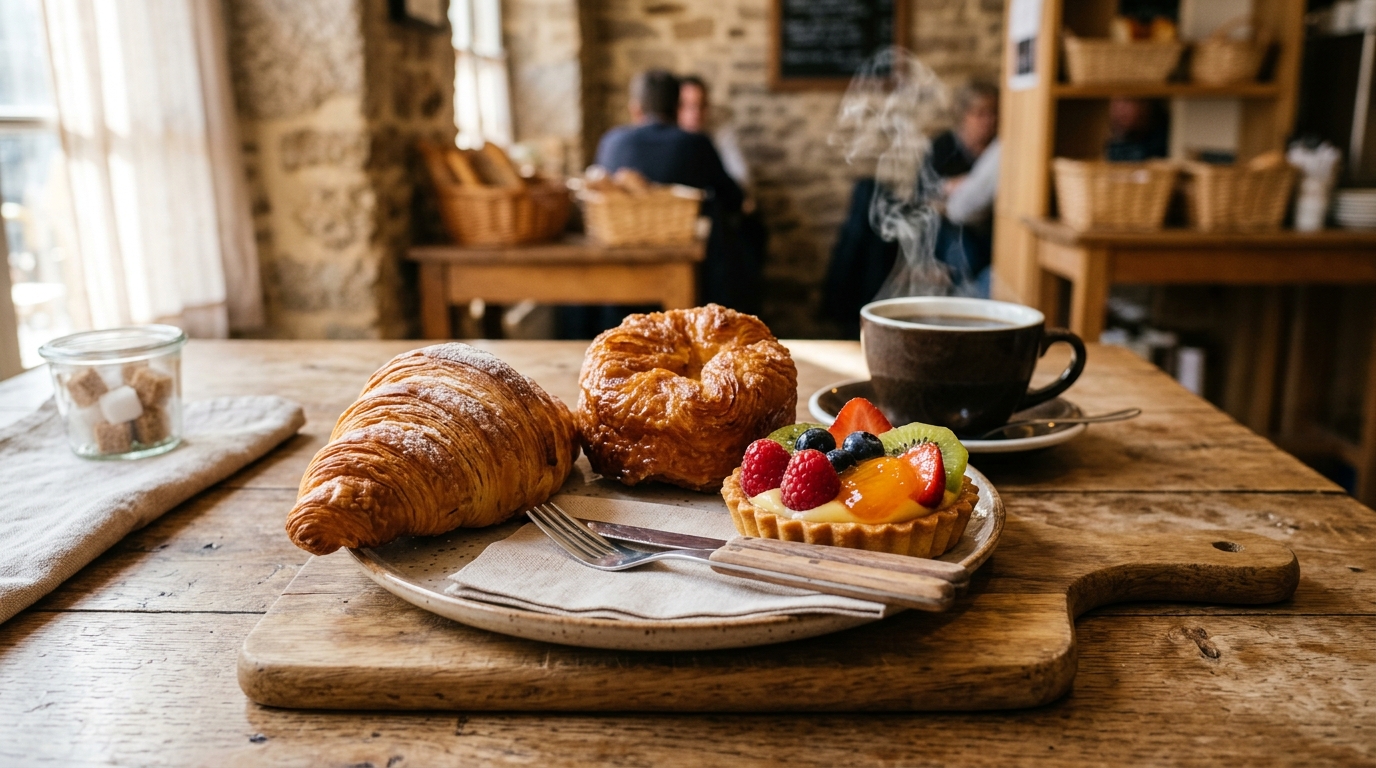
Do not judge a bakery by its online popularity. Many modern shops prioritize aesthetic, bright, and highly colored pastries that look great on social media but taste like nothing more than sugar and food dye. If a bakery is more famous for its neon-lit signs and perfectly posed photo spots than its commitment to the baking craft, proceed with caution. The best, most authentic French pastries are often humble in appearance; they don’t need excessive glitter or thick, artificial gels to prove their worth. Real quality is found in the golden-brown, uneven texture of a properly caramelized sugar coating, not in perfectly uniform, airbrushed designs.
2. Ignoring the Time of Day
If you arrive at a bakery at 3:00 PM, you are almost certainly going to have a disappointing experience. The best products are pulled from the oven in the early morning. By the late afternoon, even the best croissants lose their structural integrity as the moisture from the air or the residual warmth softens the layers. If a shop has a huge inventory remaining late in the day, it is actually a negative sign; it means they are overproducing and hoping to move volume rather than focusing on freshness. The shops that truly master their craft often sell out entirely by noon or 1:00 PM because they only produce what they can guarantee will be perfect.
Frequently Asked Questions
How can I tell if a croissant is made with real butter?
Real, high-quality butter leaves a clean, rich mouthfeel rather than a waxy or greasy film on your tongue. If you hold a croissant and it feels heavy, oily, or leaves a significant grease stain on a napkin, it is likely made with margarine or a lower-quality butter substitute. Real butter should smell faintly of cream and yeast. If the smell is overwhelming, artificial, or overly sweet, it is an indicator of synthetic flavorings added to compensate for poor-quality ingredients.
Why do the best bakeries have such limited selection?
High-end artisanal bakeries operate on a strict, limited-batch model. Because they do not use preservatives, their products only have a shelf life of a few hours. A master baker calculates their production based on their daily capacity to maintain quality. If they only bake 50 loaves or 80 croissants, it is because that is the limit of their ability to maintain precision. It is a sign of integrity; they would rather sell out and close their doors early than serve a subpar product that has been sitting out for too long.
How can I effectively critique a new bakery I visit?
Always start with the classics—the ‘benchmark’ items. Order a plain croissant, a simple baguette, or a classic madeleine. If a bakery cannot get the basics right, there is zero reason to try their more complex, multi-layered desserts. If the croissant is crisp but not dry, and the madeleine has that perfect, moist, citrus-bright balance, you know the kitchen team understands the foundational principles. If they struggle with these, they are likely using shortcuts or pre-mixed powders for their more complicated items, and the result will never truly satisfy you.
Is it worth paying the premium for artisanal ingredients?
Absolutely. In the world of French pastry, the ingredients are the structure. The difference between 80% fat American butter and 82% fat European-style butter is not just a label—it is the difference between a dense, greasy cookie-like texture and a light, airy, flaky structure. The higher butterfat content provides a better mouthfeel, more stability during the lamination process, and a more complex, nutty, and milky flavor profile. When you pay for artisanal, you are paying for the science of the final bite.
Conclusion
Finding authentic French pastries is a pursuit that demands patience and a keen eye for detail. It is about understanding that the quality of your snack is directly tied to the integrity of the process, the precision of the temperature, and the quality of the raw ingredients used. By moving away from the convenience of chains and the deceptive glitz of social-media-focused shops, you can begin to identify the true masters of the craft. Remember that the best bakeries are defined by their open kitchens, their limited batches, and their refusal to cut corners. Whether you are looking for a quiet morning ritual or a deep dive into the technicalities of fermentation and lamination, the reward for your search is a bite of food that reflects hours of human labor and expertise. Stay curious, keep testing the basics, and never be afraid to walk out of a shop that doesn’t respect the time and ingredients required to produce excellence. You deserve a product that has been crafted, not merely manufactured.