

Introduction
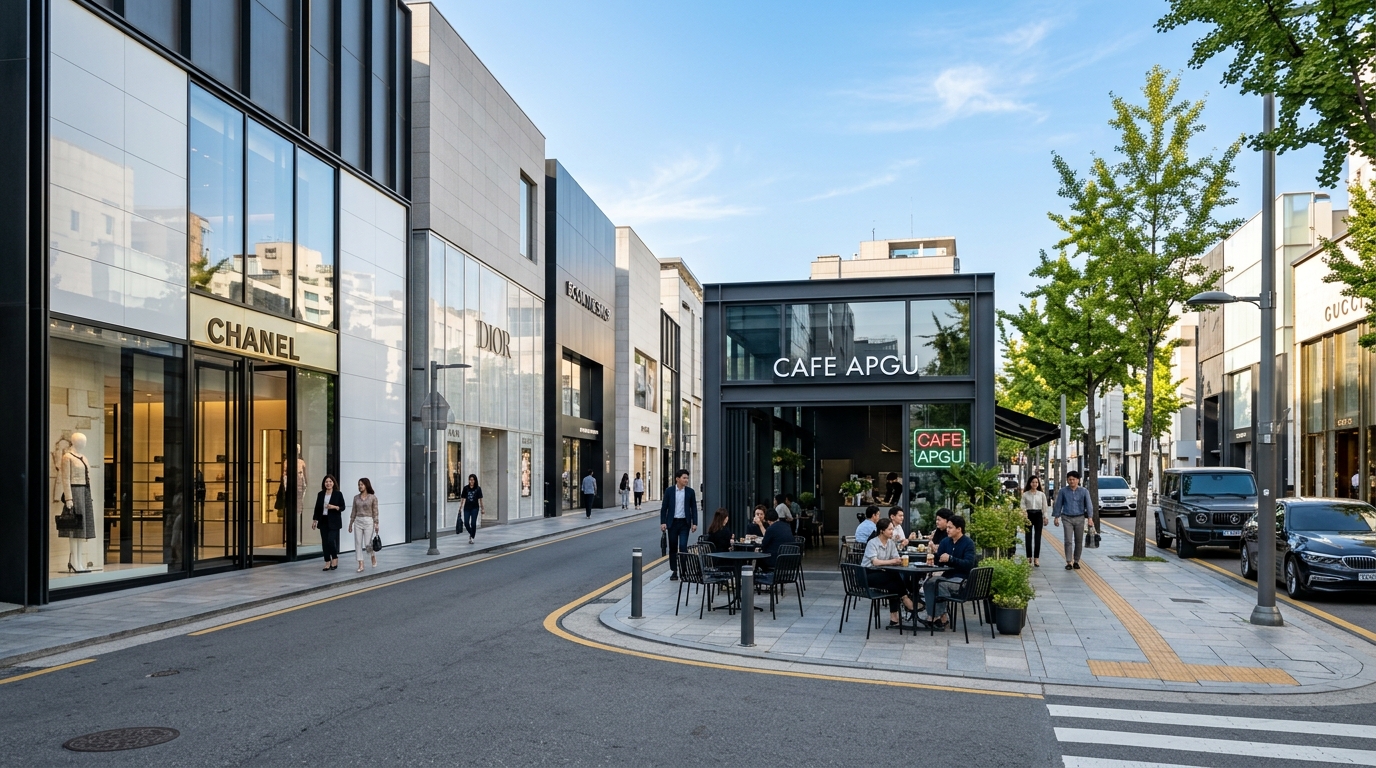
Understanding <a href="https://travelatlas.quantosei.com/2026/04/03/the-ultimate-seoul-fashion-district-guide-shop-like-pro/” title=”The Ultimate Seoul Fashion District Guide: Shop Like Pro”>apgujeong K-pop culture requires stripping away the polished layers of music videos and influencer reels to see the actual machinery of the industry. Many visitors arrive expecting a neon-lit theme park dedicated to their favorite idols, only to find a quiet, hyper-exclusive neighborhood defined by glass-fronted clinics and corporate headquarters. This is not merely a tourist destination; it is the silent engine of the Hallyu movement, a place where multi-billion-dollar aesthetic standards are set and exported to the rest of the world.
Quick Summary
- The Reality Gap: Most visitors expect idol sightings, but Apgujeong is a corporate hub where artists work behind heavily guarded, non-accessible facility walls.
- The Aesthetic Core: The district serves as the global epicenter for the beauty industry, where the ‘V-line’ standard is as much a professional asset as a talent.
- Strategic Tourism: Shift your focus from ‘star-spotting’ to exploring the local café culture and high-end boutique scene, which offers a better return on your time.
- Industry Insight: The trainee experience is characterized by intense financial and physical pressure, far removed from the glamour seen on stage.
- Economic Context: Apgujeong functions as a lifestyle ecosystem, blending high-end fashion, medical tourism, and, more recently, a hub for international creative collaborations.
- You value trend-setting: You want to see the latest in fashion and beauty technology, even if you aren’t buying.
- You are a student of culture: You want to understand the ‘why’ behind the Korean Wave rather than just looking for photo-ops.
- You enjoy high-end, quiet luxury: If you prefer clean, modern, and quiet streets over chaotic, crowded tourist markets, you will appreciate the pace of life here.
- You want authentic tradition: If you are hunting for historical Goryeo-era relics or ancient temples, Apgujeong is effectively a sterile, modern construction. Go to Insadong or Bukchon instead.
- You require high-density nightlife: If you want a rowdy, pub-hopping experience, the more ‘gritty’ nightlife of Itaewon or the student-heavy streets of Hongdae are better suited to your energy.
- Your trip is purely about ‘catching’ a star: If you spend your vacation waiting, you will be disappointed. The probability is simply too low to justify the time.
- The ‘Agency Stakeout’ Trap. I have seen tourists stand in front of agency gates for upwards of eight hours. It is physically taxing and rarely results in anything but sunburn. Most agencies have multiple exits and underground transport, ensuring that security is always a step ahead of the public. Use that time to visit a local gallery or a themed cafe instead.
- Ignoring the Dining Potential. Many visitors assume the food in Apgujeong is just ‘tourist food.’ On the contrary, some of the most influential gastronomy in Seoul is tucked away in the backstreets of this district. If you limit yourself to quick bites, you are missing out on an integral part of the local lifestyle. Look for restaurants that are frequented by local office workers, not just those hyped on social media.
- www.koreaherald.com
A Direct Reality Check: Do You Need to Go?
If your singular goal is to catch a glimpse of a K-pop idol, I have a difficult truth to share: you will likely leave disappointed. During my own repeated trips to Seoul, I have observed countless fans loitering outside agencies like SM or JYP buildings for hours. In reality, idols move in private vans, enter through secure basement parking, and rarely engage with the public in the streets. You are far more likely to experience the true heartbeat of the district by visiting the nearby cafes or walking the K-Star Road. If you are willing to embrace the lifestyle of the local elite—the fashion, the coffee, and the architectural refinement—you will find the experience immensely rewarding. If you require a face-to-face interaction with a star, you are better off purchasing concert tickets.
The Evolution of the District
Before the world knew what ‘Gangnam Style’ was, Apgujeong was already the established ‘Beverly Hills of Korea.’ The shift from a wealthy residential neighborhood to the global cultural capital of the twenty-first century was not accidental. It was the result of a concentrated accumulation of capital, talent, and infrastructure.
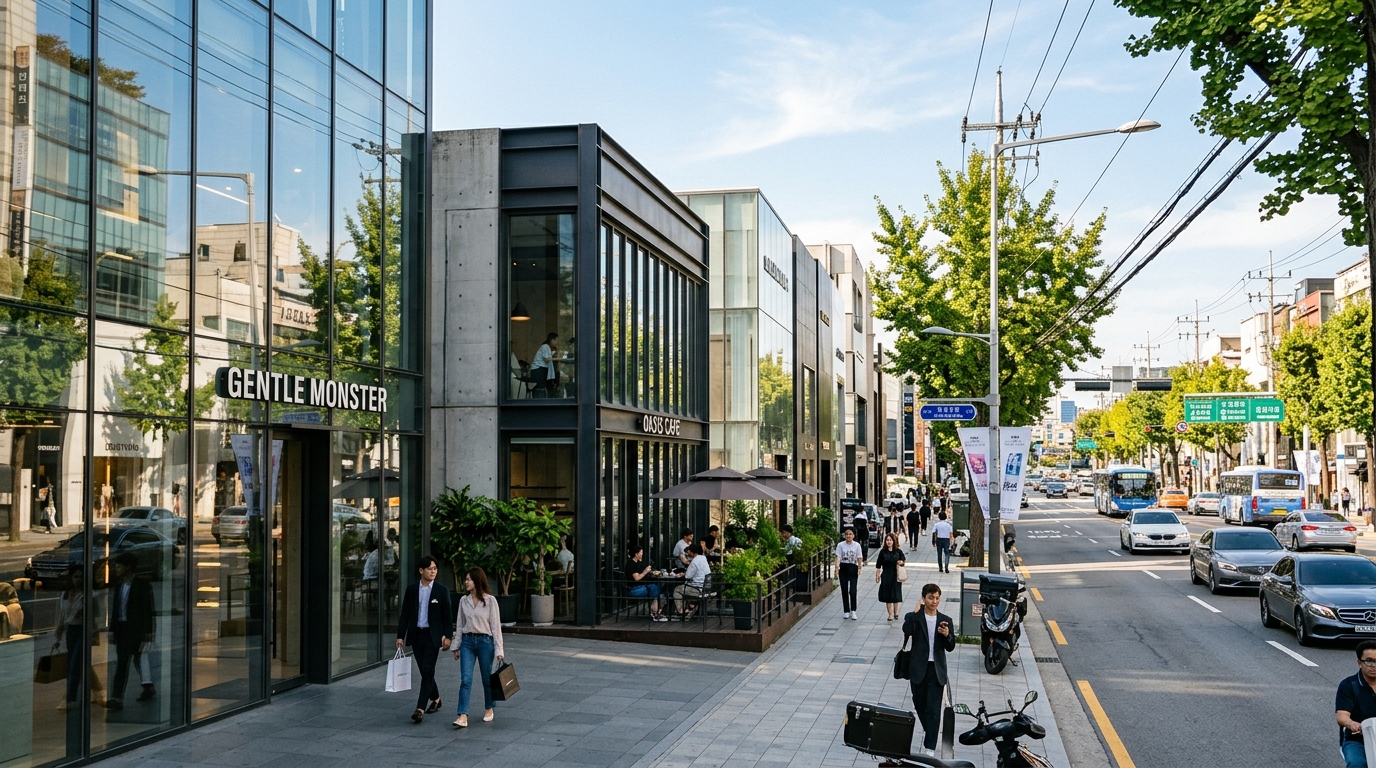
Historically, cities like Tokyo occupied the throne as Asia’s primary cultural destination. However, in recent years, Seoul has overtaken this position. The infrastructure here is built for the social media era. Unlike the more analog aesthetic of Tokyo, Seoul’s streets are optimized for content creation, high-speed digital engagement, and, most importantly, the ability for international stars to collaborate with local creatives. When you walk these streets, you are traversing the same ground where global figures from fashion and music now conduct their business and leisure.
The Aesthetic Machine: Beyond the V-Line
I remember speaking with a local shop owner who described the pressure to conform to specific beauty standards not as an obsession, but as an entry requirement for success. In Apgujeong, the aesthetic industry is not just about vanity; it is an industrial pillar. The ‘dewy’ skin aesthetic and the ‘V-shaped’ chin are products of a sophisticated network of clinics that treat beauty as a career investment.
This aesthetic ecosystem feeds directly back into the entertainment sector. When you see an idol, you are observing the end product of a highly controlled supply chain. This is a critical point to understand: the ‘perfection’ you see on screen is a manufactured brand asset. For the casual observer, this can feel intimidating, but viewing it as a design language helps you better appreciate the effort that goes into the creation of a ‘visual.’
The Trainee Experience: The Cold Underbelly
It is easy to focus on the stage lights, but I often think about the trainees I’ve heard mentioned in anonymous testimonies. The life is grinding. We are talking about 5:00 AM routines that involve vocal training, dance repetition, and strict dietary monitoring. This is a ‘debt-trap’ model where the cost of the training—the dance, the language, the medical procedures—is fronted by the agency and clawed back from the trainee’s future, highly uncertain, earnings.
Most participants in this system walk away empty-handed after years of labor. Understanding this makes the polished facade of Apgujeong feel much heavier. You are walking through the boardroom, but the factory floor is where the actual cost of the dream is paid. This contrast is part of why the district feels so quiet; the intensity of the work happening behind those closed doors is enough to keep the streets relatively solemn compared to the chaotic energy of other tourist hubs like Hongdae.
Recent Geopolitical Shifts in Cultural Capital
My research into the recent moves by stars like Pharrell Williams and Central Cee confirms a massive trend: global icons are no longer just visiting Seoul for a show and leaving. They are embedding themselves in the district. They are shopping in Apgujeong, visiting bakeries in Seongsu, and eating instant noodles in local marts.
This is a massive change from the standard celebrity visit protocol of the past. The infrastructure in Gangnam-gu is now so deeply integrated with the global fashion and creative community that stars feel comfortable moving around—to an extent—without the heavy-handed security presence found in other major cities. This ‘informal’ accessibility is what currently defines the district’s appeal to the next generation of global creators.
Apgujeong Decision Framework: Who Should Visit?
To decide if this area is for you, consider your personal travel motivations. I recommend evaluating your expectations against the following categories.
This is ideal for you if:
You might want to skip this if:
Financial Expectations and Cost Analysis
Visiting this neighborhood is not a budget-friendly activity, but it doesn’t have to be astronomical. You can spend an entire day simply observing the architecture, visiting the K-Star Road, and browsing boutiques without purchasing a thing. However, if you plan to engage with the lifestyle, you should budget accordingly. Below is a breakdown of what to expect in terms of daily spending for a mid-range experience.
| Category | Estimated Cost (USD) | Notes |
|---|---|---|
| Premium Coffee/Dessert | $10 – $18 | Higher than average due to ‘experience’ fees |
| Trendy Lunch | $25 – $50 | Expect significant wait times at top spots |
| Fashion Item (Boutique) | $70 – $300+ | Boutique markups apply throughout the area |
| Souvenirs | $15 – $60 | Standard K-pop merch prices |
Common Mistakes to Avoid
Frequently Asked Questions
Is it possible to see idols walking around Apgujeong?
Technically, yes, but statistically, it is almost impossible. Idols live under strict management protocols. If you do see one, it is usually because they are transitioning from a private vehicle to a secure building entry. My advice is to stop searching for them. If you treat the area as a place to experience the culture that breeds idols, you will be satisfied. If your happiness depends on a celebrity sighting, you have set yourself up for a failed afternoon.
What is the most productive way to spend a day here?
Start your morning at the Gangnam Tourist Information Center to familiarize yourself with the specific zones of the district. Spend the midday walking the K-Star Road, but view the dolls as an art installation rather than a serious record of group activity. Dedicate your afternoon to the café scene. The key is to settle into a location with a view and simply observe the way the locals dress, speak, and move. That observation is far more valuable than any blurred photo of a celebrity.
Should I look into cosmetic surgery here as a tourist?
While the district is world-renowned for its surgery, I strongly advise against making this a spur-of-the-moment decision. The clinics here are sophisticated, but they are also businesses that have mastered the art of high-pressure marketing to international visitors. If you are serious about this, perform your due diligence back home. Verify the surgeons’ credentials through independent sources, not through the flashiness of the clinic’s website or social media followers.
Conclusion
Apgujeong is a fascinating, if occasionally cold, reflection of modern Korean ambition. It is the birthplace of a cultural phenomenon that has redefined global pop culture, and its streets are the physical manifestation of that success. If you arrive with the intent to learn, observe, and engage with the high-end aesthetic, you will leave with a deep understanding of the ‘Hallyu’ movement.
My primary recommendation is to treat this trip as a study in lifestyle design. Look at the way the shops are curated, the way the coffee is served, and the precision with which the district maintains its ‘clean’ image. By moving away from the ‘stalker’ mindset and into the ‘observer’ mindset, you allow yourself to actually enjoy one of the most unique districts in the world. The stars may stay behind closed doors, but the culture they represent is everywhere you look.