

Modern korean fine dining is currently undergoing a radical transformation, moving away from static historical perceptions toward a dynamic, ingredient-focused global standard. When I first stepped into a high-end kitchen in Seoul years ago, the prevailing wisdom was that traditional flavors should remain untouched, preserved in a sort of culinary amber. I spent those early months watching masters work, but it was not until I witnessed innovators like Chef Seakyeong Kim that I realized the future of the cuisine lies not in rigid adherence to the past. Instead, the future is found in the sophisticated application of Western technical precision to local Korean soul food. This shift is not just about changing how we plate food; it is about respecting the integrity of the ingredients while pushing the boundaries of what a traditional meal can become.
Quick Summary
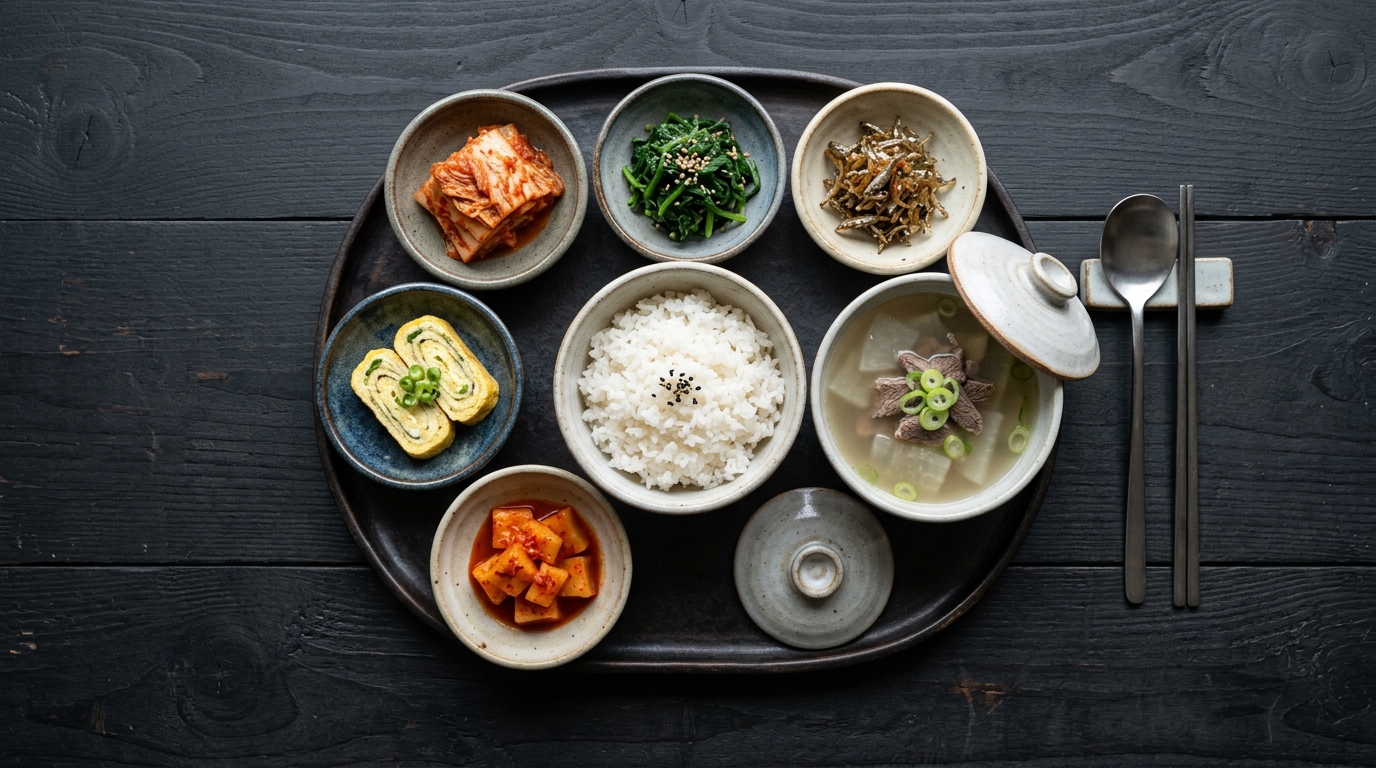
Modern Korean fine dining emphasizes the “bansang” concept, a personalized, tray-based meal that ensures individual hygiene and perfect temperature control.
Global integration is at an all-time high, with premium inflight menus and Michelin-starred restaurants bringing Korean flavors to international stages.
Specialized ingredient sourcing, such as rare baeksemi rice from Gokseong, has become a key differentiator between high-end establishments and casual eateries.
The use of charcoal and specific smoking techniques is replacing standard gas burners, providing a structural anchor for complex flavor profiles.
Successful modern restaurants now prioritize “delight” and storytelling over mere rote replication of traditional recipes.
The Direct Answer: Should You Seek Out Korean Fine Dining?
If you are wondering whether you should invest in a high-end Korean culinary experience or stick to your local favorite neighborhood spot, the answer is simple: seek out a high-end experience if you value the narrative of the ingredients and the precision of technique. If you want to understand how centuries-old fermentation practices can pair with modern sous-vide braising to create textures you have never tasted before, you are the ideal demographic. However, if you are looking for the boisterous, unfiltered energy of a street-level pojangmacha, you will likely find the controlled, quiet rhythm of a modern fine-dining establishment too restrictive. The former is a meditative study of agriculture and craft; the latter is a celebration of raw, communal energy. Both serve a purpose, but they cater to entirely different moods.

The Technical Shift: Bringing Technique to Tradition
I have spent years analyzing kitchen dynamics, and the most striking change I have witnessed is the infiltration of Western technical rigor into the heart of the Korean kitchen. For years, I believed that traditional Korean cooking was entirely incompatible with techniques like 48-hour low-temperature sous-vide. I was wrong. When you apply slow-cooking to braised beef ribs and pair them with a light soy and lime reduction, the result is a bridge between the savory depth of traditional braising and the tenderness prized in modern international fine dining. This shift is not just about the cooking; it is about the hunt for quality.
Chefs today are treating rice with the same respect a sommelier treats grapes. The search for specific varieties like baeksemi, known for its distinct chewy texture and aromatic profile, is a hallmark of this new era. It is not enough to simply have “rice” on the plate; the grain must be the foundation of the experience. This level of granular detail, when applied to side dishes sourced from specific local farms in regions like Yeosu, transforms a simple meal into an investigative tour of regional Korean agriculture. It requires the kitchen staff to understand the soil as well as they understand the spice paste.
The Role of Charcoal and Smoke
One of the most persistent, yet often overlooked, elements in elevating these flavors is the use of charcoal. In my own culinary experiments, I have found that gas burners, while efficient, lack the ability to impart that specific, faint bitterness and smoke that define an authentic grill experience. Chefs are now building entire menus around charcoal. It creates a smoky backdrop that cuts through the richness of fats found in high-end beef, acting as a structural anchor for the lighter, acidic notes of fresh kimchi or seasoned water celery. This adds a layer of depth that cannot be replicated through additives or high-speed ovens.
The New Global Benchmark: Korean Fine Dining at Altitude
Perhaps the most surprising arena for this culinary evolution is in the air. Airline menus, once the target of jokes, are now being overhauled into curated, fine-dining experiences. This is not just a marketing gimmick; it is an exercise in aerospace engineering. I have followed reports on the intense research and development involved in this shift, which includes adjusting flavor profiles to account for how cabin pressure and humidity suppress our sense of taste. This is the new frontier: applying the lessons of molecular gastronomy to the realities of flying at 35,000 feet.
By partnering with experienced chefs who have led high-end kitchens in hubs like Seoul or New York, airlines are now bringing the aesthetic of Michelin-starred service to the cabin. We see the use of fine porcelain and polished cutlery—items typically reserved for the dining rooms of luxury hotels. This creates a psychological shift for the passenger, who now expects the same standards of “seasonal, fresh, and refined” that they would encounter on the ground. It forces the supply chain to innovate, sourcing ingredients that can hold up under strict preparation conditions and still deliver a punch of flavor.
The Economics of Excellence: Value vs. Price
When evaluating the cost of Korean fine dining, it is helpful to break down where the money is actually going. Unlike casual dining, where the focus is on turnover and bulk sourcing, a fine dining price tag reflects three specific costs: specialized sourcing, labor-intensive preparation, and aesthetic presentation. I have found that the price of a set meal is often inflated by the cost of procurement. When a restaurant commits to sourcing specific laver from a small farm in Yeosu or ensuring a specific grain variety of rice, the supply chain is fragile and expensive.
You are paying for a luxury supply chain, not just the ingredients themselves. If you are comparing a $50 meal to a $150 meal, look at the composition of the side dishes. The higher-end experience will likely feature seasonal, foraged, or boutique-farmed ingredients that require daily preparation, whereas the $50 meal will lean on pickled or preserved goods that have a longer shelf life. The labor cost is also vastly different. A dedicated team of sous-chefs spending hours prepping a single radish dish is a cost that must be reflected in the final bill. When you pay for the meal, you are subsidizing the time required to turn humble vegetables into a dish that justifies its place on a fine-dining tray.
Who Should Experience Korean Fine Dining (And Who Should Not)
Deciding to invest in a high-end Korean culinary experience is a significant commitment of both time and money. Here is how to determine if it is right for your next night out.
This is ideal for:
The Ingredient Obsessive: If you take pleasure in knowing that your rice was sourced from a specific province and your side dishes are tied to the chef’s childhood memories, you are the ideal demographic.
The Hygiene-Conscious Diner: The move toward the “bansang” tray, where each meal is served individually, is perfect for those who prefer the controlled, personalized service of a private tray over the communal chaos of shared hotpot dishes.
The Narrative Seeker: If you want a meal that functions as a story—where the progression of courses tells you about the chef’s philosophy and the regional landscape of Korea—this is your environment.
You might want to skip this if:
You Prefer Volume: If you prefer your food to be served in massive quantities, family-style, and want to avoid the refined portions and higher price points of a tasting menu, the modern fine-dining approach may feel too restricted.
You Love the Poetic Chaos of Street Food: If you are seeking the boisterous, unfiltered, and deeply casual environment of a street-level tent bar, the meticulous, quiet curation of a high-end kitchen will feel like a chore rather than a pleasure.
- You are on a Strict Budget: While the value proposition is high, the cost is undeniable. If you are not prepared to spend $150+ per person for a multi-course experience, you are better off supporting an authentic, casual, family-run restaurant.
- Ignoring the Seasonality: A major mistake I often see diners make is ordering the same dish regardless of the season. In the world of high-end Korean cuisine, the menu is built around what is fresh. If you walk into a top-tier restaurant in the dead of winter and demand the signature summer radish bibimbap, you are missing the point. Trust the chef’s seasonal menu; it is specifically designed to work with the current weather, not against it.
- Treating Side Dishes as Optional Fillers: Many people arrive at a fine-dining restaurant and fixate on the main course, ignoring the “petit four” or the carefully curated soup of the day. In the bansang philosophy, the side dishes and the soup are not just fillers; they are meant to balance the rice and the main protein. If you ignore the sequence of these dishes, you lose the intended narrative of the meal. Approach the tray as a balanced ecosystem, not a plate with accessories.
- observer.com
- www.fb101.com
- eatnorth.com
- www.koreaherald.com
- restaurantbusinessonline.com
- www.enterprisenews.com
Common Mistakes to Avoid
Culinary Mentorship and the Human Element
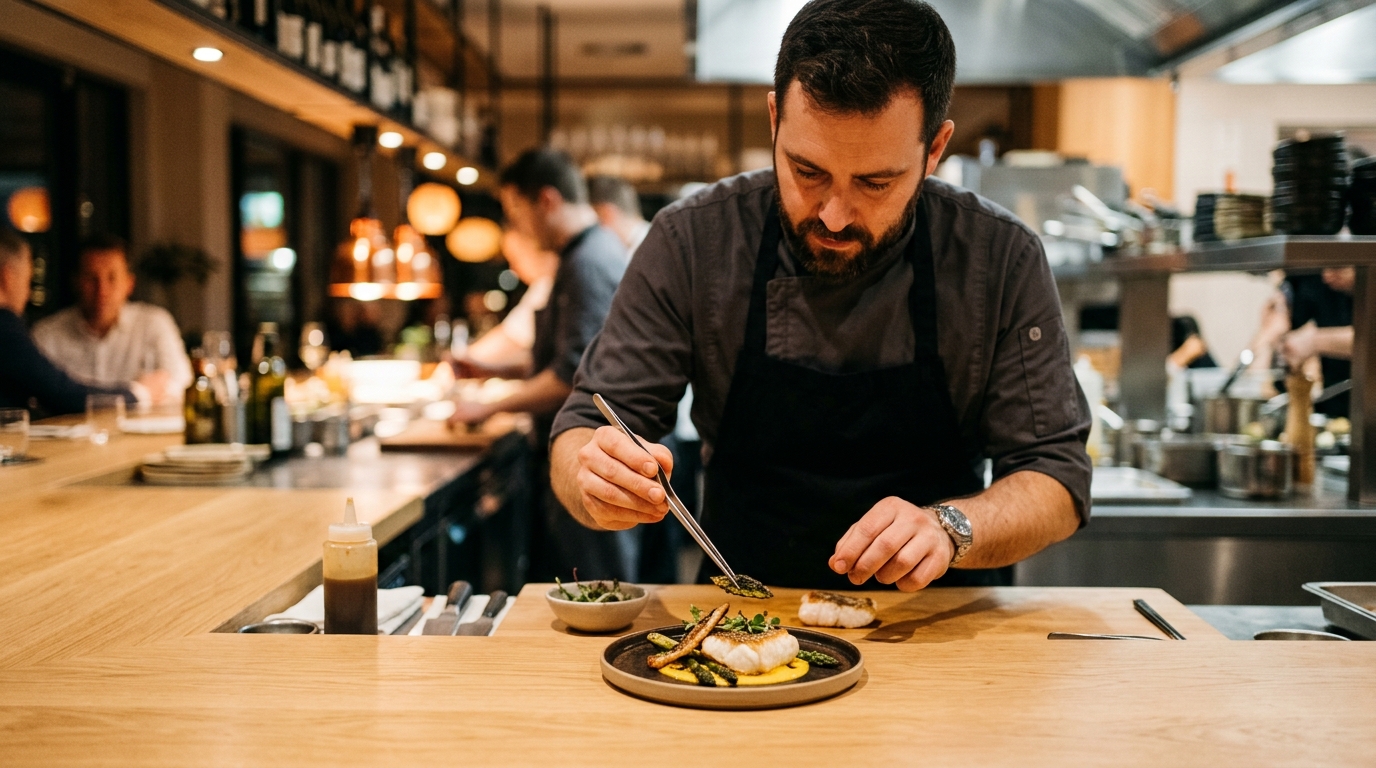
One of the aspects I admire most about the trajectory of chefs like Seakyeong Kim is the commitment to mentorship. It is a difficult reality that the culinary world is often depicted as a harsh, high-pressure environment where people burn out by age 40. However, the move toward community-based education—where chefs look to teach the next generation how to craft traditional staples—is a vital correction. It humanizes the professional chef, shifting them from a cold, distant authority figure to a mentor.
I remember an early interview where a chef mentioned the “friction” of learning to work with others in a high-stakes kitchen. It is an honest, raw admission that many professional kitchens hide. Recognizing that management is often the hardest part of the job explains why many of the best chefs eventually pivot toward smaller, more focused projects. When a chef is allowed to focus on the cooking rather than just the administration, the quality of the plate inevitably rises. This is something to look for when selecting where to dine: look for restaurants where the chef’s personal passion project is evident in the details.
Frequently Asked Questions
What makes a meal a ‘bansang’ rather than just a collection of dishes?
A bansang is a specific structural philosophy in Korean dining where a complete meal is presented on a single tray for one person. It is not just about having many dishes; it is about the balance of a bowl of rice, a soup, and several side dishes designed to be eaten together in a specific, hygienic, and portion-controlled format. It creates a rhythmic dining experience that is highly personal and intentional, ensuring you taste the subtle differences between each item.
Why are some restaurants focusing so heavily on specific rice varieties like ‘baeksemi’?
Rice is the cornerstone of the Korean diet, yet it is often overlooked in international contexts. Varieties like baeksemi offer a specific texture and aroma profile that standard industrial rice cannot replicate. Chefs use these specific grains because they hold their integrity through the cooking process and provide a subtle, nutty flavor that complements, rather than competes with, the side dishes. It is a sign of extreme attention to detail and a commitment to ingredient-first cooking.
Can Korean fine dining actually work at high altitudes on an airplane?
Yes, but it requires significant technical adjustment. Cabin pressure and lower humidity can dampen our sense of smell and taste, particularly for salt and sugar. Airlines are now working with expert chefs to recalibrate recipes for the cabin, using different spice intensities and cooking techniques—like en papillote (steaming in parchment)—to ensure the food remains flavorful despite the challenging environment. It is a fascinating intersection of gastronomy and engineering.
What is the biggest mistake a diner can make in a high-end Korean restaurant?
The most frequent error is assuming that the side dishes are communal or optional. In a high-end setting, each item on your bansang tray is intended to be part of a balanced flavor profile. Another common mistake is ignoring the seasonal nature of the menu. If you do not ask what is currently in season, you might miss the freshest, most deliberate parts of the chef’s work. Always trust the chef’s guidance regarding the seasonal menu for the best possible experience.
Conclusion: The Path Forward for Korean Cuisine
The future of Korean fine dining is not in the grand gesture of fusion, but in the microscopic attention to detail—the choice of rice, the sourcing of the laver, the precise timing of the charcoal grill, and the structural integrity of the bansang tray. It is a move toward a more sophisticated, hygienic, and intentional way of eating that bridges our childhood nostalgia with modern global standards of technical excellence. If you have the opportunity, seek out a dining experience that treats the meal as a narrative. Look for the chef who talks about the origin of their ingredients, who experiments with techniques to perfect the texture of the rice, and who treats the side dishes with as much respect as the protein.
You are not just paying for a meal; you are paying for the culmination of years of technical training, local sourcing, and a deep, inherent respect for the roots of the cuisine. Whether you are flying across the ocean or sitting in a small, charcoal-scented restaurant in a quiet neighborhood, look for that dedication. It is the defining mark of the modern era of the kitchen. I have seen the industry change from a rigid adherence to the past to a bold, experimental embrace of the future, and I am confident that we are only just beginning to see what Korean chefs are capable of when they are given the freedom to innovate while honoring their roots. Your next meal could be the one that introduces you to this exciting, evolving world—if you know what to look for and where to go.