
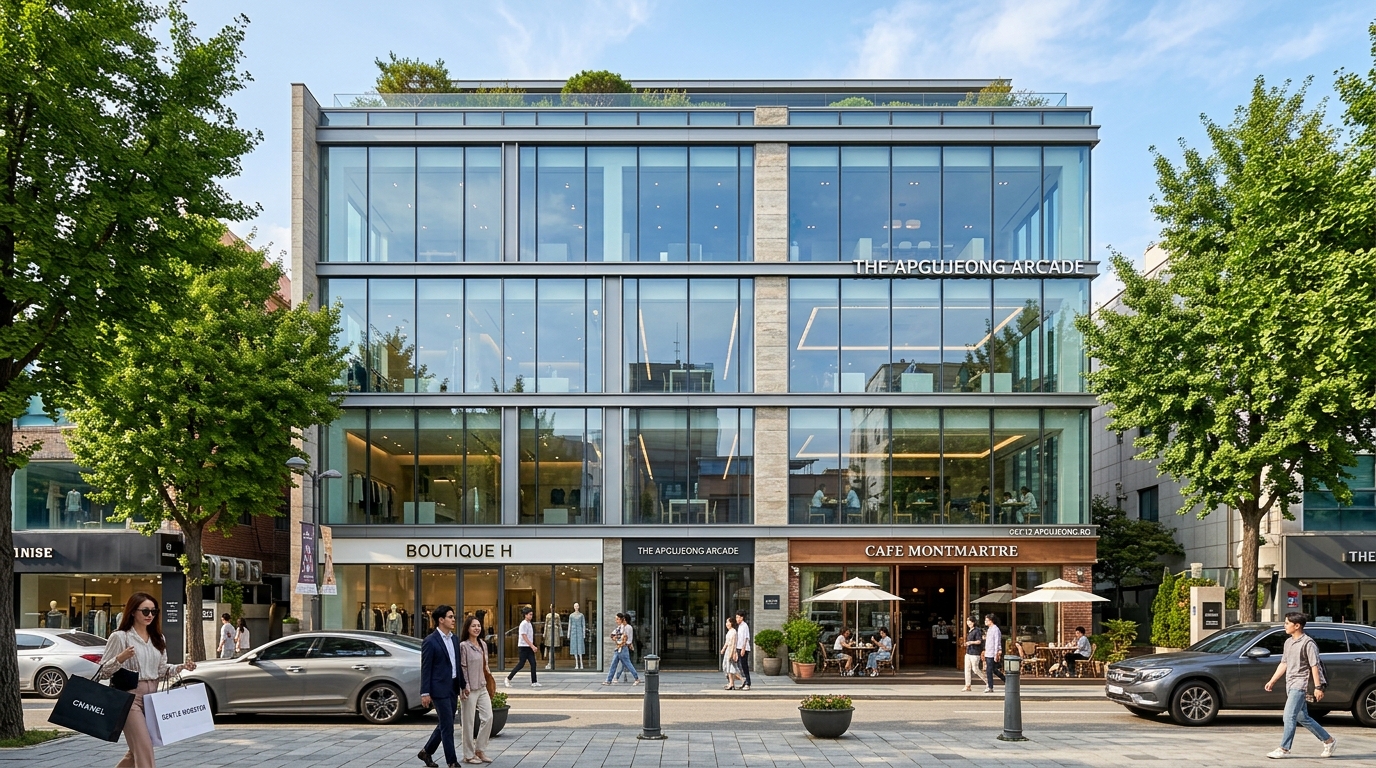

Understanding the nuances of Lee Junho real estate investments reveals a sophisticated financial roadmap that goes well beyond the standard celebrity vanity project. When a high-profile figure like Junho acquires a 17.5 billion KRW commercial building in the heart of Apgujeong Rodeo, it is rarely an act of impulsive luxury. Instead, it represents a calculated pivot toward long-term wealth preservation. Having analyzed similar asset acquisitions for years, I have found that stars who sustain long-term career success often gravitate toward tangible, high-value real estate to insulate their capital from the inherent instability of the entertainment industry. This article breaks down the mechanics of such a major purchase, exploring why prime Seoul real estate remains the gold standard for high-net-worth individuals.
Quick Summary
Strategic Acquisition: Lee Junho purchased a 17.5 billion KRW commercial building in Apgujeong Rodeo, a major retail and cultural hub in Seoul.
Corporate Vehicle: The asset was bought through his family corporation, JF Company, allowing for structured tax management and operational separation.
Investment Goal: The 1.4% rental yield signals that the focus is on long-term land value appreciation rather than immediate, short-term cash flow.
Historical Provenance: The building was previously owned by the late legendary actress Kang Soo-yeon, adding a layer of industry significance to the property.
Market Context: The move highlights a shift from smaller residential units in Cheongdam-dong to larger, complex commercial assets in Gangnam-gu.
If you want the direct answer regarding what this means for an investor: You should view this purchase as a classic “land-banking” play. The low rental yield might seem counterintuitive to a novice, but in the context of Gangnam real estate, it is perfectly logical. The primary objective is to own a finite resource in a location that serves as a permanent cultural anchor in South Korea. If you are looking for immediate returns, this is not the strategy for you; if you are looking to store millions of dollars in an asset that is historically resistant to inflation, this is a textbook approach.
The Anatomy of the Apgujeong Play
I have walked the streets of Apgujeong Rodeo countless times, and I remember when this area was struggling with high vacancy rates just a few years ago. Seeing it now—filled with trendy flagship stores, cafes, and a younger, affluent crowd—reminds me that the best investors buy when others are fearful or indifferent. By acquiring property in such a revitalized district, Junho is betting on the permanent cultural relevance of Gangnam-gu.
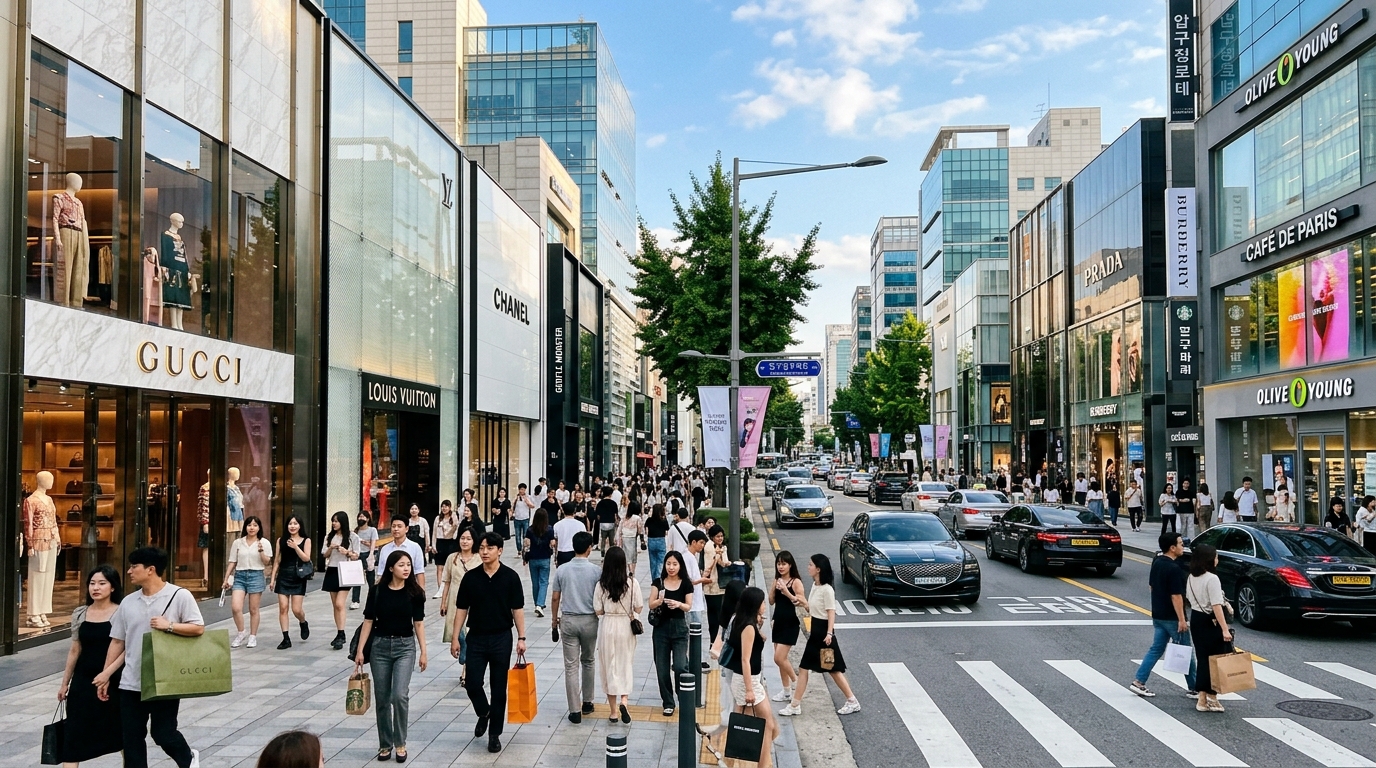
Many casual observers fixate on the 1.4% yield and wonder why he would bother with the maintenance, taxes, and legalities of being a landlord. The answer lies in the soil, not the roof. In Tokyo, London, or Seoul, the scarcity of land in primary districts ensures that even if the building itself becomes obsolete, the underlying plot of land remains an appreciating asset. This is the difference between an amateur “house flipper” and a professional “wealth architect.”
The Strategic Value of JF Company
One aspect that deserves more attention is the use of JF Company. When I started managing my own small rental portfolio, I didn’t initially understand the importance of separating personal assets from business entities. Using a family corporation is not just a tax-efficiency hack; it is a professional firewall. It protects the individual from personal liability and allows for a more streamlined approach to property management.
When a celebrity handles a 17.5 billion KRW deal through a corporate vehicle, they are signaling to the market that they are in this for the long haul. It changes the nature of the transaction from a “purchase” to an “investment.” It also simplifies the succession planning process, allowing for the eventual transfer of assets to family members with significantly less administrative friction than dealing with individual ownership records.
Comparing Investment Strategies
To better understand where Junho sits, we have to compare this to other common investment routes. Many celebrities choose the stock market or luxury retail, but those are highly volatile. Real estate provides a level of physical security that a stock ticker simply cannot provide.
| Investment Asset | Primary Benefit | Risk Level | Liquidity |
|---|---|---|---|
| Equities | High growth, easy trade | High | High |
| Savings/Bonds | Capital protection | Low | High |
| Apgujeong Commercial | Asset preservation | Moderate | Low |
As you can see, the trade-off for the security of an Apgujeong building is liquidity. Once you sink 17.5 billion KRW into a structure, you cannot turn it back into cash in a single afternoon. This confirms that Junho’s strategy is built on a 10-to-20-year horizon, not a seasonal financial outlook.
Navigating the Reality of Public Ownership
There is a massive, unspoken burden that comes with owning high-profile real estate. When I speak to investors, they often forget about the “reputation risk.” In 2023, Junho faced an “irregular” tax investigation. While headlines often sensationalize these moments, they are usually administrative disputes regarding the interpretation of tax law for high-income corporate entities.
From my perspective, this is a part of the “cost of doing business” at this scale. The 100 million KRW settlement was essentially a tax re-evaluation. It serves as a reminder to anyone entering this space that you must have a team of top-tier accountants and legal advisors. If you aren’t prepared to handle the intense, often critical glare of the public eye while managing these assets, you might find the experience overwhelming.
Why the Tenant Quality Matters More Than Yield
In my own experience managing commercial tenants, I have learned that the highest paying tenant is often the worst tenant. High rent is a red flag if it comes from a business model that is destined to fail. Junho’s building features a mix of a brunch cafe, a ballet academy, and professional offices. This is a brilliant, diversified tenant mix.
These types of tenants provide stable, predictable income and are less likely to default than a high-risk, trendy popup shop that disappears after three months. A stable tenant ensures the building maintains its reputation, which, in turn, protects the long-term value of the property. When you are a landlord, you are in the business of tenant retention, not just rent collection.
Common Mistakes to Avoid
- Ignoring the Floor Area Ratio (FAR): Many new investors fall in love with the aesthetics of a building but ignore the legal limitations on expansion. Always check the zoning laws and the remaining floor area ratio before closing. You want to know if you can add a floor or expand the usable square footage in the future. I have seen owners buy a “perfect” building only to realize they are trapped by height restrictions that effectively cap their ROI for the next 30 years.
- Underestimating Maintenance Liabilities: Commercial buildings, especially older ones, are money pits if you don’t budget for systemic failure. HVAC systems, electrical upgrades, and facade maintenance in a district like Apgujeong are exorbitantly expensive. I once neglected to budget for a roof replacement on a commercial property, and it wiped out my profit for the entire year. Always keep a significant capital expenditure reserve.
- You are easily rattled by market fluctuations or public scrutiny.
- timesofindia.indiatimes.com
Who Should Invest in Commercial Real Estate (And Who Should Not)
This level of investing is not for everyone. It requires a specific temperament and a high degree of financial readiness.
This is ideal for:
High-net-worth individuals seeking a hedge against inflation.
Investors who can lock away significant capital for 15+ years without needing liquidity.
Professionals who already have a diversified portfolio (stocks, cash, and other assets).
People who have access to a network of tax attorneys, property managers, and legal experts.
You might want to skip this if:
You are looking for a “quick flip” or immediate passive income.
You feel overwhelmed by the idea of managing repairs, tenant complaints, or permit applications.
Your current net worth is mostly tied up in your primary residence.
Managing the Emotional Side of Money
It takes a unique kind of discipline to look at a 1.4% yield and feel satisfied. Most of us are conditioned to look for 7% or 10% returns in the stock market. However, when you reach the level of wealth that Junho has, the goal shifts from “growth” to “survival.” The primary question is: “How do I ensure this money is still there in 30 years?”

I have seen people lose fortunes by chasing the next big thing, while those who stayed in stable, “boring” real estate quietly built generational wealth. The key is to detach your emotions from the daily ups and downs of the market and focus on the bedrock reality of owning land. It is a psychological game as much as a mathematical one.
Frequently Asked Questions
1. Why do celebrities favor Apgujeong Rodeo for real estate?
Apgujeong Rodeo acts as a cultural epicenter in Seoul. It has undergone a significant transformation from a struggling retail zone to a luxury destination. The low vacancy rate and high-foot-traffic demographics ensure that properties in this district are highly liquid in terms of demand, even if the individual buildings themselves are long-term holds. It’s a status symbol and a safe-haven asset rolled into one.
2. Is a 1.4% rental yield considered a “bad” investment?
In standard personal finance, yes, a 1.4% return is low compared to inflation or high-yield savings accounts. However, in luxury commercial real estate, this yield is misleading. The true ROI includes the annual appreciation of the land value, which in a prime district like Gangnam can far exceed the rental income over a decade. It is a strategy for wealth preservation, not immediate income generation.
3. What is the benefit of the family corporation structure used here?
Using a corporation like JF Company creates a legal and financial barrier between the individual and the asset. It centralizes all expenses—taxes, building maintenance, renovations, and insurance—into one entity. This simplifies the accounting process, allows for better tax optimization, and makes the eventual transfer of assets (such as inheritance) much cleaner and more predictable than holding the deed as an individual.
4. How did the tax audit affect Junho’s investment profile?
There is no evidence that the tax audit indicated poor investment practices. In South Korea, large-scale “irregular” tax audits of high-earning entertainers are common administrative procedures. The additional tax paid was a result of a difference in interpretation between his agency’s tax advisors and the government, rather than intentional evasion. It is a testament to his team’s professional management that the matter was resolved without disrupting his ongoing career projects.
Conclusion
Lee Junho’s real estate portfolio is a prime example of maturity in wealth management. He has moved away from the volatile nature of celebrity-linked revenue and into the stable, structural world of commercial land ownership. By buying through a corporate entity in a high-demand district like Apgujeong, he is playing the long game—a strategy that ignores the hype cycle and focuses on the underlying reality of property scarcity.
If you want to emulate this level of success, you do not necessarily need 17.5 billion KRW. You do, however, need to emulate the mindset. Focus on asset preservation, prioritize professional legal and financial structures, and be willing to endure the “boring” parts of property ownership for the sake of long-term stability. Real wealth is rarely made in the spotlight; it is made in the quiet, strategic decisions you make behind the scenes. Whether you are building a portfolio from scratch or just following the career of a star, the lesson remains the same: treat your finances with the same professionalism you would apply to your own career, and you will build a foundation that lasts.