
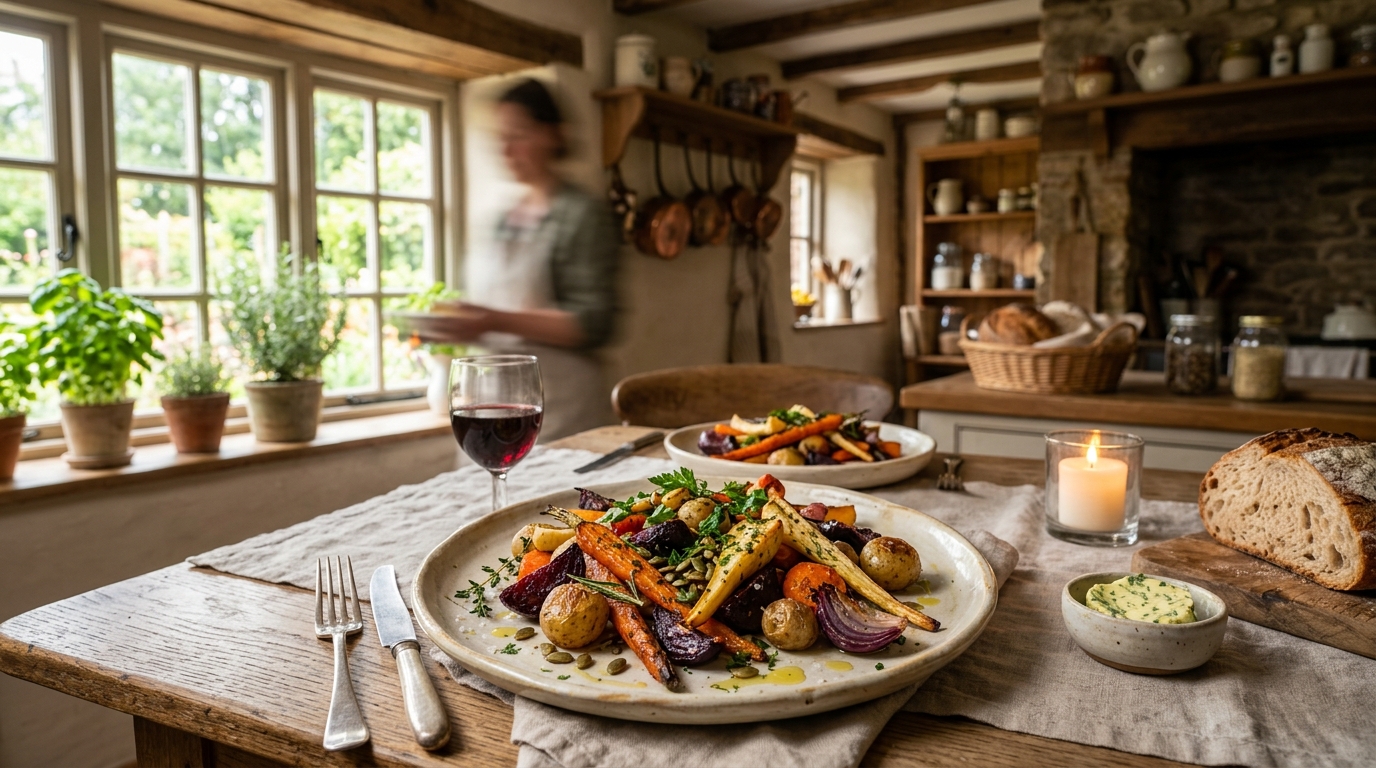

Finding a genuine farm-to-table dining experience is about much more than just spotting a rustic chalkboard sign outside a cafe. When I first began investigating the supply chains behind my favorite local bistros, I was surprised to find that many restaurants claiming to be ‘farm-focused’ were simply buying from the same industrial distributors as the chain restaurant down the street. A true connection between the soil and your plate is a rigorous, often difficult pursuit that requires chefs to work around the volatile rhythms of nature. If you are tired of performative marketing and want to taste ingredients that haven’t been forced to grow on a commercial schedule, you need to learn how to read a menu—and a kitchen—like an insider.
Quick Summary
- Direct Sourcing: Authentic farm-to-table restaurants list the specific farms they work with, not just generic terms like ‘locally sourced.’
- Seasonal Integrity: Menus change frequently based on harvests; a static signature dish list for six months is a red flag for industrial sourcing.
- Transparency Matters: True sustainable dining involves waste reduction, such as nose-to-tail butchery and using vegetable scraps for stocks.
- The Snail Standard: Seek certifications like the ‘Snail of Approval’ from Slow Food organizations, which verify labor and environmental ethics.
- Economic Reality: You are paying for the labor of small-batch farmers and the skill of a chef who adapts to inconsistent, non-standardized produce.
- Food enthusiasts who prioritize nuanced, earthy flavors over heavy, standardized sauces.
- Conscious eaters who want to ensure their spending habits support regenerative agriculture.
- Diners who enjoy the narrative behind their meal—knowing the story of the farmer adds to the experience.
- You are a ‘picky eater’ who requires a static, familiar menu every time you visit.
- You are currently on an extremely strict budget where maximizing calories per dollar is the primary objective.
- You prefer the high-sodium, high-sugar profile of mass-produced comfort food, which can make natural produce taste ‘bland’ by comparison.
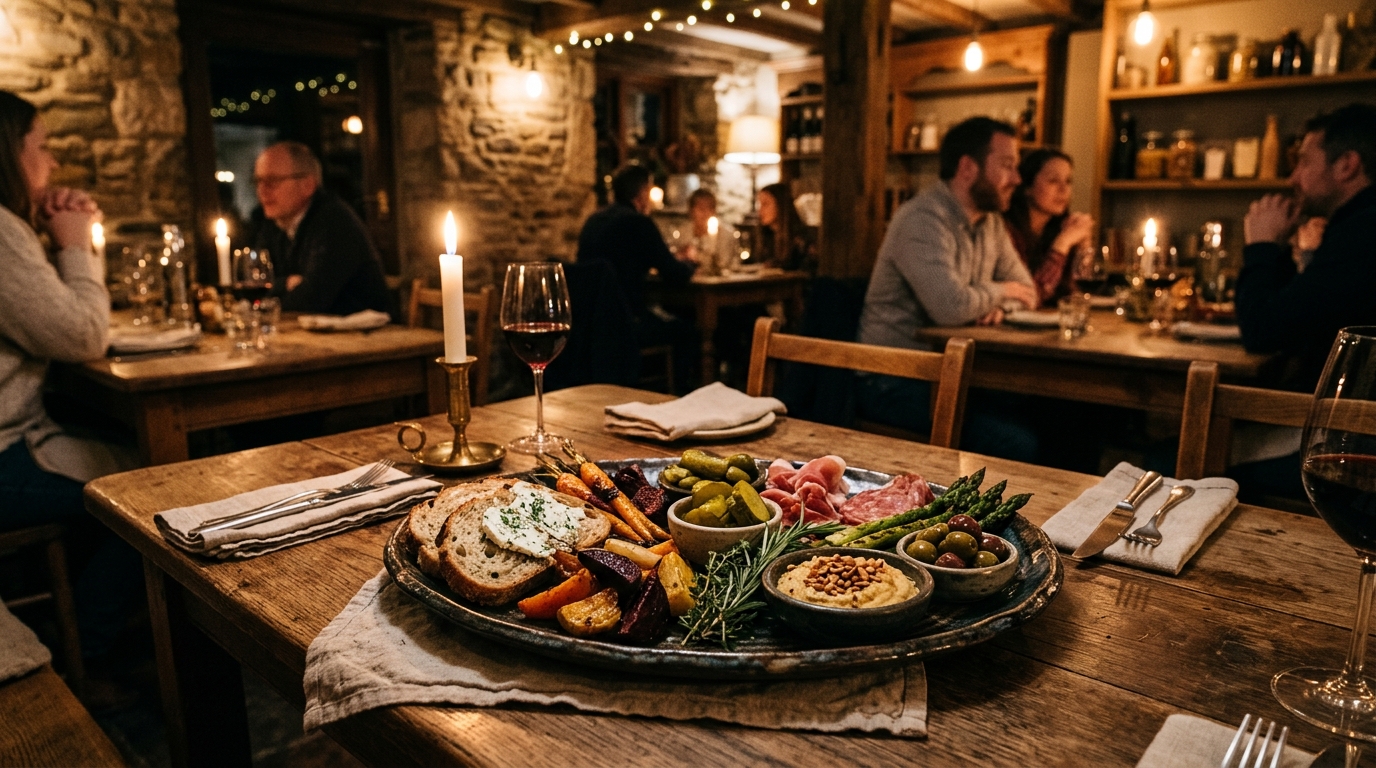
- Ignoring the Seasonal Calendar: I have seen ‘farm-to-table’ restaurants serving fresh asparagus in the middle of a snowy winter. This is a clear indicator of lying. If the ingredient is not native to your climate and season, it has been shipped, which breaks the fundamental promise of the movement. Always check if the menu matches the local growing season.
- Assuming ‘Simple’ Means ‘Light’: There is a common misconception that eating local means eating salads. That is a massive mistake. Historically, farm-focused cooking is often hearty, utilizing fats, slow-roasting techniques, and preserved goods to make the most of local produce during colder months. Don’t go in expecting a bowl of steamed greens; go in expecting, for example, a deeply braised local squash with handmade sourdough.
- seacoastcurrent.com
- www.orlandodatenightguide.com
- sociallifemagazine.com
- boulderreportinglab.org
- www.australiantraveller.com
- www.phoenixnewtimes.com
The Direct Answer: How to Verify Authenticity
If you want to know if a restaurant is truly committed to the farm-to-table ethos, look for specificity. A genuine establishment will name the farm, the region, or even the specific grower on their website or menu. If a restaurant claims to be ‘fresh’ but cannot tell you where the carrots came from this week, you are likely paying a markup for a marketing buzzword rather than superior produce. Your best move as a diner is to ask the server directly: ‘Where did the produce in this dish come from?’ If they can give you a concrete, local answer without hesitation, you have likely found a kitchen that cares about its supply chain. If they have to check with the kitchen or give a vague answer about ‘regional distributors,’ move along.
The Geometry of Freshness: Why Timing is Everything
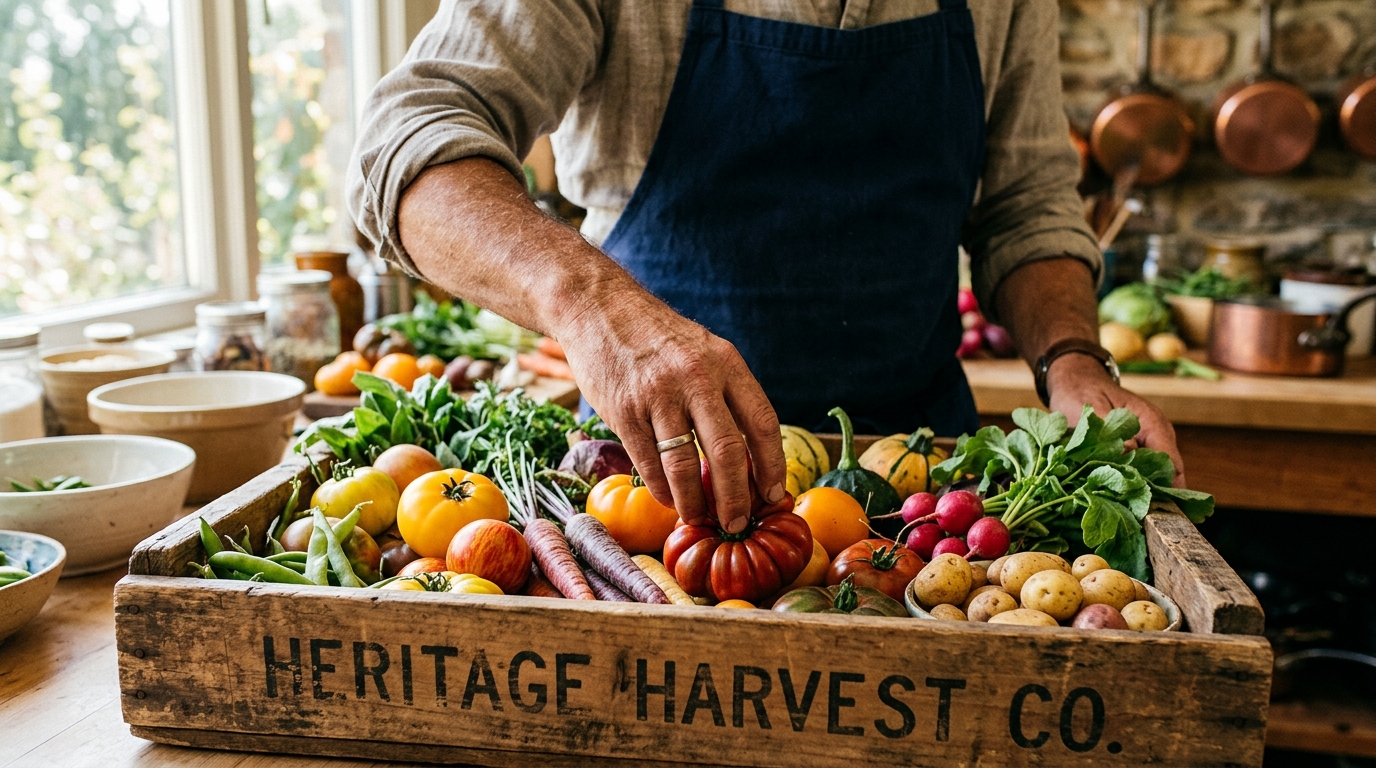
In my travels through various culinary regions, I have learned that the most profound difference in flavor comes down to the interval between harvest and consumption. Industrial produce is bred for durability—it needs to survive shipping across multiple states without bruising. This selection process inevitably breeds out flavor in favor of shelf life. When I spent a week working in a professional kitchen that sourced everything within a 30-mile radius, the change was jarring. The heirloom tomatoes weren’t perfectly round, and the lettuce had small spots where a beetle had clearly taken a bite. Yet, the flavor was explosive, sweet, and acidic in ways I had never experienced with supermarket vegetables.
Chefs who prioritize this model do not just pick the best looking ingredient; they work with the land. If the weather has been cold and the spinach is late, they don’t buy frozen alternatives—they change the menu to highlight what is actually available. This requires a level of culinary confidence that many commercial chefs lack. You are not just paying for a meal; you are paying for the flexibility of the chef to pivot their creative process daily. It is a surrender of control that forces you to engage with the actual season, rather than your own cravings.
Navigating the Sustainability Gap
There is a massive difference between organic and sustainable, and this is where most diners are misled. A piece of produce can be certified organic and still have been flown in on a jet from a different continent. Sustainability, as championed by programs like the Michelin Green Star or the Slow Food Snail of Approval, looks at the entire lifecycle. Does the restaurant compost its waste? Do they use the peel and the trimmings for stocks? Are they sourcing whole animals to reduce the carbon footprint of meat production?
I once visited a high-end bistro that marketed itself as ‘sustainable’ but tossed fifty pounds of vegetable trimmings into a dumpster every single night. That is not farm-to-table; that is merely high-priced food sourcing. True sustainability is a closed-loop system. When I look at a menu, I look for dishes that use the whole plant. If they are serving glazed root vegetables, are they also using the greens in a pesto or a side? This level of intentionality is the gold standard of responsible dining. It respects the life of the ingredient from the root to the plate.
The Financials: Is the Premium Justified?
People often balk at the price difference between a local bistro and a chain restaurant. Let’s look at the numbers. In a standard, mass-market model, ingredients are commodified. They are chosen because they are cheap, reliable, and uniform. In a local, high-quality establishment, you are paying for the labor of the farmer, the transport of the small-batch goods, and the immense labor of the kitchen. A chef in a truly farm-focused kitchen spends hours prepping raw, dirty vegetables that arrive from the field, whereas a chain chef often just opens a bag of pre-prepped, chemically treated greens.
When you pay $90 for a meal that costs $30 at a chain, that $60 difference is not just for the ‘fancy’ atmosphere. It is an investment in the local food economy. Every dollar spent at a truly sustainable restaurant helps prevent a small farm from going bankrupt. If those small farms disappear, we lose the genetic diversity of our food system. We move closer to a world where every tomato tastes the same, regardless of where you are. Is the meal worth it? If you value quality and community, the answer is a resounding yes. It is cheaper to support these farms now than to try to rebuild a broken agricultural system later.
Who Should Choose Farm-to-Table (And Who Should Not)
Choosing this style of dining requires a shift in mindset. It is not always the ‘easy’ choice, but it is often the most rewarding one for the right person.
This is ideal for:
You might want to skip this if:
Common Mistakes to Avoid
Understanding the ‘Snail of Approval’ and Certification
If you find yourself in regions like Boulder, Colorado, or certain parts of Europe, you might see certifications like the ‘Snail of Approval.’ This is not a meaningless badge; it is a vetting process that requires an on-site inspection. It looks at whether the restaurant pays a fair wage to its employees—a crucial part of sustainability—and whether they source a specific, high percentage of their ingredients from local producers.
I once spoke with a restaurant owner who pursued this certification, and she told me it was significantly more difficult to achieve than a traditional business license. It required tracking every single ingredient back to its origin. When you see a restaurant that has gone through the effort to be transparent about their supply chain, it tells you something about the owner’s character. They are willing to prioritize the food system over the convenience of a one-stop-shop food distributor.
The Role of Agritourism
If you want the ultimate version of this experience, skip the city bistro entirely and find a restaurant situated on the farm itself. Destinations like The Well at Jordan’s Farm in Maine or various locations in the Riverina region of Australia offer a level of connection that no city restaurant can replicate. You are quite literally eating while overlooking the fields that produced your dinner. This ‘agritourism’ model provides a necessary revenue buffer for the farm, allowing them to continue growing unique, heritage varieties that are not profitable for large-scale operations. It is a symbiotic relationship where the diner gets the freshest possible food, and the farmer gains the financial stability to continue their work.
Frequently Asked Questions
How can I tell if a restaurant is truly farm-to-table or just using it as a buzzword?
Look for granularity in their sourcing. A genuine restaurant will name specific farms and change their menu regularly—often weekly. If the menu has been the same for six months and they cannot name the origin of their core produce, they are likely using a broad-line distributor. Authentic chefs are proud of their farmers and will talk about them on their menus or social media.
Does farm-to-table always mean vegetarian?
Absolutely not. In fact, many of the most successful sustainable restaurants are omnivorous. They apply the same ‘local’ logic to their meat and dairy as they do to their vegetables. They often source whole animals from local ranches and practice nose-to-tail butchery, which is an incredibly sustainable way to consume protein. This often results in dishes that are far more creative and diverse than what you would find in a commercial steakhouse.
Why does the food at these restaurants taste so different from what I buy at the store?
It comes down to variety selection and ripening. Industrial agriculture selects for shipping hardiness and uniformity. Local farms select for flavor. When you eat at a high-quality local bistro, you are eating a tomato that was allowed to vine-ripen, which develops complex sugars and acids that don’t exist in a fruit picked green and gassed to turn red in a warehouse. Your palate may need time to adjust, but once you taste the difference, it is very difficult to go back.
Is it always more expensive to eat this way?
While fine-dining versions of this cuisine are expensive due to high labor costs, you can replicate this at home for much less by shopping at farmer’s markets. The ‘premium’ at a restaurant is largely for the culinary skill and the logistics of sourcing small-batch ingredients. By building your own relationship with a local grower, you can access superior produce at a price point that rivals or beats standard supermarket organics.
Conclusion: Making the Conscious Choice
Choosing a true farm-to-table dining experience is a form of activism. Every time you dine, you are casting a vote for the type of food system you want to exist. When we rely on industrial, faceless supply chains, we accept a world of bland, uniform, and disconnected eating. When we support chefs who work directly with the land, we support the farmers who are actually preserving our soil and our heritage.
My final advice? Start small. Find one local restaurant that truly knows its farmers and commit to becoming a regular. Get to know the rhythm of their menu. Learn what is currently in season in your specific region. You will find that your palate becomes more sensitive, your connection to your community grows, and the food itself starts to carry a level of depth you never thought possible. It is a return to a more logical way of living—one that respects the time it takes for a seed to become a meal.