
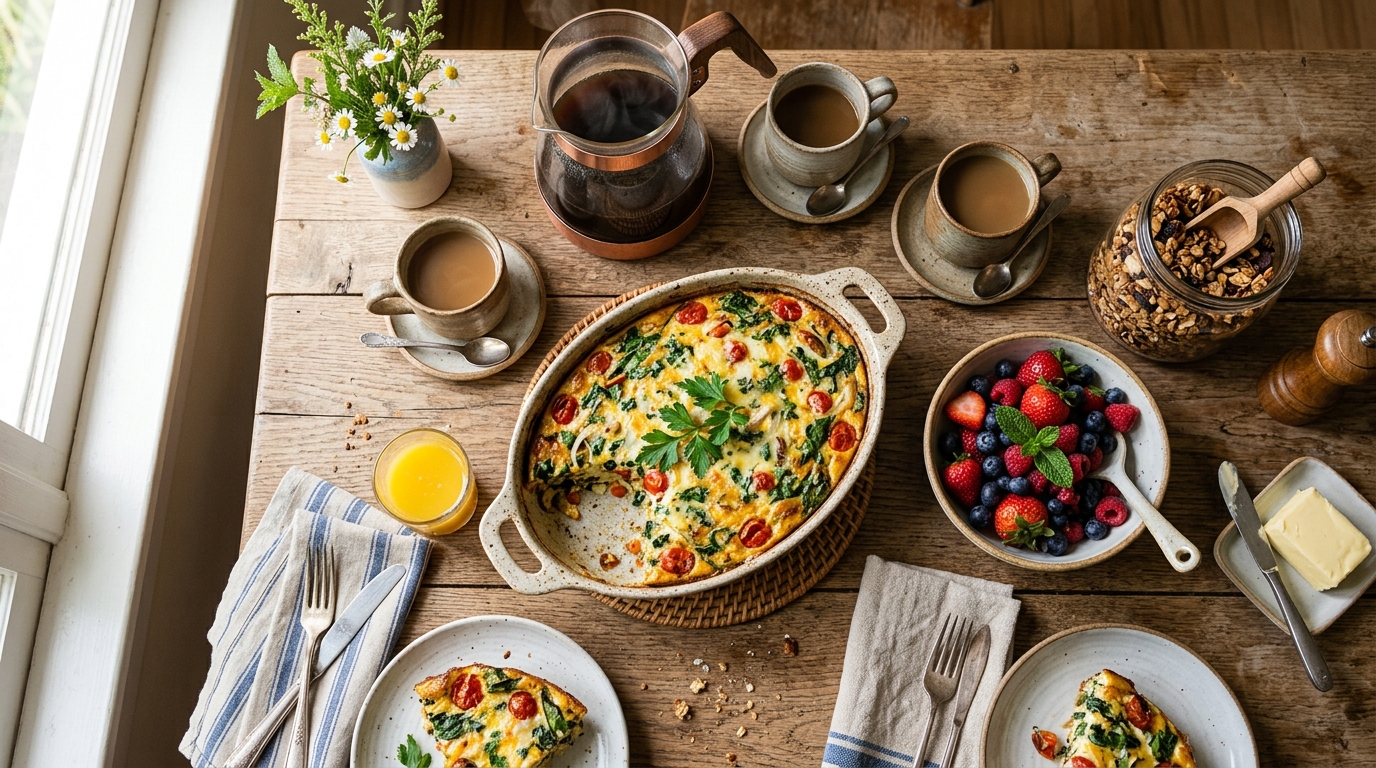

Planning the perfect morning meal requires a shift in perspective. If you are searching for the best weekend breakfast recipes, you have likely realized that the difference between a relaxing Saturday and a hectic, dish-filled morning lies in your preparation strategy. I spent years trying to cook elaborate brunches on demand, only to end up exhausted while my guests finished their coffee. The secret is not in the complexity of the ingredients, but in the efficiency of your workflow. By moving from spontaneous, on-the-spot cooking to a framework based on passive labor, you can transform your kitchen into a place of genuine enjoyment.
Quick Summary
Prioritize Passive Cooking: Shift labor to the night before by using overnight casseroles, allowing flavors to meld and morning stress to vanish.
Master the Balance: Pair high-calorie, indulgent treats with nutrient-dense sides to maintain energy levels throughout the day.
Utilize Equipment: Leverage slow cookers and air fryers to free up your stove and countertop during peak hosting times.
Embrace Flexibility: Treat breakfast as a creative canvas by repurposing leftovers or opting for ‘breakfast for dinner’ to simplify your meal planning.
Efficiency First: The goal is to keep active morning kitchen time under 20 minutes, regardless of the recipe’s complexity.
The Direct Answer: How to Manage Your Weekend Kitchen
To reclaim your mornings, you must stop treating weekend breakfast as an individual order-up operation. Whether you are hosting a house full of relatives or simply trying to provide a high-protein start for your family, the most effective strategy is the ‘overnight soak’ method. Dishes like sourdough strata, blueberry French toast casseroles, or savory egg-and-vegetable bakes are designed to sit in the refrigerator for 8 to 12 hours. This period is not just a convenience; it is a chemical necessity that allows the bread or grain to absorb the custard, resulting in a superior, unified texture that is impossible to achieve in a 30-minute scramble. If you prioritize one make-ahead dish, you effectively outsource the labor to your past self, leaving only the final act of baking for the morning.
Understanding the Weekend Cooking Spectrum
When navigating the massive library of potential dishes, categorize your options based on ‘active time’ rather than total prep time. I categorize my recipes into three buckets: hands-on, passive, and assembly-only. A classic Croque-Madame, while delicious, falls squarely into the hands-on bucket. It demands your full attention at the stove. Conversely, an ‘Apple Pie Steel-Cut Oatmeal’ in a slow cooker or a cold-prep chia seed pudding falls into the passive bucket.
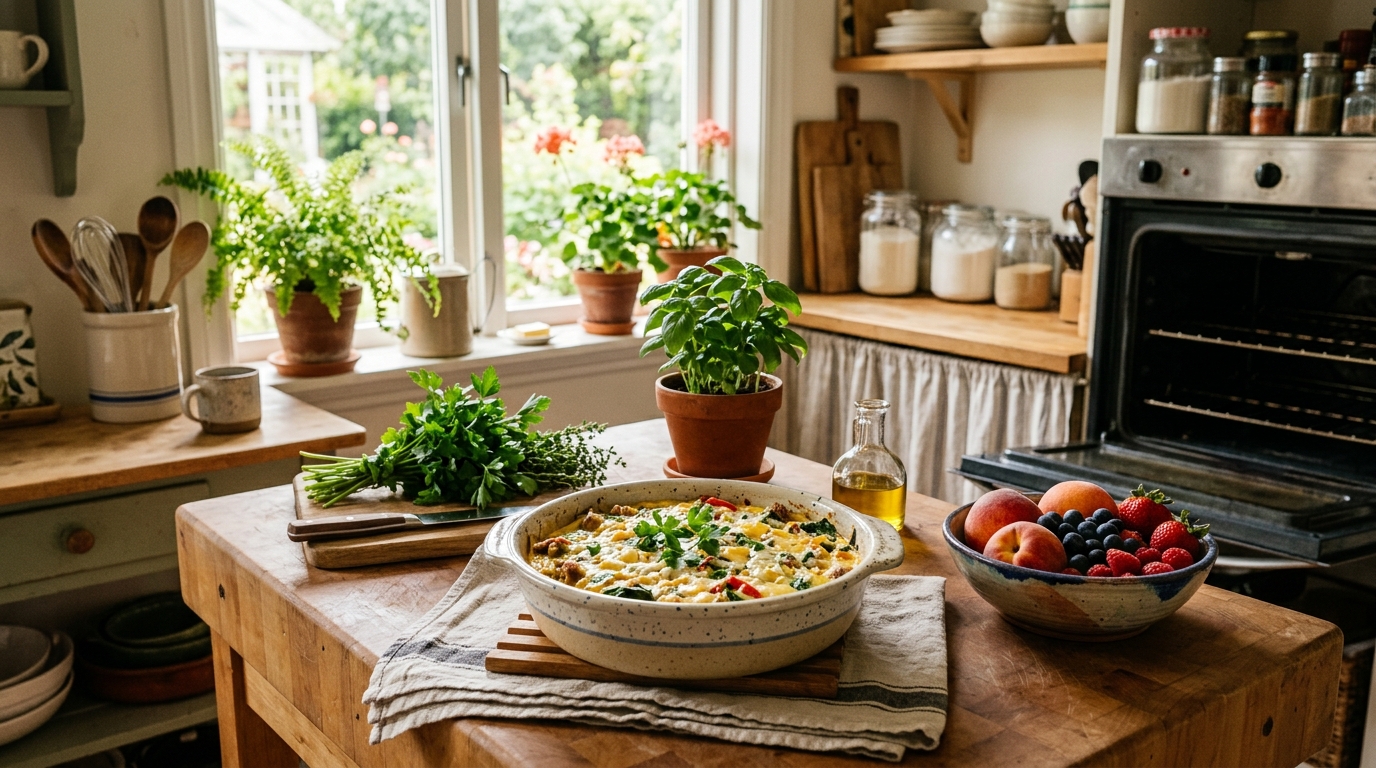
When I first started utilizing this spectrum, I noticed that my weekend stress levels plummeted. If Saturday is a ‘busy’ day with errands, I opt for passive recipes. If Sunday is reserved for relaxing and listening to music, I might choose a slightly more involved, active recipe. This awareness prevents the common pitfall of over-committing to complicated dishes when your schedule, or energy, simply cannot support them.
The Strategic Power of Casseroles and Stratas
The beauty of the casserole lies in its volume and reliability. When hosting a group of six or more, attempting to plate individual eggs or pancakes is a logistical nightmare. You end up eating in shifts or serving cold food. A well-constructed strata—bread, eggs, cheese, and seasonal vegetables—serves the entire table at once. I personally love incorporating leftover sourdough from the week; its density holds up better than standard sandwich bread, preventing the dreaded ‘soggy bottom’ effect.
The Rise of ‘Breakfast for Dinner’
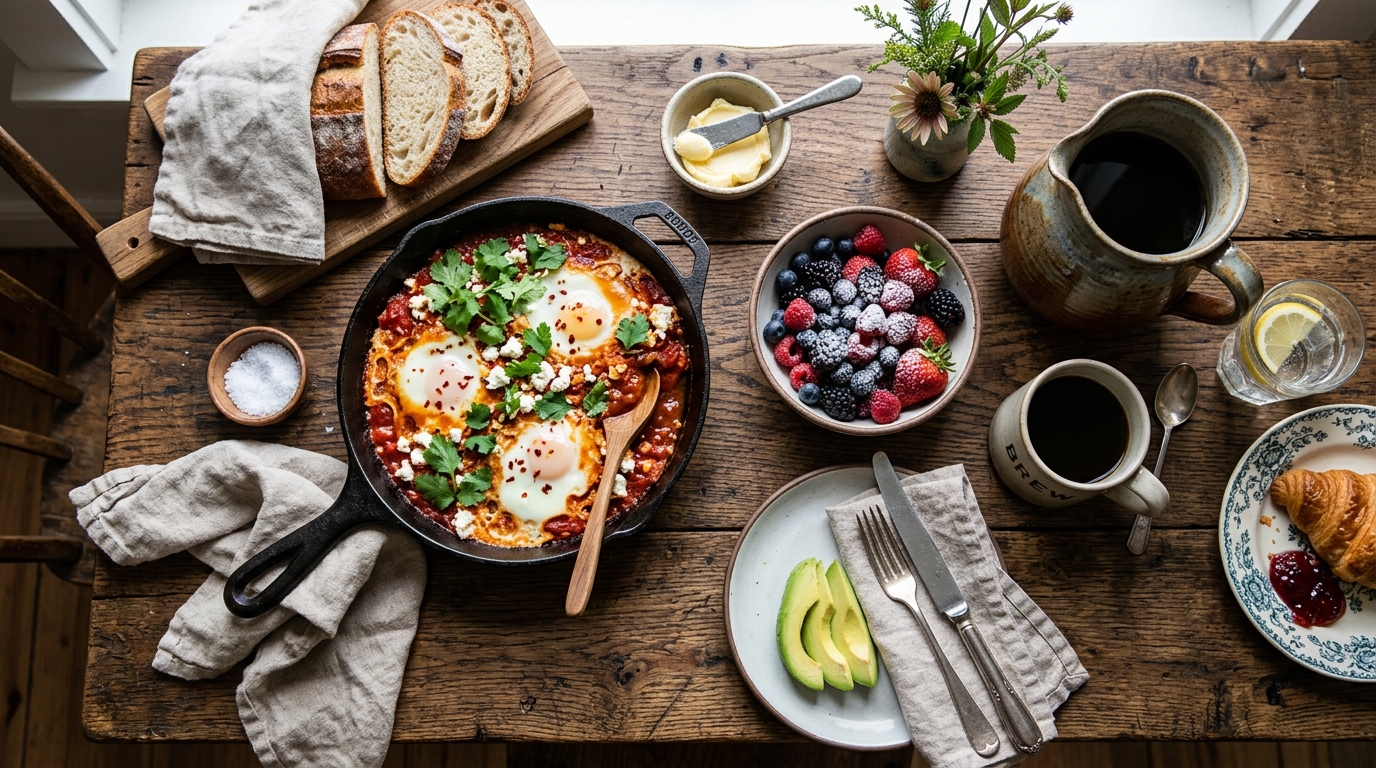
There is a liberating quality to eating breakfast food at 7 PM. I have found that dishes like Shakshuka—eggs poached in a simmering, spicy tomato and pepper base—make an exceptional, light dinner. It is nutritionally dense, low in fat, and provides a nice break from the typical grain-heavy dinners. By shifting some of your favorite brunch recipes to the evening, you free up your actual weekend mornings for activities that don’t involve a hot stove. It also helps reduce food waste; that half-onion and leftover bell pepper from your Friday night prep now have a designated, purposeful home in your Saturday morning scramble.
Strategic Meal Planning and Nutritional Data
When you are choosing from a vast array of potential options, choice paralysis can lead to unhealthy default decisions. I recommend looking at your weekend as a cumulative experience rather than an isolated set of meals. If I know I am planning a decadent, high-sugar French toast for Sunday, I make a point to ensure my Saturday breakfast is protein-centric and vegetable-heavy.
Consider the following approach to balancing your menu:
| Recipe Category | Active Prep | Nutrient Density | Best Use Case |
|---|---|---|---|
| Overnight Stratas | 10 Min | Moderate/High | Crowd Hosting |
| Egg-Centric Skillets | 15 Min | High | Quick Sustenance |
| Baked Oat Muffins | 20 Min | High (Fiber) | Grab-and-Go |
| Slow-Cooker Porridge | 5 Min | High (Complex Carb) | Passive Weekend |
By following this balance, you avoid the ‘carb crash’ that often comes with heavy weekend brunching. Incorporating fiber-heavy vegetables like spinach, zucchini, or bell peppers into your egg dishes provides satiety that lasts well into the afternoon.
The Role of ‘Secret’ Ingredients
Flavor elevation does not require a trip to a specialty store. In my own cooking, I have found that acidity is the most underrated tool for breakfast success. A splash of apple cider vinegar in a savory egg scramble or a squeeze of fresh lemon juice over a roasted potato hash cuts through the fat and brightens the entire plate. Similarly, don’t underestimate the power of fresh herbs. Folding a handful of chopped parsley, basil, or dill into your eggs right before they finish cooking adds a layer of freshness that dried spices simply cannot replicate.
For those who enjoy sweet breakfasts, vanilla extract is only the beginning. Try adding a pinch of sea salt to your pancake batter—it amplifies the sweetness of the fruit without requiring extra sugar. Small, incremental changes like these make your home cooking feel professional, satisfying, and deeply intentional.
Who Should (And Should Not) Use These Recipes
Choosing the right culinary path depends on your lifestyle. My methodology is designed to reduce labor, but not everyone enjoys the structured nature of batch-prep or overnight waiting.
This is ideal for:
The Weekend Host: If you find yourself frequently entertaining, the overnight casserole and strata variations are your best friends. They ensure you are sitting with your guests rather than hovering over the skillet.
The Busy Parent: Families looking for nutritious, grab-and-go options will find immense value in batch-prepping breakfast burritos or high-protein muffins that store perfectly in the freezer.
The Efficiency-Seeker: If you want to maximize your Saturday morning for hiking, reading, or simply sleeping in, the ‘passive’ approach to cooking is designed for your needs.
You might want to skip this if:
You Prefer Spontaneous Cooking: If you enjoy the art of ‘improvisational’ cooking where you open the fridge and see what happens, the measured, chemical requirements of baking and overnight soaking might feel restrictive.
You Have Strict Dietary Restrictions: While many recipes can be modified, traditional stratas and baked goods rely heavily on gluten and dairy. If you are strictly Keto, Vegan, or Celiac-friendly, you will need to perform significant modifications that might alter the structural integrity of the dish.
Common Mistakes to Avoid
Even with the best planning, common errors can derail your morning. I have made them all, often more than once.
- The ‘Immediate Oven’ Mistake: Many home cooks pull a casserole out of the fridge and put it straight into a hot oven. This causes the edges to burn and dry out before the center is even warm. I always let my cold dishes sit on the counter for at least 20 minutes before baking to ensure even heat distribution. It’s a simple step, but it drastically improves texture.
- The ‘Too Many Sides’ Miscalculation: I used to try to make eggs, pancakes, bacon, and fruit salad all at once. The result was almost always a cold, disorganized meal where I ended up being the last person to eat. Pick one ‘star’ dish and keep the sides simple—pre-cut fruit, a simple yogurt bowl, or pre-cooked bacon. This allows you to serve everything warm simultaneously.
- The Hidden Cost of Convenience: While premade mixes or frozen breakfast foods are tempting, you are often paying a massive markup for processing and packaging. Investing 30 minutes in the kitchen on a Friday night to prep your own dough or mix saves you money and eliminates the preservatives and excess sodium found in many commercial alternatives.
- www.skinnytaste.com
- www.themediterraneandish.com
- www.tasteofhome.com
- www.bbc.co.uk
- www.acouplecooks.com
- www.marieclaire.co.uk
Cost and Value Breakdown
Budgeting for your weekend breakfast can be incredibly efficient if you approach it as a procurement challenge. Buying seasonal fruit—like blueberries or stone fruits—in bulk and freezing them has saved me significantly compared to buying small, expensive cartons every week.
Pantry Staples: Items like oats, bulk flour, and spices represent a low-cost, high-value investment. A bag of steel-cut oats, costing roughly $4.00, can provide over 20 servings of heart-healthy breakfast fuel.
Protein Costs: Eggs remain the most cost-effective protein source available. A single dozen can anchor a breakfast for four, especially when transformed into a hearty veggie-packed frittata.
Frequently Asked Questions
Can I substitute frozen fruit for fresh in these recipes?
Absolutely. In fact, for baked goods like blueberry crumbles or oat muffins, frozen fruit is often superior because it is picked and frozen at peak ripeness. When using frozen fruit, avoid thawing it completely, as this can release excess moisture that alters the batter’s consistency. Toss the frozen berries directly into your mixture just before sliding the pan into the oven.
How long can I keep my breakfast casseroles in the freezer?
Most egg-based or bread-based casseroles remain at peak quality for up to three months if wrapped in a layer of plastic wrap followed by heavy-duty aluminum foil. When you are ready to eat, move the casserole from the freezer to the refrigerator 24 hours prior to baking. This gradual thawing process prevents the bread from becoming soggy or separating from the egg mixture, which is the most common reason frozen casseroles fail.
Is ‘breakfast for dinner’ really as healthy as a standard dinner?
It depends entirely on your ingredient choices. If you lean toward heavy pastries, the caloric load will be high. However, using a recipe like Shakshuka or a vegetable-heavy frittata is an excellent way to get a balanced, fiber-rich dinner. By utilizing high-protein eggs and seasonal vegetables, you can create a meal that is significantly lighter than a typical pasta-heavy dinner. The key is to focus on recipes that incorporate legumes or fresh produce to sustain your energy through the evening.
How can I make my weekend breakfast more protein-focused?
Boosting protein doesn’t require processed powders. Incorporate ingredients like cottage cheese into pancake batters for a fluffy, high-protein result. Use Greek yogurt as a base for your parfaits instead of regular yogurt, or add white beans to your tomato-based egg dishes. These additions provide satiety that prevents that mid-morning hunger slump, making your weekend more productive and less focused on snacking.
Conclusion: Mastering Your Weekend Rhythm
The secret to enjoying a delicious weekend breakfast is to stop viewing it as a chore and start viewing it as a planned, ritualized activity. By utilizing a rotation of recipes—ranging from the quick 10-minute parfaits to the extensive, slow-cooked oatmeal—you have the tools to balance indulgence with genuine health. Start small: pick one ‘make-ahead’ recipe for your next Saturday morning. Once you experience the luxury of waking up to a kitchen that is already prepped, you will never go back to the frantic morning scramble again. Focus on quality, embrace the art of the overnight soak, and remember that sometimes, the best part of the day is the quiet, slow moments shared over a warm plate of food. Your weekend rhythm should be dictated by your own pace, not the pace of a hot stove. Choose a recipe that serves your goals, prep it with intention, and reclaim your time.