
The Ultimate Guide to Exploring Seoul fashion districts
Navigating the diverse Seoul fashion districts is an essential rite of passage for any traveler looking to understand how South Korea transformed from a local manufacturing hub into a global arbiter of style. When I first stepped off the plane in Incheon, I thought I knew what to expect—bright lights, K-pop posters, and endless racks of clothing. However, the reality of the local retail scene is far more nuanced, blending high-concept architecture with an underground culture that prizes artistic experimentation over mass-market trends. If you want to see where global luxury houses meet the next generation of indie designers, you must move beyond the standard tourist spots and head straight for the neighborhoods where the city’s creative pulse actually beats.
Quick Summary
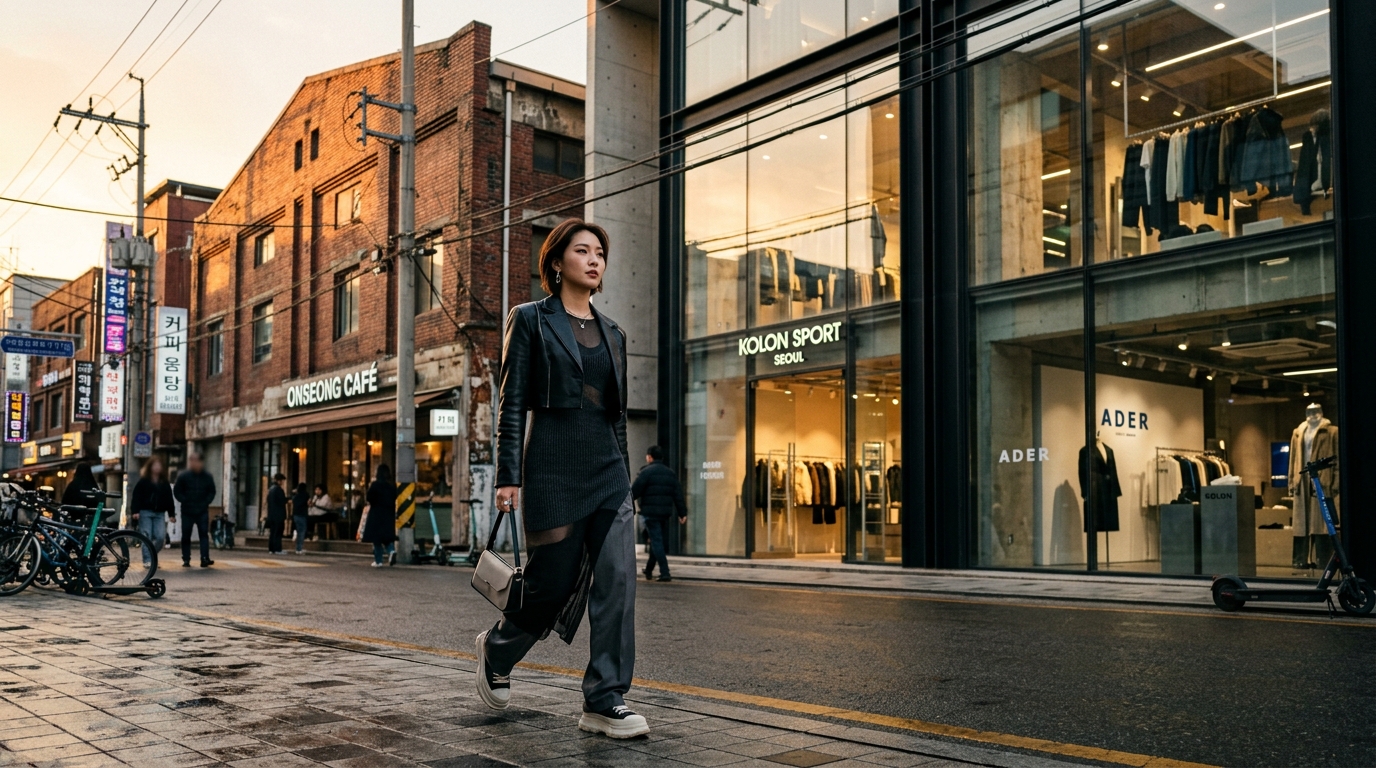
Seongsu-dong: The “Brooklyn of Seoul” featuring industrial-chic warehouses, avant-garde pop-ups, and iconic concept stores like Ader Error.
Apgujeong & Cheongdam: The ultimate destination for high-end luxury flagships, Michelin-starred dining, and sophisticated retail environments.
Hongdae: The heart of youth culture, indie music, and experimental streetwear; ideal for discovering local talent and street-level trends.
Dongdaemun: The wholesale engine of the city, operating through the night for those who want high-quality fashion at competitive wholesale prices.
Crucial Tip: Many galleries and concept stores close on Mondays, so structure your itinerary to avoid an empty-handed start to the week.
The Direct Answer: Where to Start Your Journey
If you have only one day to explore, start in Seongsu-dong. It offers the most distinct local experience, where you can move from a coffee break in a century-old brick warehouse to shopping for experimental eyewear at Gentle Monster or browsing the curated selection at EQL. You will find a density of creativity here that simply does not exist elsewhere, and the neighborhood is compact enough to explore entirely on foot. Avoid trying to visit all four major districts in one day, as the travel time between them can exceed 45 minutes on the metro.
Seongsu-dong: The Industrial Revolution of Style
I vividly remember my first time in Seongsu. I walked past what looked like a derelict printing shop, only to find a lush, high-design café inside. This area was once the manufacturing heart of the city, and its transformation into a design-forward playground is nothing short of miraculous. The aesthetic here is raw—red bricks, exposed steel, and concrete pillars—serving as the perfect backdrop for luxury brands like Dior to build their massive, open-air flagship stores.
Seongsu is not just about clothes; it is about the intersection of lifestyle and design. When you visit Daelim Changgo, you aren’t just visiting a café; you are witnessing the birth of the industrial-chic trend that has since swept across the capital. For the serious shopper, the priority should be Yeonmujang-gil. This is the primary artery where you will find a mix of public art, street installations, and some of the most sought-after retail spaces in Asia.
I highly recommend spending time in Point of View, a boutique that curates stationery and lifestyle objects with an intensity that borders on religious. It is these small, hyper-curated shops that define the neighborhood. Do not ignore the smaller lanes, either. Some of the best streetwear finds are hidden in the basements of buildings that don’t even have a sign on the front door. I once spent three hours hunting for a specific vintage jacket in an unmarked cellar near a repair shop, and the discovery was infinitely more satisfying than any big-box purchase.
Apgujeong and Cheongdam: The High-Fashion Spine
Moving toward the western side of the city, the tone shifts dramatically from experimental to opulent. Apgujeong and Cheongdam are where the global houses come to flex their architectural muscles. I recall standing outside the Frank Gehry-designed Louis Vuitton store, and it felt more like an art installation than a retail space.
In this district, shopping is a sensory experience. You are not just buying a bag; you are entering a world of exclusive service. Take, for instance, Gucci Osteria da Massimo Bottura. Dining here is an extension of the fashion experience. If you are a fan of high-end tailoring, the area around Boontheshop is a must-see. The space, designed by Peter Marino, feels like a sanctuary of quiet luxury.
One common mistake I see travelers make is thinking this area is just for people with unlimited budgets. While the flagships are certainly expensive, the culture of the area is incredibly accessible if you approach it as an aesthetic study. Even if you aren’t buying, visiting these stores is a masterclass in modern retail design. Don’t leave without visiting 10 Corso Como, which balances high fashion with an incredible selection of books and design objects. This area rewards those who appreciate the ‘quiet luxury’ movement currently shaping global style.
Hongdae: The Pulse of Youth Culture
If Seongsu is the sophisticated older sibling, Hongdae is the rebellious teenager. Rooted in the creative environment of Hongik University, this neighborhood has been the epicenter of indie music and experimental fashion for decades. Walking down the Red Road, you are as likely to see a high-energy busking performance as you are a pop-up fashion show.
Because this area is so densely packed with independent labels, you need a plan. You cannot simply wander aimlessly and expect to find the best spots. Start at KT&G Sangsangmadang, which acts as a cultural anchor for the neighborhood. From there, explore the smaller alleyways where stores like Visual Aid stock local brands such as Andersson Bell. This is where you find the local aesthetic: oversized silhouettes, clever layering, and a total disregard for traditional corporate dress codes.
I personally recommend spending an entire afternoon in the smaller boutiques located off the main thoroughfare. The prices here are significantly lower than in Cheongdam, and you are far more likely to find unique pieces that define your personal wardrobe. Look for the “nonchalance effect”—a relaxed, effortless appearance that favors quality textiles over brand logos.
Dongdaemun: The Nocturnal Wholesale Experience
For those who want to see the logistical engine behind the trends, Dongdaemun is an absolute necessity. I remember getting overwhelmed during my first trip here because it is a city within a city. This is the place where the professional stylists for K-pop stars come to source materials. The district is legendary for staying open until 5:00 AM or 6:00 AM.
Do not approach Dongdaemun like a regular mall. This is a wholesale ecosystem. If you go to Nuzzon Mall or APM Place, you need to understand that the focus is on volume and speed. These malls cater to buyers, but many shops will sell single pieces if you are polite and know how to ask. Expect the environment to be loud, crowded, and fast-paced. It is the perfect place to see the raw speed of global fashion cycles in real-time.
| Mall | Best For | Typical Hours |
|---|---|---|
| NyuNyu | Accessories & Jewelry | 11:00 AM – 5:00 AM |
| Doota Mall | International/Korean mix | 10:30 AM – 12:00 AM |
| APM Place | High-quality womenswear | 8:00 PM – 5:00 AM |
| Nuzzon | Wholesale bargains | 8:00 PM – 6:00 AM |
Who Should (And Who Should Not) Visit These Districts
This is ideal for:
Trend-Seekers: If you want to know what people will be wearing in London or Paris in six months, Seoul is your laboratory.
Architecture Buffs: The adaptive reuse projects in Seongsu and the starchitect-designed flagships in Cheongdam are world-class.
Design Lovers: Those who appreciate the intersection of stationery, home goods, and clothing will find endless inspiration at spots like Point of View and 29CM.
You might want to skip this if:
You Prefer Quiet: These areas are loud, busy, and visually overwhelming. If you want a serene retreat, look toward the outskirts of the city.
You Are on a Strict Budget: While Dongdaemun is affordable, the “concept” side of Seoul (Seongsu/Cheongdam) is undeniably expensive. If you are looking for dirt-cheap souvenirs, you will find more value in traditional markets like Gwangjang.
Common Mistakes to Avoid
- Ignoring the Monday Closures: This is the most frequent blunder. Many high-end galleries and concept spaces in Seongsu and Cheongdam shutter their doors on Mondays. If you plan a big shopping day on a Monday, you will find yourself staring at closed shutters more often than not. Always check the Instagram pages of the specific boutiques you want to visit before you head out.
- Underestimating the Physicality: The city is a place of hills and massive shopping complexes. In Dongdaemun alone, you might walk ten miles in a single night. Do not wear shoes that are purely for fashion. I once made the mistake of wearing stiff leather brogues, and I regretted it within two hours. Prioritize platform sneakers or well-broken-in boots, which fit the local style anyway.
Frequently Asked Questions
Is it possible to shop in Dongdaemun if I am not a professional buyer?
Yes, absolutely. While many stalls are wholesale-only, the larger malls like Doota or the upper levels of the APM buildings are welcoming to retail customers. You might not get the absolute “bulk” price, but you will still pay significantly less than in a boutique, and the quality of “Made in Korea” items is exceptional.
What is the best way to travel between these districts?
Seoul’s subway system is the most efficient way to travel. The districts are spread out; for example, going from Hongdae to Seongsu takes about 45 minutes by metro. I recommend using the Naver Map app rather than Google Maps, as Google Maps often struggles with the intricacies of local transit directions and walking paths.
How much cash should I carry?
While most shops accept credit cards, small indie boutiques in Hongdae or specific stalls in Dongdaemun may prefer cash or bank transfers. Keep about 50,000 to 100,000 KRW on you at all times for quick purchases, but rely on your card for the major flagships and restaurants.
Are these fashion districts safe for solo travelers?
Seoul is one of the safest cities in the world. I have walked through Dongdaemun at 3:00 AM alone, and I never felt anything but perfectly comfortable. The main issue you will face is not safety, but simply finding your way through the complex, multi-level malls, so keep your phone charged for navigation.
Conclusion
Exploring the top Seoul fashion districts is about more than just filling a suitcase; it is about immersing yourself in a design ecosystem that is constantly evolving. From the raw, industrial textures of Seongsu to the polished luxury of Cheongdam, you are witnessing a city that has redefined its identity through style. My advice is to leave your expectations at the door. Spend less time looking at your watch and more time looking at the displays in the windows. Focus your trip on two neighborhoods per day to avoid burnout, and remember to save energy for the nighttime activity of the wholesale districts. If you remain curious and keep your feet moving, you will find that the city rewards the observant visitor with secrets you simply cannot find anywhere else. Your next wardrobe upgrade starts in these alleys, so be prepared to discover something entirely new.