
Planning your trip with a strategic seoul travel guide ensures you move past superficial tourist traps and into the heartbeat of a city that seamlessly blends dynastic history with high-octane modernism. As someone who has spent years navigating the city’s intricate subway lines and bustling night markets, I have learned that the secret to a great visit isn’t just knowing where the best K-pop spots are, but understanding the rhythm of the city’s diverse neighborhoods. Whether you are hunting for the perfect bowl of Pyongyang-style noodles or looking to escape the urban sprawl for a mountain hike, Seoul requires a strategy that balances intense urban exploration with quiet, traditional moments.
Quick Summary
Optimal Seasons: Visit during Spring (April–June) or Autumn (September–November) for mild temperatures and beautiful scenery.
Strategic Navigation: Use the subway and T-Money card system; avoid cars, which are unnecessary and often slower due to gridlock.
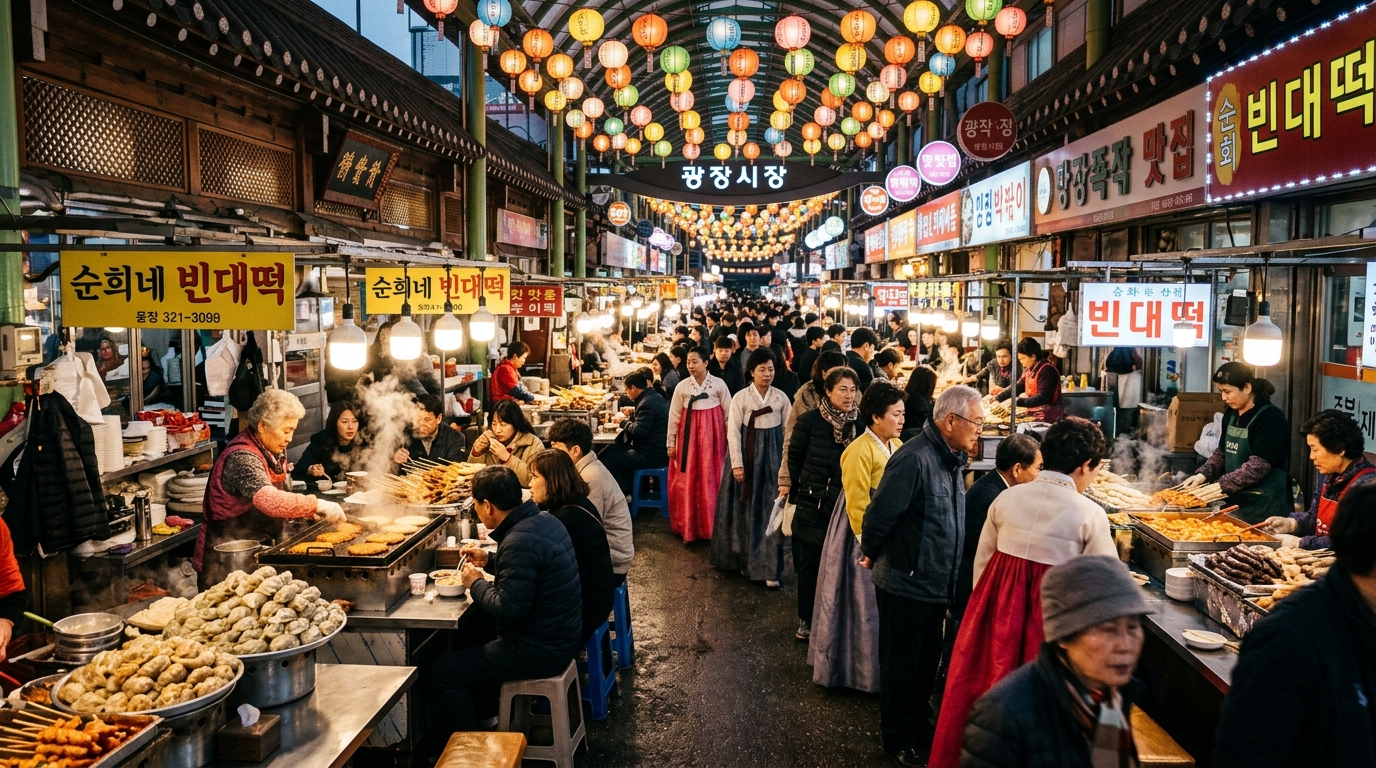
Dining Philosophy: Mix refined Michelin-starred establishments with chaotic, authentic market stalls like Gwangjang.
Geographic Grouping: Plan your itinerary by district—like Jongno-gu for history or Seongsu-dong for industrial-chic design—to minimize transit time.
local Essentials: Carry 50,000–100,000 KRW in cash for markets and download the ‘Seoul Smart’ app for winter navigation or transit updates.
The Direct Answer: How to Approach Seoul
If you want the most rewarding experience, you need to treat Seoul as a collection of unique, distinct villages rather than a single monolithic entity. You should plan your itinerary geographically—grouping your activities by district—to avoid spending half your day on the subway. My best advice for any first-timer is to dedicate at least one full day solely to the historic core (Jongno-gu) and one day to the ultra-modern, industrial-vibe neighborhoods of the south side, such as Seongsu-dong or Gangnam. Don’t try to cram every major site into three days; instead, pick one major “anchor” experience per day, such as a palace visit or a professional beauty clinic appointment, and let the rest of your time be dictated by local food discovery and aimless walking.
Exploring Seoul’s Culinary Landscape
Seoul’s food scene is a testament to the fact that you can find a world-class meal in a windowless alley just as easily as you can in a Michelin-starred glass tower. When I first visited, I made the mistake of only eating at popular spots listed on social media, but I quickly learned that the most reliable ‘ajumma-run’ joints—the ones with plastic chairs and no English menus—are where the real flavor lives.
For a truly authentic experience, head to Namdaemun Kalguksu Alley. It is loud, cramped, and undeniably chaotic, but it is one of the few places where you get to see handmade noodles being prepared inches from your seat. Contrast this with the refined, multi-sensory experiences found at restaurants like Mingles or 7th Door, which offer a brilliant window into modern Korean culinary innovation. If you want to dive deep into the culture, seek out the “banchan” (side dish) culture at smaller, specialized eateries where you might be served a dozen distinct dishes in a single sitting.
Street Food vs. Fine Dining
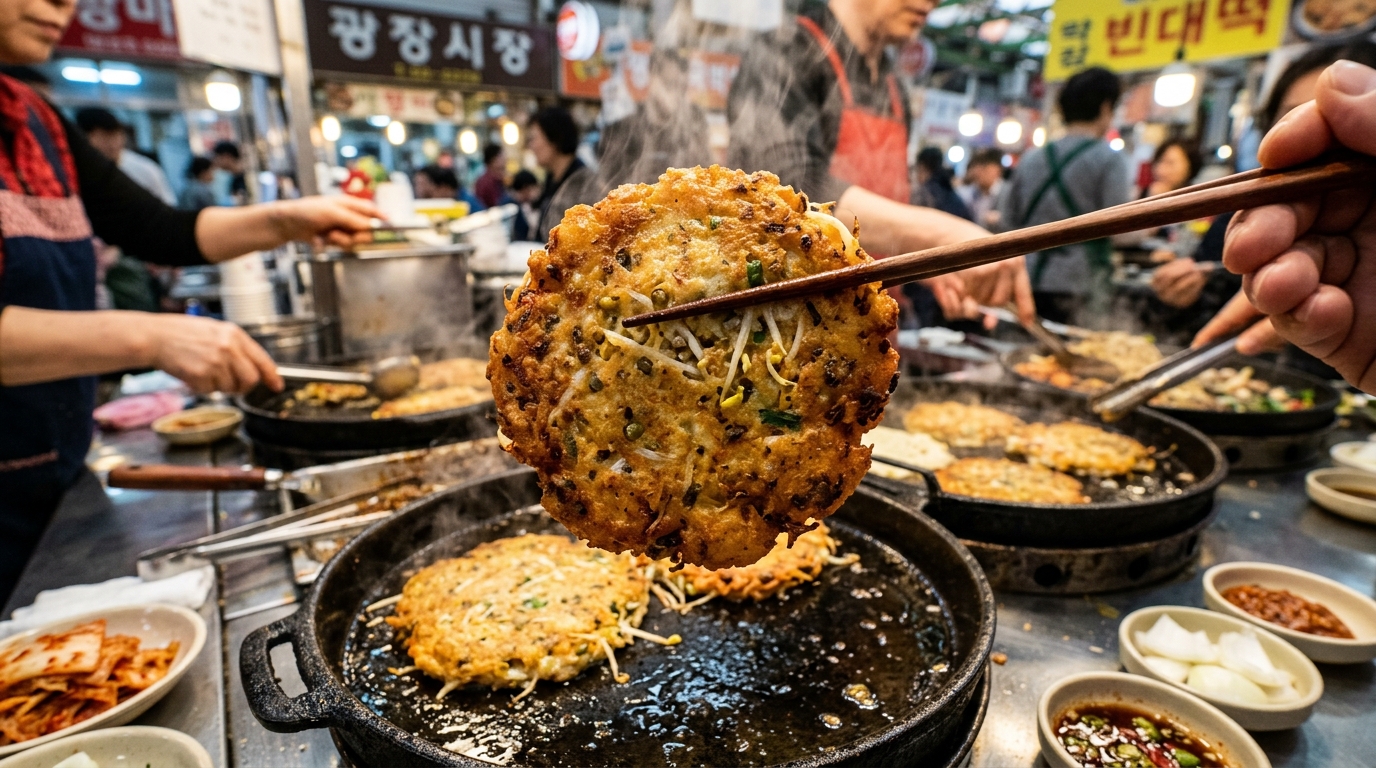
Do not bypass the street food markets. Gwangjang Market remains the gold standard for travelers. When you arrive, go hungry. Order the yukhoe (raw beef) and a serving of bindaetteok (mung bean pancakes). While the Netflix-famed noodle stalls are popular, don’t feel pressured to wait an hour for those specific ones. The beauty of the market is that almost every vendor has perfected their craft over decades. For meat lovers, Han Mi Ok provides a visually stunning experience with their Chadol Gujeolpan platter. It’s an aesthetic masterpiece that doesn’t sacrifice flavor. However, remember that the best Korean BBQ is often found in the smaller, less-hyped establishments near the outer edges of the city’s major intersections, where the focus is on the quality of the pork belly rather than the interior design.
Navigating the Geography: From Palaces to Trails
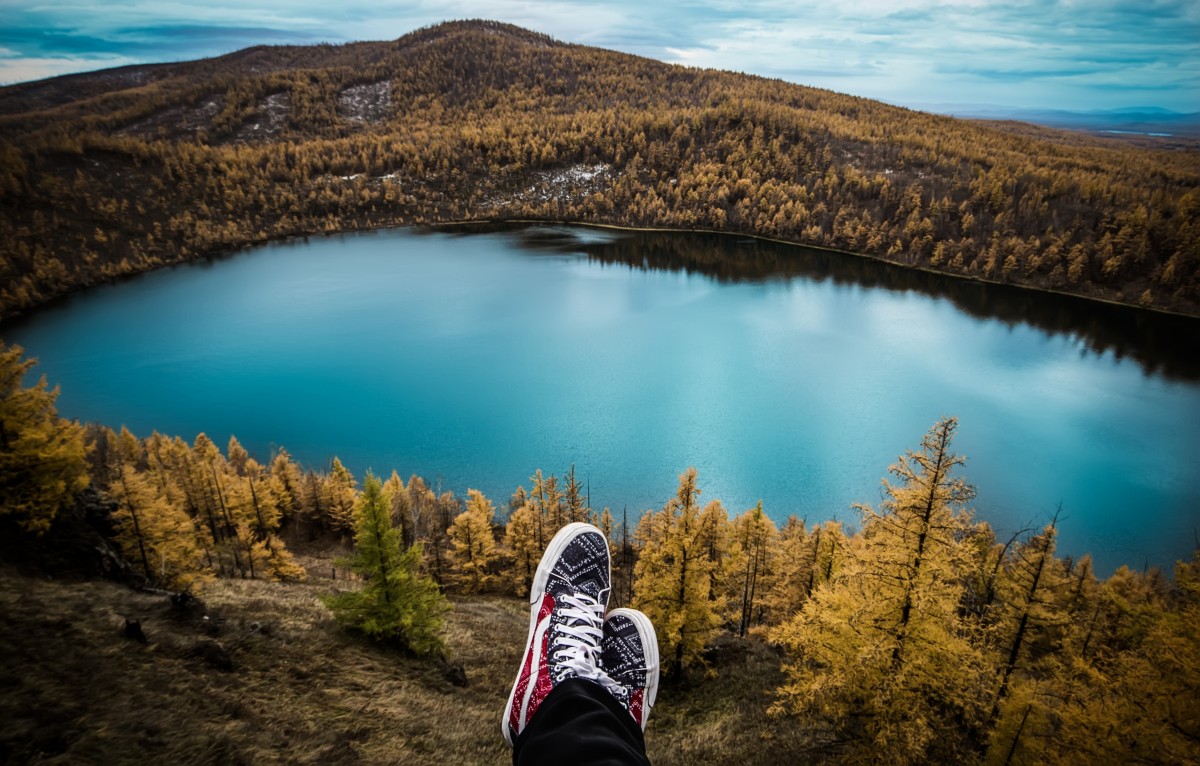
The geography of South Korea is 70% mountainous, and even within the city of Seoul, you are rarely far from a challenging incline or a scenic ridge. While Gyeongbokgung Palace is the undisputed anchor for royal history, my favorite way to experience the city is by walking the perimeter of these sites early in the morning before the tour buses arrive.
For those who love the outdoors, the emerging Dongseo Trail provides a massive, long-distance hiking route that connects the east and west coasts. It is a game-changer for active travelers. If you cannot make the full journey, stick to local favorites like the trails around Jirisan National Park or even the city’s local peaks, which offer a more immersive, rugged experience than the manicured city parks. Always bring supportive, broken-in footwear, as Seoul’s terrain involves constant, steep elevation changes that will shred unsupportive fashion sneakers.
The Design and Architectural Duality
Seoul is a city defined by the stark contrast between traditional hanok architecture and radical, futuristic design. For design enthusiasts, the Dongdaemun Design Plaza (DDP) is an essential waypoint. Designed by Zaha Hadid, it acts as a bridge between the historical legacy of the Joseon Dynasty and the cutting-edge requirements of the modern fashion industry. I recommend visiting the DDP at dusk when the LED facade begins to glow, providing a sci-fi atmosphere that is unmatched anywhere else in Asia.
Beyond the DDP, prioritize a walk through the Sogyeok-dong or Samcheong-dong neighborhoods. These areas are known for restored hanoks mixed with minimalist art galleries. My favorite quiet spot is the Blue Bottle Studio in Sogyeok-dong, which successfully bridges the gap between old-world structure and modern coffee culture. If you have time for a day trip, Museum San, designed by Tadao Ando, is a masterpiece of space and nature that warrants a three-hour journey outside the city limits.
Beauty, Wellness, and the ‘Seoul Glow’
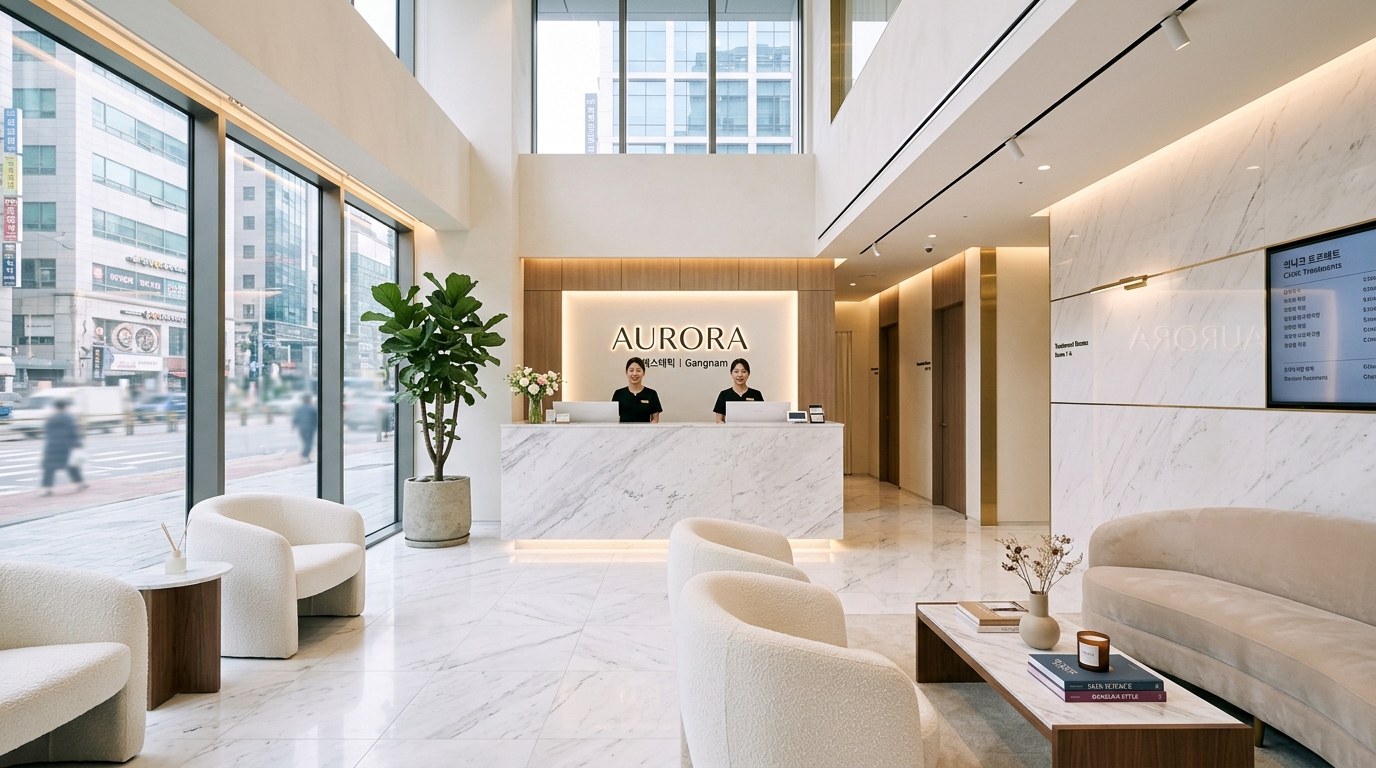
Skincare and aesthetic treatments are no longer just a luxury in Seoul; they are an integral part of the daily lifestyle. If you are going to visit a beauty clinic, be selective. I recommend seeking out board-certified dermatologist care rather than the flashy, high-volume clinics that cater primarily to tourists. You will pay a premium, but the peace of mind and quality of service are far superior.
Beyond clinics, don’t miss the color analysis trend. Places like Cocory Color Co can help you define which tones flatter your complexion, making your subsequent shopping for Korean skincare or fashion much more effective. Just make sure to book these services at the start of your trip so you can apply the knowledge during your remaining time in the city. Always book these appointments at least four weeks in advance, as top-tier practitioners fill up rapidly.
Who Should (And Who Should Not) Visit Seoul
Seoul is a transformative, high-energy destination, but it isn’t for everyone. Knowing your travel profile helps ensure you have a great time.
This is ideal for:
Food Explorers: If you are willing to try fermented, spicy, or raw dishes, your palate will be constantly delighted by the sheer variety of regional Korean cuisine.
Urban Hikers: People who love a mix of dense, high-tech cities and easy access to rugged, mountainous landscapes.
Design Enthusiasts: Anyone interested in the juxtaposition of traditional hanok architecture and futuristic, parametric design.
You might want to skip this if:
You prefer ‘lazy’ vacations: If your idea of a vacation is sitting by a resort pool for a week, Seoul’s fast pace, humidity in summer, and intense walking requirements might wear you out.
You dislike crowds: Seoul is a densely populated metropolis. You will encounter lines for popular cafes, restaurants, and attractions constantly.
Cost Comparisons and Value Planning
Seoul offers a wide range of price points. A high-end dining experience at a restaurant like Mosu can easily exceed $300 per person, especially if you opt for premium wine pairings. Conversely, a satisfying, belly-filling meal at a local market will likely cost you less than $15. To balance your budget, I always recommend the “one-and-one” strategy: one splurge meal per day, offset by affordable but excellent street food or local cafe bites.
Transportation is incredibly cheap; the subway system is one of the most efficient and affordable in the world. Avoid taxis during peak hours (8-9am and 6-7pm) as gridlock can double your travel costs without saving you any time. If you are looking to maximize your miles, look into off-peak award charts for major airlines, as traveling to Seoul in the shoulder seasons (late autumn or early spring) can save you 20-50% on flight costs compared to the summer peak.
Common Mistakes to Avoid
Underestimating the Hills: People often describe Seoul as a ‘walkable’ city, which is true, but they omit that it is a very hilly city. I once spent an hour walking in fashion sneakers that had zero support, and by the end of the day, my feet were completely ruined. Bring broken-in, supportive walking shoes. Your ankles will thank you.
Ignoring the Weather Extremes: I have seen tourists arrive in August unprepared for the 95°F (35°C) heat and humidity. I have also seen people visit in January wearing inadequate layers for the 5°F (-15°C) cold. Check the local weather and dress for the season, or you will find yourself ducking into shops just to escape the elements rather than exploring. If you visit in January, invest in a USB-rechargeable heated vest; it is a game-changer for outdoor sightseeing.
Frequently Asked Questions
Is it necessary to know Korean to get around?
While learning basic phrases like “hello” and “thank you” is polite and appreciated, you can navigate Seoul with minimal Korean skills. Most subway signage and maps are in English, and the younger generation is generally proficient in basic English. In the more rural areas, a translation app is essential, but in the heart of Seoul, language is rarely a barrier to a successful trip.
How far in advance should I book dining and clinics?
For high-end restaurants like Mosu or specialized beauty clinics, you should book at least one month in advance. Popular spots often fill up the moment their reservation windows open. If you are traveling during peak seasons like cherry blossom season in spring, aim for two months out to be safe.
Is it worth staying in a traditional Hanok?
Yes, it is a uniquely Korean experience. Staying at a place like Rakkojae provides a sense of peace that you simply cannot get in a high-rise hotel. However, understand that hanok stays are smaller and often involve sleeping on traditional floor mats. If you have back issues or require modern hotel amenities like large elevators and extensive room service, consider a hybrid stay—one night in a hanok for the atmosphere and the rest of your trip in a modern hotel.
What is the best way to handle money?
While Korea is becoming increasingly cashless, many local markets and smaller shops still prefer cash. Always keep 50,000 to 100,000 KRW in your wallet. Most major credit cards (Visa/Mastercard) are accepted everywhere, but having a T-Money card for public transport is non-negotiable.
Conclusion
Seoul is a city that rewards the curious and the prepared. By balancing your days between the historic grandeur of the Joseon dynasty and the hyper-modern rhythm of districts like Gangnam, you will get a full picture of what makes this capital a global powerhouse. My final recommendation? Leave your itinerary flexible. Some of my favorite memories—like finding a hidden tea house in Bukchon or stumbling into a local festival—weren’t planned. Trust the public transit, keep your walking shoes on, and don’t be afraid to order the dish you can’t identify. You might just find your new favorite meal.