
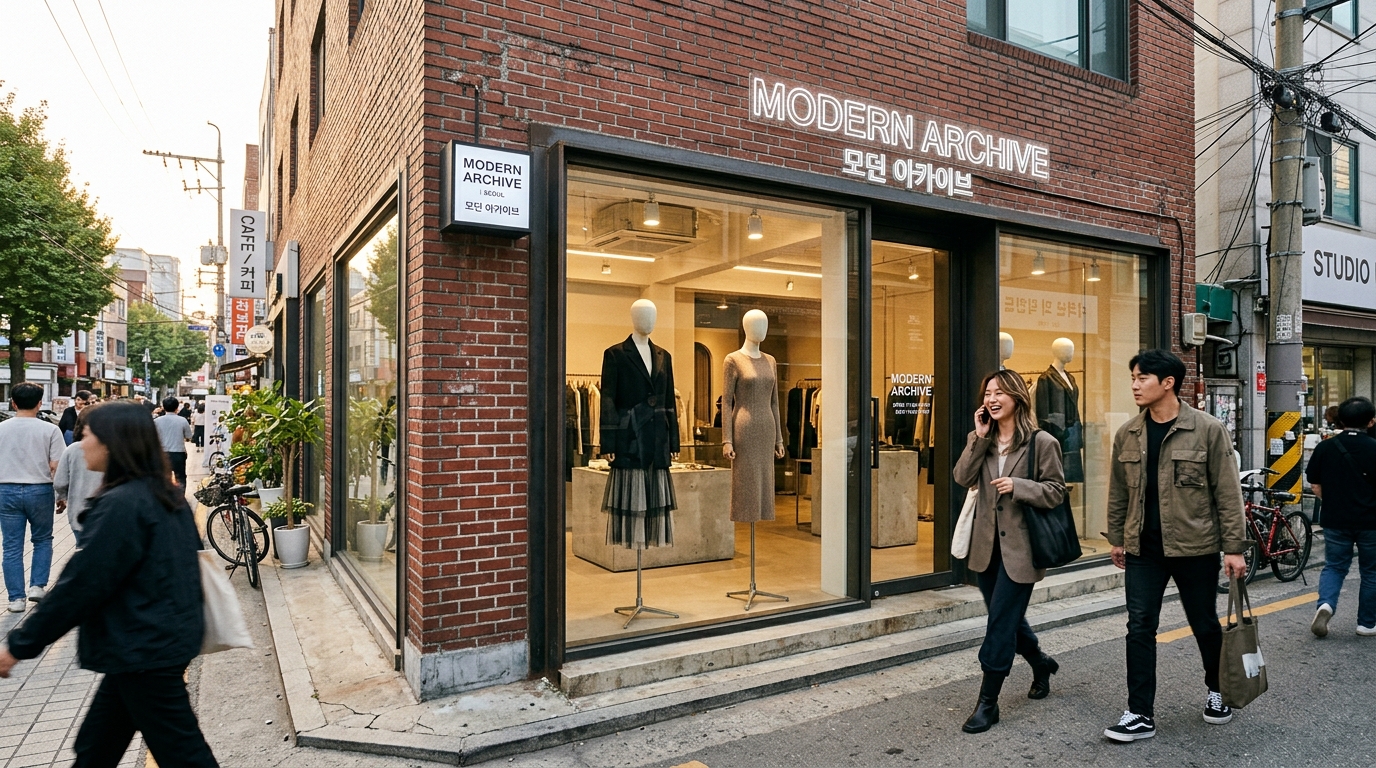

Navigating the ever-shifting landscape of the Seoul fashion guide requires more than just a map; it demands an understanding of how the city’s industrial past and high-tech future collide to create a global style epicenter. Whether you are hunting for experimental silhouettes in a converted warehouse or scouting the latest K-pop-approved luxury, Seoul presents a unique challenge for the uninitiated shopper. The city’s retail identity is not contained in quiet, predictable storefronts but is instead dispersed across rapidly changing districts where the lines between art gallery, café, and luxury boutique blur entirely. Having spent my fair share of afternoons getting lost in the labyrinthine alleys of Seongsu-dong, I can confirm that the best discoveries are rarely found on the main road, but rather behind the nondescript steel doors of former printing shops.
Quick Summary
Seongsu-dong is the premier destination for industrial-chic, avant-garde design, and experimental retail spaces.
Dongdaemun remains the city’s wholesale powerhouse, perfect for high-volume, budget-conscious, and late-night shopping.
Apgujeong and Cheongdam are your go-to districts for high-end luxury, flagship architecture, and celebrity-stylist-approved concept stores.
Pop-up culture is the heartbeat of Seoul retail; always check social media or local listings for temporary exhibitions, as these are often the most innovative stops.
Timing is everything: Many wholesale markets in Dongdaemun operate from 8:00 PM to 5:00 AM, while luxury flagships in the south maintain standard daytime retail hours.
Where Should You Begin?
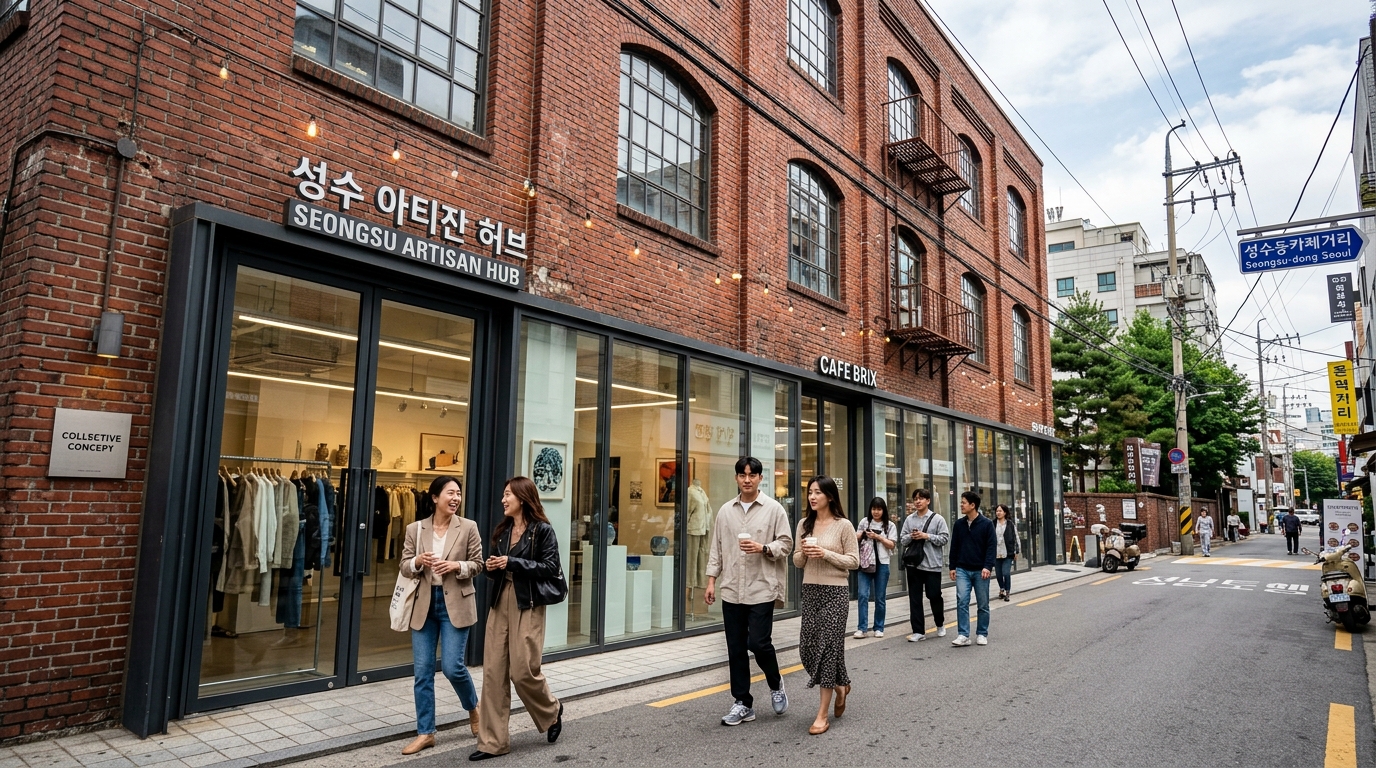
If you want a direct answer, start your journey in Seongsu-dong. It is currently the most dynamic retail hub in the city. Unlike the static luxury rows of Cheongdam, Seongsu forces you to engage with the environment. You might find yourself grabbing a latte in a building that was a rice mill in the 1970s, only to walk next door to find a cutting-edge eyewear flagship. For a first-time visitor, spending one full day here provides the clearest snapshot of what makes modern Seoul fashion so distinct: it is gritty, intellectually demanding, and visually arresting. My first trip to Seongsu was overwhelming, but I quickly learned that the lack of signage is a feature, not a bug; you have to commit to exploring every staircase.
The Anatomy of Seoul’s Fashion Districts
To master this city, you must treat each neighborhood as an independent ecosystem. Each district has a distinct personality shaped by its history. For instance, while I always recommend Cheongdam-dong for its architectural grandeur—like the petal-shaped Dior flagship—it is important to recognize that the experience here is curated and polished. You go to these spots to see how global luxury adapts to Korean sensibilities. The service is impeccable, but the barrier to entry feels higher; these are spaces for observation as much as acquisition.
Contrast this with Hongdae, which has maintained its role as the “youth playground” since the 1990s. The energy here is visceral. On my last visit, I spent hours just walking the ‘Red Road,’ observing the intersection of indie music culture and street-style fashion. If you are looking for emerging local designers, this is where you will find them before they make it to the international stage. The pricing is much more approachable, and the crowd is refreshingly unpretentious.
Industrial Chic: The Seongsu Revolution
Seongsu-dong is often referred to as the “Brooklyn of Seoul,” but that comparison feels too reductive. The transformation here is about preserving the “bones” of industry while inserting modern, experimental retail concepts. Take Daelim Changgo, for instance. It is a massive warehouse space that functions as both a gallery and a cafe, setting the tone for the entire neighborhood. When you shop here, you aren’t just buying clothes; you are participating in a design narrative. You will find multi-brand spaces like EQL and curated stationery shops like Point of View that treat every object, from a pen to a bomber jacket, with the same reverence for craft.
The Nocturnal Wholesale Epicenter: Dongdaemun
If Seongsu is for the trend-hunter, Dongdaemun is for the savvy operator. The scale of this district is difficult to fathom until you are physically standing amidst its nine dynamic blocks. I remember my first trip to Nuzzon Mall; it was 2:00 AM, and the floor was vibrating with the energy of thousands of buyers negotiating wholesale prices. If you want to understand the engine of Korean fashion, you have to witness the sheer volume of apparel manufactured in the nearby Changsin-dong area, which feeds directly into these malls. Do not go here expecting a peaceful shopping experience. Go here for the thrill of the hunt, the incredible density of goods, and the best prices for high-quality, made-in-Korea staples.
Who Should Follow This Guide (And Who Should Not)
This guide is designed for the traveler who views fashion as a cultural pursuit rather than a simple errand. It is ideal for you if:
You enjoy “experiential retail” where the store design is as important as the clothing.
You are interested in the intersection of local street culture and high-fashion luxury.
You prefer walking and exploring neighborhoods over spending your entire trip in climate-controlled mega-malls.
However, you might want to skip these areas if:
You are looking for a relaxing, quiet vacation; these districts are loud, crowded, and fast-paced.
You are allergic to walking; navigating these hilly or industrial neighborhoods requires significant stamina. I once logged 25,000 steps in a single day of scouting, and my feet were definitely feeling it the next morning.
You prefer traditional service-oriented luxury shopping; while the service is excellent, the “edgy” nature of places like Ader Error or Gentle Monster can feel intimidating if you prefer a classic boutique setting.
The Cost of Style: Budgeting Your Trip
Seoul can be as expensive or as budget-friendly as you choose to make it. In the Cheongdam-dong luxury district, you are paying for international brand experiences. You should expect to pay premium prices that align with global luxury standards, often plus a slight premium for the unique store exclusives you find in Korea. Expect to shell out $500–$2,000 for high-end designer pieces.
Conversely, in Dongdaemun, the value proposition is world-class. You can easily find high-quality garments for a fraction of what you would pay in a Western department store. For example, a well-structured blazer at a wholesale-focused mall might run you $40–$70 USD, whereas a similar piece in a branded luxury boutique would be four to five times that amount. My best advice? Allocate your budget into ‘Experience’ vs. ‘Investment’ categories. Spend your money on those special pieces in the concept stores, but fill out the rest of your wardrobe in the wholesale districts.
Comparison Table: District Vibe & Spending
| District | Vibe | Price Range | Target Audience |
|---|---|---|---|
| Cheongdam | High Luxury | $$$$ | Luxury shoppers |
| Seongsu | Experimental | $$$ | Creative professionals |
| Dongdaemun | Wholesale/Active | $ | Bargain hunters |
| Hongdae | Youth/Indie | $$ | Streetwear enthusiasts |
Common Mistakes to Avoid
Ignoring the “Pop-up” Reality: The biggest mistake I see travelers make is sticking to a rigid list of fixed stores. Seoul’s fashion scene is hyper-agile. A space that is a gallery today might be a fashion pop-up next week. If you walk past a building with a queue and an art installation, get in line. Even if you don’t know the brand, it is usually where the most interesting people in the city are hanging out. I once missed a limited-edition drop because I walked right past a nondescript door in Hannam-dong, assuming it was a closed office.
- Assuming Standard Shopping Hours: If you go to Dongdaemun at 10:00 AM, you will find a ghost town. These malls are dead during the day and come alive when the sun sets. Conversely, if you arrive in a neighborhood like Seongsu too early, the cafes will be open, but the retail spaces might not unlock until 11:00 AM or noon. Always check Google Maps or local Naver Maps (which is more accurate in Korea) for specific store hours.
- www.cntraveler.com
- www.anothermag.com
- www.vogue.com
- www.highsnobiety.com
Integrating Art and Retail
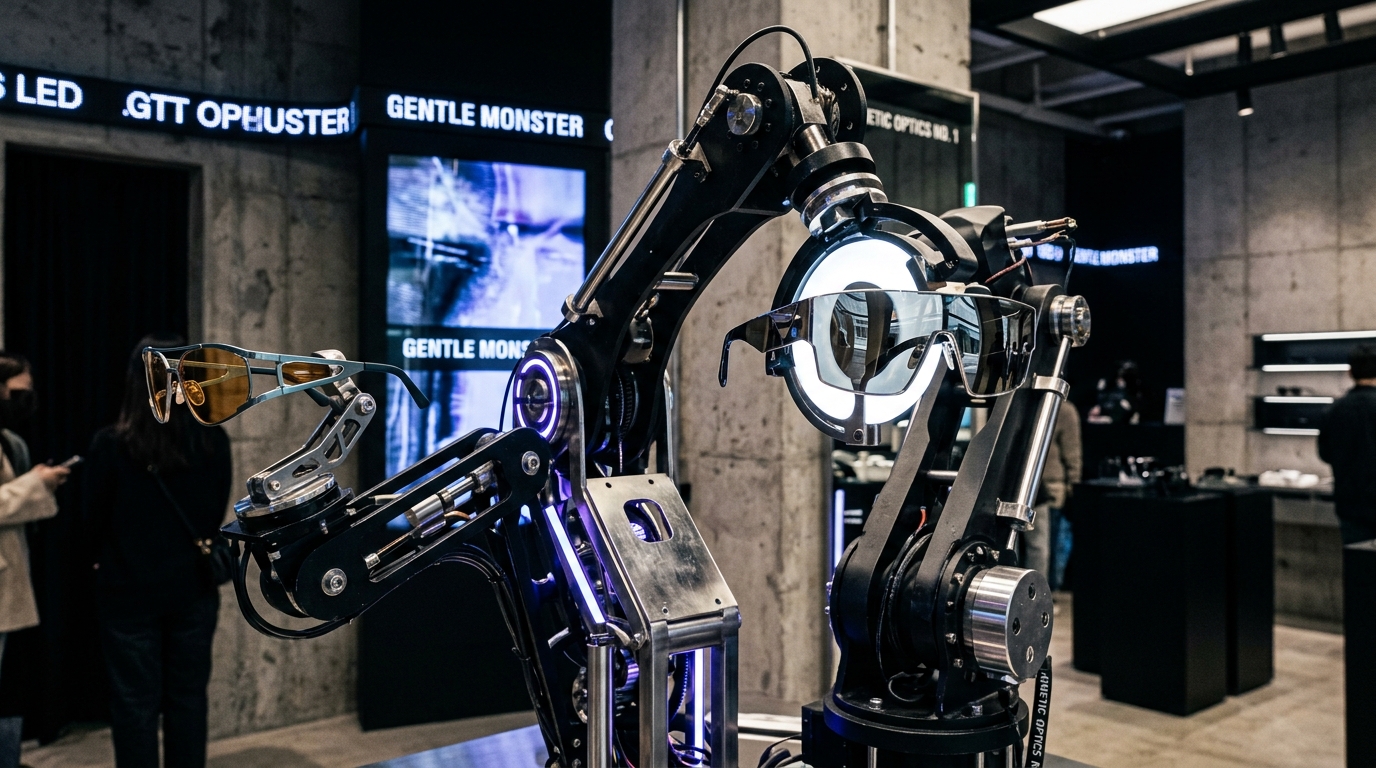
One aspect that separates Seoul from other global fashion capitals is the total integration of art galleries into the shopping experience. You cannot talk about fashion here without mentioning the Leeum Museum of Art in Itaewon. Many of the luxury brands sponsor these museum spaces, and in return, the aesthetic of the gallery spills over into the stores. I remember visiting a Gentle Monster flagship where the store design felt more like a high-concept art installation than a place to buy sunglasses. It is this refusal to separate “commerce” from “culture” that makes the city so addictive.
The Role of K-Beauty
Fashion in Seoul is incomplete without the influence of the beauty industry. In the West, we often separate beauty and clothing, but in Korea, they are part of the same aesthetic ecosystem. When you visit the Sulwhasoo SPA Flagship Store, you are experiencing the heritage of herbal skincare as a lifestyle. It’s an extension of the same philosophy that governs the way designers look at textiles—holistic, rooted in tradition, yet pushing boundaries.
Deep Dive: Emerging Local Designers
If you want to move beyond the big-name flagships, you must look at the independent designers making waves. Brands like Gajiroc and SHIRTER are currently redefining the “unfussy luxury” trend. Unlike the heavy branding seen on luxury runways, these labels focus on the tactile quality of the fabric. During my research into local workshops, I was struck by how many designers are now sourcing vintage-wash denim and technical fabrics to create garments that feel like they have a history before they are even worn. If you shop at stores like A Land in Garosu-gil, you get direct access to these emerging labels at mid-range price points.
The Importance of Material Innovation
There is a subtle but powerful shift happening in how Korean designers treat materials. Take Pleatsmama, for example. They have managed to turn the conversation around sustainability by making recycled PET bottles into high-fashion carryalls that are aesthetically desirable. They don’t preach about the planet; they just make beautiful, pleated objects that happen to be circular. This is the hallmark of modern Seoul fashion: efficiency disguised as art.
Navigating the Language Barrier
One of the most frequent questions I receive is whether you need to speak Korean to survive the fashion districts. In the high-end shops of Cheongdam, you will be met with perfect English and white-glove service. In the wholesale stalls of Dongdaemun, it’s a different story. Do not be intimidated. The process is almost entirely visual. Point at the item, signal the quantity, and use the calculator on your phone to clarify pricing. It’s a transaction of mutual respect. I’ve found that a simple “Gamsahamnida” (thank you) goes a long way in breaking the ice with shop owners who might otherwise see you as just another tourist.
Frequently Asked Questions
Is it better to shop for clothes in Dongdaemun or the department stores?
It depends on your goal. If you want unique, high-fashion pieces, designer flagships in Apgujeong are superior. However, for a curated, local, and wholesale experience, Dongdaemun is unmatched. I recommend splitting your time: use your mornings for department stores like the Hyundai Seoul (specifically the B2 level), and your nights for Dongdaemun’s unique wholesale environment. The contrast between the sterile, high-tech department store air-conditioning and the humid, electric atmosphere of a wholesale mall is half the fun.
Can I pay with credit cards at all the wholesale stores in Dongdaemun?
Most major malls in Dongdaemun now accept international credit cards, but many individual wholesale vendors, especially the ones tucked away in smaller stalls, still prefer cash or local money transfers. I always keep a decent amount of KRW (South Korean Won) on hand when I visit to avoid any awkward moments at the checkout counter. Keep in mind that some vendors will give you a slight discount if you pay in cash, especially if you are buying in bulk.
Do I need to speak Korean to navigate the fashion districts?
While English is widely spoken in the high-end luxury stores and popular concept spaces, you might find a language barrier in the more traditional wholesale markets. However, the shopping process is highly visual. You point, you confirm the price, and you buy. Using a translation app is helpful for specific questions, but generally, the universal language of commerce—a smile and a calculator—is sufficient. I’ve successfully negotiated wholesale deals using nothing but gestures and a shared calculator app.
How should I dress for a day of fashion-spotting in Seoul?
Dress in layers and wear your most comfortable, stylish sneakers. You will be walking a lot, and the aesthetic here rewards “nonchalance.” Think of the “Korean look”: a mix of oversized, voluminous silhouettes combined with structured, form-fitting basics. Don’t try too hard; the goal is to look like you just threw your outfit together, even if you spent hours perfecting the balance. Avoid heavy jewelry or overly fussy accessories; Seoul fashion is currently prioritizing clean lines and sophisticated, muted color palettes.
Conclusion
Seoul’s fashion identity is not just about what is on the rack; it is about the experience of finding it. From the neon-lit, high-octane halls of Dongdaemun to the quiet, industrial-chic workshops of Seongsu-dong, the city rewards those who are willing to look beneath the surface. My advice is to clear your schedule, wear comfortable shoes, and allow yourself to get lost. The next great design trend isn’t waiting for you in a brochure; it’s waiting for you in a converted factory in the middle of a city that never stops moving. Plan your trip for a season like late spring or autumn when the weather is crisp, and dive into the aesthetic ecosystem that has the rest of the world watching. Whether you return home with a suitcase full of wholesale bargains or one perfectly curated designer piece, the real souvenir is the shift in perspective you gain by witnessing a city that treats fashion as a living, breathing art form.