
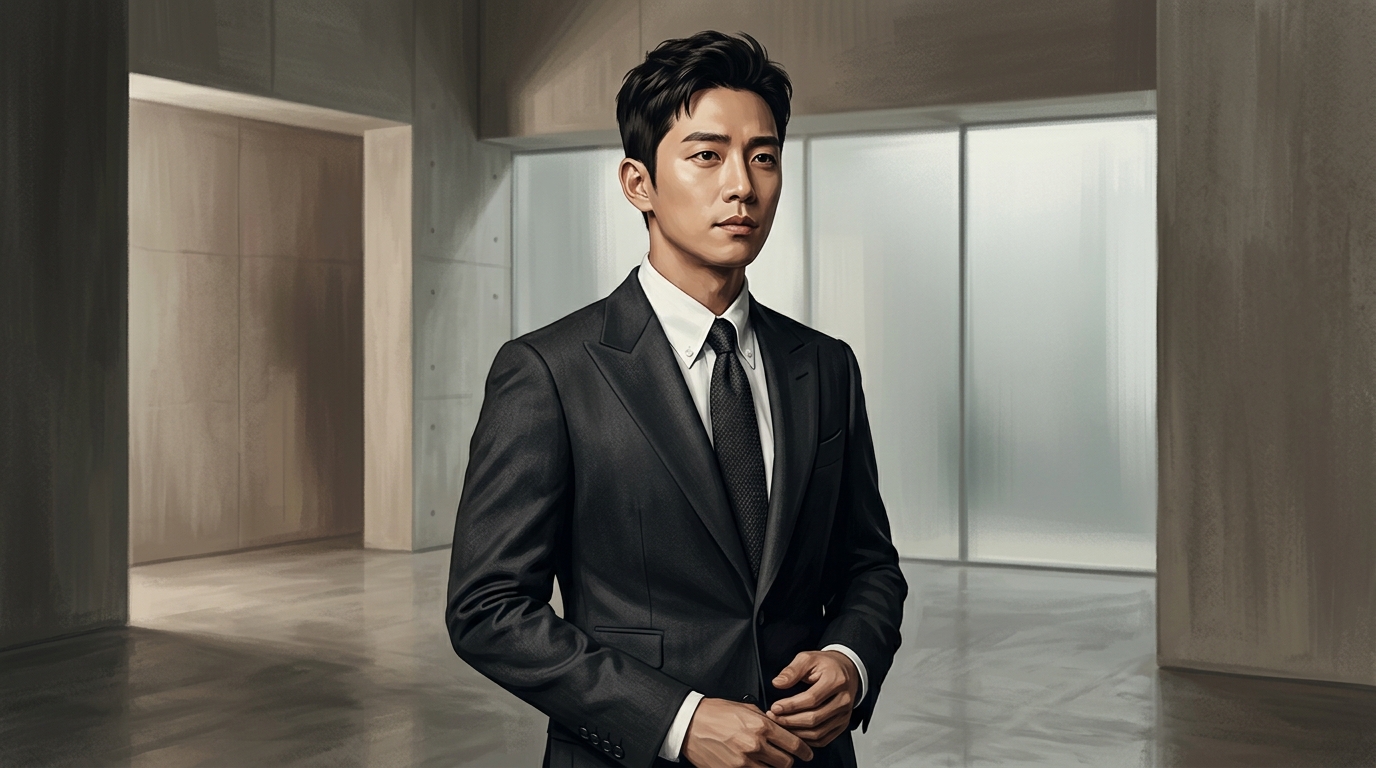

The Lee Junho career represents a masterclass in professional reinvention, demonstrating exactly how an artist can successfully navigate the transition from a high-energy K-pop idol to an internationally recognized, award-winning actor. When I first started tracking his trajectory, I noticed he was doing something most in his position avoided: he wasn’t just taking roles that kept him in the limelight; he was taking roles that forced him to learn entirely new skill sets. Whether he was mastering legal jargon for a intense thriller or portraying the psychological weight of a historical monarch, his approach has consistently been one of total immersion. If you are curious about how he maintains this level of consistency while managing his own creative agency, O3 Collective, it comes down to a blend of extreme discipline, academic rigor, and a willingness to court professional risk that most of his peers find terrifying.
Quick Summary
- Strategic Versatility: He intentionally avoids repeating successful character archetypes to prevent brand stagnation.
- Academic Foundation: Holds a master’s degree in film arts, providing a theoretical framework for his performances.
- Discipline-Driven: Maintains a legendary home-training routine that mirrors his professional work ethic.
- Entrepreneurial Shift: Founded O3 Collective to manage his own artistic output and long-term career vision.
- Global Appeal: Proven success across various streaming platforms like Netflix with hits like King the Land and Cashero.
- Viewers who enjoy seeing an actor’s evolution from project to project, noticing the subtle changes in their delivery and presence.
- People who prefer “slow-burn” character studies where the emotional payoff is earned through dialogue and internal conflict.
- Fans of high-production dramas who appreciate it when a leading actor is personally invested in the wardrobe, tone, and character development.
- You prioritize fast-paced, plot-driven action sequences over character-led narratives. He often chooses stories that prioritize the “why” over the “what.”
- You are looking for a singular genre focus. He skips between comedy, period drama, thriller, and superhero, which can be disorienting if you prefer a consistent, predictable tone.
- variety.com
- www.yahoo.com
- www.dipe.co.kr
The Direct Path to Understanding His Success
If you want a direct answer to why he is so successful, it is simply this: he treats acting as a craft to be studied, not just a talent to be displayed. While many performers lean into their natural charisma to coast through projects, he spends his time doing the “un-glamorous” work—studying scripts, learning historical dialect, and physically altering his appearance to match the specific needs of a character. I have always believed that the difference between a celebrity and an actor is the willingness to be uncomfortable on screen, and he is one of the few who actively seeks out that discomfort. You don’t need to be an expert in K-pop history to understand his appeal; you just need to watch the shift in his eyes between his lighthearted romantic roles and his darker, more complex performances.
The Evolution of the Triple-Threat
When Lee Junho entered the spotlight in 2008 with the group 2PM, the industry was different. Idols were often dismissed as secondary performers, rarely given the respect afforded to “serious” actors. However, he spent years in the intense training environment of JYP Entertainment, emerging from a talent pool of over 6,500 applicants in the Superstar Survival reality show. This wasn’t just about learning choreography; it was about building a baseline of extreme physical and mental stamina. In my opinion, this grueling initial period is what gave him an edge later. When a director asks him to film a long, arduous scene, he isn’t exhausted because he spent years performing high-intensity stadium concerts where the margin for error was non-existent.
The Academic Edge
One of the most defining aspects of his trajectory is his decision to pursue formal education in film arts. Many celebrities stop at high school, but he went on to earn a master’s degree. This level of dedication changed the way he speaks with writers and directors. It gave him a language for his work that goes beyond surface-level aesthetics. When he discusses his character’s motivation, he isn’t just saying what feels right; he is explaining it through the lens of dramatic theory and structural narrative. I’ve found that this academic background is his best defense against career burnout because it keeps him interested in the mechanics of the industry, not just the fame.
Mastering the Craft: Beyond the Idol Label
Transitioning from the stage to the screen is a delicate balancing act. On stage, you play to the nosebleed seats; on screen, you play to the tiny, unforgiving glass lens. His work in The Red Sleeve served as a turning point that silenced most of his remaining skeptics. Historical dramas in South Korea, or sageuks, are notoriously rigid. He had to handle complex, archaic speech patterns and the extreme emotional repression required of a crown prince. He performed with a gravity that suggested he was carrying the burden of his country, an impressive feat for someone previously known for the high-octane pop performances of 2PM.
Choosing the Right Projects
His project selection is a lesson in calculated risk. After the massive commercial success of King the Land, he didn’t just rush into another breezy, safe romantic comedy. Instead, he leaned into the physically demanding and complex role in Cashero, a series that subverts standard superhero tropes by introducing a financial cost to using superpowers. It’s a strange, innovative concept that could have easily failed, but he committed to it. This willingness to embrace the unconventional is why his fan base remains engaged; they never quite know what version of him they will get next.
The Business of Art: O3 Collective
In 2024, he took the significant step of establishing his own agency, O3 Collective. This wasn’t a move to become a corporate titan for the sake of money; he explicitly stated it was about taking responsibility. By removing the middle-man of traditional, restrictive management, he has granted himself the autonomy to choose roles that genuinely interest him. His philosophy is built on three pillars: the identity of the artist, the necessity of originality, and the importance of a structured, orbit-like management system. I see this as a move toward longevity. By building an environment where he is the primary decision-maker, he ensures that his career remains aligned with his personal artistic growth rather than just the needs of a parent company.
Disciplined Lifestyle: The Daily Grind
I have often said that talent is common, but sustained discipline is rare. His legendary fitness routine is not about vanity—it is his way of maintaining the mental clarity required to do high-stakes work. He maintains a dedicated home gym and follows a rigid, boringly consistent regimen. When I compare his fitness discipline to his professional choices, the pattern is identical: he refuses to skip steps. Whether it is dieting for a specific role or rehearsing for a concert, he applies the same level of focus. This is a guy who understands that there is no shortcut to excellence, and his ability to remain at the top of his game for nearly two decades is the proof.
The Upcoming Challenge: Playing the Villain
One of the most exciting developments in his career is his upcoming role in the film Veteran 3. He is stepping into the shoes of a “true villain,” a character he has described as someone who is inherently unlovable. For an actor who has built a career on charm and relatability, this is a dangerous move. If he fails, it could break the illusion of his range; if he succeeds, he enters the pantheon of elite actors who can play any spectrum of human morality. I am personally looking forward to this because it highlights his “constant thirst for genres” he hasn’t yet touched. He is not interested in protecting his reputation; he is interested in challenging it.
Who Should Follow His Career (And Who Should Not)
Deciding whether to invest your time in his work depends on what you value as a viewer.
This is ideal for:
You might want to skip this if:
Common Mistakes to Avoid
One of the biggest mistakes fans and critics make is assuming that his early, idol-focused work is a representative sample of his current capabilities. People often skip his early films, thinking they are just “idol vanity projects.” This is a massive mistake. Even in lower-budget or lighter roles, you can see him experimenting with comedic timing and physical acting that eventually became the bedrock of his later performances.
Another mistake is viewing his fashion ambassadorships (with brands like Berluti or Piaget) as just “filler” work between dramas. For him, fashion is an extension of character building. When he selects his own wardrobe for a role, he is often pulling from a deep understanding of what that character would value, what they would own, and how they would carry themselves. To ignore his style choices is to ignore a huge part of how he constructs his performance.
Realistic Value: A Time Investment Strategy
If you are planning to dive into his filmography, consider the following breakdown. It is important to note that his projects vary wildly in complexity and tone.
| Project Type | Series Title | Time Commitment | Complexity Level |
|---|---|---|---|
| Workplace Comedy | Good Manager | ~16 Episodes | Medium |
| Historical Romance | The Red Sleeve | ~17 Episodes | High |
| Legal Thriller | Confession | ~16 Episodes | High |
| Modern Rom-Com | King the Land | ~16 Episodes | Low |
If you have roughly 20 hours to commit, The Red Sleeve is arguably the best way to see the full breadth of his technical capability. If you prefer something that highlights his charisma, King the Land is the most accessible point of entry. Do not try to watch his entire catalog at once; treat it like an anthology. Each role is a completely different experiment.
Frequently Asked Questions
Why did he choose to form his own company, O3 Collective?
He founded O3 Collective to take greater responsibility for his professional output. After nearly two decades in the industry, he wanted a space where he could reflect on his career path without being constrained by the rigid schedules or commercial mandates of a traditional agency. It allows him to focus on quality over volume and to build a collaborative hub for other artists who share his creative mindset.
Is his background as a singer truly beneficial to his acting?
He has stated that the primary benefit is not what people think. It isn’t that being on stage makes him less nervous; it’s that it trained his body to be disciplined. The primary crossover benefit he identifies is his improved capacity for learning action choreography and his stamina for long, grueling shoot days. He believes the ultimate goal of both music and acting remains the same: to move the audience’s heart.
What can we expect from his role in Veteran 3?
This role is his most significant departure from his established image. He is playing a villain that he describes as someone no one could ever love. This is a deliberate, calculated risk intended to avoid typecasting. He is moving away from the ‘composed, authoritative’ characters that defined his recent successes to explore the darker, more unsettling aspects of his craft. It is a pivot intended to force the industry to see him as an actor capable of playing a monster.
How does he manage such a high-profile, dual-career lifestyle?
He relies on a strict separation of ‘work time’ and ‘personal reflection time.’ By maintaining a home gym, he keeps his physical and mental health in a stable rhythm. He does not force projects to fit a schedule; he creates music when he feels inspired and chooses film projects that genuinely excite him. This ‘slow and steady’ approach has kept him at the top of the industry for years, avoiding the burnout that typically claims performers with such busy schedules.
Conclusion
Lee Junho is a rare example of a performer who has successfully managed his career like a seasoned entrepreneur. By refusing to rest on his laurels or hide behind the ‘idol’ label, he has forced his audience to respect him as a serious actor. Whether he is portraying a crown prince, a struggling superhero, or a high-powered CEO, his commitment remains consistent: total preparation, physical discipline, and a willingness to take risks on roles that others might deem too difficult.
My final recommendation is to view his work not as a collection of shows, but as an ongoing experiment in range. If you are ready to start, pick one project—perhaps The Red Sleeve—and pay attention to the small choices he makes in his delivery. Once you see the effort he puts into the details, you will understand why he is the architect of his own, very successful, career. He is the standard-bearer for how to evolve in an industry that usually wants to keep you in a box. It is time to see what he does next.”,
“imagegenerationprompt”: “A sophisticated, high-resolution portrait of a Korean actor with a confident, focused expression, standing in a minimalist, modern studio with soft dramatic lighting. He is wearing a tailored, dark charcoal suit. The mood is professional, artistic, and cinematic. Neutral, elegant background with architectural lines