
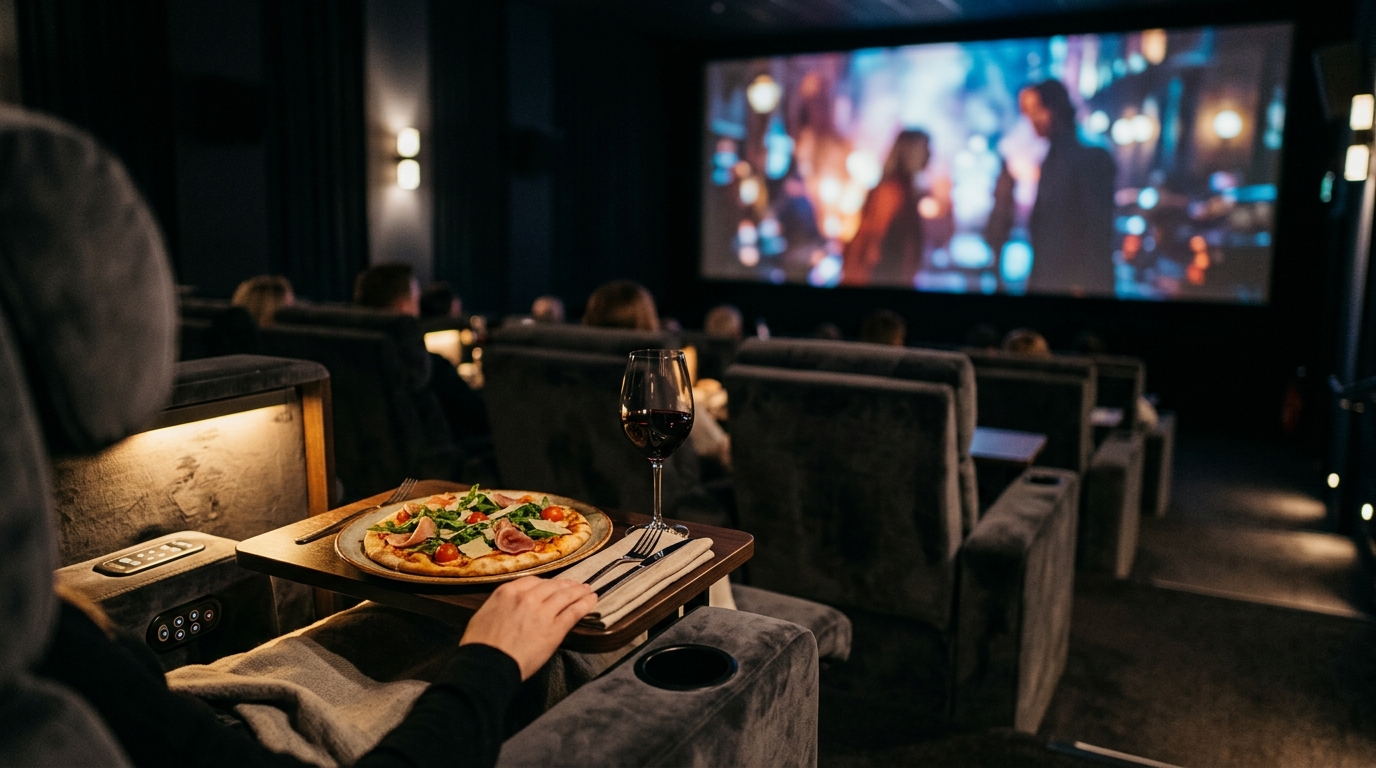

Finding the perfect dine-in movie theater can transform a standard film outing into an event worth remembering, but only if you know which service model matches your expectations. Gone are the days when a bucket of popcorn was the only option for dinner; today, modern cinemas are redefining the intersection of cinema and culinary arts by offering everything from truffle fries to full-course meals directly to your reclining chair. I have spent years tracking down these unique venues, and I have learned that the secret to a great night lies in knowing exactly what to expect from each specific theater concept before you book your seat.
Quick Summary
Service Models Vary: Choose between luxury, boutique, or casual cinema-pub environments based on your budget and desired level of attention.
Check Ordering Methods: Some theaters use app-based pre-ordering to minimize distractions, while others offer traditional waitstaff service.
Understand the Premium: Expect a significant cost increase over standard tickets, often starting at $30–$40 per person before food and wine.
The ‘Early Bird’ Rule: Arriving at least 30 minutes before showtime is essential to settle into your seat and place your orders comfortably.
- Dining Quality Matters: High-end venues offer chef-driven, multi-course menus, whereas casual spots focus on elevated bar classics like burgers and local beers.
- Arriving Too Late: This is the most critical error. Even if you have reserved seats, arriving at the last second means you will miss the server’s explanation of the menu or the opportunity to place your initial drink order. Arrive at least 30 minutes before the scheduled film start time to get settled and order your food comfortably. I once missed my main course because the server couldn’t find my seat in the dark after I slipped in five minutes late.
- Ordering Messy Food: While a rack of ribs or a massive, dripping burger sounds great, eating them in the dark requires a level of coordination that most people do not possess. Opt for food that is easy to manage with a fork and knife, like salmon, gnocchi, or flatbread pizzas. You want to enjoy the film, not spend the duration of the movie trying to avoid spilling steak sauce on your clothing. I learned this the hard way after an embarrassing incident with a chili-covered hot dog.
- www.wdw-magazine.com
- wdwnt.com
- www.timeout.com
- www.orlandodatenightguide.com
- www.timeout.com
- sf.eater.com
- disneyparksblog.com
The Direct Answer: Which Theater Type Should You Choose?
If you want a direct answer, here is the breakdown: if you are planning a special date night or an anniversary celebration, go for an all-inclusive luxury cinema that offers pod seating. These venues prioritize comfort and quiet, efficient service. However, if you are looking for a relaxed, stress-free evening with friends or a casual Friday night, a cinema pub that offers table service and good local beer is almost always the smarter financial choice. You do not need to spend $100 per person to have a great time, but you do need to align your expectations with the venue’s specific service model. If you go to a high-end luxury theater expecting a rowdy pub atmosphere, you will be disappointed, and vice versa.
The Evolution of the Cinematic Meal
When I first walked into a high-end cinema, I was admittedly skeptical. I grew up with the standard sticky floors and cardboard-flavored snacks of the 90s, so the concept of eating a rack of lamb while watching a movie felt like an odd juxtaposition. Yet, the environment changed my mind completely. The key is in the design; the best theaters use quiet, efficient service and dim lighting that does not disrupt the viewing experience. At places like the premium cinema models I have frequented, the theater functions almost like an extension of a high-end restaurant, where the culinary team is just as important as the projectionist.
In recent years, the market has segmented sharply. On one end, you have the “luxury pod” experience. These theaters provide blankets, pillows, and privacy screens, making you feel as though you are in a first-class airline cabin rather than a multiplex. On the other end, venues like the local cinema pubs I often visit cater to the jeans-and-sneakers crowd. These spaces do not aim for fine dining; they aim for accessibility and comfort. They serve pizza, burgers, and craft beers directly to your seat without the pretension of a multi-course tasting menu.
Why Service Models Matter
One of the most common mistakes visitors make is expecting full-waiter service in theaters designed for fast-casual dining. Some modern venues operate entirely through QR codes or dedicated mobile apps. I once waited twenty minutes for a server to appear at a theater that actually required app-based ordering, a mistake that cost me the first act of the film. Always check the theater’s website for their specific ordering protocol before you buy your tickets.
If the theater uses an app, download it and create your account the day before. The most frustrating experiences occur when guests try to fumble with credit card entry while the trailers are rolling and the lights are dying down. If a venue offers a lounge area, use it. Taking a pre-movie drink in a dedicated space allows you to settle into the evening without rushing your food order the second you sit down. A rushed meal is a poor meal, and it often detracts from the cinematic experience you are paying a premium to enjoy.
Navigating the Cost of Convenience
Dining while watching a film is, by definition, a premium experience. When you factor in ticket prices, food, drinks, and the added luxury of the reclining furniture, the cost can easily exceed $100 for two people. In major metropolitan areas, this is a standard Friday night expenditure for many. To get the best value, look for “set menu” options if they are available. These prix fixe structures often include an appetizer, entree, and occasionally a glass of wine or a dessert, providing a fixed cost that is easier to manage than an à la carte approach where prices can spiral quickly.
| Feature | Casual Cinema Pub | Premium Dine-In | Luxury Boutique |
|---|---|---|---|
| Dining Type | Bar snacks/Pizza | Full Entrees | Prix Fixe / Gourmet |
| Seat Style | Recliners | Pod/Recliner | Private Sofa |
| Price Range | $15–$30 pp | $40–$70 pp | $80–$150+ pp |
| Service | Tableside | App/QR Code | Full Attendant |
Who Should Choose a Dine-In Movie Theater?
This format is ideal for couples seeking a memorable birthday or anniversary date, or for groups of friends who want to combine dinner and entertainment into a single, seamless block of time. If you value efficiency and comfort, you will likely find these venues to be an upgrade over the traditional dinner-followed-by-a-movie-across-town approach. You save travel time and the stress of trying to park in two different locations.
However, you might want to skip this if you are a film purist who finds any movement or soft clinking of silverware distracting. If you are deeply invested in the film’s audio-visual quality or the nuance of a quiet indie drama, the background noise of servers or other patrons eating might break your immersion. In those cases, stick to a high-end standard cinema where the only thing you have to focus on is the screen. I have often skipped the dine-in option when I am seeing a highly anticipated, dialogue-heavy film for the first time.
Common Mistakes to Avoid
The Future of the Cinema Experience
As we look at how the industry is evolving, it is clear that the experience economy is driving these changes. The theater of the future is not just about the projector; it is about the host. Venues that integrate breweries, mixology bars, and diverse dietary options—such as the vegan lasagna offered at some higher-end establishments—are the ones that will continue to thrive. We are moving away from the mass-market multiplex and toward venues that treat the filmgoer as a guest, not just a customer.
I have found that the best way to determine if a theater is right for you is to check their menu depth. A place that focuses on food as much as the film will usually have a more thoughtful, balanced experience. If the menu looks like it was scraped together from frozen aisle inventory, the theater experience will likely feel the same. Look for descriptions that highlight fresh ingredients, local partnerships, or specific culinary techniques, as these are strong indicators of quality.
Frequently Asked Questions
Do I need to tip the servers in a dine-in movie theater?
Yes, absolutely. Even though the service is integrated into the film viewing, the staff members are providing the same level of service you would receive in a standard restaurant. Standard tipping etiquette (18-22% of the food and beverage total) should apply. Keep in mind that some venues include a service charge in the final bill, so always check your receipt before adding an additional tip to avoid double-tipping unnecessarily.
What if I have dietary restrictions?
Most modern luxury cinemas have evolved to include gluten-free, vegetarian, and vegan options. For instance, many venues now offer cauliflower crusts for pizzas or plant-based protein alternatives for burgers. If you have severe allergies, I recommend calling the theater in advance. Unlike a restaurant, where you can easily flag down a manager, it is much harder to communicate complex allergy needs once the movie has started and the theater is dark.
Can I just go for the movie if I don’t want to eat?
In most theaters, you are welcome to attend without ordering food, though some premium venues require a minimum food or drink purchase as part of the booking agreement for those specific premium seats. Check the booking terms on the cinema’s website; if there is a minimum spend, it will typically be clearly outlined during the seat selection process. If you are budget-conscious, look for the standard seats which rarely carry these requirements.
Is it worth the extra money for a luxury dine-in theater?
It depends on what you value. If you are trying to save money, it is rarely the most economical choice. However, if you are planning a special occasion, the value is in the time saved and the convenience of having everything in one place. By removing the need to travel between venues and the pressure of securing separate dinner reservations, you gain extra time to relax, which, in my experience, is worth the price premium. Just be sure to read reviews about food quality first.
Conclusion
Choosing the right dine-in movie theater requires a blend of planning and preference-matching. By prioritizing theaters that align with your dining expectations—whether that means a high-end, multi-course meal or a casual craft beer and burger—you can turn a routine night out into a truly integrated leisure experience. Start by checking your local listings for venues that offer mobile ordering, assess their menu quality, and always arrive early to get the most out of your visit. Whether you are celebrating a milestone or just treating yourself after a long week, these theaters offer a sophisticated and efficient way to enjoy the magic of cinema without the stress of managing two separate evening plans. Plan your visit with these tips in mind, and you will find that the convenience of an all-in-one night is well worth the investment.