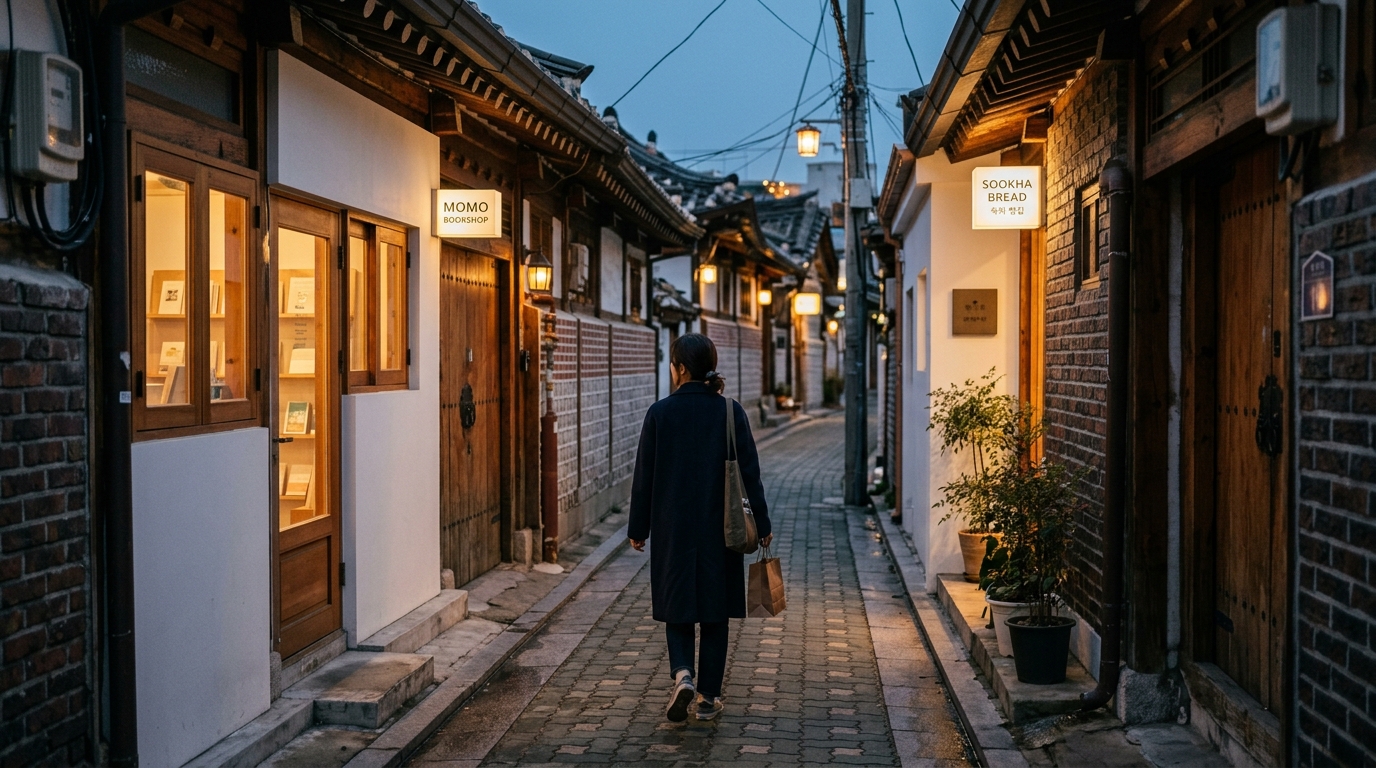

Finding authentic seoul local experiences requires a deliberate shift in perspective, moving away from the high-traffic districts that clutter most travel blogs. While many visitors get trapped in the repetitive cycle of major shopping malls and palace photo-ops, the city’s actual pulse is found in the quiet, narrow alleys where residents spend their downtime. When I first moved through Seoul, I was struck by how the city’s surface-level gloss—all neon lights and massive storefronts—acts as a sensory shield, hiding a deep layer of artisanal culture. To truly understand this metropolis, you must look at the specific, small-scale businesses that define the local weekend lifestyle.
Quick Summary
Apgujeong Rodeo offers high-end, health-focused cafes like A-ha Dosan, which provide a quiet escape from typical urban noise.
Jimbba in Jung-gu serves as a vital touchpoint for the burgeoning Korean craft liquor (sool) movement, emphasizing education over consumption.
The Korea National Arboretum provides a rare, forest-based mental reset, though it requires strict advance booking for entry.
Strategic Planning: Focus on one neighborhood zone per day to avoid the common mistake of over-scheduling in a city that appears more connected than it feels.
Local Tools: Use Naver Maps or KakaoMap exclusively for navigation, as international mapping services often fail to capture the granular detail of residential alleyways.
The Direct Answer: How to Actually Experience Seoul
If you want an authentic, non-touristy trip to Seoul, the most direct path is to stop treating the city as a checklist of landmarks. Instead, adopt a ‘neighborhood-first’ strategy. Choose one district per day—such as the quiet artisan lanes of Sindang or the forested outskirts of Pocheon—and commit to exploring them with no specific goal other than to find one local cafe and one local shop. The most rewarding parts of my time in Seoul occurred when I abandoned my transit map to walk through residential neighborhoods where English is rarely spoken. When you stop looking for the famous, you inevitably find the real.
The Apgujeong Aesthetic: Beyond the Luxury Logos
Many travelers write off Apgujeong as a playground for the wealthy, focused entirely on high-fashion retail. While that side of the neighborhood is undeniable, there is a quieter, health-conscious reality tucked into the secondary and tertiary streets. I remember stumbling upon A-ha Dosan on a Tuesday afternoon; the noise from the main road vanished completely the moment I turned into the alleyway.
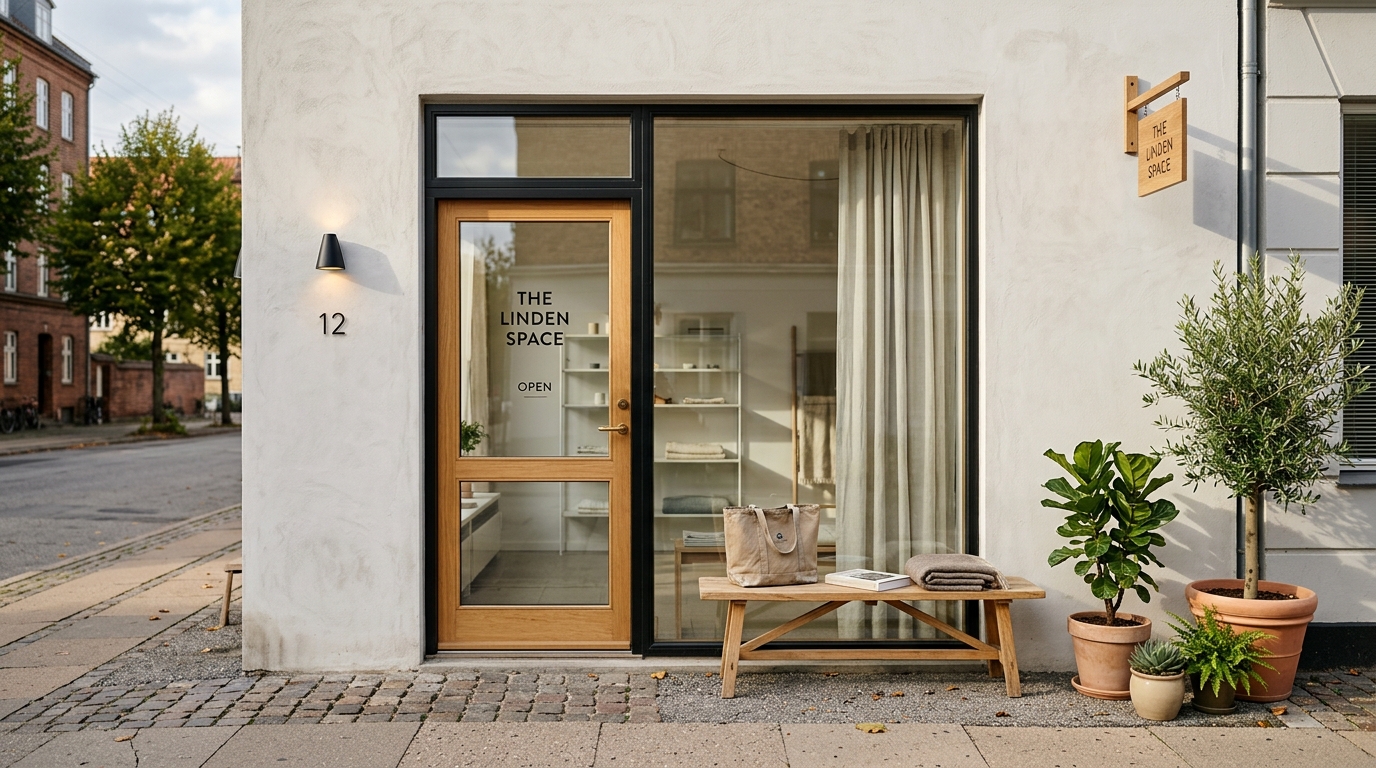
These spots are studies in intentional living. Their signature acai bowls, priced around 12,500 KRW, are built for texture and temperature control rather than just calories. By choosing to spend your time and money here, you are participating in a local shift toward wellness-based consumption. It is not about the brand on the sign; it is about finding a space that values the quality of ingredients over the speed of service. This is where you see how residents actually invest their time.
The Art of Korean Sool: A Deep Dive into Jimbba
If you want to move beyond the mass-market green bottles of soju that dominate late-night restaurants, you need to visit a dedicated sool shop. Jimbba, located near Sindang Station, is a perfect example of how niche retail in Seoul has become a cultural educator. The shop is sparse and clean, focusing entirely on the stories of independent, small-batch breweries scattered across the Korean countryside.
When you visit, do not rush. The staff at shops like Jimbba are essentially curators. If you ask about the rice profile or the fermentation style of a particular makgeolli, the conversation immediately shifts from a simple transaction to an exploration of regional history. I once spent an hour here learning about the difference between rice grown in the northern valleys versus the southern coast. This level of interaction is simply impossible in a supermarket. By supporting these specialized shops, you are helping preserve a tradition that is currently undergoing a massive, sophisticated revival.
Pairing Strategies for the Urban Traveler
One of my best strategies for a Saturday in Seoul is to pair these specialized shops with local food markets. After leaving a bottle shop with a dry, complex makgeolli, I head straight to the nearest traditional market—like the Sindang Jungang Market. Buying a bag of freshly fried mung bean pancakes (bindaetteok) and finding a corner to eat them with the liquor you just purchased provides an authentic experience that no restaurant reservation can match. It is raw, it is communal, and it is entirely representative of how locals actually spend their weekend disposable income.
Nature as a Tonic: The Korea National Arboretum
When the concrete and steel of Seoul become overwhelming, the best possible move is to leave the city center for the Korea National Arboretum. This space is a UNESCO Biosphere Reserve, and it feels like a different country entirely. Spanning 102 hectares, it is one of the few places in the region that has remained relatively wild.
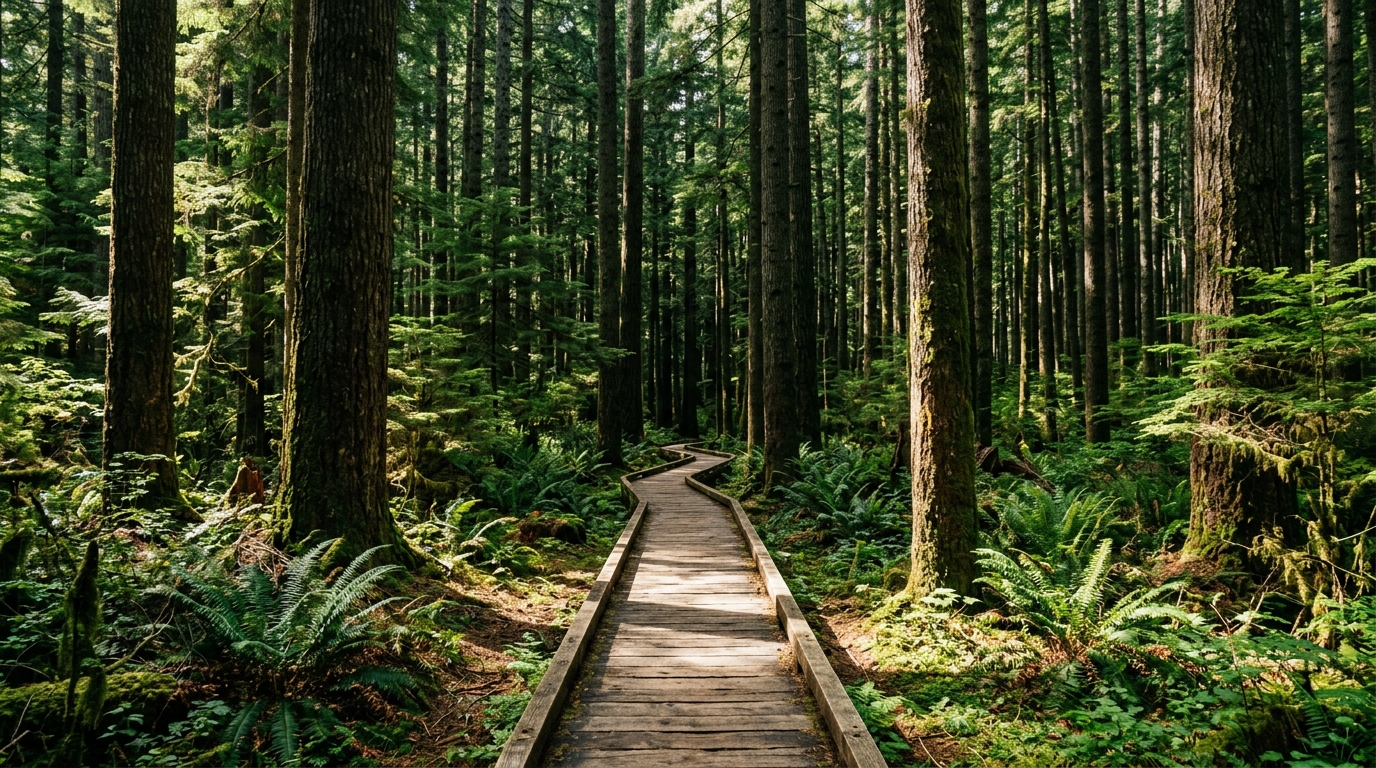
Walking the fir tree trail, you are physically breathing in phytoncides—the organic compounds released by trees to help fight off harmful insects and disease. Studies have shown these compounds help lower cortisol levels in humans. If you are struggling with the intensity of city travel, a two-hour walk here is an absolute necessity. Unlike the manicured parks inside the city, this arboretum feels like a genuine forest. It is quiet, the air is crisp, and the silence is deep enough to make you forget the city exists entirely.
Logistical Requirements: The Reality Check
I must emphasize that you cannot just show up here. The site requires advanced booking for parking, and they are incredibly strict about it. I have personally witnessed several tourists turned away at the gate because they thought they could just drive up. Check the official portal weeks in advance. The entrance fee is only 1,000 KRW, which is a steal, but the reservation system is the price you pay for avoiding a crowd. If you fail to book, your trip will be a wasted effort.
Who Should Prioritize These Experiences (And Who Should Not)
Authentic travel isn’t about doing what everyone else is doing; it is about aligning your trip with your personal energy. Not every visitor to Seoul needs to seek out these specific niches.
This is ideal for:
The Intentional Explorer: If you genuinely dislike Myeongdong and want to engage with the culture at a slower, more meaningful pace, these spots are your home base.
The Culinary Enthusiast: If you have an interest in craft fermentation or enjoy learning about the history of ingredients, a shop like Jimbba will be the highlight of your trip.
The Nature-Deficit Traveler: If you find yourself staying in high-rise hotels in the middle of a concrete jungle, a morning at the Korea National Arboretum is the only way to prevent total burnout.
You might want to skip this if:
You Have Limited Time: If you are only in Seoul for 48 hours, traveling to the outer provinces for the arboretum will destroy your schedule. Stick to central city zones.
You Prefer High-Energy Tourism: If you are looking for non-stop shopping, palaces, and famous photo-ops, the quiet, meditative pace of these locations will feel uneventful and slow.
- You Dislike Planning: The arboretum requires booking, and finding small shops in residential alleys requires GPS skills and patience. If you want a ‘walk-in-and-go’ vacation, these spots will only cause frustration.
- www.theworldfolio.com
- www.koreaherald.com
- lbbonline.com
- philstarlife.com
- www.koreatimes.co.kr
- www.theinvestor.co.kr
Cost Comparisons and Value Breakdown
Budgeting in a city like Seoul requires understanding that ‘cheap’ and ‘local’ are not always the same thing. You can spend $10 on a meal or $100, and both can be equally authentic.
| Activity | Estimated Cost (Per Person) | Value Quotient | Best For |
|---|---|---|---|
| A-ha Dosan Snack | 12,500–20,000 KRW | High | Quick energy, wellness |
| Jimbba Experience | 15,000–40,000 KRW | Very High | Education, local flavor |
| Arboretum Day Out | 1,000–5,000 KRW | Extremely High | Mental health, nature |
In terms of pure financial value, the arboretum is unmatched. For the price of a single coffee, you get access to a protected UNESCO site and a full day of activity. Conversely, the Apgujeong snack experience is a luxury purchase. It is not a budget meal; it is a premium, high-quality treat. When visiting a bottle shop like Jimbba, your cost is entirely variable. You can purchase a small bottle to try on-site for a modest price or invest in a high-end local spirit to take home, which provides long-term value as a unique cultural souvenir.
Common Mistakes to Avoid
I have seen many travelers miss out on the best parts of these experiences by making two very common errors.
First, they overestimate the reliability of standard international mapping apps. The address systems in Korea are precise, but the alleyways are not always logical to an outsider. If you are going to a small shop like Jimbba, do not rely on standard global platforms. Use Naver Maps or KakaoMap. These apps understand the granular detail of residential district alleys far better than their international counterparts.
Second, the mistake of ‘over-scheduling’ is the quickest way to ruin a trip. A common misconception is that because the city is efficient, you can fit a forest hike, a liquor tasting, and a shopping trip all into one day. You cannot. By the time you travel from the outskirts back to the city center, you will have exhausted your energy. Pick one ‘neighborhood zone’ per day. It is far better to spend four hours walking and reflecting in a single area than it is to spend two hours rushing through a forest just to make a lunch reservation in the city.
Frequently Asked Questions
Is it easy to visit the Korea National Arboretum without a car?
It is possible, but it requires patience. You can reach the area via public transportation, but the final leg usually requires a bus or a local taxi from the nearest subway station. My advice is to leave plenty of room in your schedule for the return trip, as the buses from more rural regions of Gyeonggi Province can be infrequent compared to the high-frequency trains in central Seoul. Always verify the bus schedule before you leave the city center.
Do I need to speak Korean to enjoy the shops in Apgujeong or Sindang?
Not at all, though it certainly helps to learn a few basic phrases. In neighborhoods like Apgujeong, many staff members have a functional command of English. At smaller, specialized shops like Jimbba, communication is often facilitated by pointing at labels or asking for recommendations. Koreans are generally very welcoming to curious travelers, and if you demonstrate a genuine interest in their local culture—such as asking about the history of a specific liquor—you will find the service to be incredibly warm and helpful.
Are there any other hidden costs I should anticipate?
If you are planning to bring alcohol from Jimbba back to your home country, remember to check your airline’s baggage policies and the customs laws of your destination. Most premium bottles are well-packaged, but they are heavy. Also, if you plan to visit multiple cafes or shops, carry a small amount of cash, although almost every store in Seoul now accepts credit cards and mobile payments. The most significant ‘cost’ is usually your time, especially if you get lost in the winding alleys of the older districts.
Conclusion: Your Path to a Better Seoul Experience
Authentic travel is not about checking items off a list; it is about finding the moments that resonate with your own curiosity. Whether you are seeking the grounding silence of an ancient forest, the refined simplicity of a healthy snack, or the storied history of a craft spirit, the keys to these Seoul local experiences are already within your reach. By stepping away from the main tourist hubs, you allow yourself the space to truly interact with the capital’s culture.
If you take away only one piece of advice, let it be this: be intentional. Choose one area, dedicate your time to it, and do not be afraid to duck into an alley that looks interesting. My most memorable moments in this city have never been at the famous landmarks; they were found in the quiet, white-walled shops and the shaded forest paths where no one else was looking. Take the time to plan your logistics, respect the local rules—especially with the reservation-based nature sites—and you will find a version of Seoul that most visitors never see.