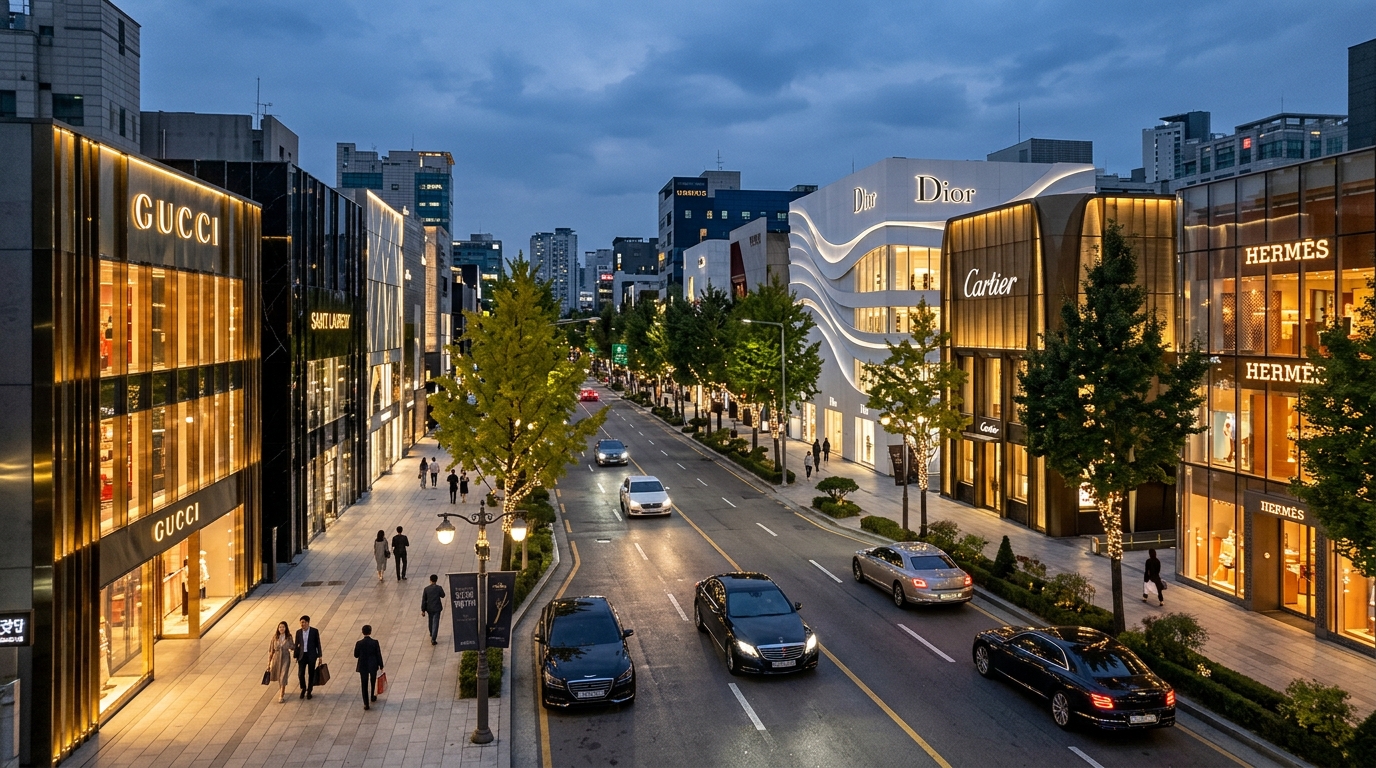

Apgujeong luxury shopping remains the undeniable pulse of Seoul’s high-end retail scene, functioning as the city’s premier destination for those seeking status, quality, and exclusive design. You might have heard rumors that this district was fading during the rise of e-commerce, but my recent time walking these streets proved that theory entirely wrong. The neighborhood has undergone a massive, calculated transformation. It has moved beyond simple storefronts to become an interconnected ecosystem of flagship experiences, private lounges, and curated galleries that digital platforms simply cannot replicate. If you want to understand where the heartbeat of South Korean style truly lies, you must look here.
Quick Summary
The Comeback: Apgujeong has reclaimed its crown as the city’s top-tier luxury hub through a mix of ‘revenge consumption’ and physical experience centers.
Geographic Logic: The district is split into three distinct zones—Apgujeong Station, rodeo, and Cheongdam-dong—and you should not attempt to walk between them.
The Tech Shift: Online giants like Musinsa are now anchoring the district with massive flagship stores that prioritize tactile, high-service interactions.
Budgeting: Expect to pay full premiums; this is not a location for bargain hunting or discount outlets, so budget for high-end hospitality accordingly.
Reservation Culture: If you plan on dining at the most sought-after spots in the Rodeo area, you need to book at least one week in advance.
If you are wondering whether to prioritize this district for your trip, the direct answer is: visit if you are interested in high fashion, architecture, and the intersection of technology and luxury. If your goal is to find affordable souvenirs, street food markets, or traditional cultural artifacts, you will be disappointed. You should treat this as a specialized, high-budget shopping experience rather than a casual stroll. My first trip to this area resulted in blistered feet because I ignored the geographical scale; take my advice and use the subway or a taxi to hop between the clusters, as the distance between the Rodeo and the flagship stores in Cheongdam-dong is significantly larger than it appears on a standard map.
The Evolution of the District
Historically, this area was the birthplace of the ‘orange tribe,’ an affluent youth demographic in the 1990s that defined the neighborhood’s DNA through imported luxury goods and high-end lifestyles. When I first visited over a decade ago, the vibe felt slightly dated, caught in the transition between traditional boutiques and the looming threat of the internet. However, the pandemic catalyzed a major pivot. While the world sat behind screens, the demand for exclusive, physical interactions only intensified. Today, the area is less about ‘shopping’ and more about ‘belonging.’ The boutiques here act as exclusive clubs, and the staff are trained more as curators than clerks.
I’ve noticed that the most successful stores are those that treat their space as an extension of the brand’s narrative. For instance, many of the newer concept stores integrate art installations that change seasonally. It’s an exercise in brand building that requires significant capital, which is why the barrier to entry for retailers here is so high. This is not a place for mass-market retail chains. It is a place for the ultra-exclusive, the limited edition, and the architectural masterpiece. When you walk past the glass-fronted buildings in Cheongdam-dong, you are not just looking at a shop; you are witnessing a deliberate architectural statement meant to convey prestige.
Navigating the Three Pillars of Apgujeong
To master this district, you must treat it as three separate destinations.
1. The Apgujeong Station Cluster
This area is defined by its intensity and utilitarian luxury. It serves as the gateway to the neighborhood, often attracting a slightly more mature, service-oriented crowd. You will find a high concentration of premium cosmetic clinics and medical-spa facilities here. The retail is more accessible than the deep, expensive streets of Cheongdam-dong, but the quality remains high. It is the perfect place to start your day if you have errands to run or are looking for professional, high-end beauty services.
2. Apgujeong Rodeo Street
This is the high-energy heart of the district. If you want to see what is currently trending, this is where you need to be. The area is dense with pop-up restaurants, experimental cafes, and boutique fashion brands that cater to the younger, more fashion-forward crowd. I personally recommend visiting during the late afternoon. As the sun begins to set, the area comes alive with a unique social energy. You’ll see influencers capturing content and local fashionistas meeting for coffee. It is less about the purchase and more about the lifestyle performance.
3. Cheongdam-dong Fashion Street
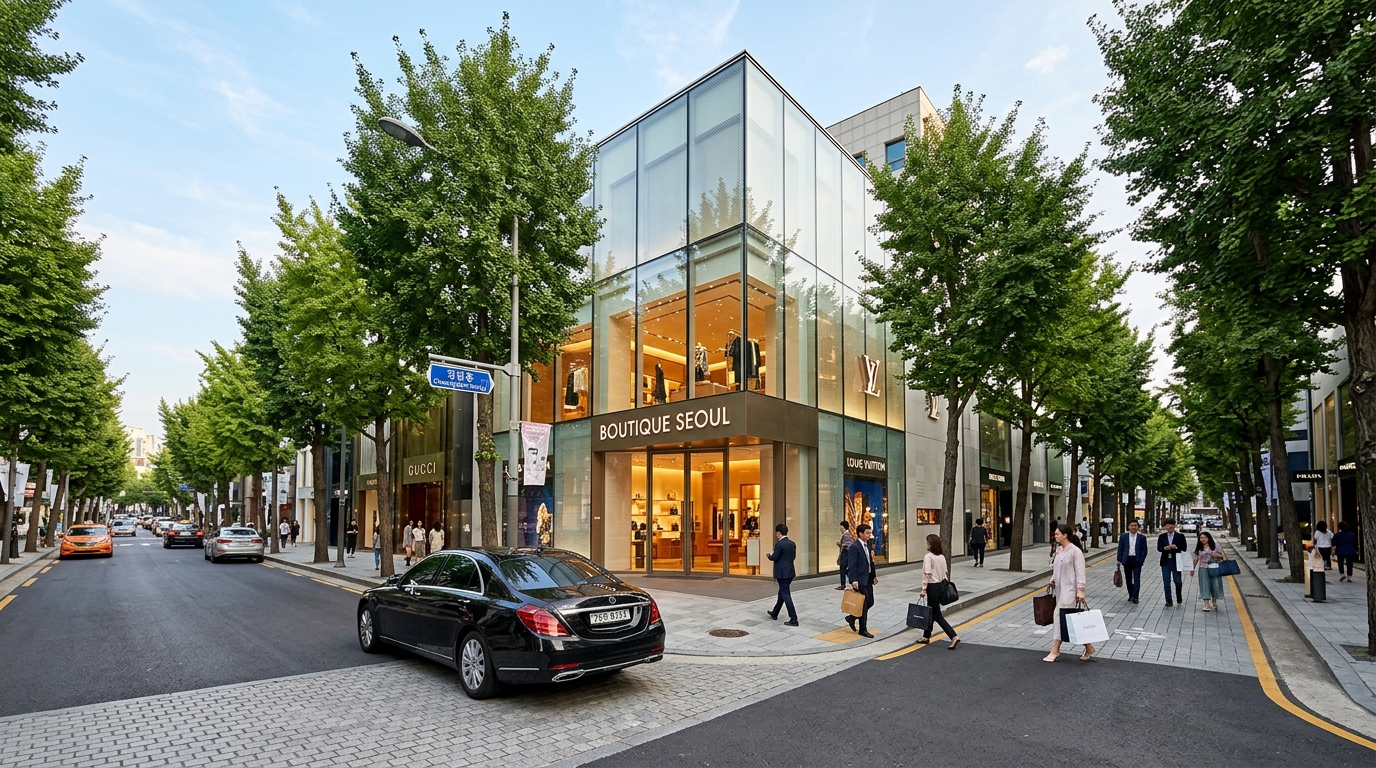
If the other two areas are the pulse, this is the monument. This is where you find the massive, flagship architectural towers housing the likes of Prada, Louis Vuitton, and Saint Laurent. The streets are wider, quieter, and significantly more intimidating. Don’t feel pressured to buy anything here; the primary reason to visit is to view the retail design. Many of these buildings are internationally recognized for their structural innovation. It is an incredibly polished experience, and the service levels are the highest you will encounter in South Korea.
The Role of Tech in Physical Retail
I was struck by how effectively major digital players like Must It and Musinsa have occupied physical space in this district. They aren’t trying to replicate a website. Instead, they have created ‘experience centers.’ During a visit to one of these flagship locations, I was able to browse a curated digital interface that synced with physical items in the store. This seamless integration between online inventory and physical accessibility is a game-changer.
They understand that luxury is not just the product; it is the feeling of trust and the tactile connection. When you shop here, you aren’t guessing at sizing or quality. You are interacting with the item, receiving a professional styling consultation, and enjoying a high-touch service level. It is a brilliant strategy because it justifies the premium price points through superior service and convenience. If you value the ‘story’ of your purchase, these tech-forward flagship stores are where you will find the most authentic connection to the brands you love.
Cost Comparison: Planning Your Budget
One common misconception is that you can wander through Apgujeong on a shoestring budget. This is simply not the case. The premium here is baked into everything from the coffee you drink to the taxi ride you take between clusters. I suggest planning a ‘splurge’ budget. Even if your main goal is window shopping, the environment is engineered to encourage high-level spending. Below is a realistic breakdown of what to expect for a day of high-end exploration.
| Item Category | Estimated Daily Budget (Low-End) | Estimated Daily Budget (High-End) |
|---|---|---|
| Coffee/Cafes | $20 | $65+ |
| Fine Dining | $80 | $300+ |
| Fashion Items | $300 (Resale/Accessories) | $2,500+ (Flagship) |
| Transportation | $20 (Taxi Hops) | $75 (Private Driver) |
My advice is to set a fixed limit. It is very easy to lose track of expenses when you are moving between luxury boutiques and upscale cafes. The cost of a single coffee in a premium Cheongdam cafe can easily double the price of a standard chain coffee, but you are paying for the atmosphere, the staff’s time, and the prime location.
Who Should Visit (And Who Should Not)
Deciding if this district aligns with your travel goals is crucial for an enjoyable trip. Here is my breakdown based on years of observing the local retail rhythm.
This is ideal for:
Fashion enthusiasts who want to study the latest global trends and local luxury interpretations in one high-density location.
Luxury travelers seeking elite service, private shopping appointments, and premium dining experiences that are hard to replicate elsewhere.
Tech-conscious shoppers interested in how modern e-commerce giants are reimagining the physical store as a brand monument.
You might want to skip this if:
You are on a tight budget. The area is designed for high-level consumption. Being surrounded by items you cannot realistically afford can become an exhausting exercise in window shopping.
You dislike car-dependent environments. Unlike the highly walkable neighborhoods of Bukchon, this area is sprawling. If you hate relying on taxis or subway transfers, the layout will quickly frustrate you.
- You are seeking ‘old-world’ charm. Apgujeong is, by design, sterile, hyper-modern, and polished. It lacks the historical weight of Seoul’s ancient districts.
- wwd.com
- snkrdunk.com
- www.thepeakmagazine.com.sg
Common Mistakes to Avoid
1. The Walking Fallacy
I see many visitors try to walk the entire length of the district, thinking it will be a pleasant stroll. Do not make this error. The roads are massive, traffic is constant, and the distance between the station and the high-end flagship street is deceptive. You will arrive at your destination tired, sweaty, and less likely to enjoy the curated atmosphere of the shops. Use a taxi for the short hop from the station to the Rodeo, or from the Rodeo to Cheongdam. Your feet and your mood will thank you.
2. Ignoring the Reservation Culture
Many of the ‘hidden’ high-end restaurants in the Rodeo area are strictly reservation-only or have waitlists that exceed what a typical traveler can handle. If you have a specific spot in mind that you found on social media, you need to book it at least a week out. Relying on ‘showing up’ is a recipe for a bad experience. Use your hotel concierge or a local booking app; having that confirmation in advance is what separates a seamless day from a stressful, hungry evening.
Frequently Asked Questions
Is Apgujeong worth visiting if I am not looking to buy luxury goods?
Yes, absolutely. The area is a masterclass in modern architecture and design. If you appreciate the aesthetic of ‘new Seoul,’ the flagship stores in Cheongdam-dong are fascinating to observe from the street level. I often spend time here just people-watching and enjoying the cafe culture. You don’t have to spend a cent on a handbag to appreciate the visual polish and the curated vibe of the neighborhood. Just go with the expectation of sightseeing rather than a shopping mission.
How does the pricing compare to Myeong-dong?
There is a massive difference. Myeong-dong is built for tourists and volume; it offers tax refunds, budget-friendly souvenirs, and mainstream global chains. Apgujeong is built for prestige. You will not find the same level of discounts or ‘value-for-money’ deals here. You are paying for the brand exclusivity, the store experience, and the premium service. If you are looking to stretch your budget, save your money for Myeong-dong and use your ‘fun money’ for a single, high-quality piece in Apgujeong.
Are there any ‘hidden’ spots that are less expensive?
They exist, but you have to look for them in the alleys behind the main thoroughfares. If you step away from the major flagships and head into the smaller streets, you can find local boutiques and smaller cafes that are a bit more reasonable. However, even these spots are generally pricier than the city average. The best strategy is to look for places where local office workers are heading for lunch; they usually know where the better value lies. If you see a long line of locals, it’s usually a reliable sign that the price-to-quality ratio is worth it.
What is the best time of day to explore the area?
Late afternoon into the early evening is the golden window. The district, especially the Rodeo area, is quiet during the morning hours. As the day progresses, the energy shifts, and the cafes fill up. By sunset, the area reaches its peak vibrancy. If you want to see the storefronts in all their glory with the interior lighting shining through the glass, aim for dusk. It’s when the neighborhood feels the most like the cinematic version of itself that you see on social media.
Conclusion
My final piece of advice is to accept the district on its own terms. Apgujeong is not trying to be a quaint historical village; it is trying to be the epicenter of modern, high-touch luxury. Its return to the top of the retail hierarchy proves that people still crave the physical, the tactile, and the exclusive. By integrating digital efficiency with the undeniable power of physical branding, this district has secured its place as a mandatory stop for anyone interested in the future of retail. Plan your day with intention, respect the scale of the district, and allow yourself to be immersed in one of the most polished environments in Asia. It is, quite simply, the best place in Seoul to observe how the city’s most affluent residents live and consume.