
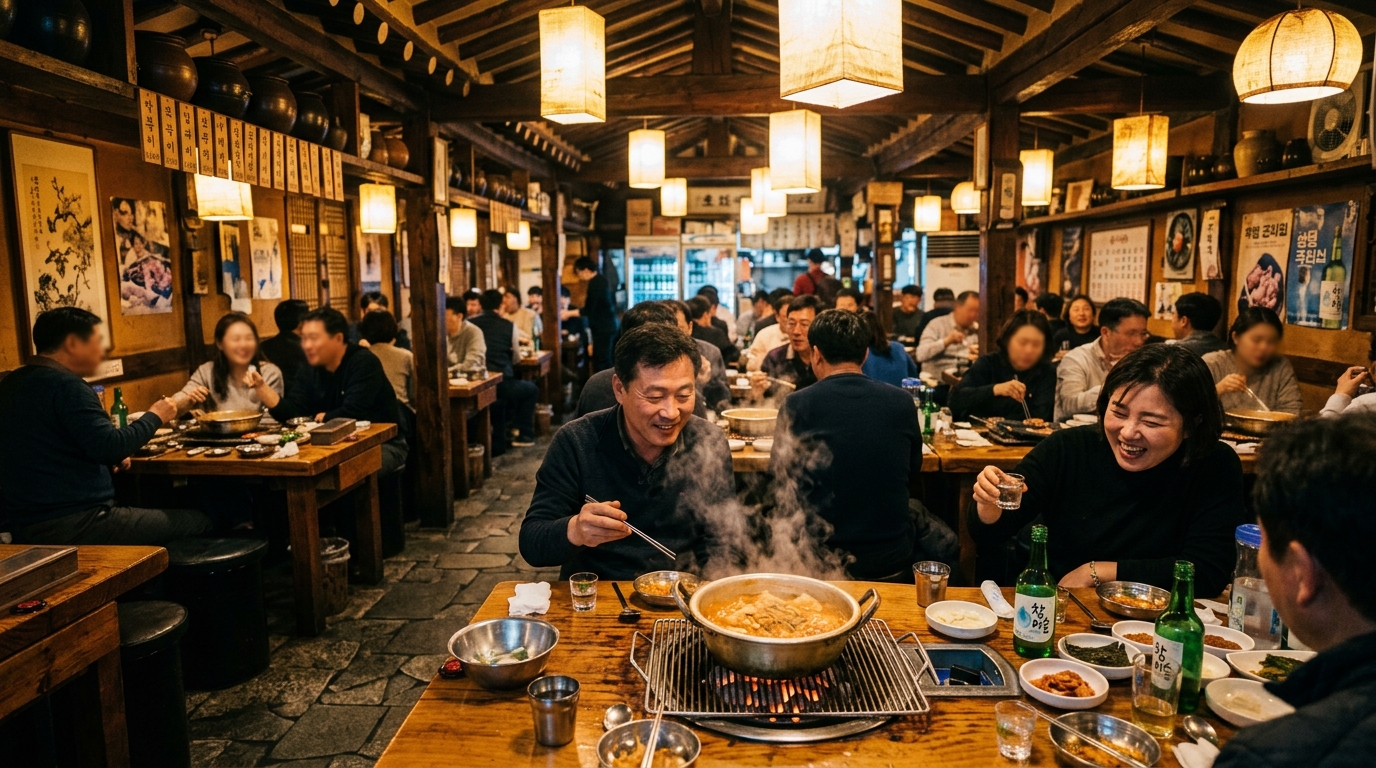

Finding the best restaurants in seoul is a journey that requires an empty stomach, a reliable digital map, and the patience to navigate both centuries-old alleyways and cutting-edge dining reservations. I have spent years crisscrossing this city, often following the scent of charcoal smoke and the sound of sizzling metal, and I can tell you that the soul of this metropolis is found in its bowls of broth and its communal barbecue grills. If you want a direct answer, start your search in the Jongno district for traditional heritage food or head to Gangnam if you are chasing Michelin-level, contemporary fine dining.
Quick Summary
The best restaurants in Seoul range from historic family-run nopo spots to world-class, hyper-seasonal fine dining.
Use digital platforms like Catchtable to secure reservations at popular venues weeks in advance.
Many high-quality BBQ restaurants do not accept reservations; be prepared to queue or use digital kiosks.
Always look for ‘nopo’—historic institutions that have served the same signature dish for decades.
- Solo dining is perfectly acceptable at specialized soup and noodle shops, though BBQ often requires a two-serving minimum.
- Ignoring the ‘Minimum Order’ Rule: At almost every barbecue restaurant, you must order at least two servings of meat. I once walked into a spot solo, thinking I could order a single portion of pork belly, only to be politely but firmly told that the minimum order was two. Always bring a friend or be prepared to eat a very large amount of meat. Never assume you can order a ‘half-portion’—it just isn’t how the business model works here.
- Expecting English Menus Everywhere: While major tourist hubs have menus in English, the most authentic nopo spots often only have menus written in Hangul. Do not let this stop you. I have found that most places are more than happy to have you point at what other tables are eating. Learn to use a photo-translate app, or better yet, learn the basic names of the dishes you want to try. Being adventurous with your ordering usually leads to the best experiences.
- sheerluxe.com
- www.vogue.com
- www.businessinsider.com
- www.bonappetit.com
- www.theworlds50best.com
- www.koreaherald.com
The Philosophy of the ‘Nopo’ Experience
When I first started exploring Seoul, I mistakenly chased every new ‘viral’ cafe I saw on social media. I soon realized that the most rewarding meals weren’t in the trendy pop-up zones, but in the nopo—the weathered, long-standing institutions that feel frozen in time. These restaurants do not care about interior design or social media aesthetics. They care about the consistency of their broth and the quality of their kimchi.
At Hadongkwan in Myeongdong, the menu hasn’t fundamentally changed in decades. You walk in, order your gomtang (beef bone soup), and it arrives almost instantly. The broth is deep, clean, and surprisingly light. It is not flashy, but it is a masterclass in ingredient management. This is where you understand that Korean food is not just about bold spices; it is about the quiet, patient extraction of flavor from humble ingredients. I have visited five times, and every single bowl tasted identical to the first.
The Pyongyang Naengmyeon Cult
One thing that surprised me early on was the local obsession with Pyongyang naengmyeon. If you go to Wooraeok, which has been operating since 1946, you will see locals sipping the cold buckwheat noodle broth with a serious, almost reverent focus. It is very different from the sweet, tangy cold noodles most tourists expect. The flavor is subtle, earthy, and meaty. If you drink it like a soda, you will miss the point. Sip it slowly, notice the slight variations in the buckwheat, and respect the history in the bowl.
The Art of the Korean Barbecue Feast
Korean barbecue is less of a meal and more of a high-stakes performance. Places like Gold Pig BBQ have become legendary not just because of the quality of the pork, but because of the specialized preparation. They use cast iron plates over charcoal briquettes to give the samgyeopsal a distinct, smokey aroma that you simply cannot replicate at home.
I vividly remember waiting over an hour in the rain for a spot at Mongtan in Yongsan. They use straw-fire searing to give the udae galbi (long beef rib) a distinct, deep smoke that is unmatched. Expect a multi-hour wait; when I went, I had to arrive at 11 AM just to get a spot for the afternoon, but the reward—meat that melts upon contact with your tongue—was undeniable. Do not be intimidated by a crowd outside a restaurant door; in Seoul, a long line is rarely a sign that you should avoid a place; it is a signal that you are in the right spot.
Modern Fine Dining: The New Vanguard
While the nopo carry the torch of the past, the contemporary fine-dining scene is currently in a state of rapid evolution. Establishments like Onjium and Mingles are essentially research labs. At Onjium, the chefs do not just cook; they study ancient culinary texts from the royal court and recreate lost techniques. It is an educational experience as much as a dinner. I recently sat through a meal there that featured techniques I had never seen documented in any cookbook, using seasonal mountain herbs that are rarely exported.
Seasonality as a Religion
In Seoul’s top-tier kitchens, the menu is often dictated by the calendar. Eatanic Garden is famous for replacing written menus with illustrated cards, allowing the kitchen to swap out components daily based on what arrived from the market that morning. If the weather changes, the meal changes. This level of agility is what makes the city’s high-end scene so exciting right now. This is a far cry from the static menus of Western fine dining.
Cost and Value Breakdown
Dining in Seoul is surprisingly scalable. You can have a world-class experience for under $10 or spend $350 on a tasting menu. Budget management here is all about choosing your category wisely.
| Experience Type | Typical Cost (USD) | Best For |
|---|---|---|
| Market Stall | $5 – $12 | Quick, authentic, casual lunch |
| Nopo Soup Spot | $10 – $20 | Consistent, historic comfort food |
| Casual BBQ | $25 – $45 | Socializing, soju with friends |
| High-End Tasting | $150 – $350 | Special occasions, culinary research |
Who Should (and Should Not) Explore Seoul’s Deep-Dive Dining
Deciding which spots to target depends on your appetite for adventure.
This is ideal for: Travelers who view dining as the primary reason for a trip. If you enjoy learning about the cultural context of a dish, the history of a kitchen, and the nuances of fermentation, Seoul is a paradise. You will appreciate the dedication to ingredient quality and the sheer historical weight behind dishes like seolleongtang or kalguksu.
You might want to skip this if: You are on a very rigid budget or have strong preferences for Western-style comfort food. While there is plenty of variety, some of the best experiences in the city involve textures—like slippery cold noodles or cartilaginous broth—that may be challenging if you have a sensitive palate or require high levels of customization.
Common Mistakes to Avoid
Frequently Asked Questions
Is it hard to eat in Seoul as a solo diner?
Traditionally, Korean dining is communal, which makes solo dining feel slightly awkward at some barbecue spots. However, this is changing rapidly. Many tang (soup) restaurants and noodle shops like Myeongdong Kyoja are perfectly accustomed to solo diners. Stick to soup or bowl-based establishments, and you will have no issues at all. Just be prepared to sit at smaller tables or counter seating.
Do I need to make reservations weeks in advance?
For the top restaurants on international lists, like Mingles or Onjium, yes, you absolutely do. Use apps like Catchtable or native booking platforms to check availability. For the vast majority of local spots, reservations are either not accepted or not necessary. If you cannot get a reservation, go early, right when they open, to avoid the peak rush.
What should I do if I have dietary restrictions?
Korean cuisine relies heavily on meat, seafood, and fermented pastes like doenjang (soybean paste). If you are vegetarian or have severe allergies, it can be tricky. I recommend keeping a translated card on your phone that explains your restrictions clearly in Korean. Places like Bium are specifically designed to cater to plant-based diners with high-end techniques, so look for those options specifically instead of assuming every place can accommodate you.
Is tipping expected at restaurants?
No, tipping is not practiced in South Korea. In fact, it can sometimes be seen as confusing or impolite. The price you see on the menu is exactly what you pay. If you want to show appreciation, simply saying ‘Jal meogeosseumnida’ (I ate well) to the staff as you leave is the best way to offer thanks. Do not leave money on the table; the staff will likely chase you down to return it.
Finding Your Own Seoul
Seoul is a city that demands your full attention. To get the most out of your visit, do not try to do everything at once. Start by picking one district—perhaps Jongno for its historical significance—and commit to visiting three of the spots mentioned here. Do not worry about crossing off every single recommended restaurant. The real magic happens when you find your own ‘third space,’ that one quiet, smoky shop in an alleyway where the staff starts to recognize you after your second visit.
My final recommendation? Start your first night with a simple bowl of seolleongtang at a 24-hour spot. There is no better way to align your body clock with the city’s rhythm. Seoul’s culinary landscape is not just about feeding you; it is about inviting you into a tradition that stretches back centuries. Eat deeply, stay curious, and keep an extra layer of clothes on hand—you will likely be walking off a very satisfying meal long after the sun goes down. The city is waiting, and the best way to see it is through the bottom of a bowl.