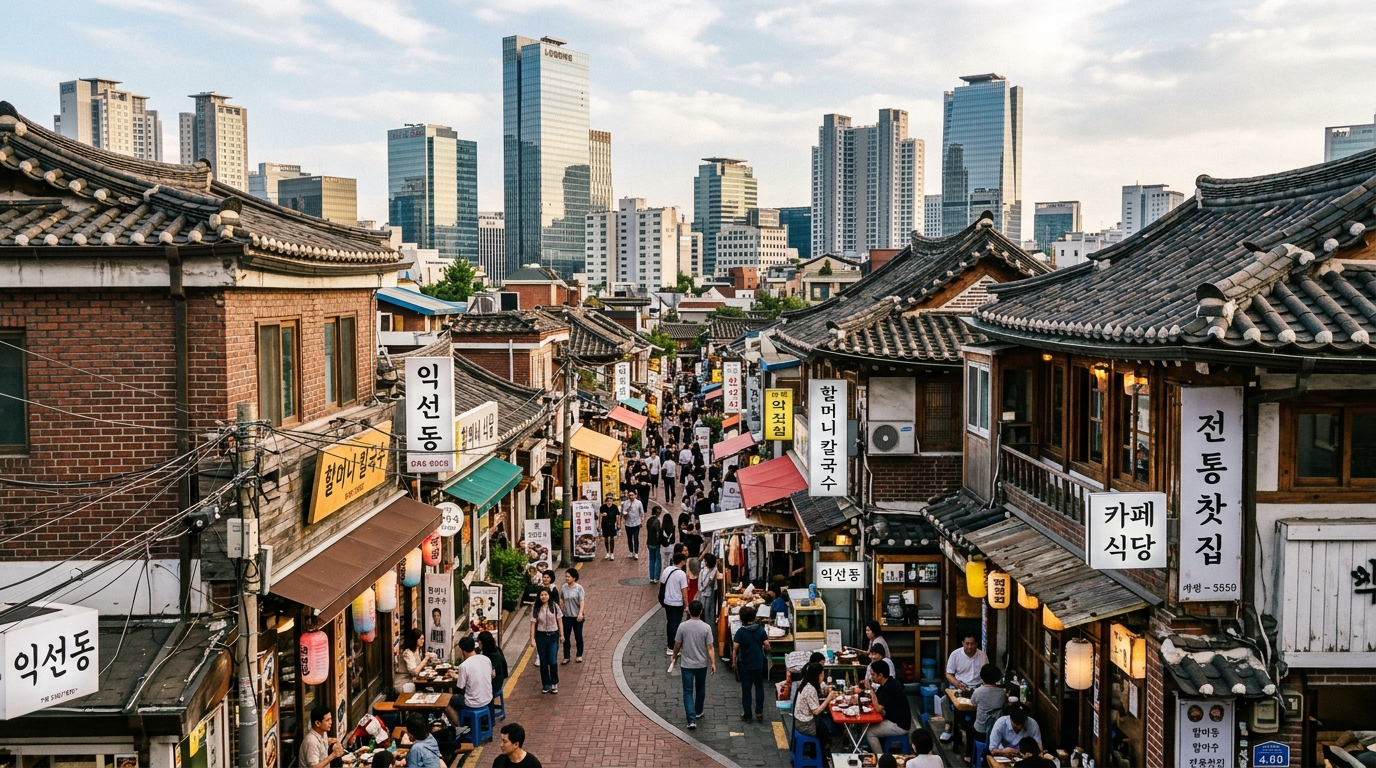

Finding affordable experiences in Seoul is entirely possible when you pivot away from the tourist-heavy districts and embrace the rhythm of the local workforce. Most visitors assume that the glitz of areas like Gangnam requires a massive budget, but I have found that some of the most memorable aspects of the city thrive in the quiet spaces between the skyscrapers. Whether you are navigating the intricate subway system or hunting for the best bowl of dumplings, the reality is that the most authentic parts of this metropolis are surprisingly inexpensive.
Quick Summary
Prioritize local neighborhood eateries over glitzy chains to save money and find better food quality.
Use the Seoul subway system as your primary mode of transport to avoid expensive and slow taxi traffic.
Visit free cultural sites like Bongeunsa Temple and Seonjeongneung for a peaceful escape from the urban density.
Eat where office workers dine during the 12:00 PM to 1:00 PM lunch rush for the best value and quality.
Stick to budget-friendly boutique hotels situated in office-heavy districts to minimize your daily travel expenses.
The Direct Answer: How to Save in the City
If you want the direct answer to your budget concerns: spend your money on experiences and meals, but trim your costs by avoiding tourist-catered dining and private transport. For instance, my daily lunch budget in the city rarely exceeds $12, and this gets me a high-quality, freshly prepared meal that would cost triple elsewhere. By selecting a hotel near a major subway line rather than in a tourist enclave, you eliminate the need for taxis. This strategic choice is the single most effective way to keep your trip costs under $60 per day while still enjoying the very best the district has to offer.
Navigating the Urban Landscape Efficiently
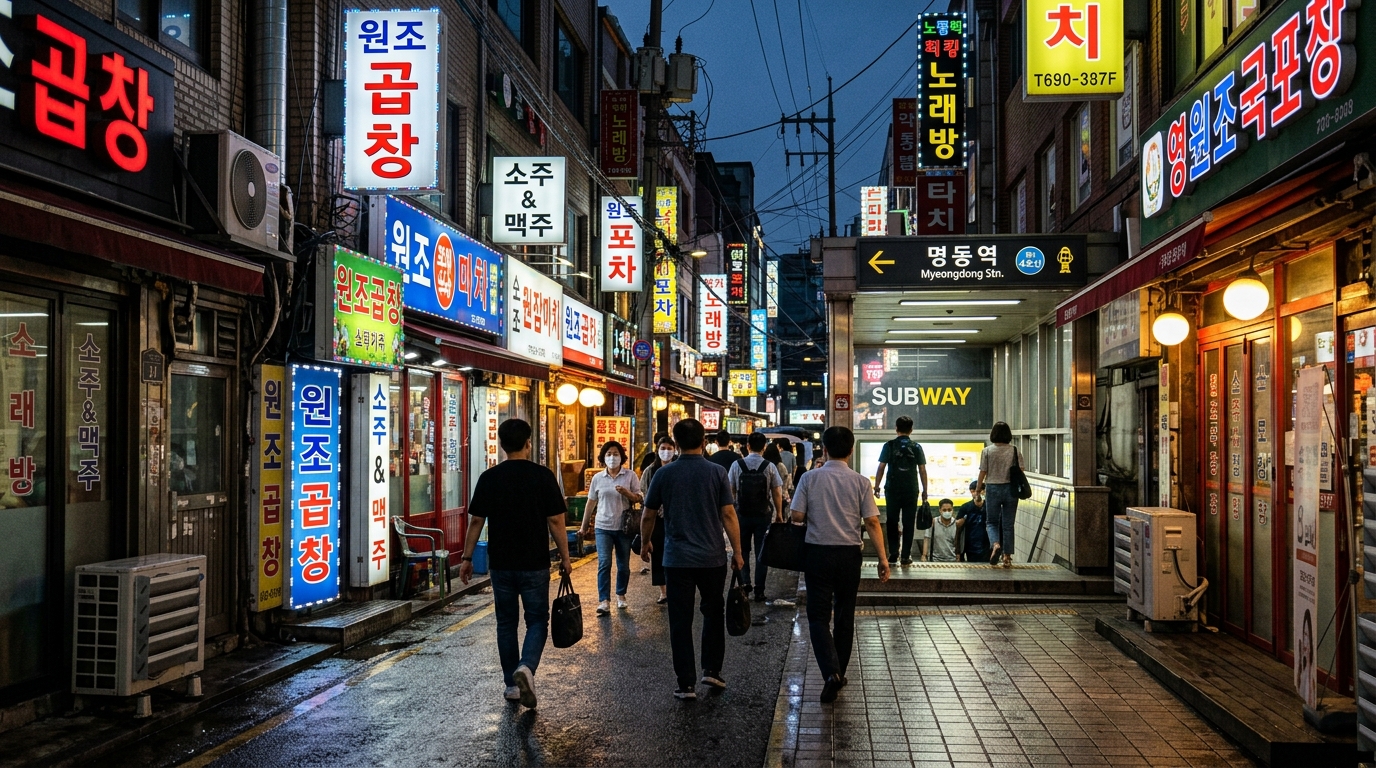
The layout of Seoul can feel intimidating at first, but the city operates with a precision that favors the prepared traveler. I once spent 50 minutes sitting in a taxi during rush hour to move less than two miles. That experience taught me everything I needed to know about the local transport system. The subway is not just for locals; it is an impeccably clean, fast, and remarkably affordable way to cross the city. A single ride costs roughly $1.25, and you can access almost any point of interest from one of the many well-connected stations.
Choosing Your Base Strategically
Your accommodation choice will determine your overall spending. I strongly recommend avoiding the areas immediately surrounding the most expensive luxury malls. Instead, look for properties in districts like Eonju or Sinsa. Hotels here often cater to business travelers, which keeps the rates competitive and the surroundings full of reasonably priced lunch spots. I personally favor hotels that offer simple, efficient rooms; after all, you will spend most of your time exploring, not sitting in a lounge.
Culinary Gems Without the Premium Price
One of the biggest mistakes travelers make is assuming that a restaurant with English signage or a prime spot on a main street provides the best meal. In my years of visiting, I have learned that the most reliable indicator of quality is a line of office workers during the lunch hour. If you walk into a place where the staff is efficient and the menu is limited to three or four specific items, you have found a winner. These shops specialize in a craft, such as handmade dumplings or traditional noodle soup, often perfecting their recipes over several decades.
The Philosophy of Niche Dining
Take, for example, the concept of a single-dish restaurant. These establishments do not waste money on diverse menus; they invest their profit into high-quality ingredients. When I visited a small dumpling shop in the Apgujeong area, I realized that the price was kept low specifically because the menu had not changed since the late 1990s. The flavor of the broth told the story of thirty years of repetition. You are paying for consistency, not for a view of the street or a fancy dining room. This is the ultimate way to enjoy authentic local food without a high markup.
Global Flavors on a Budget
It is also worth mentioning that you don’t have to stick strictly to local dishes to eat cheaply. Because Seoul has a high density of international workers, there are excellent spots for Singaporean, Japanese, and Chinese cuisine that cater to the local workforce. Many of these international chains operate with the same efficiency as local restaurants, offering hearty portions that satisfy your appetite for a reasonable price. Sharing dishes with a travel companion is another great strategy to lower costs while sampling more of the menu.
Finding Peace in the Concrete Jungle
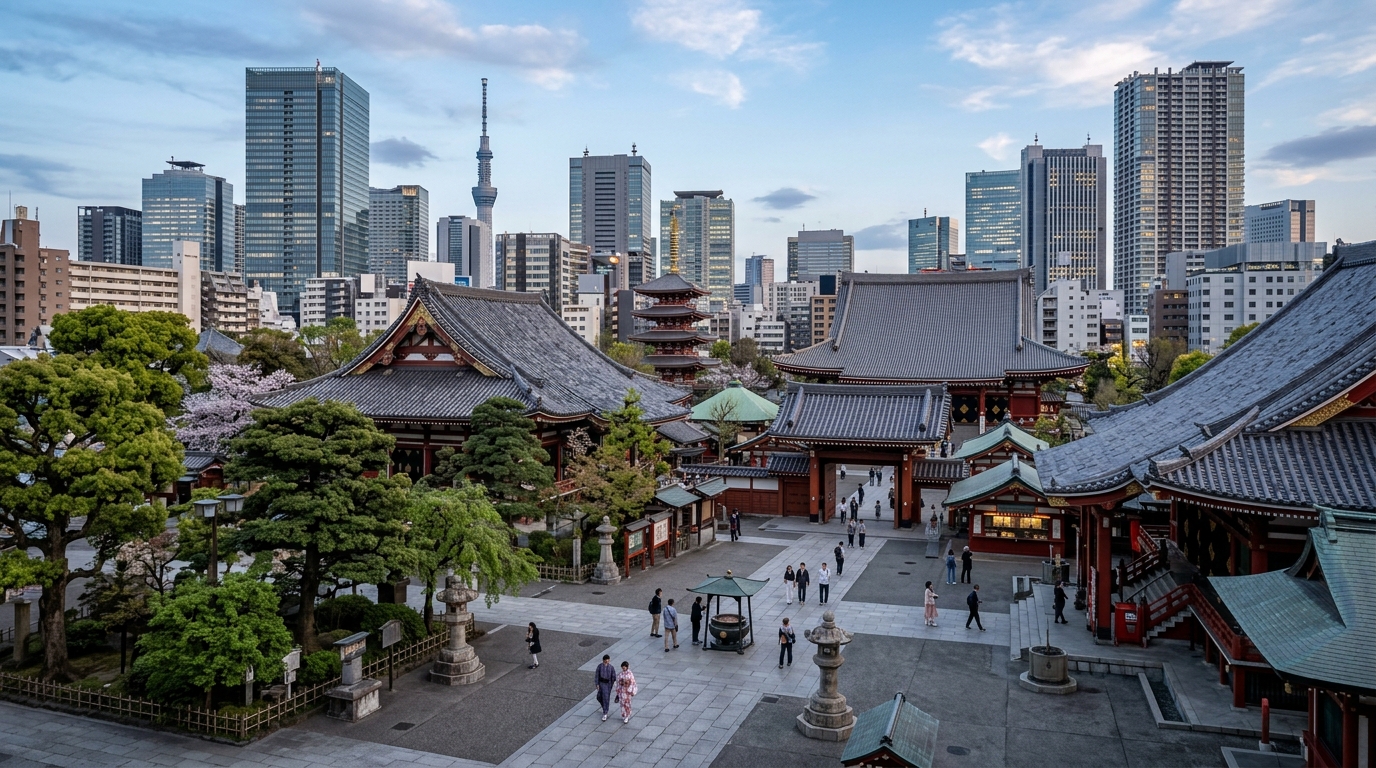
Even in a city that moves at the speed of light, there are designated zones of profound silence. These spaces serve as the lungs of the city. I find that visiting the royal tombs or the local Buddhist temples is essential for balancing out the sensory overload of the downtown area. The beauty of these sites is that many of them remain free to the public or charge a nominal entrance fee that barely registers on your daily budget.
The Resilience of Bongeunsa
Bongeunsa Temple is perhaps the most striking example of historical preservation in a modern setting. It sits directly across from one of the busiest commercial centers in the country, yet the moment you step onto the temple grounds, the ambient noise disappears. I make it a point to visit early in the morning when the monks are chanting. It costs nothing to enter, and the architectural history is enough to keep you occupied for hours. It is a reminder that the city has a deep, complex history beneath its modern skin.
Walking the Seonjeongneung Path
Similarly, the Seonjeongneung royal tombs offer an expansive green space that stands in defiance of the surrounding glass towers. I have spent many afternoons walking the perimeter trails here. It is one of the few places where you can observe the contrast between the burial grounds of the Joseon Dynasty and the corporate headquarters that now overlook them. This is not just a sightseeing spot; it is a vital public park that locals use for their daily exercise, making it a perfect spot to observe the rhythm of daily life.
Strategic Budgeting: A Real-World Example
To help you visualize your spending, let’s break down a typical day. My goal is always to keep the daily total under $60 USD, which is entirely manageable if you focus on the right priorities.
| Item | Estimated Cost (USD) | Strategy |
|---|---|---|
| Public Transport | $8 | Use a T-Money card for subway and buses |
| Breakfast | $5 | Coffee and a pastry from a local bakery |
| Lunch | $10 | Simple noodle or rice dish at a neighborhood shop |
| Dinner | $25 | Mid-range local BBQ or set meal with a drink |
| Sightseeing | $0 | Free temples, parks, and walking tours |
| Total | $48 | Stay within the budget by avoiding taxis |
Who Should Choose This Approach (And Who Should Not)
This travel style is highly specific to those who value authentic engagement over convenience and luxury.
This is ideal for:
Travelers who want to see how the average resident lives and works.
Independent adventurers who are comfortable navigating public transit.
Foodies who prefer quality, niche ingredients over high-end restaurant ambiance.
Those who enjoy blending city exploration with quiet, reflective historical sites.
You might want to skip this if:
You prefer the comfort and ease of private transport or organized tours.
You require 5-star hotel amenities and premium dining experiences.
You dislike being in densely populated or crowded urban environments.
- You feel uncomfortable walking significant distances to find the best local eateries.
Common Mistakes to Avoid
Frequently Asked Questions
How do I navigate the subway without being able to read Korean?
The subway system is incredibly foreigner-friendly. Every station is numbered, and the maps are available in English. I recommend downloading a transit app like Naver Maps, which is far more accurate than Google Maps in Korea. The app will tell you exactly which carriage to board for the fastest transfer. If you get stuck, the staff at the booths are incredibly helpful, even if they don’t speak fluent English.
Is it safe to eat at these small, nondescript neighborhood shops?
Yes, absolutely. In fact, these shops often have higher turnover and fresher ingredients than large, tourist-focused restaurants. Because they rely on regulars, they have a massive incentive to maintain high hygiene and quality standards. I have eaten at dozens of small hole-in-the-wall shops across the city and have never had a poor experience or health issue. If you see a crowd of local office workers, that is the safest indicator of quality you can find.
Are there hidden costs I should watch out for?
Most public sites, like the royal tombs and temples, are either free or very low-cost. However, keep in mind that bottled water and light snacks can add up if you buy them exclusively at convenience stores near tourist hotspots. My tip is to carry a reusable water bottle, as the tap water is generally safe and drinkable, and to buy your snacks at larger local supermarkets rather than the small convenience shops on the main streets.
Final Thoughts on Your Journey
Exploring this city on a budget does not mean sacrificing the quality of your trip; it means curating a more genuine experience. By stripping away the layers of tourist-trap marketing, you get to see the real, functional, and deeply fascinating infrastructure that makes this place tick. My most valued memories here are not from the expensive malls or the lounges, but from sitting on a stone bench in a quiet courtyard or finding a perfect, steam-filled dumpling shop on a rainy Tuesday afternoon.
Stay curious, walk the alleys, and trust the local habits over the flashy advertisements. If you spend your energy seeking out the places where the local workers go, your wallet will stay happy, and your understanding of the city will be significantly deeper. Whether you are interested in the historical architecture or the sheer efficiency of the modern skyline, the best version of this city is there for you to find—you just have to be willing to look in the corners that everyone else is ignoring. Your budget is not a limitation; it is an invitation to engage with the city on its own terms, which is ultimately the most rewarding way to travel.