
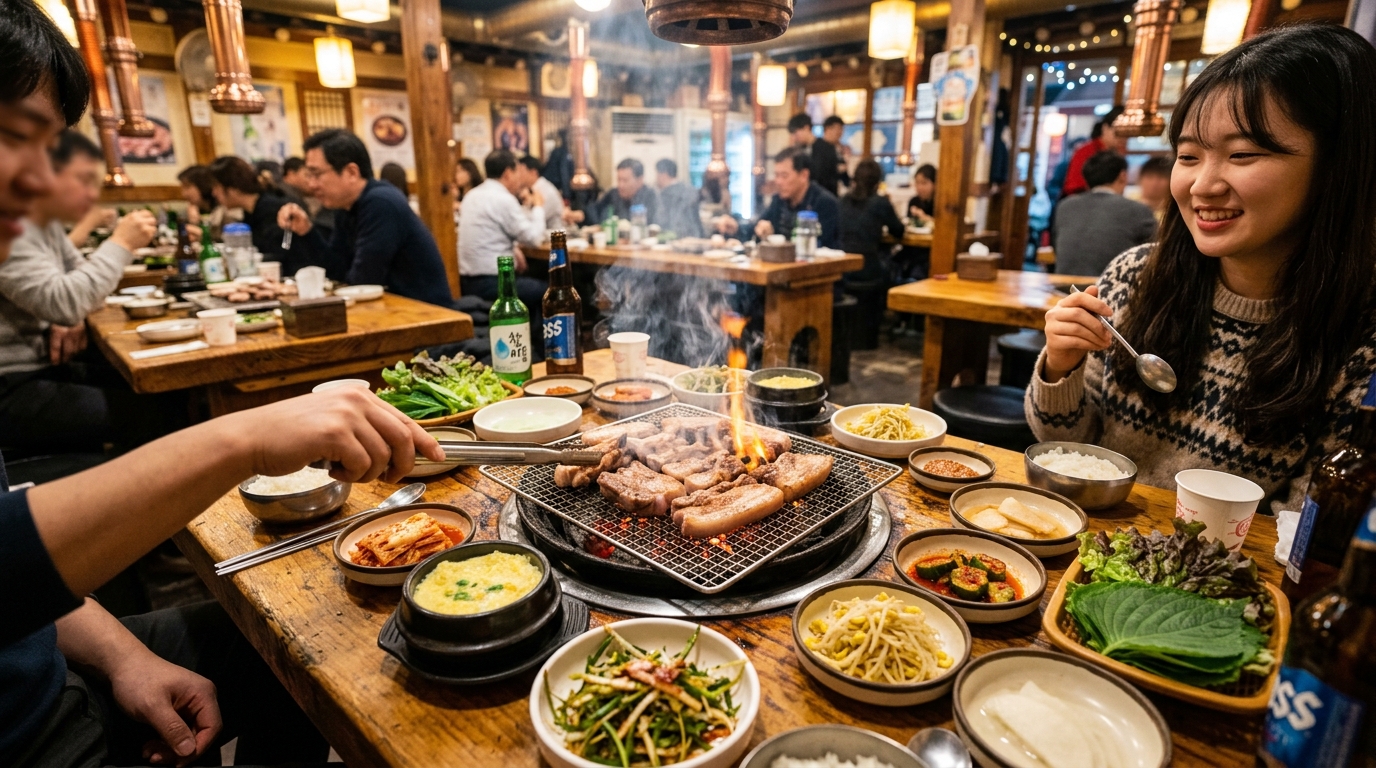

Finding the best restaurants in seoul is a pursuit that demands patience, a healthy appetite, and a willingness to wander into alleys that look like they might lead nowhere. When I first moved to this city, I made the mistake of relying on English-language search results, only to find myself in tourist-heavy districts eating overpriced, lackluster versions of dishes that should have been transcendent. It took me months of following local office workers during their lunch hour to realize that the soul of Seoul’s culinary scene lives in the places with the most faded signage and the shortest menus. If you want to eat like a local, you have to stop looking for the most popular spots on social media and start looking for the ones where the steam has been fogging the windows for forty years.
Quick Summary
Prioritize longevity: In Seoul, a restaurant that has been open for 30 years is almost always superior to a trendy spot that opened last month.
The power of the crowd: If you see a line of locals in suits waiting at lunch, that is your signal to join them; it is the most reliable metric for quality.
Embrace the ‘Anju’ culture: Drinking is part of the dining experience, and you are expected to order food to accompany your soju.
Don’t judge by the entrance: The most memorable meals often happen in cramped, unassuming hole-in-the-wall shops.
Reservations are vital for top-tier dining: For premium Hanwoo beef or Michelin-recognized spots, you must book weeks in advance.
The Direct Answer: Start with the Basics
If you want a direct answer, the best restaurants in Seoul generally fall into two categories: high-end, ingredient-focused establishments or long-standing neighborhood shops that have perfected a single menu item over decades. If you are looking for an elevated experience, head to Isokwoohwa for premium Hanwoo beef. For a genuine, casual lunch that captures the heart of local life, seek out Jangwon Kimbap. Do not waste your limited travel time waiting in lines for hyped-up social media locations; instead, look for places crowded with office workers during their peak hours. If you only have one weekend, prioritize a mix of these two extremes to grasp the full range of the city’s culinary identity.
Navigating the Culinary Philosophy
Food in Seoul is not merely fuel; it is the fundamental language of social connection. I recall a friend once stopping me mid-sentence to ensure I had eaten, because asking “Have you eaten?” is the standard way to express care, affection, and social status. When you walk into a traditional restaurant, you are not just a customer; you are entering a space defined by collective eating habits. Families, groups of students, and office workers all share large, communal tables, reinforcing the idea that dining is inherently a group activity.
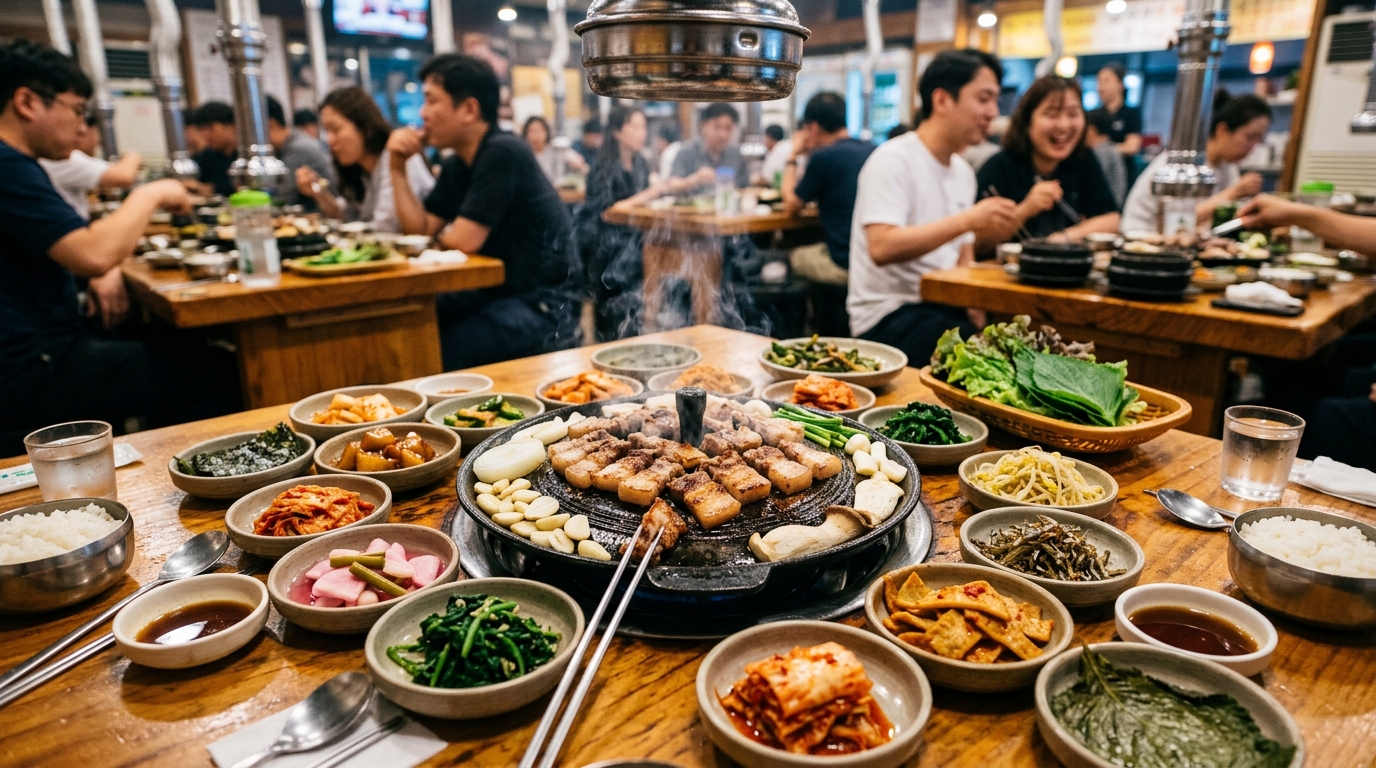
This communal nature is why many of the top-tier restaurants feel cramped. The lack of space is a trade-off for the intensity of the flavor. When you are sitting elbow-to-elbow with a local, you are participating in the authentic rhythms of the city. If you prioritize comfort and quiet, you will miss out on the most vital aspects of the Seoul dining experience. Do not be surprised if the table is covered in ten different plates; the diversity of banchan is a testament to the kitchen’s dedication to craft.
The Role of Alcohol and Anju
In my experience, you cannot fully understand the local scene without addressing the role of alcohol. In Korea, drinking is almost never done in isolation. If you find yourself in a local pocha or a neighborhood barbecue spot, you will be expected to order anju—food specifically designed to complement the acidity and bite of soju. It is a mandatory social contract. Even at a simple convenience store, you might find people snacking while they drink, demonstrating that the line between a full meal and a snack is porous. For the best experience, try pairing your grilled pork with a crisp makgeolli, a fermented rice wine that cuts through the fat of the meat perfectly.
Curating Your Seoul Food Itinerary
When I put together my own list of the best restaurants in Seoul, I look for consistency. Excellence in this city is rarely about the most complex dish; it is about doing a simple thing perfectly.
1. Isokwoohwa (Hannam-dong)
This is my top recommendation for travelers wanting to experience the pinnacle of Korean barbecue. Serving Hanwoo—the premium domestic beef that is exceptionally marbled—this place requires a reservation made well in advance. It is not cheap, but the quality of the grill work is unmatched.
2. Jangwon Kimbap (Seocho-dong)
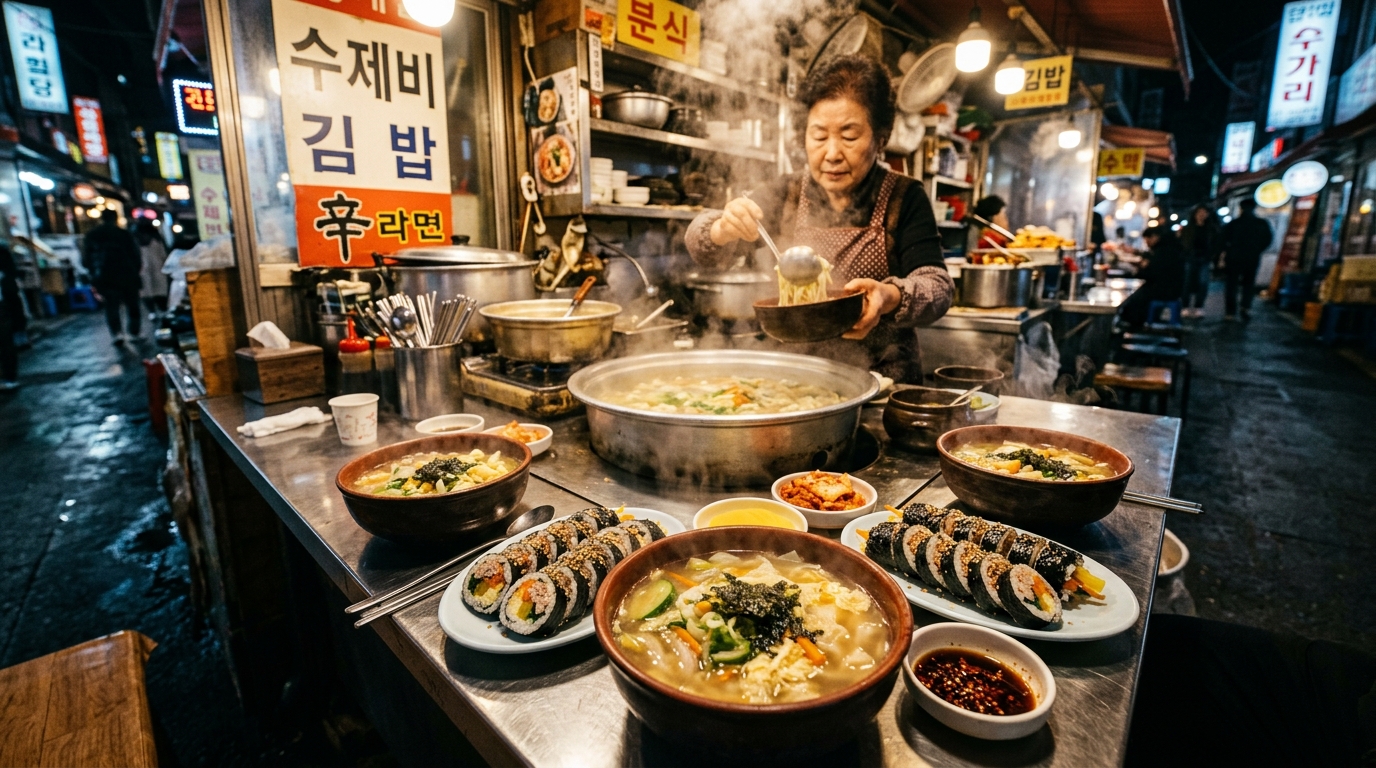
If you want the soul of the city, come here. It is an unassuming spot where office workers grab a quick bite. Their tuna kimbap, wrapped with a thin, delicate egg omelet, paired with a bowl of hot soojaebi, is comfort food at its peak. I usually stop here before or after a long day of meetings.
3. Gold Pig BBQ (Yaksu)
Renowned for bone-in samgyeopsal, this spot uses charcoal briquettes and cast-iron plates to ensure even cooking. It is a masterclass in pork preparation. Note that they do not take reservations, so prepare to arrive early.
4. Shinheung Boonshik (Namdaemun Market)
This place is not for lingering. If you are shopping at Namdaemun Market and feel famished, this is your sanctuary. It is a hole-in-the-wall where you order, eat, and leave. The janchi noodles are legendary. It represents the quintessential bbali-bbali spirit of Seoul.
Who Should Prioritize High-End Dining in Seoul
This is ideal for:
Foodies seeking culinary narrative: If you appreciate the history behind recipes and want to see how chefs modernize ancient techniques, these spots are worth the splurge.
Special Occasion Diners: For anniversaries or celebratory trips, places like Isokwoohwa offer an atmosphere that matches the significance of the event.
Experience Collectors: If you want to know what the current peak of the Korean culinary scene looks like on an international stage.
You might want to skip this if:
You are on a tight budget: The bill can easily reach triple digits per person, which might feel excessive if you prefer variety over a single high-end meal.
You dislike rigid booking processes: High-end spots often require apps or platforms that are difficult for international visitors to navigate without a local contact.
- You crave informality: If you want to wear sneakers and eat comfortably without being judged by formal service, stick to the street markets.
- sheerluxe.com
- www.willflyforfood.net
- www.koreatimes.co.kr
- www.timeout.com
- www.cntraveler.com
- news.artnet.com
- www.theworlds50best.com
Cost-Value Breakdown: What to Expect
Dining in Seoul is fascinating because the price-to-quality ratio is often skewed in favor of the customer. You can get an incredible meal for $10 that satisfies you more than a $50 meal elsewhere.
| Dining Tier | Average Price Per Person | Atmosphere | Best For |
|---|---|---|---|
| Street Market | $5 – $12 | Chaotic, Fast | Quick lunch, snacks |
| Casual Local | $15 – $30 | Communal, Lively | Daily dinner, groups |
| Premium BBQ | $60 – $150+ | Professional, Reserved | Business, Special events |
Common Mistakes to Avoid
1. Assuming ‘New’ is Better
One common mistake I see visitors make is hunting for the latest social media-hyped location. In Korea, longevity is the gold standard. A restaurant that has been open for 30 years is likely better than a trendy spot that opened last month. When you see a restaurant with fading signage and a crowd of older locals, that is almost always the right place to enter. I once tried a “viral” cafe that served nothing but aesthetic plates; the food was stone cold and flavorless. Compare that to the local jjukkumi place down the street, which has been serving the same spicy octopus recipe since 1985.
2. Not Ordering Enough for the Table
Korean meals are designed to be shared. If you are two people and only order one main dish, you might find the staff confused or frustrated. The culture is built on table coverage. If you aren’t sure how much to order, ask the server for a recommendation based on the number of people in your party. Don’t worry about wasting food; they will guide you toward the right amount. I learned this the hard way in my first week when I ordered a single soup for two and felt the palpable disappointment of the server who knew we needed more to have a proper dining experience.
Frequently Asked Questions
Do I need to speak Korean to eat at the best restaurants in Seoul?
While knowing basic phrases helps, it is not strictly necessary for most restaurants. Many popular spots have English menus or picture-based ordering systems. If you find yourself in a truly local, neighborhood-only spot, be prepared to use translation apps or simply point at what others are eating. Most restaurant owners are incredibly patient with foreigners who show genuine appreciation for their food. I have spent many dinners in spots where we communicated entirely through gestures, and the owners were delighted to see me enjoying their signature dishes.
How strictly do I need to follow reservation requirements?
For the top-tier, trending restaurants, strictness is key. If a place states that it requires a reservation, do not expect to walk in. You will likely be turned away at the door. However, for 90% of the restaurants in the city, especially in neighborhoods like Gangnam or Jongno, walk-ins are the norm. Always check the restaurant’s website or Naver Maps listing for their specific policy before you make the trek. I once made the mistake of showing up to a popular spot in Hannam-dong without a booking, only to be told there was a two-hour wait that didn’t exist for those who had used the reservation app.
Is it offensive to leave food on my plate?
In Korea, there is a deep respect for food, often tied to the historical memory of leaner times. While it isn’t “offensive” in a hostile sense, leaving a large amount of food is generally viewed as wasteful. The best approach is to order cautiously and clear your plate. If you find yourself unable to finish, don’t feel guilty, but try to avoid the habit of ordering more than you can reasonably consume. It is better to order one dish at a time and add more if needed than to over-order and leave half the table untouched.
Embracing the Seoul Dining Scene
Ultimately, the best restaurants in Seoul are those that invite you to sit down, ignore your phone, and participate in the ritual of eating. Whether you are paying $8 for a bowl of noodles in a crowded market or $150 for expertly grilled Hanwoo beef, the common thread is a profound commitment to the product.
My advice is simple: create a list, but be willing to abandon it. If you see a long line of people in suits waiting to get into a basement restaurant, join that line. If you smell something intoxicating coming from a tent on the side of the road, stop there. The city is a living, breathing menu that rewards curiosity. Do not get stuck in the cycle of chasing curated lists exclusively.
As you navigate the city, remember that the most important ingredient in any Korean meal is the company you share it with. Embrace the noise, the heat, and the fast-paced energy of the dining room. When you finally raise your spoon and partake in that first bite of perfectly seasoned, authentic food, you will understand exactly why Seoul is considered one of the greatest food cities on the planet. Get out there, explore, and most importantly—have you eaten? If you have one weekend in the city, prioritize a mix of high-end and low-end experiences. Start your trip at a market to understand the roots, then end it at a refined establishment to see the evolution. This balance will provide the most complete picture of a culture that truly makes food its king. Safe travels and happy dining.