
Determining the best time to visit Japan requires balancing your personal travel goals against seasonal climate patterns and crowd density. Most travelers prioritize either the iconic cherry blossoms of spring or the vibrant foliage of autumn, but each season offers a distinct character that defines the country.
Quick Takeaways for Your Itinerary
Spring (Late March – April): Peak tourism season centered on cherry blossoms; requires booking flights and hotels 6 months in advance.
Summer (June – August): High heat and humidity; ideal for mountain hiking in Hokkaido or attending regional festivals.
Autumn (October – November): Perfect for clear skies and fall leaves; often preferred by locals over the spring season.
Winter (December – February): Lowest price point for accommodation and prime time for skiing or visiting natural hot springs.
Understanding the Cherry Blossom Craze
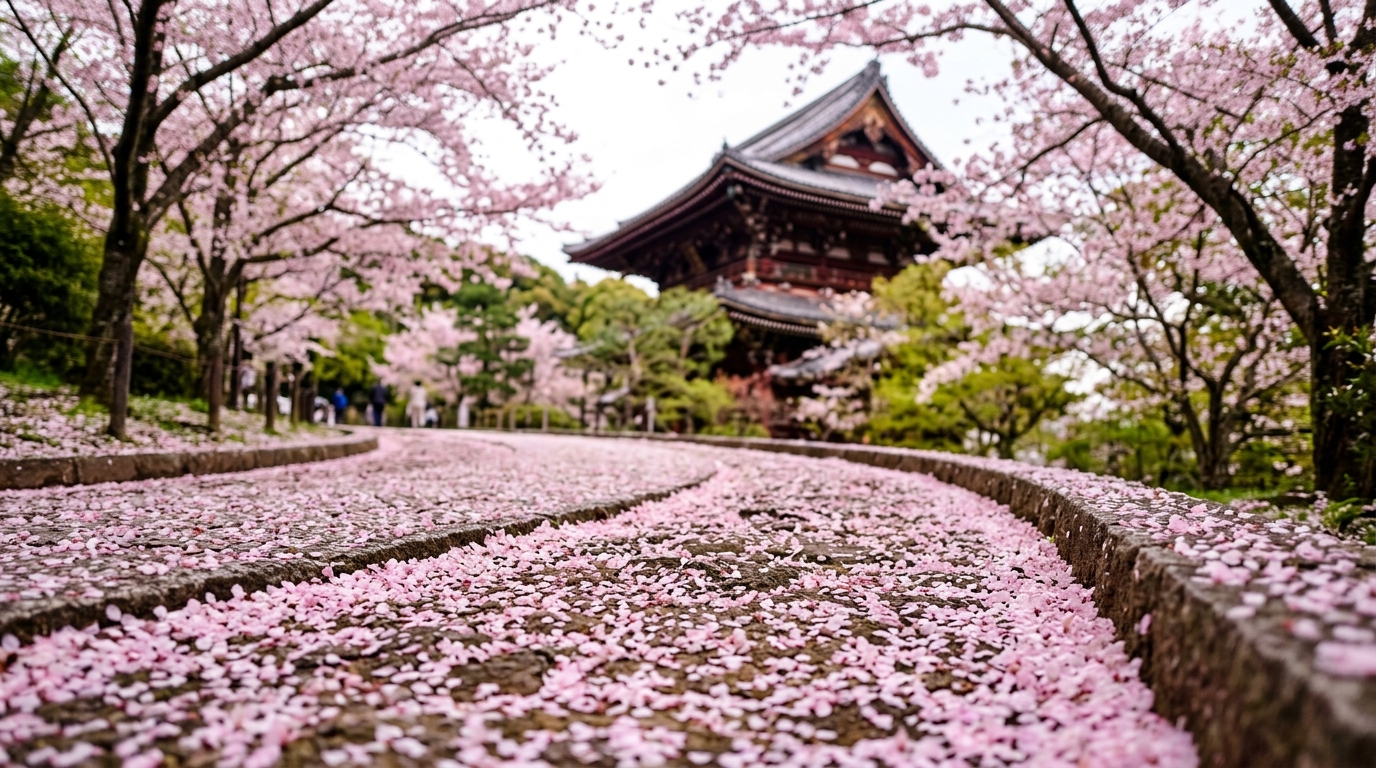
If catching the cherry blossoms (sakura) is your primary goal, you are looking at a narrow window between late March and early April. In 2026, experts expect the blooms to begin around March 21 in Tokyo, though this shifts annually based on winter temperatures. On my first trip, I arrived just after the peak; walking through parks like Ueno, I saw a sea of petals coating the pathways, which was just as magical as the full bloom.
However, this popularity creates logistical hurdles. Data from booking platforms indicate a 36% rise in accommodation searches for these dates. If you travel during this period, expect to pay premium rates. I once waited too long to book a hotel in Kyoto, and I ended up paying $450 a night for a business hotel room that usually goes for $120. If you are determined to see the blooms, aim for lesser-known areas like Kochi or rural Wakayama to escape the metropolitan gridlock.
Navigating Seasonal Trade-offs
Every season in Japan involves a compromise. During a trip to Kyoto in mid-August, the humidity was so oppressive that I could barely walk five blocks before ducking into a convenience store for air conditioning. That trip taught me a hard lesson: prioritize your accommodation location near a main train station so you aren’t dragging luggage through the sweltering heat for an hour.
Essential Tech and Logistics
Connectivity: Skip the expensive international roaming plans. Renting a pocket Wi-Fi device or using an eSIM is significantly cheaper and ensures you have constant map access.
Transit: Load your digital transit card into your phone’s wallet before leaving the airport. Avoid the physical lines at station kiosks entirely.
Cash Usage: While Japan is tech-forward, many local shops and temples still only accept yen. Keep a stash of cash, ideally withdrawn from ATMs inside 7-Eleven stores, which are ubiquitous and reliable.
Footwear: You will remove your shoes dozens of times a day at temples and traditional ryokan. Wear slip-on shoes that are easy to take off and put back on.
Autumn: The Superior Alternative
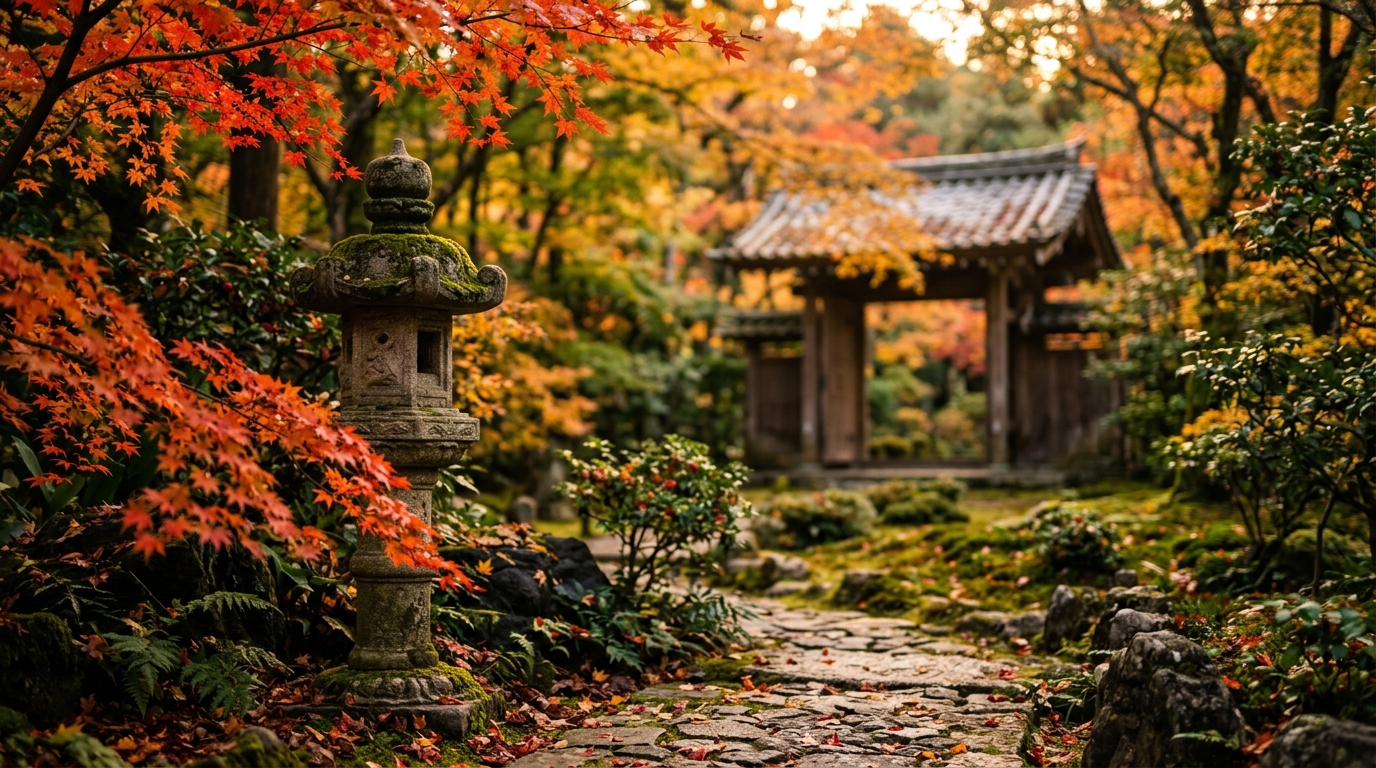
If you ask me, autumn is the most underrated time to travel. From mid-October through November, the air turns crisp and the momiji—vibrant red maple leaves—transform the landscape into something out of a film. The weather is stable, making it far better for photography than the rainy humidity of summer or the biting cold of February. In my experience, the crowds are significantly more manageable, and the local festivals feel more authentic because they aren’t catering purely to mass tourism.
Frequently Asked Questions
Should I book my trip six months in advance or wait until the last minute?
For peak times like cherry blossom season, booking flights and hotels six months out is not just a recommendation—it is a necessity. However, if you are visiting in the off-season, such as January or September, you can often find significant discounts by booking 4–6 weeks prior. If you enjoy the thrill of spontaneity, you can track blooming forecasts and book last-minute, but you must accept that you will likely pay significantly higher prices for the remaining inventory.
How should I dress to remain respectful and comfortable?
Local fashion leans toward the modest side. Even in summer, keep your shoulders and upper chest covered. Carrying a light linen shirt or a cardigan serves a dual purpose: it adheres to the customs of visiting religious sites, and it protects you from the harsh transition between the blazing outdoor heat and the heavily air-conditioned trains. If you are wearing sandals, ensure they are clean, as many establishments require you to leave footwear at the entrance.
What is the biggest mistake first-time visitors make?
Most people try to do too much. On my first trip, I tried to visit four cities in eight days. I spent more time inside bullet trains than seeing the local sights. I recommend choosing two primary hubs—like Tokyo and Kyoto—and allowing at least four days in each. This pace lets you actually enjoy the local food scene, find small shops that aren’t on review apps, and rest when you need to, rather than treating your vacation like a high-stakes endurance event.
Conclusion
Japan is a country that rewards those who plan carefully but leave room for error. Whether you find yourself in the middle of a spring picnic or soaking in a remote hot spring during a snowy February, your experience will be defined by your ability to adapt. Use digital tools to navigate, stay close to public transit hubs, and prioritize quality experiences over quantity. My best memories of the country weren’t the famous landmarks, but the quiet moments wandering through neighborhood streets. Start your planning today, but always leave space for the unexpected.