

Your Ultimate Guide to the Osaka World Expo 2025
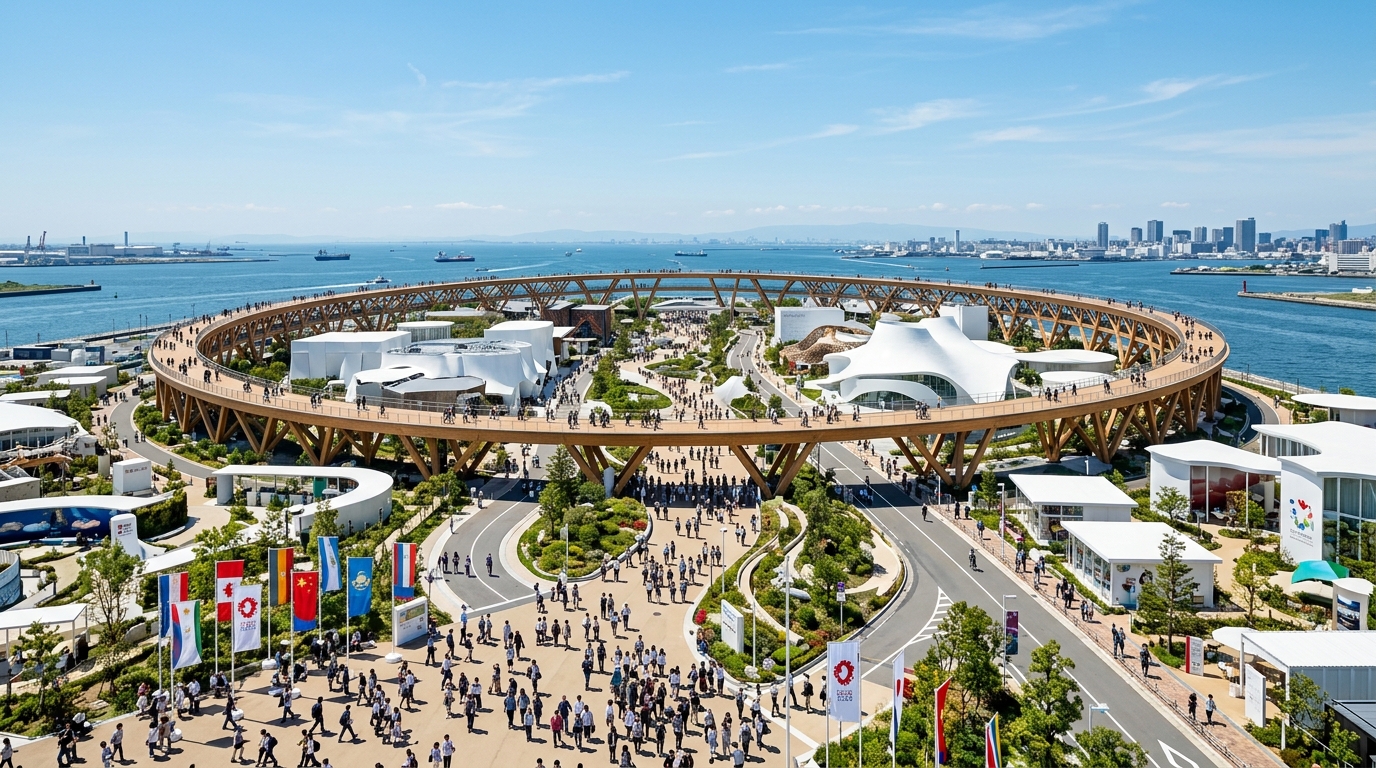
Visiting the Osaka World Expo 2025 is not just a vacation—it is a complex, high-stakes logistical operation that requires serious preparation to navigate successfully. Held on the artificial island of Yumeshima in Osaka Bay from April 13 to October 13, 2025, this massive gathering features over 160 countries showcasing their visions of the future. During my own visit, I quickly learned that you cannot simply show up and wander through the gates. The sheer scale of the venue, equivalent to 33 Tokyo Dome baseball stadiums, means that if you don’t have a plan, you will spend your entire day walking between pavilions rather than seeing them.
Quick Summary: Key Takeaways
Reserve Everything: Use the EXPO 2025 Visitors app to book pavilion slots weeks in advance; do not expect to walk in.
Go Cashless: The entire site is strictly cashless, so load your digital wallet or international contactless card before arriving.
Strategic Entry: Use the Chuo Subway Line to arrive at the Yumeshima Station and enter via the East Gate for the most efficient access.
Prioritize Quality Over Quantity: Don’t try to see everything. Pick two or three major attractions and leave time for the atmosphere.
- Pack Smart: Bring a high-capacity power bank and a portable WiFi device, as on-site data connections are notoriously congested.
- Advance Lotteries: Held two months and again seven days before your visit. You can select five preferred pavilions; winning grants entry for up to one pavilion.
- First-Come-First-Served: Opens three days before your visit at midnight (Japan time) via the app or website. This is your best chance to snag a slot for a popular exhibit.
- On-Site Booking: Available 10 minutes after entering the park through the app or the 16 physical automated kiosks located throughout the grounds.
- www.japan-experience.com
- www.asahi.com
- www.metalocus.es
- www.jetro.go.jp
- english.elpais.com
- greattravelmagazine.com
- www3.nhk.or.jp
The Reality of Visiting Yumeshima
When I first set foot on Yumeshima, the scale was overwhelming. I had grand visions of skipping from pavilion to pavilion, soaking in global culture like a sponge. By 11:00 AM, I was exhausted and hadn’t even finished my first coffee. The artificial island is essentially a massive, exposed concrete expanse. I made the mistake of trying to visit four major country pavilions in one morning, which led to a frustrating cycle of walking, waiting in long queues, and ultimately missing my reservation slot for the final exhibit. If I could do it again, I would pick one ‘anchor’ pavilion per day and spend the rest of my time exploring the secondary exhibits and the stunning Grand Ring architecture.
The Grand Ring Experience
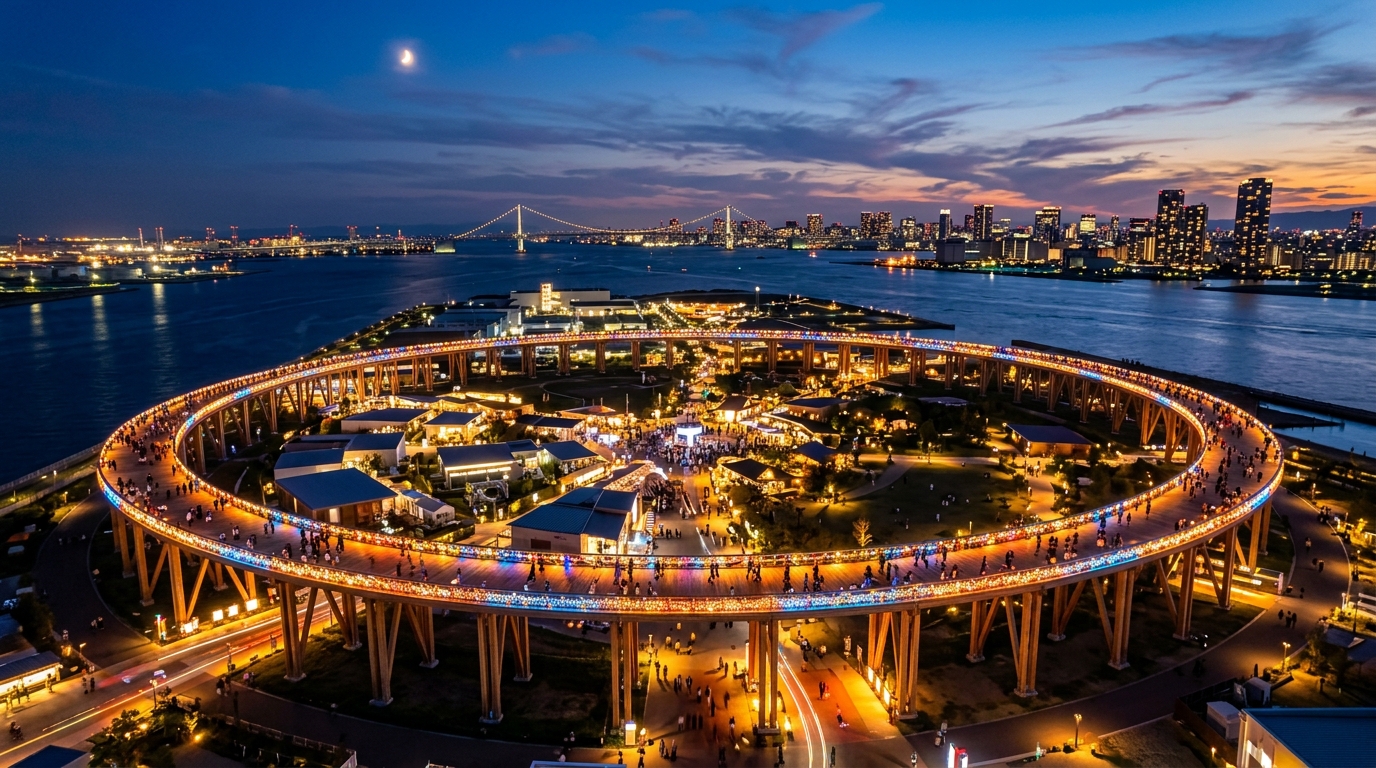
The centerpiece of the Expo is the Grand Ring (Oyane Ring), a massive wooden structure designed by architect Fujimoto Sosuke. It measures 2,000 meters in circumference and acts as a massive wooden walkway above the site. It is arguably the most beautiful part of the Expo, but it is also the most crowded. Walking on top of the ring provides a great perspective of the park, but it isn’t the fastest way to get from point A to point B. Use the ground-level paths for speed, and save the Grand Ring for sunset when the lighting is truly magical.
Mastering the Reservation System
If you don’t participate in the advance reservation system, you are essentially handicapping yourself from the start. I learned the hard way that missing these windows is the biggest ‘rookie’ mistake you can make. The system works through a three-tier approach:
Insider Tip: The Off-Peak Window
Many visitors report success by targeting the Japan Pavilion or other high-demand exhibits during the off-peak windows: 9:30 AM to 10:30 AM and 7:30 PM to 8:30 PM. These times are often when the masses are either eating lunch or heading toward the exits, making the queues significantly more manageable.
Essential Tech and Logistics
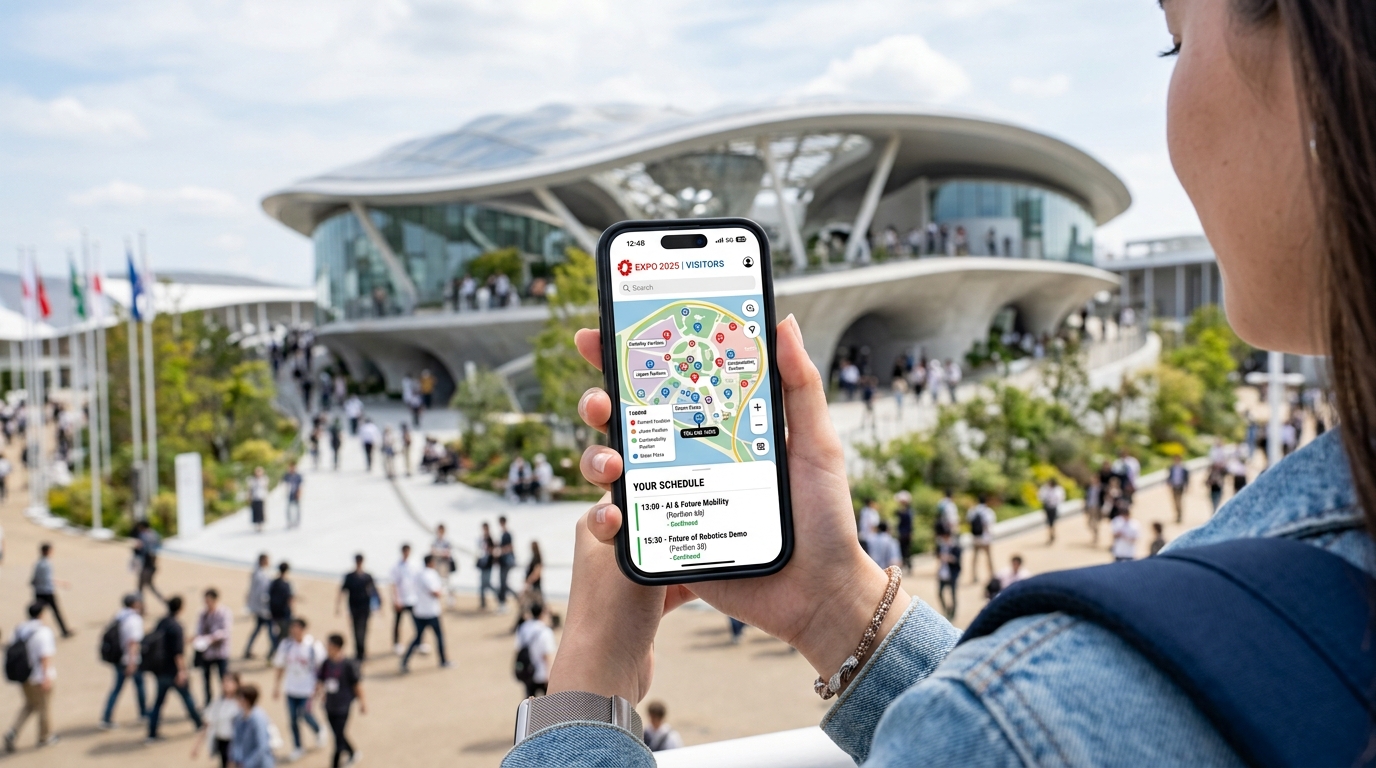
Do not even attempt to navigate the Expo without the EXPO 2025 Visitors app. It is your lifeline. Physical maps are useless here because pavilion wait times and availability change by the minute. I carried a 20,000mAh power bank, and it was worth its weight in gold. Between the constant use of the app, checking train schedules, and snapping photos, my battery drained 60% faster than it normally does. Additionally, the on-site cellular data is often crippled by the sheer number of people. I strongly recommend securing an eSIM or a Pocket WiFi rental, as relying on free public WiFi will likely lead to connection timeouts during critical booking moments.
Table: Navigating the Expo Logistics
| Feature | Recommendation |
|---|---|
| Entry Gate | East Gate (via Subway) |
| Connectivity | Rent a Pocket WiFi or get an eSIM |
| Payment | Digital Wallets (Apple Pay/Google Pay/ICOCA) |
| App | Mandatory: EXPO 2025 Visitors App |
| Best Time | Arrive before 9:30 AM to hit the first wave |
The Souvenir Struggle
I honestly thought the souvenir stores would be a casual stop at the end of the day. I was wrong. The experience inside the shops, particularly those managed by major partners like Kintetsu Railway or JR West, was a chaotic mess. If you are a fan of Myaku-Myaku, the official mascot, you will find items like plush toys and keychains, but be prepared to fight for shelf space. I saw plushies priced around 13,200 yen selling out within hours. If you see a piece of merchandise you truly love, buy it immediately. Do not talk yourself into coming back later; the stock likely won’t be there by the afternoon.
Avoiding the Main Gate Crowds
If the main gift shops are too intense, I suggest looking for the satellite souvenir stalls scattered across the west side of the venue. They offer a more limited selection, but the lack of crowds makes the trade-off worth it. I even found a few exclusive capsule toys at a quiet kiosk near the Future Life zone that were completely sold out at the main gate.
Dining: Prices and Practicality
Dining at the Expo is a test of patience. Recognizable chains like Sushiro and Kurazushi are incredibly popular, but they require bookings weeks in advance—a trick I missed when my attempt to book a lunch slot failed miserably. Instead, look for the food-court-style areas. I gravitated toward the northeast section, which featured a beautiful Aomori-style paper lantern display. While the food was high quality—I had a tray of takoyaki with actual, generous pieces of octopus—it cost 1,900 yen. Expect to pay a ‘tourist premium’ for everything you eat, as prices are significantly higher than you would find in central Osaka.
Future Tech: The Human Washing Machine
One of the most fascinating aspects of this Expo is the integration of cutting-edge Japanese tech, such as the ‘Mirai’ Human Washing Machine by Science Co. I watched the demonstration, where it utilizes microbubble-infused hot water to clean the body without soap. It felt like walking onto a sci-fi set. This is a perfect example of what the Expo does best: highlighting technology that aims to solve societal issues, like aging populations and labor-intensive caregiving.
Frequently Asked Questions
How can I guarantee entry to popular pavilions?
To secure entry to the most popular exhibits, you must prioritize the advance reservation system. This involves participating in the lotteries held months in advance and the first-come, first-served slots opening exactly three days before your visit. If you miss these, keep refreshing the app 10 minutes after entering the park for last-minute cancellations, or check the physical automated kiosks inside the park.
Is the Expo really strictly cashless?
Yes, the entire venue is 100% cashless. You cannot pay with cash at the gift shops, food stalls, or pavilions. You must use a major credit card (Visa, Mastercard, JCB), a prepaid transport card like ICOCA or Suica, or a mobile payment service such as Apple Pay or Google Pay. Before you leave your hotel, ensure your credit card is enabled for international contactless payments to avoid any embarrassment at the register.
What if I get overwhelmed by the crowds?
If the main pathways and the Grand Ring become too stressful, head to the outer edges of the site or the ‘Future Life’ zones located toward the west. These areas generally see significantly less foot traffic than the central hub. I also found that sitting in the gardens near the ‘One Water’ pavilion provided a much-needed break from the noise. Always have a ‘quiet spot’ identified on the map to retreat to when you need to recharge your energy levels.
Conclusion: Making the Most of Your Trip
The Osaka World Expo 2025 is an ambitious and taxing event that blends high-tech innovation with a festive, global atmosphere. While the crowds can be frustrating and the food prices are certainly higher than expected, the experience of seeing 160 nations under one roof is a unique opportunity. My biggest takeaway for you is this: Prioritize your energy. Do not stress about seeing every single exhibit. Focus on the ones that genuinely interest you, manage your budget, and give yourself the grace to stop, sit, and enjoy the atmosphere. With the right preparation, the right app settings, and a bit of patience, your visit to Yumeshima can be an incredibly rewarding look into the future of global society.