
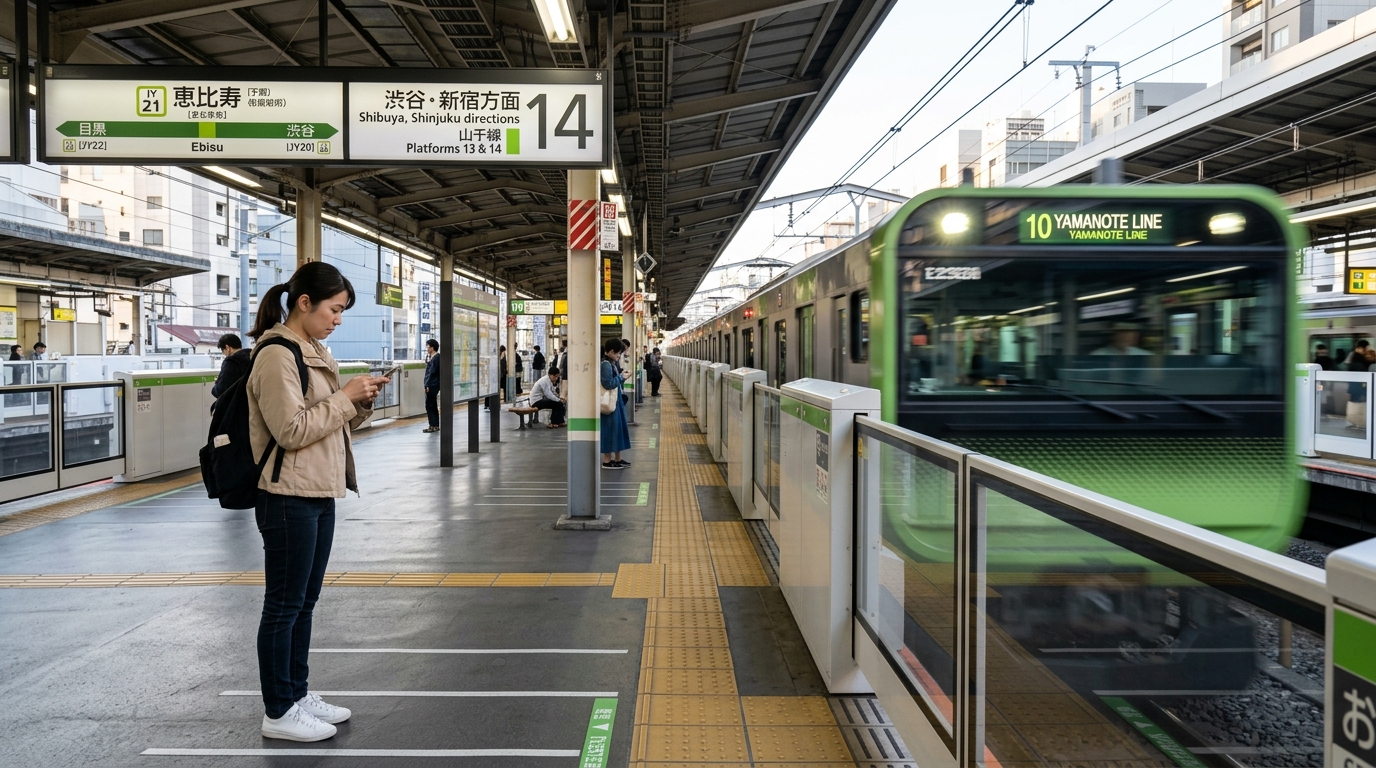

Navigating the public transport system in japan is the most efficient way to see the country, provided you have a few tricks up your sleeve to avoid the initial confusion. When I first touched down at Narita Airport, I spent a solid forty-five minutes just trying to understand which of the three different train companies served my hotel. It was a humbling reminder that even a world-class system has a steep learning curve. However, once you grasp the rhythm of the subways, the precision of the shinkansen, and the utility of regional buses, you will find that the country’s infrastructure is arguably the best in the world.
Why Japan’s Transit Network Works
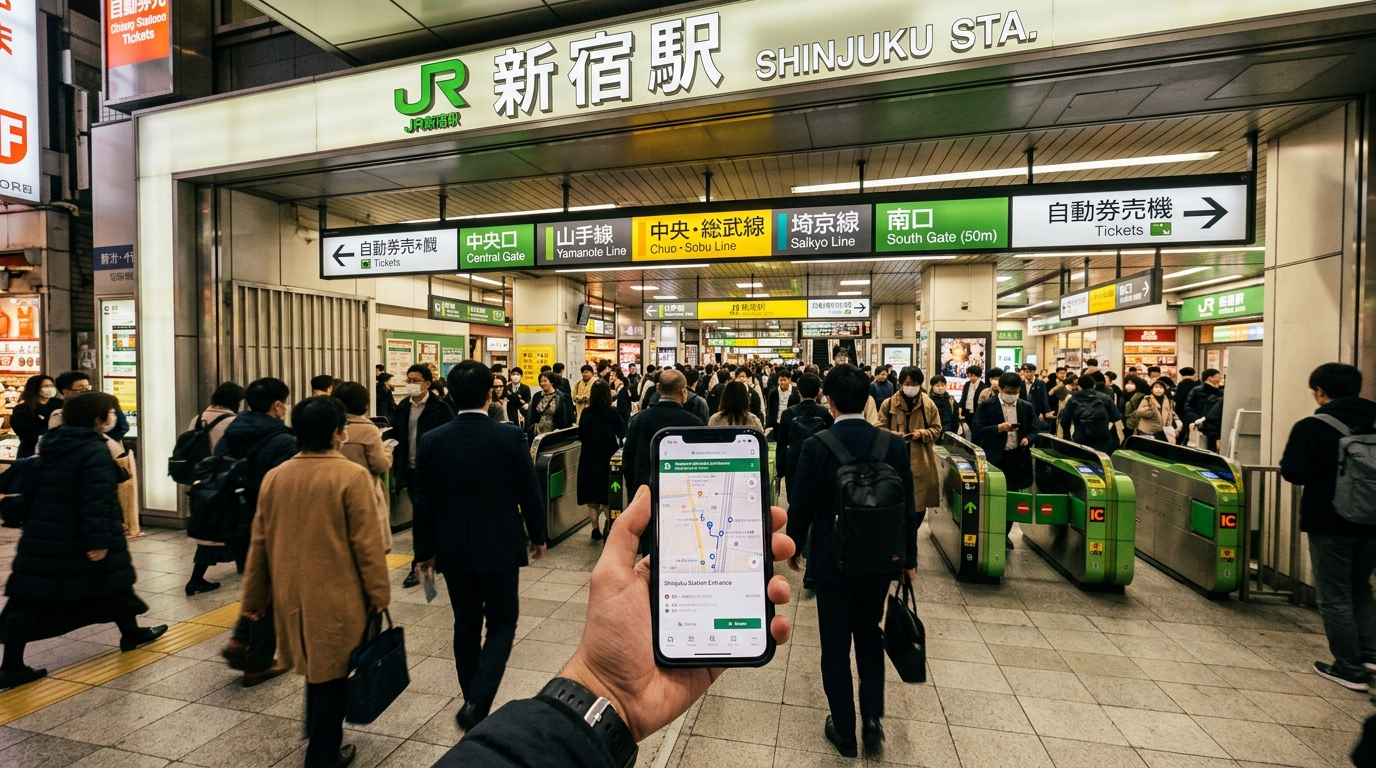
Unlike many nations where rail is a secondary thought, Japan treats its train lines as the absolute heartbeat of society. Punctuality is not just expected; it is the cultural standard. In my experience, even a thirty-second delay is often met with a formal, sincere apology from the conductor. This reliability allows you to plan your itinerary down to the minute, whether you are traversing major metropolitan hubs or reaching a quiet, rural village. The trains here are clean, quiet, and surprisingly frequent, though the sheer scale of stations like Shinjuku can be overwhelming.
Quick Takeaways for Every Traveler
IC Cards are essential: Always carry a Suica, Pasmo, or Icoca card for seamless “tap-and-go” access across most trains and buses.
The Shinkansen Advantage: The bullet train is perfect for long-distance travel, but remember it does not cover local subway transit inside cities.
Digital Navigation: Apps like Google Maps or Japan Transit by Jorudan are mandatory for real-time schedule updates and finding specific platform numbers.
Luggage Strategy: Keep your suitcases small. Large luggage on trains often requires a pre-booked seat reservation, which is a major hassle if you are moving quickly.
- Cost Comparison: Always calculate individual ticket prices against regional passes; the nationwide JR Pass is no longer the automatic money-saver it used to be.
- www.thetraveler.org
- www.thetraveler.org
- jw-webmagazine.com
- thesmartlocal.com
- www.japan.travel
The Rail Landscape: JR vs. Private Lines
One of the most frequent hurdles for newcomers is the distinction between Japan Railways (JR) and the various private operators. JR operates the high-speed Shinkansen lines and iconic loops like Tokyo’s Yamanote Line. However, private companies like Keio, Tokyu, and Kintetsu run massive networks that serve specific suburbs and tourist corridors.
I once tried to use my JR-only pass to enter a private gate in Shinjuku, only to be stopped by the turnstile. This is a common mistake. You must pay separately or use your IC card when switching between these distinct operators. Always check the signage above the gate; if you are in a rush, just stick to your IC card to avoid the headache of buying individual paper tickets for every transfer.
The Shinkansen: Traveling at Speed
When crossing the distance between Tokyo and Hiroshima or Osaka, the Shinkansen is your best friend. These trains offer incredible comfort, including reclining seats and designated spots for large luggage. Note the cost shift: since the 2023 price hikes, the nationwide Japan Rail Pass is no longer the default bargain. Before you drop 50,000 yen on a seven-day pass, use an online calculator to see if individual tickets for your specific route are cheaper.
Also, keep in mind that the fastest trains—the Nozomi and Mizuho—require additional surcharges if you hold a standard nationwide pass. If you are traveling with oversized luggage (greater than 160cm total dimensions), you are legally required to book a specific seat with a dedicated storage space behind the last row of seats. Failing to do this can result in a hefty fine on board.
City Transit: Metro and Subway Systems
Navigating the subways of Tokyo or Osaka is like entering a perfectly organized, multi-layered labyrinth. You will see numbered exits (e.g., A1, B3) printed on every sign. Trust these numbers—they are your absolute best reference points in sprawling hubs. If you are staying within a city for three days, look into the 24, 48, or 72-hour subway tickets. These can save you a significant amount compared to paying per-ride. I personally prefer the 72-hour pass because it removes the mental load of calculating fares every time I hop between districts like Shinjuku and Ginza.
Rural Lines and Buses: The Slower Side of Travel
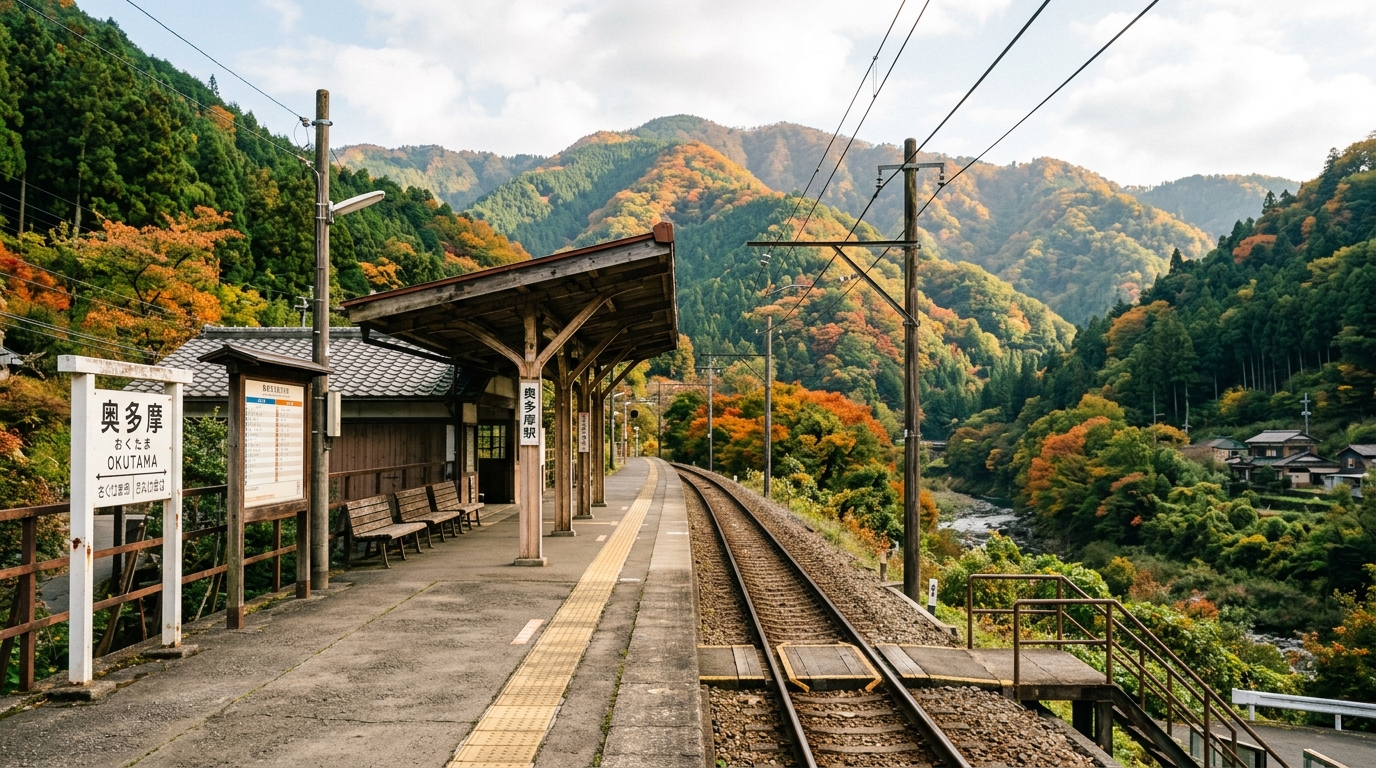
Moving away from the city, you will encounter local rail lines where service drops to once an hour. This is where the pace of travel slows down. In my experience, these are the most rewarding trips. You pass through foggy valleys and small wooden stations that feel untouched by time. Keep a few hundred yen in coins handy; while many modern buses now accept IC cards, some older rural ones still operate on a cash-only, take-a-numbered-ticket system. If you aren’t sure, watch the locals.
Etiquette and Safety
Japanese train culture is built on mutual respect. You will notice that talking on the phone is strictly prohibited inside the cars. Keep your device on silent mode, and try to keep your voice at a whisper. A major downside is the morning rush hour. If you are traveling with large luggage, avoid the 7:30 to 9:30 AM window at all costs. You will find yourself squeezed into a corner with no room to move, which is a stressful, exhausting way to start your day.
Frequently Asked Questions
Q: Do I really need to buy a Japan Rail Pass anymore?
For many travelers, the answer is no. With the recent price increases, the pass is only worth it if you are doing extensive long-distance travel, such as multiple trips between Tokyo, Kyoto, and Hiroshima within one week. If you are staying in one region, look at local passes like the JR-West Kansai Area Pass instead, which often provides better value.
Q: Can I use one IC card for the whole country?
Yes, mostly. Interoperability between cards like Suica, Pasmo, and Icoca is excellent. You can use your Tokyo-issued Suica to ride subways in Osaka or buses in Fukuoka. However, keep in mind that these cards are for transit and small purchases at kiosks; they are not magical keys for every single rural bus service, so always have some cash as a backup.
Q: How do I handle large luggage on trains?
If your suitcase exceeds 160cm (total of height, width, and length), you are required to reserve a seat with a dedicated luggage space on the Shinkansen. If you fail to do this, you may be charged an extra fee on board. It is much easier to use the “Takkyubin” luggage forwarding service, which delivers your bags from hotel to hotel for a small fee, allowing you to travel hands-free.
Conclusion
Navigating Japan’s transit network is less about memorizing maps and more about utilizing the right tools. By combining a rechargeable IC card with a solid routing app, you remove the stress from your itinerary. While the system has nuances—like the distinction between private lines and JR, or the rules regarding luggage—it remains a masterclass in efficiency. Embrace the experience of the commute; watching the countryside zip past your window at 300km/h is an experience that defined my own trips. With a little planning, you will soon find yourself navigating these complex stations with the confidence of a local.