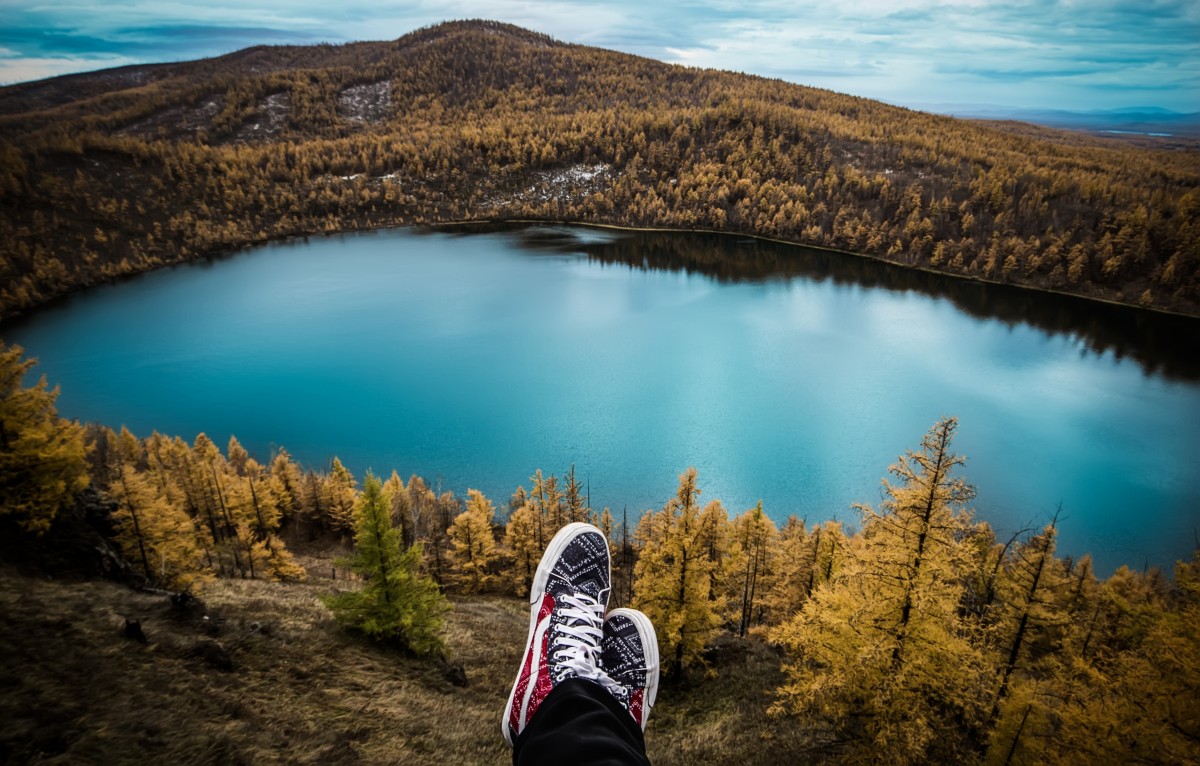

Japan travel interest among indian tourists has surged by 68 percent over the past year, marking a massive shift in how we approach our annual leave. For the longest time, my social circle focused entirely on the familiar routes of Western Europe. Recently, however, those same friends have been swapping stories about high-speed trains, vending machines that sell hot corn soup, and the quiet ritual of morning prayers in mountain temples. This is not just a passing social media fad; it is a calculated pivot toward a destination that offers efficiency, safety, and a distinct lack of the chaos we often face at home.
Quick Summary: Key Takeaways
Regional Exploration: Most travelers are moving beyond the ‘Golden Route’ to visit places like Nagoya and Fukuoka.
Planning is Mandatory: Spontaneous ticket buying at major sites is officially a thing of the past.
Budgeting: Costs are rising due to new tourism taxes, so booking in advance is your best financial protection.
Digital Independence: Roughly 60 percent of Indian travelers now manage their own logistics, bypassing traditional agents.
Moving Beyond the Golden Route
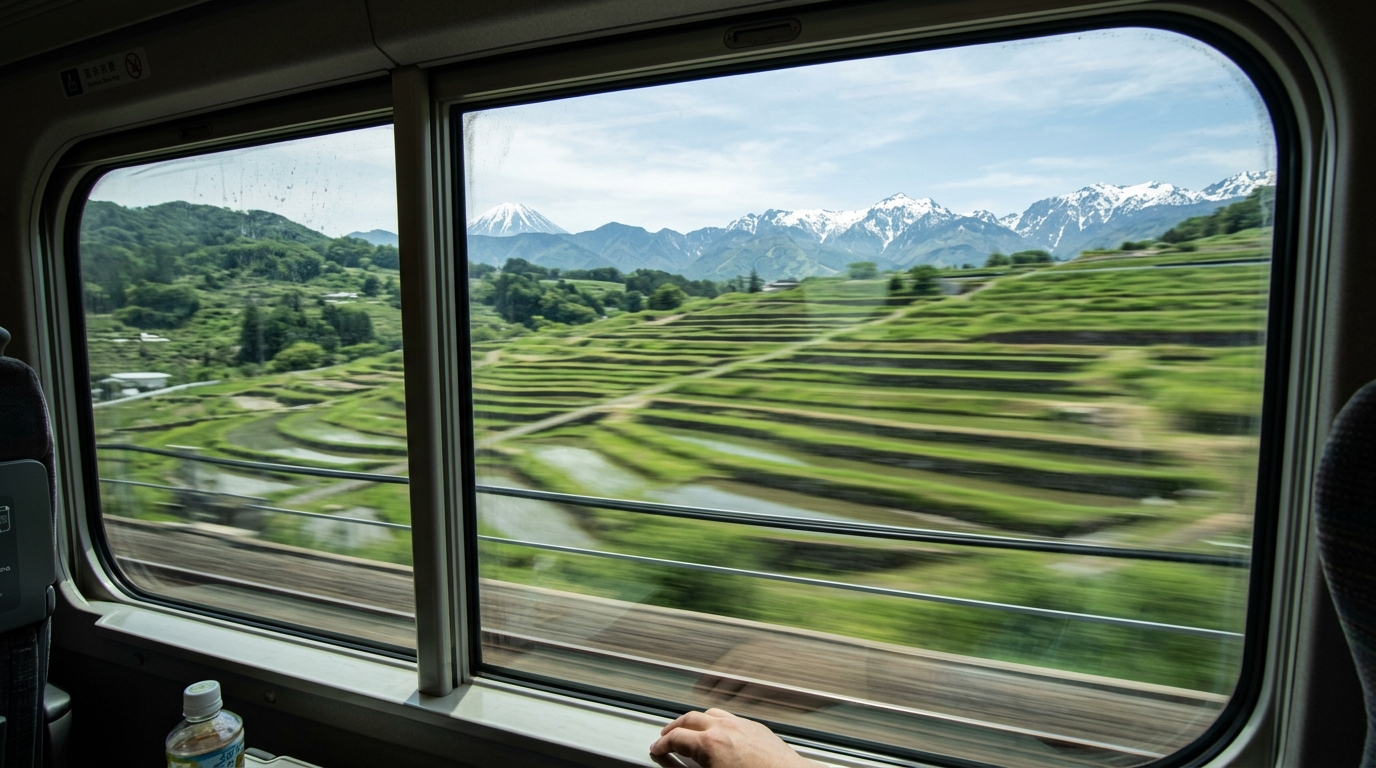
While Tokyo still pulls in 59 percent more search volume than it did last year, the real story is in the regional growth. I spent four days in Osaka recently, and I finally understood why search queries for the city jumped by 158 percent. The food culture in Dotonbori is wild—think octopus balls, savory pancakes, and neon signs that practically hum with electricity—but the transit is surprisingly logical. Moving between the city and surrounding prefectures by rail is so seamless that I stopped checking my phone for GPS directions halfway through the trip.
Why Japan? The Diplomatic and Cultural Pull
Modern Indian travelers are increasingly acting with a ‘diplomatic conscience.’ We prioritize countries that show clear appreciation for the Indian market, and Japan has responded with smoother visa policies and increased connectivity. Data from the Great Indian Travel Index 2025 confirms that Japan now tops the preference list for Indian travelers who want experiences that feel both futuristic and deeply rooted in tradition.
The Reality of Modern Tourism
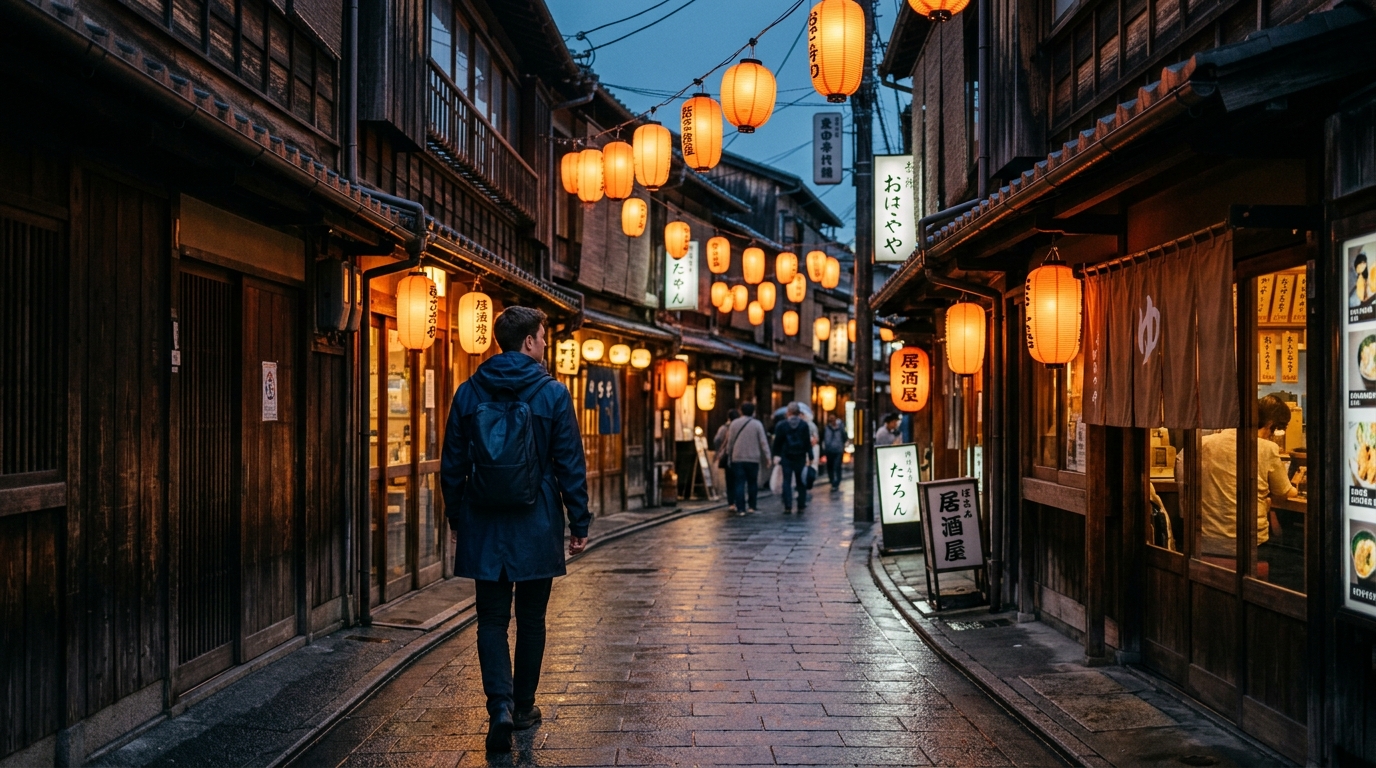
Travel is not always perfect, and I learned this the hard way in Kyoto. I wandered into the Gion district hoping for a quiet photo, only to realize that local residents have put up strict photography bans. Being reminded that people actually live in these ‘museums’ made me feel incredibly self-conscious. It is a necessary shift in perspective; we are guests, not content creators, and we need to treat these neighborhoods with silence and respect.
Furthermore, the entry fees for Mount Fuji were a logistical headache I did not expect. You now need advance bookings and a set arrival time, which feels restrictive compared to the travel style of five years ago. If you show up without a permit, you simply do not get to hike that specific trail. It is an effective way to stop overtourism, but it forces you to build your itinerary around government slots rather than your own energy levels.
Comparison: Where to Go in 2025
| Region | Growth in Interest | Primary Draw |
|---|---|---|
| Osaka | 158% | Culinary Culture |
| Tokyo | 59% | Urban Innovation |
| Kyoto | 53% | Traditional Temples |
| Nagoya | 41% | History & Design |
Essential Practical Tips
- Buy Insurance: This is non-negotiable. I once had a flight out of Sapporo delayed by 10 hours; the insurance payout covered my hotel and extra meal costs instantly.
- Use Public Transit: Don’t waste money on taxis. Japan’s train network is a masterclass in engineering, and the IC cards (like Suica) make local travel effortless.
- Learn the Basics: You don’t need fluency, but learning five key phrases shows respect. The locals in smaller cities are incredibly helpful if you make a minimal effort to communicate.
- Download Apps: Keep a reliable transit app and a offline map service ready. The signal in rural tunnels can be spotty, and getting lost in an unfamiliar city at 10 PM is not as fun as it sounds.
Frequently Asked Questions
Is Japan becoming too expensive for Indian travelers?
Prices have risen, especially with the upcoming departure tax hike to ¥3,000. However, you can manage this by swapping high-end hotels for local ‘business hotels’ or staying in smaller regional cities like Nagoya. I found that eating at local Izakayas, where you grab a drink and small bites, is much cheaper than dining in the tourist-heavy districts of Tokyo.
Do I really need to book everything two months out?
Yes, especially for popular sites like the Ghibli Museum or specific mountaintop trails. The days of walking up to a ticket window and paying cash are mostly over. If you don’t book at least 60 days in advance, you will likely find yourself staring at ‘Sold Out’ signs.
Should I book through an agency or plan it myself?
About 60 percent of us are now booking independently, which gives you more freedom to stay in one place for longer. If you are a first-timer who wants to see rural spots like the Japanese Alps, an agency can save you from the stress of complex train connections. If you prefer control, go solo, but ensure your data roaming or local SIM is active the moment you land.
Final Thoughts on Your Trip
Ultimately, the rise of Japan as an Indian travel favorite reflects our shift toward seeking depth. We aren’t just checking boxes anymore; we are looking for the quiet moments in a forest, the smell of rain on old wooden temple floors, and the specific taste of local broth in a city that isn’t on a standard tour bus route. Pack light, carry a sturdy pair of walking shoes, and be ready to get lost. The best parts of the country are the ones you find when you put the map away.