
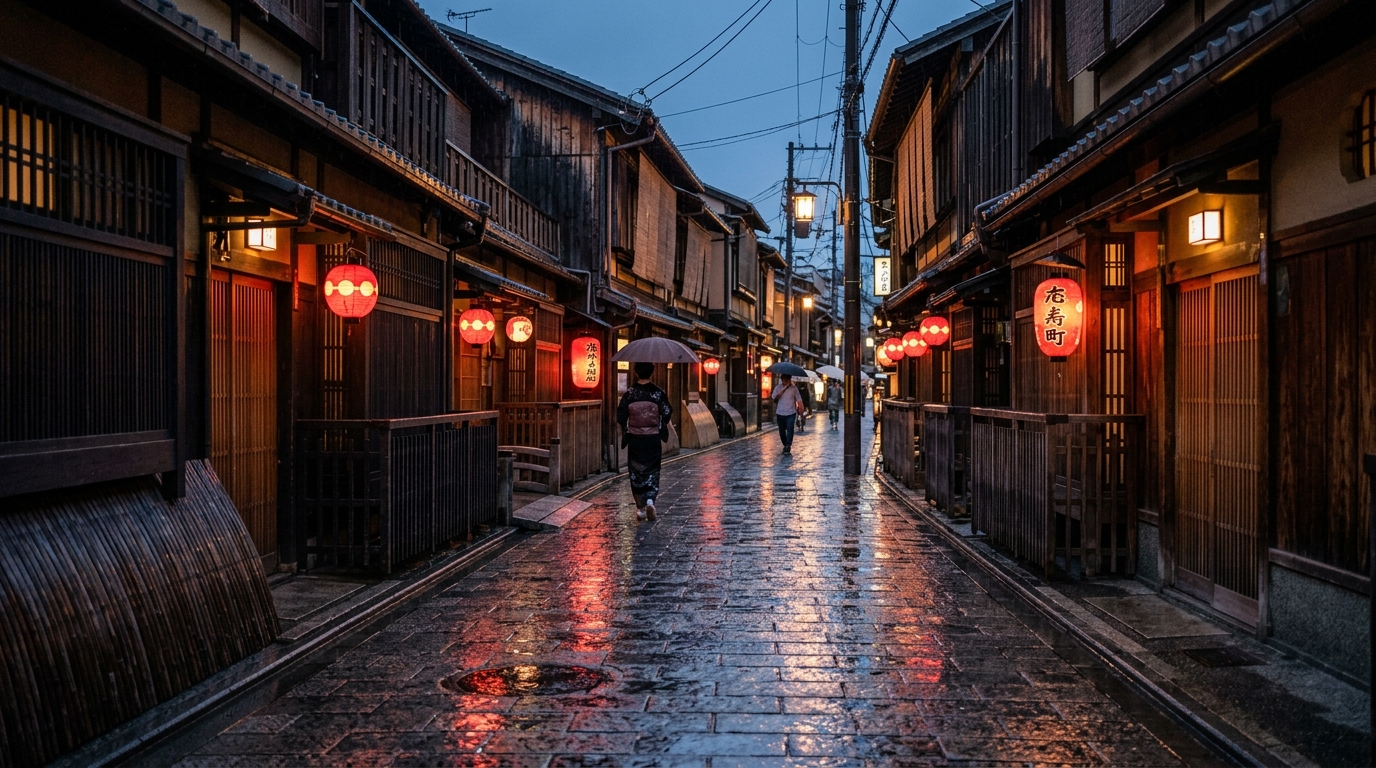

Planning a 10-day trip to Japan requires balancing the country’s hyper-efficient modern transit with its deep-seated cultural traditions, a task that often feels overwhelming for first-timers. I remember landing at Narita Airport, completely disoriented by the sheer scale of the train network and worried that my digital transit pass wouldn’t clear the gate. That initial anxiety is normal, but with the right logistical framework, you can move through tokyo, Kyoto, and Osaka with the confidence of a seasoned traveler.
Quick Takeaways for Your 10-Day Trip
- Connectivity: Secure an eSIM before you land; it is far more convenient than renting physical hardware.
- Cash is King: Even in tech-forward cities, keep at least 10,000 yen in your pocket for small ramen shops and temple entry fees.
- Rail Strategy: The JR Pass is only cost-effective if you plan multiple long-distance trips between Tokyo, Kyoto, and Osaka within a 7-day window.
- Cultural Norms: Silence on public transit is expected, and tipping is not just unnecessary—it is frequently rejected as confusing or insulting.
- Tsukiji Outer Market: Arrive by 7:30 AM. Any later and you will be stuck in a shoulder-to-shoulder crowd. I sampled fresh tamagoyaki here and it remains one of the best breakfasts I’ve ever had.
- TeamLab Borderless: Book your slot at least 30 days ahead. I arrived 20 minutes early, yet still spent significant time in line. It is a brilliant, disorienting experience.
- Shibuya Scramble: Skip the crowded cafes at street level and head up to the Shibuya Sky observation deck for a clearer, elevated view of the intersection.
- Fushimi Inari: The orange gates are famous for a reason, but the first 500 meters are a bottleneck. Keep walking for 30 minutes. The crowds vanish, and you get the forest trail to yourself.
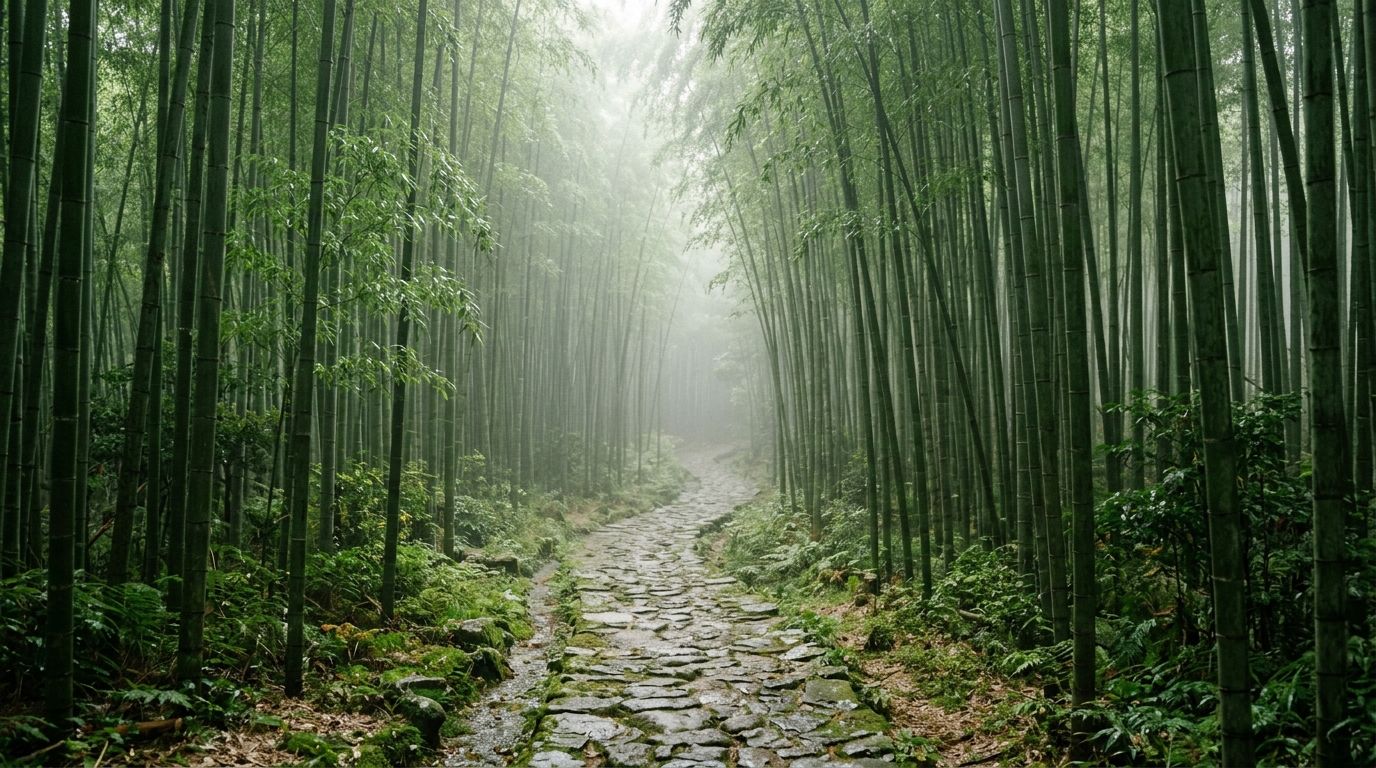
- Arashiyama Bamboo Grove: Set your alarm for dawn. By 9:00 AM, the peaceful auditory experience is replaced by the chatter of thousands of tourists.
- Dining: Steer clear of temples and tourist avenues. I found the most authentic meals by ducking into tiny, second-floor walk-ups in the Gion district.
- embracesomeplace.com
- www.discovertheburgh.com
- www.willflyforfood.net
- www.willflyforfood.net
- www.treksplorer.com
Essential Logistics: Before You Board
Before you pack, address your connectivity and transit needs. I switched to using Ubigi for my data needs, which connects directly to local networks like NTT Docomo, saving me the hassle of charging extra devices or dealing with lost SIM cards.
Regarding the JR Pass, do the math before clicking ‘buy.’ At roughly $288 for a 7-day pass, you only see a return on investment if you are hopping between major cities.
| Travel Segment | Average Cost (Individual Tickets) | JR Pass Status |
|---|---|---|
| Tokyo to Kyoto | $130 | Included |
| Kyoto to Osaka | $15 | Included |
| Osaka to Tokyo | $130 | Included |
Days 1-2: Navigating Tokyo’s Wards
Tokyo is not a monolith; it is 23 distinct municipalities stitched together. I stayed in Shinjuku for my first trip due to the sheer accessibility of its transport hubs, though it can be chaotic and sensory-heavy. If you prefer a quieter environment, look at Ginza.
Days 3-6: The Traditional Pulse of Kyoto
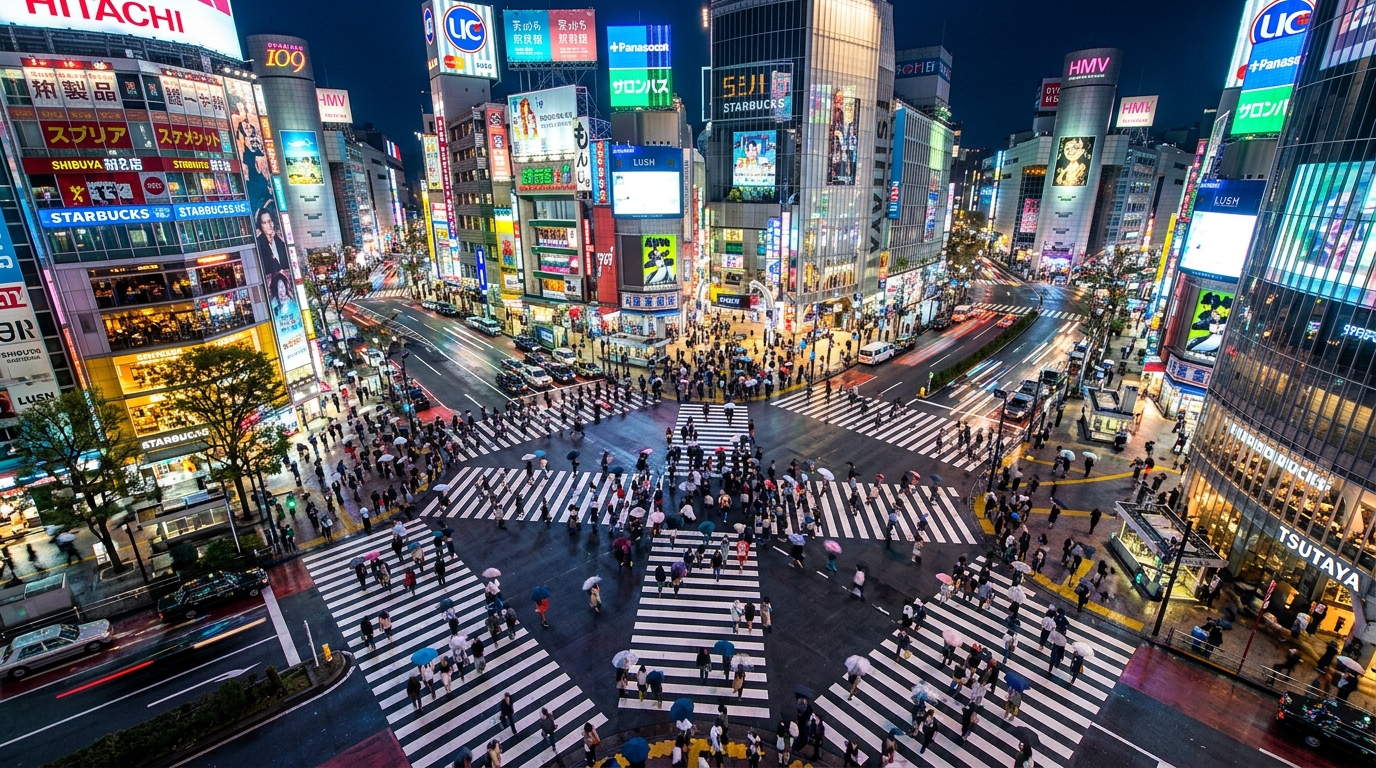
Moving from Tokyo’s glass skyscrapers to the wooden houses of Kyoto feels like traveling back three centuries. The Hikari bullet train covers this distance in about two hours and forty minutes.
My biggest mistake during this leg was trying to cram four shrines into one day. You end up seeing nothing but crowds and blurred photos. Pick two major sites per morning and dedicate your afternoon to aimless wandering through Pontocho Alley.
Day 7: The Culinary Chaos of Osaka
Osaka is the antithesis of Tokyo’s professional, polished demeanor. It is loud, boisterous, and entirely focused on food. Spend your day in Dotonbori, but be prepared for the pace.
Try the takoyaki from a street vendor. A word of caution: the center is molten. I burned my tongue within seconds because I couldn’t wait to taste it. Unlike the formal atmosphere in the capital, Osakans are quick to joke and highly conversational.
Days 8-10: Winding Down
Returning to Tokyo for your flight out is the perfect time to hunt for ceramics or high-quality green tea in local antique markets rather than buying last-minute gifts at the airport. A note on lodging: Japanese hotel rooms are notoriously compact. Do not overpack; you will be living out of a suitcase in a very small footprint.
Frequently Asked Questions
Is cash still necessary for a modern trip to Japan?
Yes, it is essential. While major stores accept cards, many regional ramen shops, ticket machines, and small temples still operate on a cash-only basis. Always keep 10,000 yen on hand. The most reliable ATMs are found inside 7-Eleven stores; they feature clear English menus and are never closed.
Is tipping really offensive?
Yes, do not attempt to tip. I once left a small extra bill for a server in an izakaya, and they physically ran out of the shop to return my money, clearly confused by the gesture. Simply pay the total amount on the check. Some restaurants include a small table charge, which covers the service.
What should I do with my trash?
Public bins are almost non-existent for security reasons. You will need to carry your trash with you until you return to your hotel. I recommend keeping a small, clean plastic bag in your daypack to stash wrappers and receipts throughout the day.
Final Thoughts
My time in Japan proved that the best itineraries are the ones that leave room for spontaneity. While it is tempting to micromanage your 10 days, allow for moments to simply sit on a bench and watch the world go by. Respect the local customs, walk on the left, and embrace the quiet of the transit system. If you lead with curiosity and patience, your first trip will be the foundation for many more to come.