
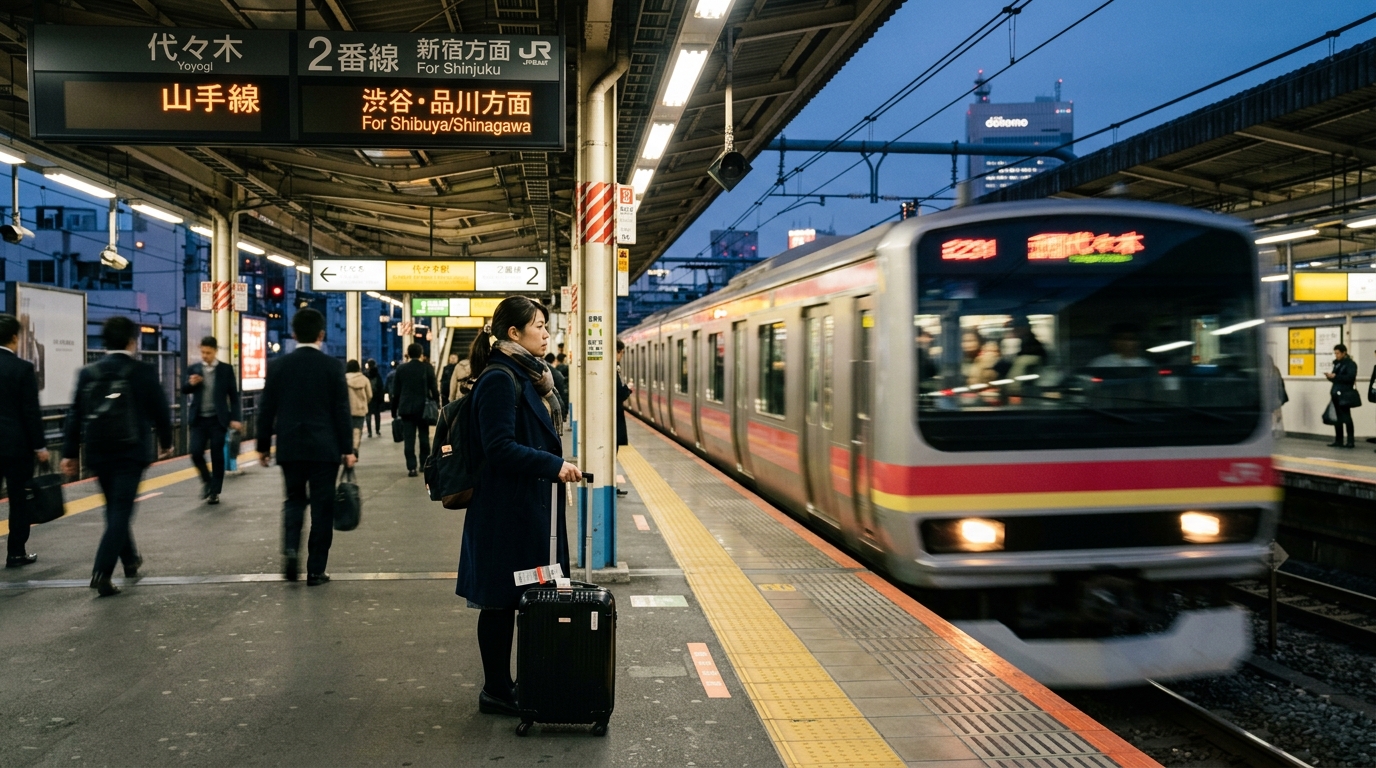

Avoiding common mistakes on your first trip to japan is the most effective way to ensure your adventure remains stress-free, budget-friendly, and culturally grounded. I still vividly recall the cold sweat I broke into when I squeezed onto a commuter train in Shinjuku with three heavy suitcases during the morning rush. The sheer volume of commuters pressing against my bags taught me a lesson in local transit etiquette I will never forget. Japan operates on a level of precision and social harmony that can feel daunting, but with a bit of planning, you can navigate the country like a pro.
Quick Summary for Japan Travelers
JR Pass Strategy: Use an online calculator to verify if the pass covers your specific route costs.
Payment Habits: Always keep physical yen on hand for ticket machines and small vendors.
dining Etiquette: Never eat while walking; find a park bench or stay near the shop entrance.
Tipping Policy: Avoid tipping entirely, as it is confusing and often considered rude.
Transport Timing: Keep large luggage off trains between 7:00 AM–9:00 AM and 5:00 PM–7:00 PM.
1. Miscalculating the Japan Rail (JR) Pass
Buying a JR Pass blindly is the most common financial error I witness. While it offers unlimited access to many trains, it is not always the cheapest option. If you are sticking to the Tokyo-Osaka corridor, you might actually lose money. I always use a dedicated JR Pass calculator to input my exact city-to-city segments. If the total cost of individual tickets is cheaper, skip the pass. Prices surged significantly in October 2023, making it vital to re-check the math before you spend the money.
2. Neglecting Your Suica or Pasmo Card
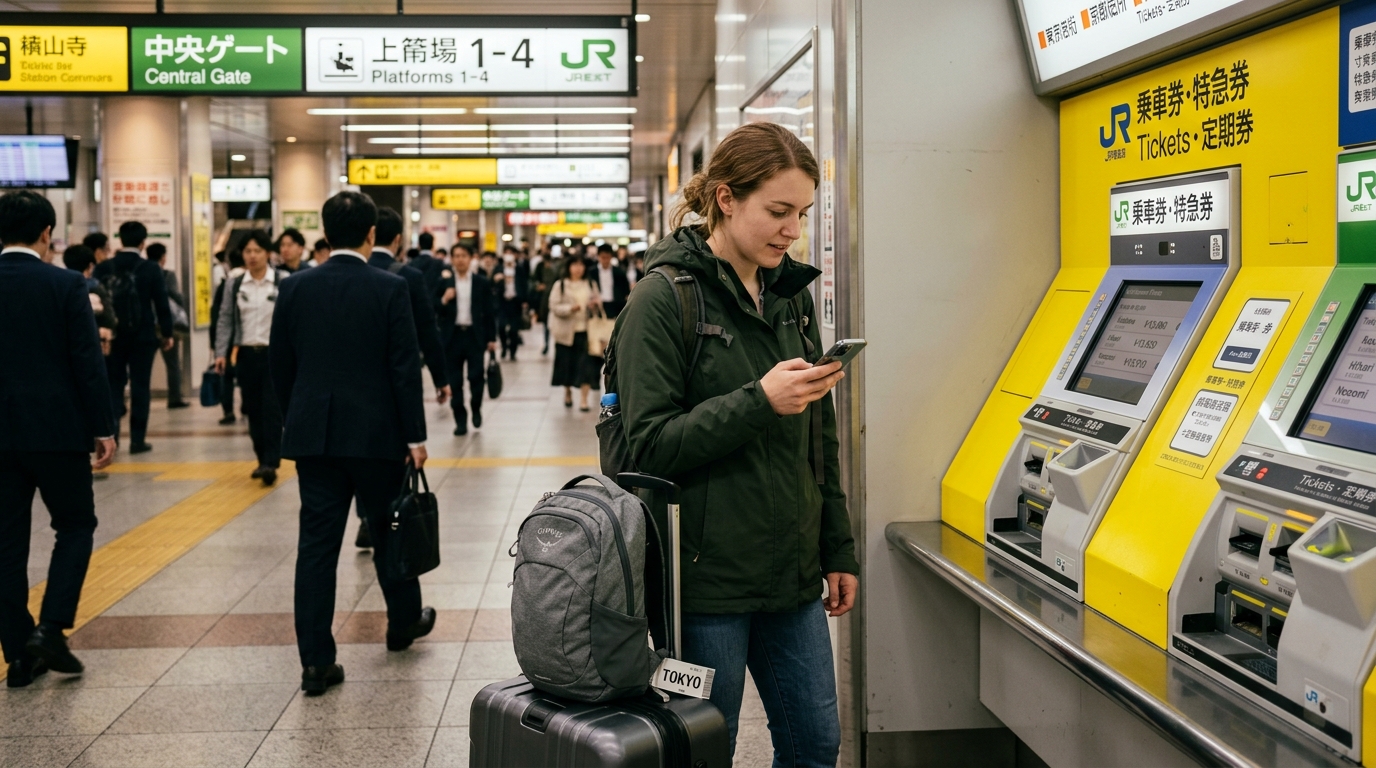
While the JR Pass covers cross-country travel, a Suica or Pasmo card is your primary lifeline for local subway lines and buses. I once wasted 20 minutes trying to buy individual paper tickets for a short cross-town ride, only to miss my connection. These rechargeable contactless cards work at vending machines and most convenience stores. Grab a digital version via your smartphone wallet or a physical card at the airport upon arrival to save yourself from standing in long queues at ticket turnstiles.
3. Breaking Local Dining Etiquette
In many Western cities, walking while eating a pastry is the norm, but in Japan, it is viewed as inconsiderate. Locals prioritize clean, stationary dining. If you pick up a snack at a konbini, wait until you reach a bench or finish your food near the store entrance. Eating on local buses or subways is generally discouraged, though specialized bento boxes on Shinkansen trains are an exception. I learned this when I received judgmental stares for eating a rice ball on a local Kyoto bus.
4. Overspending on High-End Dining
Many travelers assume they must book expensive restaurants for quality, but some of my favorite meals cost under $10. Visit depachika—the massive basement food halls in major department stores like Isetan or Takashimaya. You can find high-quality sushi sets for $5–$8 that rival sit-down spots. Additionally, conveyor belt sushi chains provide a fun, affordable atmosphere. Convenience store egg salad sandwiches and onigiri remain the gold standard for a quick, reliable lunch.
| Food Category | Estimated Price | Best For |
|---|---|---|
| Depachika Sushi Set | $4–$8 | Quick, high-quality lunch |
| Ramen Ticket Machine Shop | $5–$12 | Hot, filling dinner |
| Onigiri (Convenience Store) | $1–$2 | Light snack on the go |
| Vending Machine Coffee | $1–$2 | Quick caffeine fix |
5. Attempting to Tip Staff
Japan has no tipping culture. If you leave money on a table, the server will almost certainly chase you down the street, assuming you forgot your change. Service is already built into the price of your meal. If you want to show appreciation, a sincere “Arigato gozaimasu” as you exit is more than enough to convey your gratitude for their hospitality.
6. Poorly Timing Your Tokyo Arrival
Narita International Airport is 75 to 90 minutes from the city center, and trains stop running around midnight. Arriving late can leave you stranded with expensive cab fares. Furthermore, avoid the central subway lines during peak rush hours with large luggage. The trains become so packed that moving your bags is physically impossible. If you have heavy gear, use the Takkyubin luggage forwarding service. It is an affordable way to send your bags directly to your hotel, letting you travel unencumbered.
7. Overcommitting to a Packed Itinerary
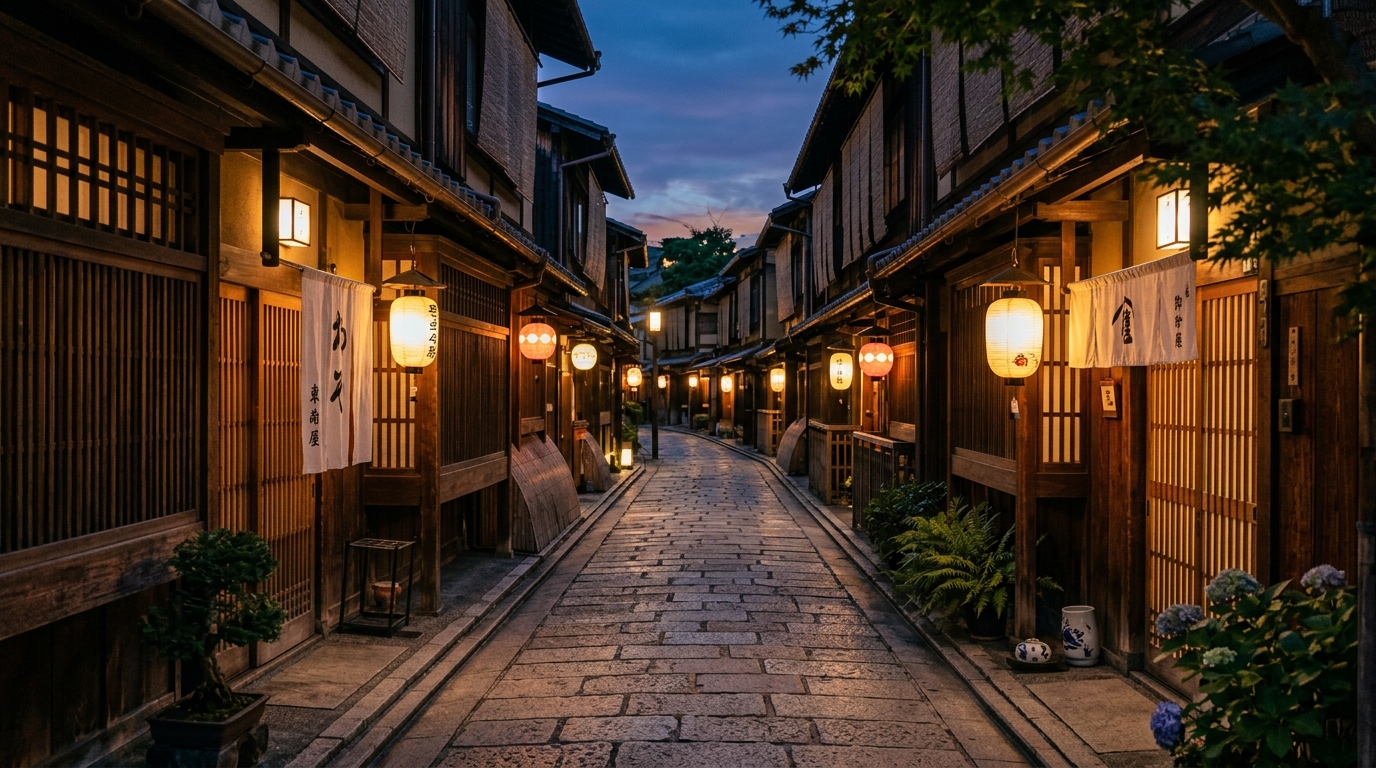
It is tempting to try to squeeze Tokyo, Kyoto, Osaka, and Hiroshima into a ten-day trip. I have found this leads to severe travel fatigue. You spend more time in transit than enjoying the culture. Instead, pick one or two regions to explore deeply. Spend extra time in the quiet temple backstreets of Kyoto or take slow day trips to Nara. Focus on enjoying the moments you have, rather than checking off a list of landmarks.
Frequently Asked Questions
Is the Japan Rail Pass still worth buying for short trips?
For short, localized trips within one region, the JR Pass is rarely worth the cost. It is designed specifically for travelers planning extensive cross-country movement. I recommend using an official JR Pass calculator to input your specific itinerary. If you only visit Tokyo and Osaka, you will save significant money by buying individual point-to-point tickets or local subway passes instead.
What should I do if I cannot find a trash can in public?
Japan has very few public trash bins because locals are expected to carry their waste home. This can be frustrating for visitors. I always carry a small plastic bag in my daypack to store my trash until I find a bin at a convenience store or inside a train station. Plan ahead and do not leave your trash behind at parks or tourist sites.
Are there any specific hotels or areas I should avoid?
While Japan is incredibly safe, avoid booking chain hotels too far from major train lines. Relying on taxis or buses will inflate your budget and waste your time. For a memorable experience, stay at a Ryokan for at least one night to enjoy traditional tatami mats and kaiseki* dining. Prioritize proximity to the Yamanote line in Tokyo for the easiest access to major districts.
Conclusion
Your first trip to Japan is an exciting milestone that rewards those who plan thoughtfully. By avoiding the pitfalls of over-packed itineraries, respecting local dining norms, and mastering the logistics of luggage, you will enjoy a far more authentic experience. The best memories often come from the unplanned moments, so keep your schedule flexible and remain curious. Happy travels!