
Planning your osaka day trips for 2026 is the most effective way to experience the Kansai region without getting trapped in the tourist-heavy loops of the city center. While I have spent countless nights navigating the neon-drenched alleys of Dotonbori, my most meaningful memories come from the quiet morning trains heading toward the surrounding prefectures. Whether you want to hike deep into ancient forests or taste seafood caught hours before it hits your plate, these ten locations offer a necessary escape.
Quick Summary of Recommendations
Nature: Mino Park for waterfalls and seasonal foliage.
Spiritual: Mount Koya for temple life and meditative silence.
Coastal: Awaji Island for sea breezes and fresh local onions.
Retro Fun: Ikoma Mountain for vintage, time-capsule attractions.
- History: Kishiwada castle for a quiet, authentic samurai-era experience.
- www.businessinsider.com
- www.timeout.com
- www.funliday.com
- www.timeout.com
- www.travelpirates.com
1. Mino Park: A Natural Oasis
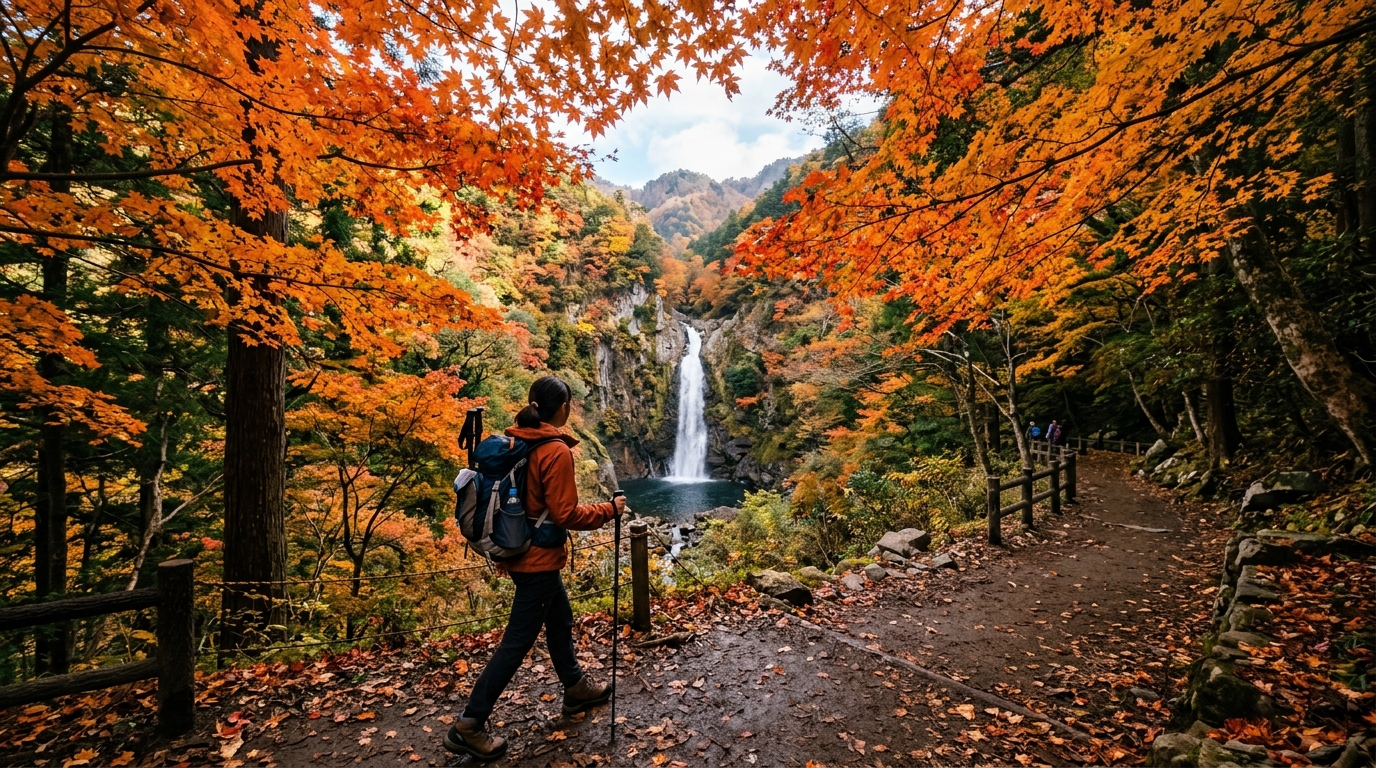
I suggest hitting Mino Park by 8:00 AM on a weekday. The 40-minute hike to the main waterfall is beautiful, but by noon, the narrow trail feels like a subway station at rush hour. Do not miss the momiji no tempura; these deep-fried maple leaves are a local curiosity that tastes remarkably like a light, sugary cracker.
2. Katsuo-ji Temple: The Victory Shrine
Located further into the hills than Mino, Katsuo-ji Temple is a sea of red and white Daruma dolls. Warriors once traveled here to pray for success before battle. The bus connections can be sparse; I once waited 50 minutes for a return bus, so check the schedule at the station board before wandering too far into the shrine grounds.
3. Ikoma Mountain Amusement Park
Forget modern high-tech thrills. Ikoma Mountain captures a specific 1970s aesthetic that feels like a forgotten era. I rode the cable car up for the view, which easily beats the overpriced observation decks in central Osaka. Note that the park closes its rides during the winter, so verify the operational status before you pack your camera gear.
4. Sayama Pond: Ancient Engineering
The Sayama Pond Museum, built by Tadao Ando, is a masterclass in concrete architecture. The pond itself is Japan’s oldest man-made reservoir, dating to the 7th century. It is a quiet place to cycle, though you should avoid it on humid summer afternoons as the lack of shade makes the long perimeter loop exhausting.
5. Expo ’70 Commemorative Park
This park is vast, spanning 260 hectares. The Tower of the Sun by Taro Okamoto is an arresting, bizarre sight. I clocked nearly 18,000 steps here; wear sturdy shoes rather than trendy sneakers, or you will regret it by the time you reach the parking lot.
6. Awaji Island: Seafood and Sea Breezes
If you have an international driving permit, rent a car to cross the Akashi Straits Bridge. The island is famous for sweet onions; try the onion-topped wagyu skewers at the roadside markets. Watching the Naruto Whirlpools from the shore is mesmerizing, though the sea spray can be harsh on windy days.
7. Kobe Suma Sea World
This facility is a massive leap forward for marine education. The dolphin performances are highly professional, and the location right on the coast allows for a brisk walk along the beach afterward. It is far less chaotic than the Osaka Aquarium, making it a better pick for a low-stress afternoon.
8. Kishiwada Castle: A Historical Gem
While everyone else fights for space at Osaka Castle, Kishiwada Castle remains a quiet sanctuary. I spent two hours here alone in the gardens. The town itself has old merchant streets that feel untouched, and it is a 45-minute train ride from Namba that costs about $5.
9. Arima Onsen: Hot Spring Bliss
Arima Onsen is one of Japan’s oldest hot spring towns. The iron-rich ‘Gold’ water leaves a literal rust-colored stain on your towel. The streets are incredibly steep; I recommend wearing grippy walking shoes, as the narrow, winding alleys are slippery and brutal on the calves.
10. Mount Koya: The Sacred Peak
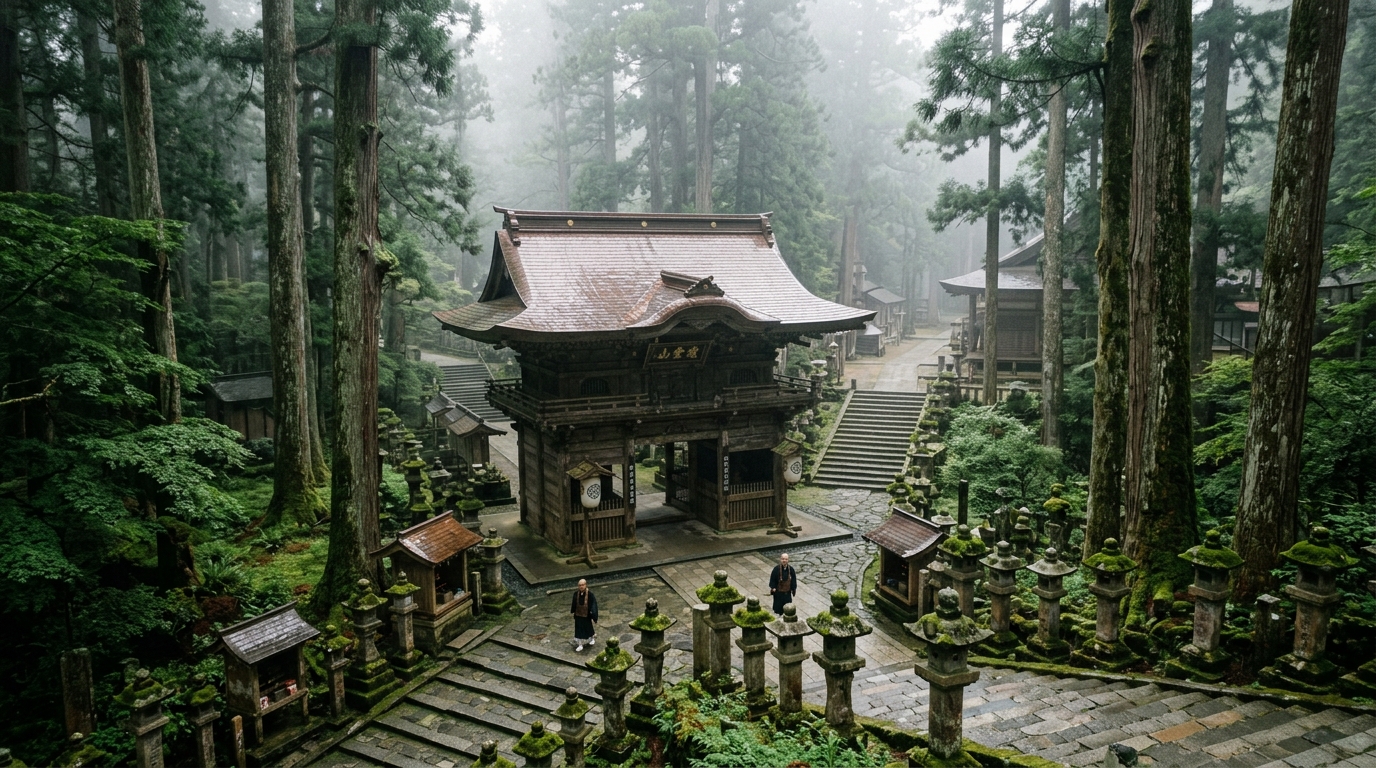
Mount Koya is the ultimate retreat. The Okunoin cemetery, surrounded by ancient, towering cedars, carries a heavy, respectful silence. It is a 90-minute trip from Namba that requires a transfer to a funicular. It is not cheap, but for the experience of walking through a 1,000-year-old burial ground, it is worth every yen.
| Destination | Primary Appeal | Travel Time | Cost Level |
|---|---|---|---|
| Mino Park | Nature | 45 min | Low |
| Arima Onsen | Relaxation | 70 min | Medium |
| Mount Koya | Spiritual | 90+ min | High |
| Awaji Island | Food | 60 min | Medium |
Frequently Asked Questions
Do I need a JR Pass for these day trips?
Usually, no. Many of these routes use private lines like Nankai or Kintetsu, which the JR Pass does not cover. I suggest purchasing an IC card (like ICOCA) to load with cash and tap through turnstiles. It is significantly faster and often cheaper than buying individual tickets or regional passes for short-term visitors.
Can I visit two of these spots in one day?
Most locations are best enjoyed as a standalone trip. Attempting to force two into one day usually results in spending more time on a train than actually walking around. However, you can easily combine Mino Park and Katsuo-ji, or pair Kishiwada Castle with a stop at the nearby Rinku Town outlet mall on your way back.
When is the best time for these trips?
April and November are the golden windows. The spring blossoms and autumn leaves change the entire geography of these sites. If you visit in mid-August, expect intense heat and humidity, which can make the mountain treks like Mount Koya or Ikoma feel much more difficult than they are in milder seasons.
Final Thoughts
The magic of Japan is rarely found in the busiest shopping districts. By stepping off the main train lines and exploring the Kansai suburbs, you get a much clearer picture of how locals actually live. Pack your bag, check the weather, and commit to one of these spots—you will return with memories that far outlast a souvenir from Dotonbori.